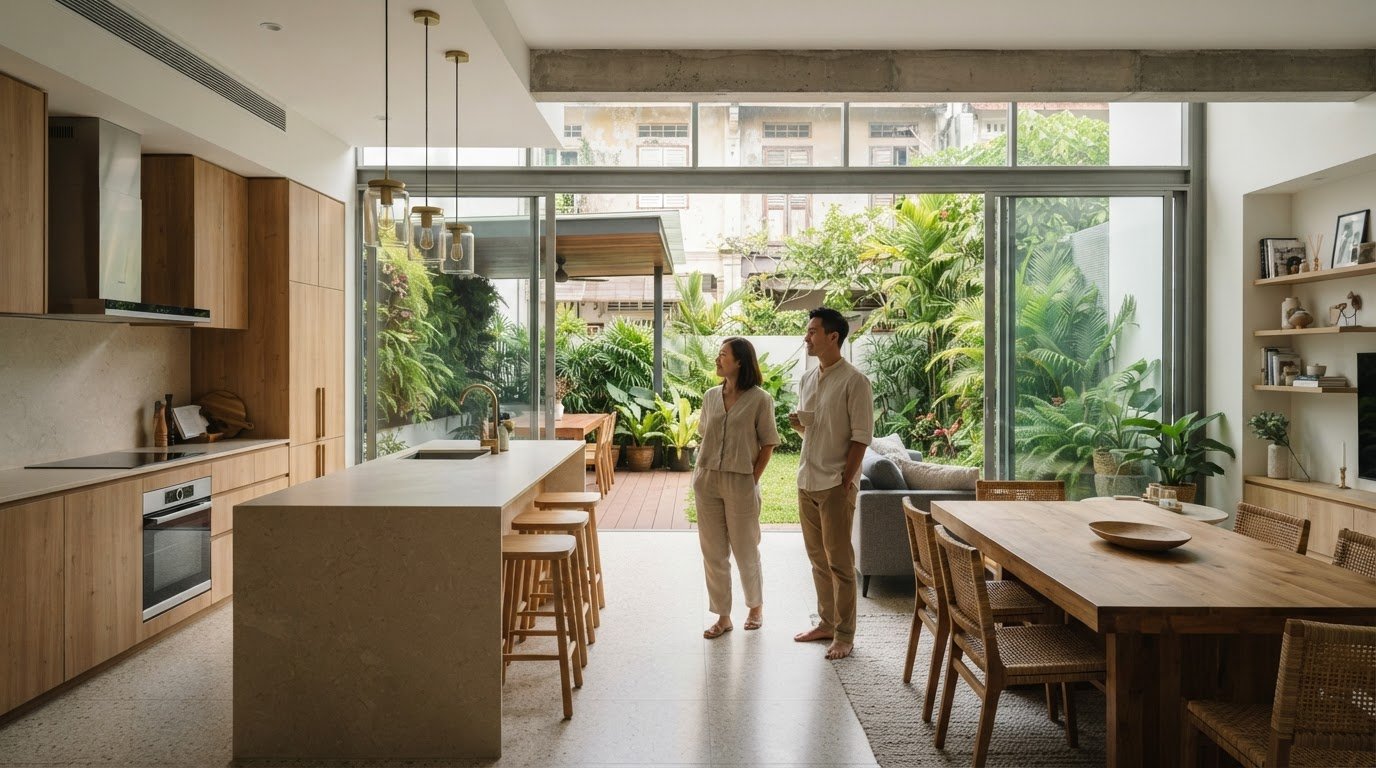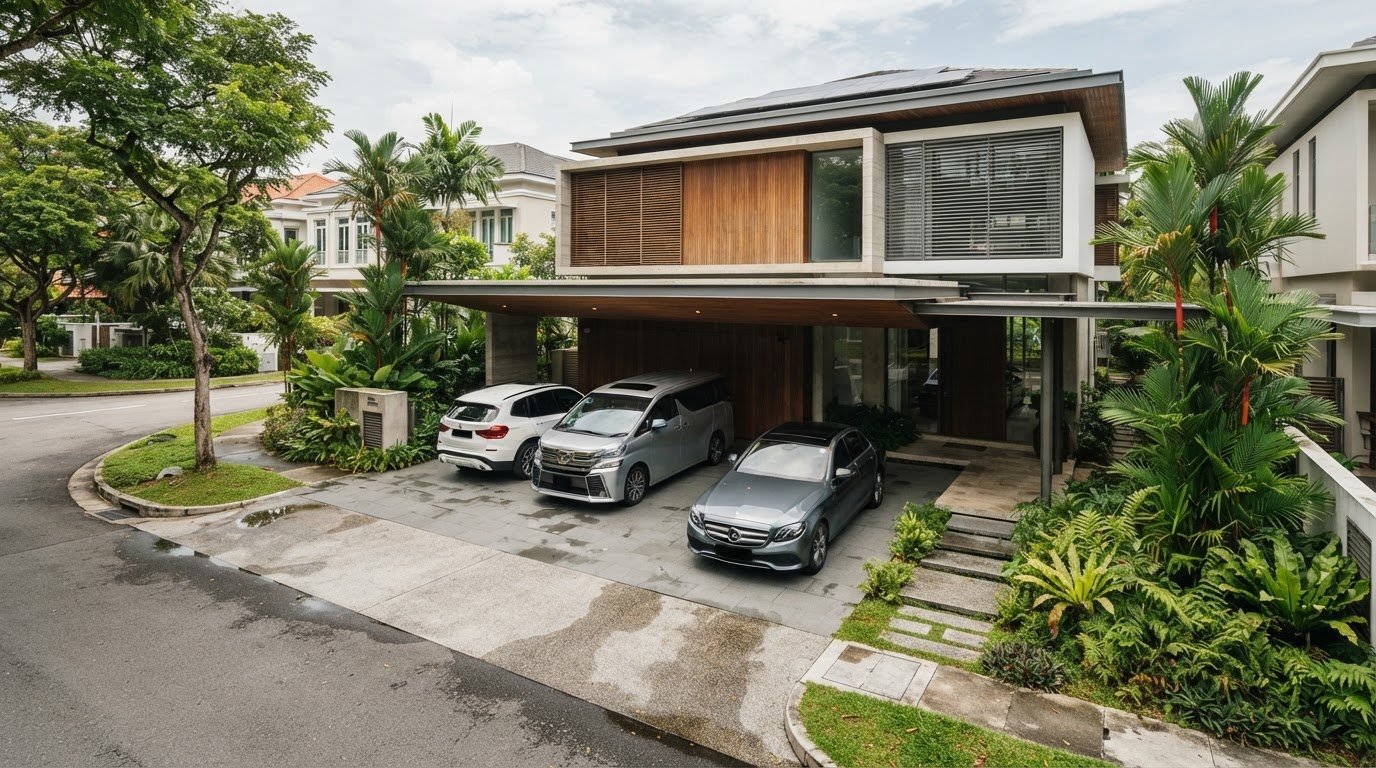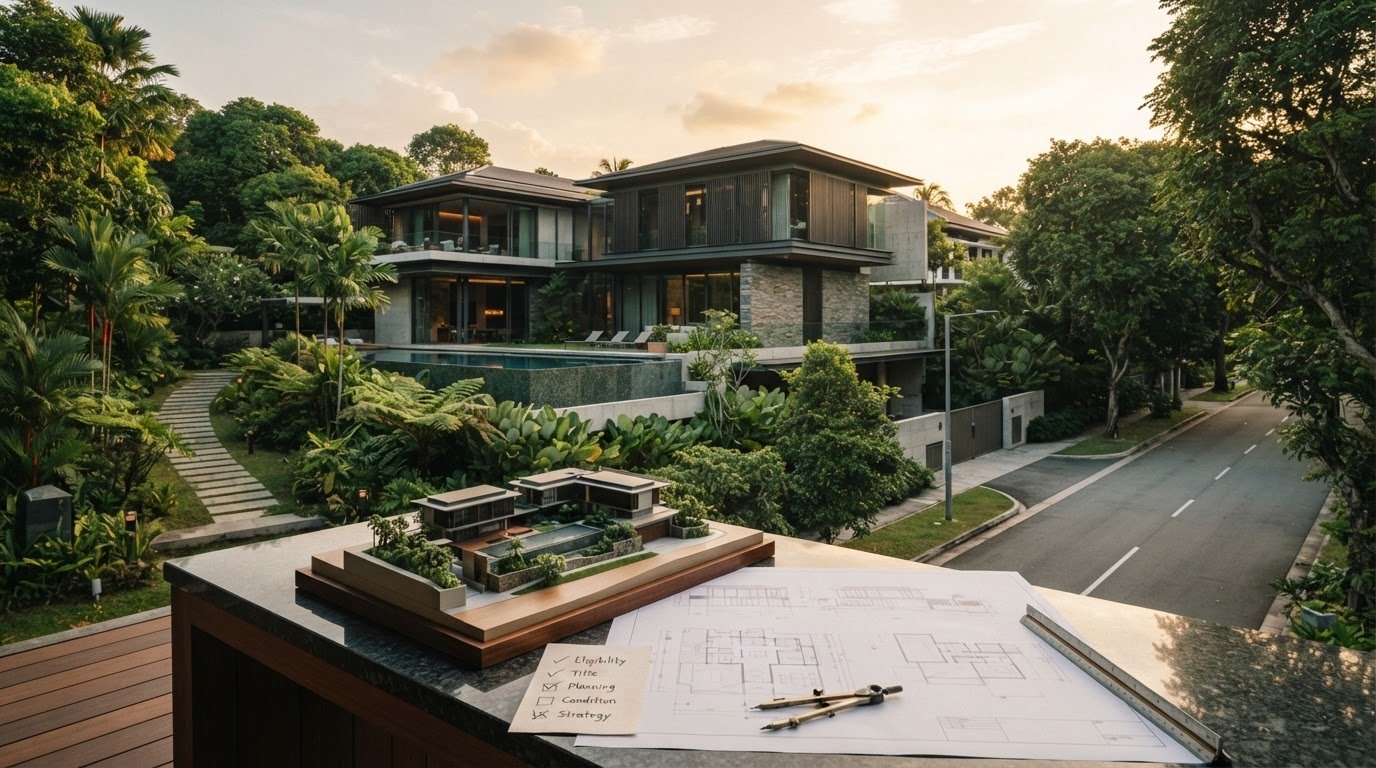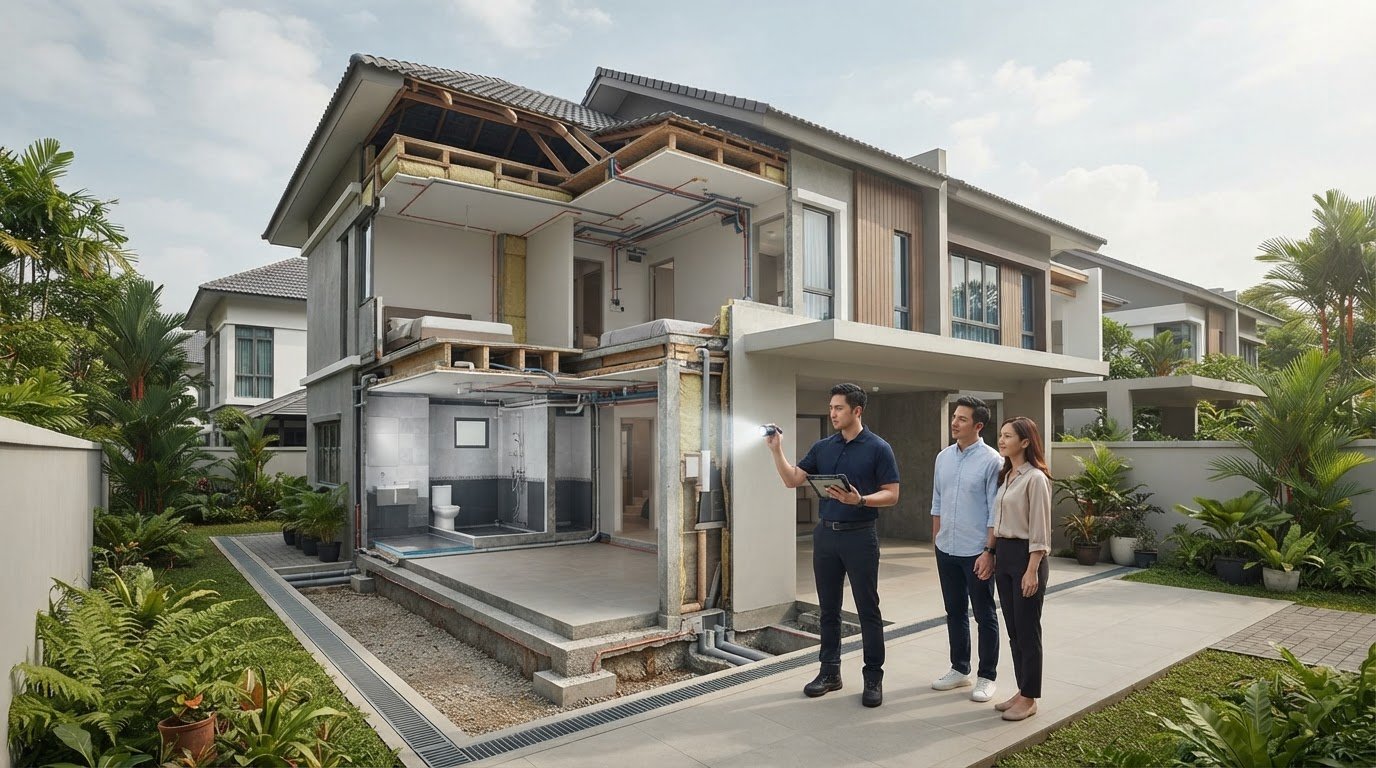
What if the most impressive room in a bungalow is also its biggest due-diligence question? For anyone buying a bungalow with basement in singapore, a polished entertainment space can be compelling, but appearance alone won’t reveal moisture issues, maintenance needs or limits on how the space may be used. Assess the basement as part of the property’s condition and compliance picture, not as a guaranteed lifestyle upgrade.
A private setting for films, music, games or hosting can be appealing, but it also needs to work comfortably over time. This 2026 guide explains how to assess a bungalow basement before committing: what to look for, why approvals and permitted uses matter, and how layout affects entertainment potential. You’ll also learn how to distinguish a ready-to-use room from one that may need substantial attention, so your next steps are informed and measured.
Key Takeaways
- When buying a bungalow with basement in singapore, assess the basement as part of the whole property rather than assuming it is ready-made entertainment space.
- Decide how you intend to use the room, then compare its access, layout and practical requirements with that plan.
- Compare available approved plans and property records with the existing basement to identify discrepancies and questions to resolve.
- Compare cinema, games-room and lounge concepts against the space and equipment each may require. Don’t assume a conversion is permitted.
- Separate observed condition, documentary questions and intended-use decisions so material uncertainties are clear before you proceed.
Buying a Bungalow with a Basement in Singapore: What the Space Can, and Cannot, Offer
An entertainment basement can provide a private setting for film screenings, games or hosting. But it is adaptable space, not a promise of a particular lifestyle. Its practical value depends on its condition, access and layout, and whether the existing arrangement aligns with approved plans. For buyers buying a bungalow with basement in singapore, distinguishing what is visible today from what may be possible later is central to a sound decision.
Basement due diligence means checking the room’s visible condition, reviewing relevant property records and plans, and comparing the space with your intended use before assigning value to its potential.
A finished room and one that needs repair or conversion are not equivalent. A furnished basement may have concerns concealed by wall finishes, flooring or built-in cabinetry. An unfinished or dated space may still be usable, but its eventual function could depend on work, approvals or other constraints that photographs cannot establish. Treat listing descriptions and room labels as prompts for questions, not proof of condition or permitted use.
Basements also serve planned functions in significant Singapore buildings, though those are not direct comparisons for landed homes. The National Library Board Singapore building has three basement levels. A bungalow basement, however, needs to be assessed on its own design, records and condition.
What makes a basement suitable for entertainment?
Start with the activity you have in mind. A cinema may need controlled lighting and room for seating and equipment. A games room may need clear circulation, while a lounge may work best with easy access to household spaces. Consider headroom, stairs, ventilation, privacy and how sound may travel to upper floors or neighbouring properties. The right layout depends on the home. Technical questions and proposed changes need professional assessment.
Why basement space needs separate scrutiny
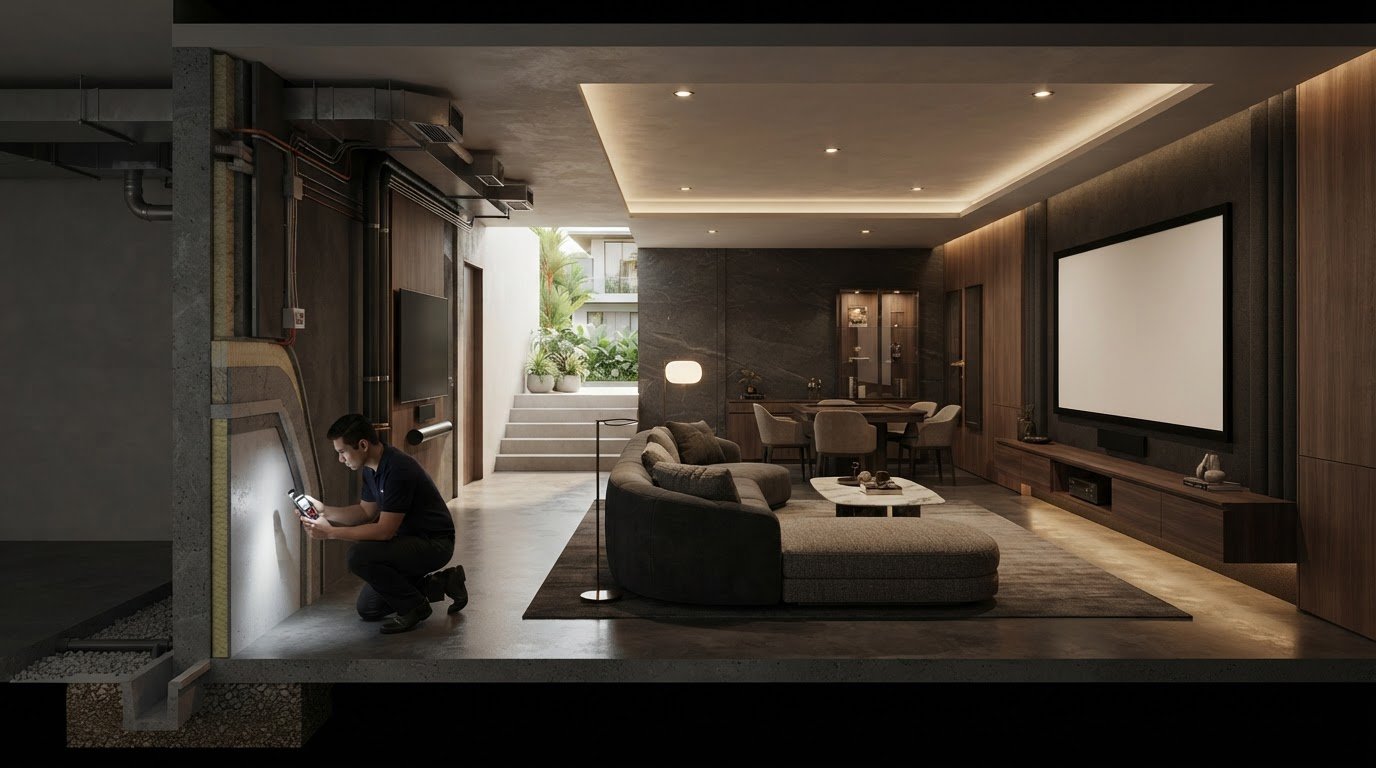
Below-ground rooms can face different environmental demands from upper floors. During a viewing, note signs that warrant follow-up, such as staining, musty odours, peeling finishes or water marks. These observations alone do not establish a cause or the extent of a problem. Drainage, waterproofing, ventilation and maintenance history need separate attention. A comfortable impression during one viewing cannot show how the space performs over time.
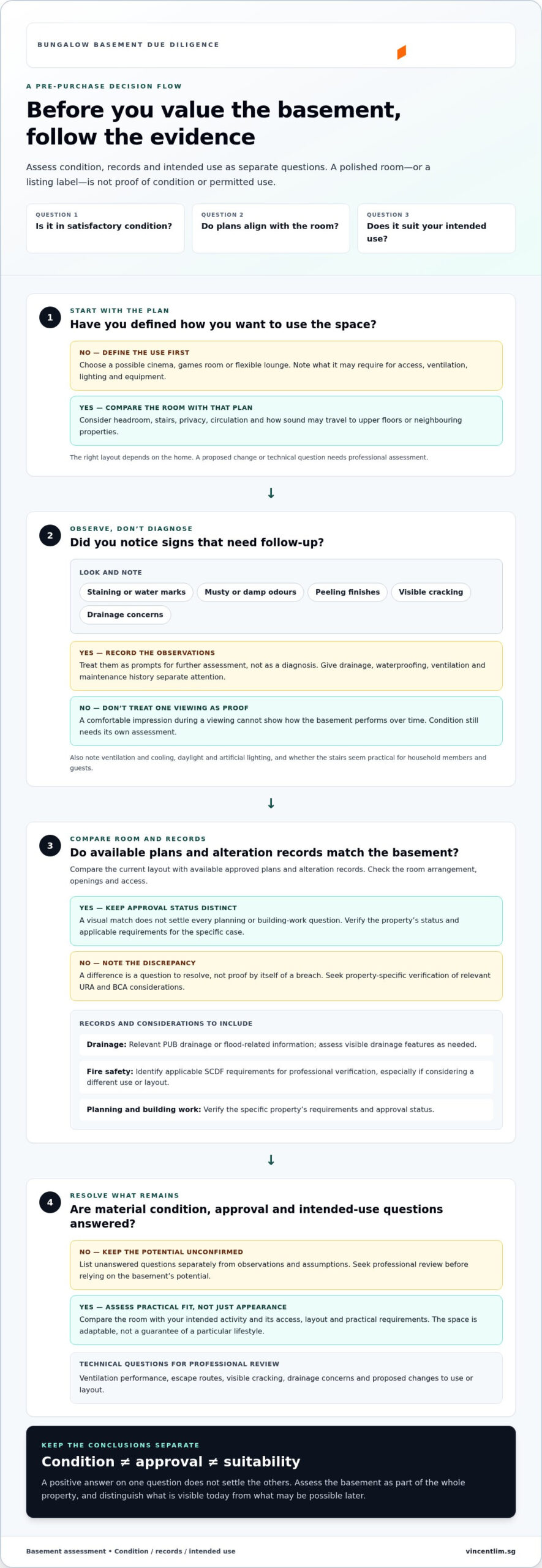
Keep three questions distinct: Is the basement in satisfactory condition? Does its existing layout align with available approved plans and records? Does it suit your intended entertainment use? A positive answer to one does not settle the others. This approach helps you assess the home as a whole rather than treating an attractive basement as usable potential before understanding its limits.
How to Assess a Singapore Bungalow Basement Before You Buy
A disciplined review turns an attractive room into a set of answerable purchase questions. For anyone buying a bungalow with basement in singapore, follow a clear sequence: decide how you expect to use the space, record what you observe, compare the layout with available documents, then identify material issues that remain unresolved. This keeps lifestyle plans separate from evidence about condition and approvals.
- Define the intended use. Note whether you envisage a cinema, games room or flexible lounge. List what each would require for access, ventilation, lighting and equipment.
- Inspect the space. Walk through the basement and record visible conditions, including water marks, damp odours, peeling finishes, visible cracking or drainage concerns. These are prompts for further assessment, not diagnoses.
- Review available records. Compare approved plans and alteration records with the current layout. Note differences in room arrangement, openings or access.
- List unanswered questions. Separate observations from assumptions. Identify condition, approval or intended-use matters that need professional review before you rely on the basement’s potential.
What to inspect for moisture, ventilation and access
Look closely at wall and floor finishes, corners, service areas and the base of stairs for staining or peeling. Notice any damp or musty odour, but don’t infer its cause from a viewing. Record whether ventilation and cooling are present, how daylight and artificial lighting affect the room, and whether the stairs seem practical for household members and guests. Questions about escape routes, ventilation performance or visible cracking call for technical review.
Which records and Singapore requirements to review
Request available approved plans and alteration records, then compare them with the basement as it stands. A difference is a question to resolve, not proof by itself of a breach. Get property-specific verification of planning and building-work considerations involving the Urban Redevelopment Authority (URA) and Building and Construction Authority (BCA). The Singapore Building and Construction Authority (BCA) provides information on building matters. Current requirements and the property’s approval status need verification for the specific case.
- Drainage: Review relevant PUB drainage or flood-related information and consider whether visible drainage features need further assessment.
- Fire safety: Identify any applicable Singapore Civil Defence Force (SCDF) requirements for professional verification, especially if you are considering a different use or layout.
- Alterations: Note apparent mismatches between records and the existing configuration for follow-up through the appropriate professional review.
Keep the evidence organised: photographs and written observations, documents reviewed, and questions still open. This gives you a clearer basis for weighing the basement against the bungalow as a whole. For a measured discussion of bungalow acquisition priorities and landed-property considerations, speak with Vincent Lim about your property search.
Compare Basement Entertainment Ideas with the Space’s Practical Limits
A useful concept begins with the room you have, not the room you imagine. If you’re buying a bungalow with basement in singapore, let your intended use shape the pre-purchase assessment. The furniture, equipment and activity you have in mind determine which features deserve closer attention. A layout that works for a quiet lounge may be less suitable for a cinema or games room.
Use this comparison to frame questions about the existing space. It is a planning tool, not confirmation that a conversion is feasible or approved.
| Room concept | Access and layout | Acoustic and lighting needs | Ventilation and equipment considerations |
|---|---|---|---|
| Home cinema | Check the route for moving seating and equipment downstairs, and whether the room proportions suit the intended seating arrangement. | Consider control of daylight and how sound may affect other household spaces. | Allow for equipment placement, cabling and ventilation needs. Existing services may affect where components can go. |
| Games room | Look for clear circulation around furniture and practical storage that does not obstruct access. | Consider task lighting and whether activity noise may carry beyond the basement. | Review the space needed for your chosen equipment, safe access around it and any ventilation or cooling requirements. |
| Flexible lounge | Prioritise adaptable furniture and a comfortable connection to the stairs and household areas. | Plan for layered lighting and privacy suited to both quiet use and hosting. | Consider ventilation, cooling and the placement of existing services before deciding how the room could be arranged. |
Home cinema, games room or flexible lounge?
A cinema generally places greater emphasis on light control, sound management, seating sightlines and equipment positions. A games room needs clear movement paths, accessible storage and lighting suited to the activity. A lounge can offer more flexibility, but still needs comfortable circulation, ventilation and a practical connection to the rest of the home. In every case, room proportions and existing service routes may constrain the arrangement.
When the basement may need another plan
Humidity or signs of moisture may affect finishes and stored equipment. Limited access or low headroom can make a preferred layout impractical. Structural elements, columns, walls and service routes are fixed considerations, not blank space to design around freely. Treat alternatives, such as a simpler lounge instead of a fully equipped cinema, as concepts for review. Their feasibility depends on the property, its condition and any applicable approvals.
Before assigning value to an entertainment idea, sketch the intended layout against the basement’s actual proportions and note what would need to change. This helps distinguish a concept that suits the existing room from one that depends on unresolved technical or approval questions.
Build a Pre-Purchase Plan for Basement Checks and Follow-Up
A structured checklist turns a viewing into a decision record. For buyers buying a bungalow with basement in singapore, keep three categories separate: what you observed, what available documents establish, and what your intended use would require. This makes it easier to prioritise material uncertainties before treating an entertainment setup as part of the property’s value to you.
Turn observations into clear purchase questions
Record each concern with its location and supporting evidence. A photograph of a water mark documents what was visible during the viewing, but it doesn’t establish the cause, history or extent. For each item, note whether it is a confirmed fact or needs technical or regulatory clarification. Then record how the answer could affect your planned use.
- Observed condition: Note the location of staining, peeling finishes, visible cracking, damp odours or drainage concerns. Add dated photographs where appropriate and describe only what you can see or smell.
- Documentary questions: List the plans, alteration records and other relevant property documents reviewed. Record any apparent difference between those records and the current basement configuration for follow-up.
- Intended use: Specify whether you envisage a cinema, games room or lounge, then identify the features that use depends on, such as access, ventilation, equipment placement or sound management.
Keep a running log with an owner for each follow-up item, the response or document received, and its status. During negotiations, this record helps distinguish resolved points from open questions and prevents assumptions from being mistaken for findings.
Coordinate the decision before committing
Review property documents and relevant professional findings alongside your intended use, not in isolation. Finished walls or flooring can improve presentation, but they don’t prove the concealed condition or establish that the current configuration has the necessary approvals. A written decision framework helps you compare the basement’s practical suitability with remaining uncertainties and the steps needed to address them.
- Suitable as observed: The space appears to support your intended use, subject to the records and assessments available.
- Potential with unresolved items: The concept may be workable, but specific condition, layout or approval questions remain material.
- Reconsider the use: A limitation may make another layout or a different role for the basement more appropriate to explore.
Keep the assessment in proportion to the whole purchase. Vincent Lim’s detached-house acquisition guide offers broader landed-property context, while the basement checklist helps you evaluate this particular feature. For a considered discussion of your bungalow acquisition priorities, discuss your bungalow search with Vincent Lim.
Choose the Right Bungalow and Plan Your Next Move with Confidence
A sound choice rests on more than the basement. For buyers buying a bungalow with basement in singapore, compare the home’s overall layout, condition and fit with household plans against the basement’s suitability for your intended entertainment use. Set search criteria around your priorities across Singapore, and don’t let an appealing room overshadow unresolved questions about the property as a whole.
Balance basement potential with the whole property
Weigh the basement alongside the bungalow’s day-to-day functionality, general condition, household needs and longer-term plans. A cinema concept may be attractive, but it should not substitute for assessing how the home works for daily living. Nor should an imagined conversion justify a financial premium without property-specific evidence about condition, approvals and feasibility.
- Whole-home fit: Consider whether the layout and living spaces suit your household, independently of the basement.
- Basement evidence: Distinguish observed condition and available records from ideas that depend on future changes.
- Long-term use: Ask whether your preferred entertainment setup remains practical as household needs evolve.
Vincent Lim specialises in Singapore landed-property sales, including terrace, semi-detached and detached houses, as well as Good Class Bungalows. His real estate perspective can help you assess bungalow options and purchase considerations in context. It is distinct from technical inspection or renovation advice.
Move from research to a considered purchase
Before deciding, bring your findings together in a concise decision record. Keep the intended use, confirmed facts, open questions and essential review steps visible in one place. This makes it easier to distinguish a basement that suits your plans today from one whose potential depends on unresolved condition, documentary or approval questions.
- Summarise your intended use. State the primary activity and the practical features it requires.
- Separate evidence from assumptions. Record what you observed and what the available documents establish, then list what remains uncertain.
- Identify essential follow-up. Note which outstanding matters need property-specific technical or regulatory review before you rely on a proposed use.
- Reassess the whole property. Compare the bungalow against your household priorities, not only the basement concept.
For broader acquisition planning, the landed-property asset progression guide can help frame how a landed purchase fits into longer-term considerations. The basement should inform your decision, not define it.
With experience across landed homes and luxury residences, Vincent Lim provides a measured perspective on evaluating property options and purchase priorities. Discuss your bungalow-buying priorities with Vincent Lim to consider suitable landed-property options in light of your requirements.
Make Your Next Bungalow Decision with Clarity
Turn your priorities into a practical brief: what the home must offer, how you hope to use the basement, and which questions need resolution before you commit. This keeps the search focused on a property that suits your household, rather than an entertainment concept that may not fit the space. When buying a bungalow with basement in singapore, a clear decision framework makes each viewing and follow-up more purposeful.
Vincent Lim works in Singapore landed-property and luxury-residence sales, with a focus on terrace, semi-detached and detached houses, Good Class Bungalows and luxury condominiums. He can help you consider bungalow options in the context of your broader property priorities, while technical questions remain a matter for relevant professional assessments.
When you’re ready to refine your search, discuss your bungalow priorities with Vincent Lim. A measured next step can bring greater confidence to your property decision and keep attention on what matters most.
Frequently Asked Questions
Is a basement in a Singapore bungalow automatically approved for entertainment use?
No. A room’s presence or its description in a sales listing doesn’t establish that its current configuration or proposed use is approved. Review the property’s available plans and records, then verify its approval status and any proposed changes for that specific home. If the documents don’t clearly address the intended activity or alterations, treat that as an open question before relying on the basement as an entertainment space.
Can I convert a bungalow basement into a home cinema?
Possibly, but feasibility depends on the particular basement and any applicable approvals. A cinema plan may need to account for seating sightlines, equipment placement, cabling, ventilation, lighting control and sound transmission. For example, a room with fixed columns or limited equipment access may call for a different arrangement than the one you first imagined. Treat conversion as a proposal for property-specific professional review, not an assured outcome.
What should I look for when viewing a bungalow with a basement?
Look beyond the central floor area. Check how easily people can carry items down the stairs, whether doors and corridors allow furniture to pass, and whether the basement has practical access to a bathroom or other household facilities. Note the location of electrical outlets and visible service points, since these can influence furniture and equipment placement. Record anything that could affect daily use, and distinguish observations from conclusions about the cause.
Does a basement count as living area in Singapore?
Not necessarily. “Living area” can be used differently in listings, measurements and a buyer’s own assessment of functional space, so don’t assume the basement is included in a stated area or treated the same as above-ground rooms. Compare listing details with the property’s available plans and supporting records. If area classification affects your decision, seek clarification based on the specific property and measurement basis being used.
How can I tell whether a bungalow basement has water or humidity problems?
A viewing can reveal clues, but it can’t establish the full history or cause. Look for condensation on cool surfaces, rust on exposed metal, warped stored items, or discolouration near floor edges and service areas. Fresh finishes may make earlier signs harder to see, so note recent repairs or changes and ask what records are available. If you have concerns, arrange suitable property-specific assessment before deciding how the room can be used.
What documents should I review before buying a bungalow with a basement?
Request available approved plans, records relating to basement alterations, and relevant maintenance documents, such as records of water-entry or drainage work if they exist. Compare the plans with the present arrangement, including access points and room divisions. For buying a bungalow with basement in singapore, identify which planning, building, drainage or fire-safety questions need current verification for that property. Keep missing or unclear paperwork on your follow-up list.
Is a basement bungalow a good choice for entertaining guests?
It can suit entertaining if guests can reach the room comfortably and the layout supports the gatherings you expect to host. Consider the route from the entrance, stair access, nearby facilities, seating capacity and how conversation or music may affect other parts of the home. A basement that works for a small film night may not suit larger gatherings. Judge it against your typical guest experience, not just its presentation during a viewing.