What if the asking price is the least revealing part of a semi-detached home? When buying a semi detached house in singapore, eligibility, land size, layout and condition all affect whether a property is the right fit. Renovation and ongoing maintenance also shape the commitment after completion.
It’s reasonable to want clarity before making a decision of this scale. The right home should suit your plans and finances, not simply look attractive on paper. This guide covers the Singapore-specific checks to make before committing, including landed-property eligibility, financing and stamp duties, how to assess a property, and ownership costs to include in your budget.
You’ll also learn how to compare a home’s land, layout and condition with its asking price, and how to approach the purchase in a considered sequence. Vincent Lim, an OrangeTee & Tie Executive Associate Director active in Singapore real estate since approximately 2004, specialises in landed homes, including semi-detached houses. His experience in the landed-property market can help you assess property features and prepare for a well-informed purchase decision.
Key Takeaways
- Confirm your eligibility to acquire landed property before narrowing your shortlist. Citizenship and residency status can affect the approval process.
- Build a complete ownership budget that includes financing, stamp duties, renovation and ongoing maintenance, not just the purchase price.
- Compare land area and built-up space separately to see how each property may support your daily routines and future plans.
- Approach buying a semi detached house in singapore in a clear sequence: prepare your finances, shortlist and view properties, then arrange title, planning, condition and financing checks before committing.
- Assess each home against your priorities and trade-offs. Specialist knowledge of landed properties can help bring structure to your comparisons and negotiation preparation.
What buying a semi-detached house in Singapore means for your lifestyle
A semi-detached home combines landed living with one shared structural connection to a neighbouring house. This can offer more separation than a terrace home, but the day-to-day experience depends on the individual plot, building design and surrounding properties. Before focusing on listing photographs or the asking price, consider how the home would support your household’s routines and plans.
How is a semi-detached house different from other landed homes?
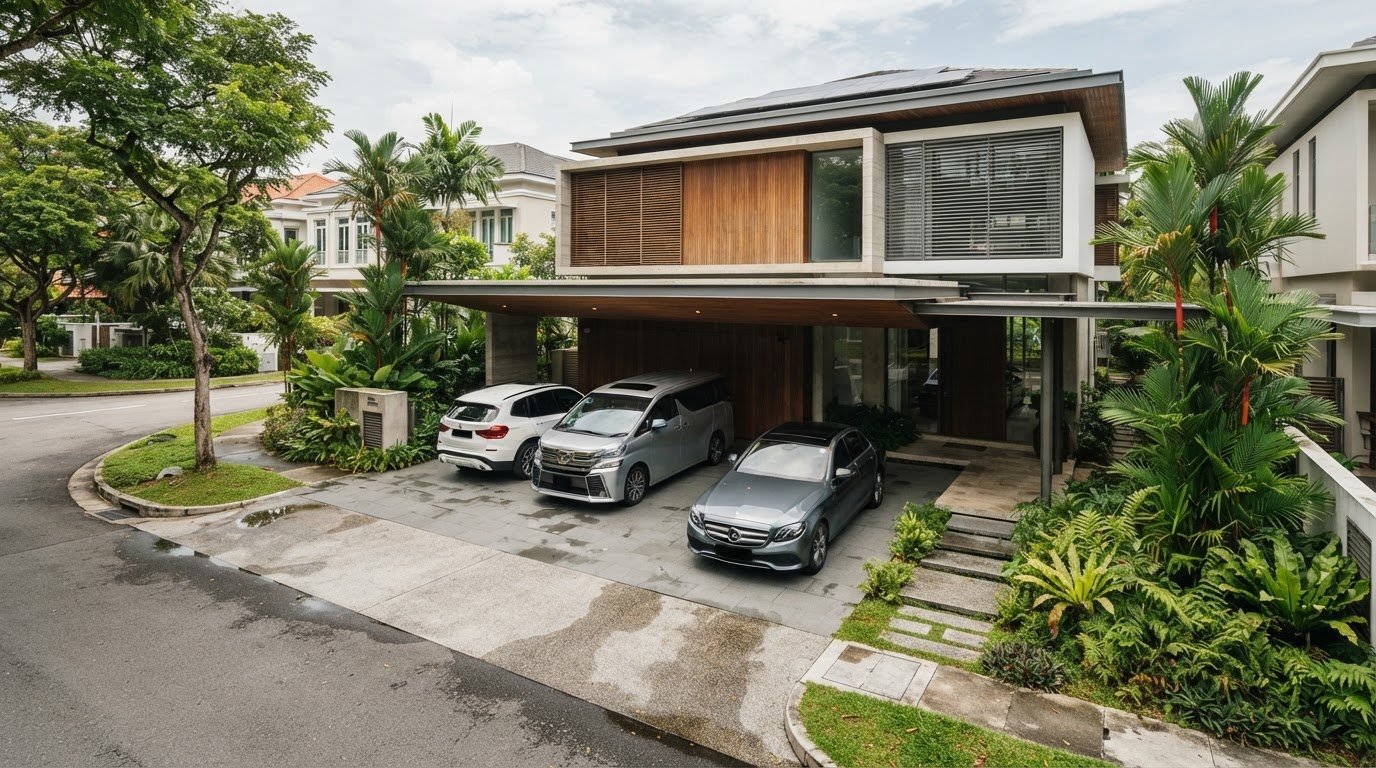
A semi-detached house generally shares one side wall with its neighbour, while its other sides are not attached to another home. The semi-detached house concept describes this shared-wall arrangement, though local terminology and property configurations can differ. A terrace house typically forms part of a row, with neighbouring homes on either side. A detached house stands separately from adjoining homes.
These are broad distinctions, not guarantees of identical boundaries or layouts. Plot shape, access, building form and applicable planning controls vary by property. Two homes in the same category can offer different levels of privacy, outdoor space and flexibility. Assess each home on its own characteristics rather than assuming its property type tells the whole story.
Who may find a semi-detached home suitable?
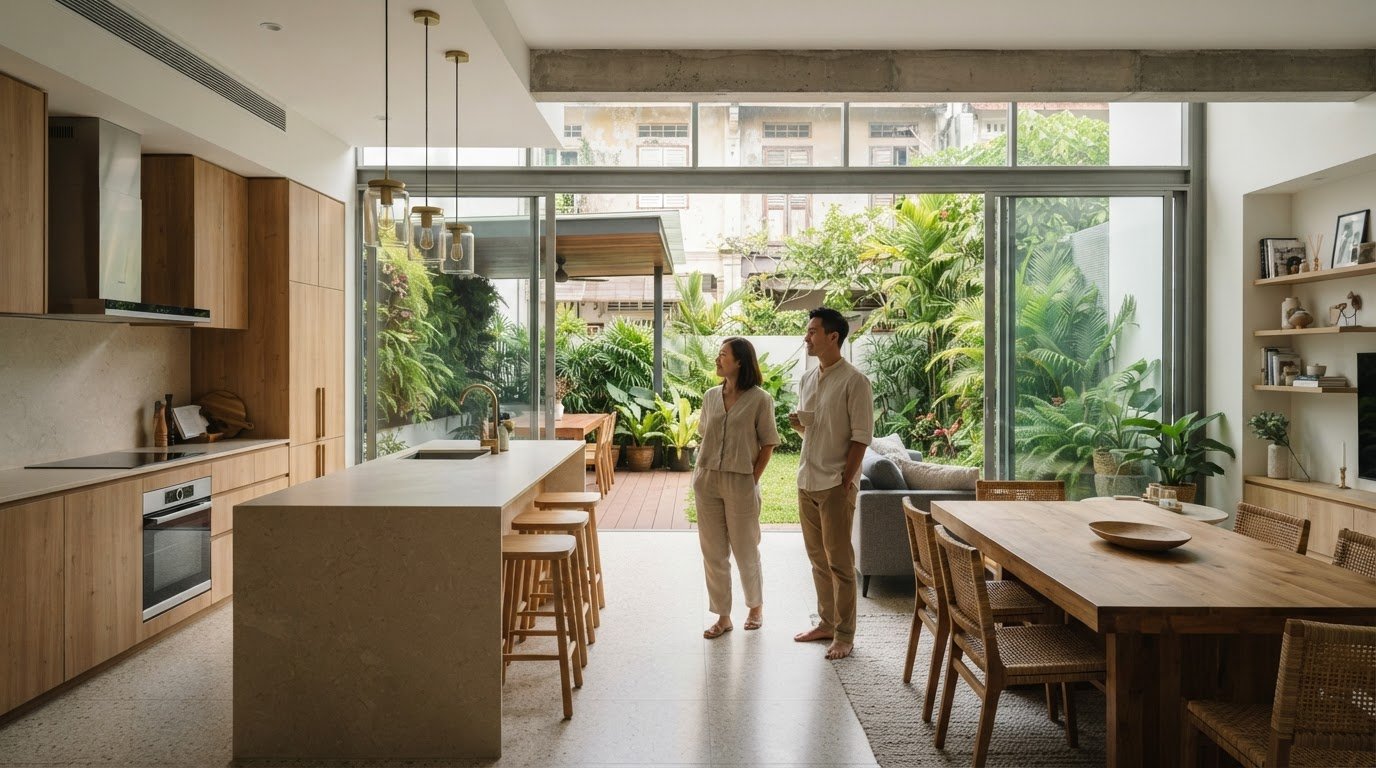
This home type may suit households seeking more private space and greater control over their living environment. Multiple floors can help separate shared activities from quieter rooms, while outdoor areas may support gardening, play or entertaining. These features are useful only if they fit your household’s routines and are practical to maintain.
Landed living also brings direct responsibility for upkeep. Outdoor areas and a larger home may need regular attention, and a layout spread across floors may become less convenient as household needs change. Consider who will manage routine maintenance, how long you expect to stay and whether the home can adapt to future needs.
Before buying a semi detached house in singapore, define your priorities. Decide how much privacy, outdoor space and room to adapt matter to your household, then weigh those benefits against the time and responsibility involved in ownership. This gives you a clearer basis for judging a property beyond its presentation or initial appeal.
Check Singapore eligibility, financing and ownership costs before buying
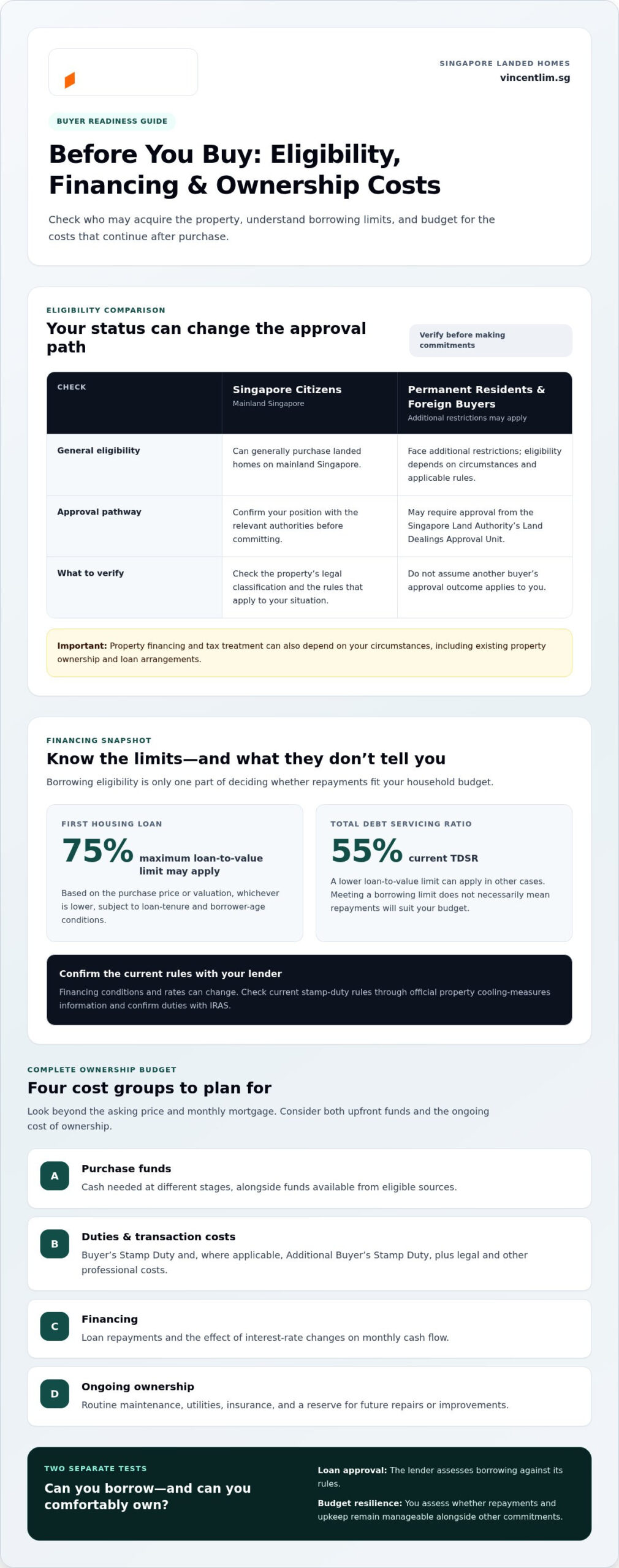
Before arranging viewings, assess four parts of your readiness: legal eligibility, available funds, borrowing capacity and ongoing ownership costs. A property may suit your household, but that alone does not establish that you can acquire it or comfortably manage its financial commitments. Resolving these questions early helps you shortlist with greater confidence when buying a semi detached house in singapore.
What eligibility checks matter for a Singapore landed home?
Eligibility depends on your citizenship or residency status and the property’s legal classification. Singapore Citizens can generally purchase landed homes on mainland Singapore. Permanent Residents and foreign buyers face additional restrictions and may require approval from the Singapore Land Authority’s Land Dealings Approval Unit. Approval depends on the buyer’s circumstances and applicable rules, so don’t assume another buyer’s outcome applies to you. Verify your position with the relevant authorities before making commitments.
Property financing and tax treatment also depend on your circumstances, including existing property ownership and loan arrangements. For a first housing loan, the maximum loan-to-value limit may be 75% of the purchase price or valuation, whichever is lower, subject to loan-tenure and borrower-age conditions. A lower limit can apply in other cases. The Total Debt Servicing Ratio is currently 55%, but meeting a borrowing limit doesn’t necessarily mean the repayments will fit your household budget. Confirm current requirements with your lender and review official property cooling measures information for stamp-duty rules. Rates and financing conditions can change.
How should buyers prepare a complete ownership budget?
Plan for more than the downpayment and monthly mortgage. Build a working budget around these categories:
- Purchase funds: Cash required at different stages, alongside funds available from eligible sources.
- Duties and transaction costs: Buyer’s Stamp Duty and, where applicable, Additional Buyer’s Stamp Duty, plus legal and other professional costs.
- Financing: Loan repayments and the effect of interest-rate changes on monthly cash flow.
- Ownership: Routine maintenance, utilities, insurance and a reserve for future repairs or improvements.
Loan approval and cash-flow resilience are separate tests. A lender assesses borrowing against its rules; you still need to consider whether payments and upkeep will remain manageable alongside other commitments. For context when comparing asking prices, see this guide to average semi-detached house prices. Before proceeding, confirm current duties with IRAS and eligibility requirements with the Singapore Land Authority. Vincent Lim specialises in landed-property sales, including semi-detached houses, and can bring a property-market perspective to your comparisons and purchase preparation.
Compare semi-detached houses in Singapore using land, layout and condition
A disciplined comparison looks beyond presentation. Record the same details for each property so you can distinguish features that support your household from costs or compromises that may be less visible during a viewing. Land area describes the plot; built-up area describes the home’s floor space. Neither figure alone tells you how usable the property will feel day to day.
Which land and layout details deserve close attention?
Consider the plot’s shape, boundaries, access and outdoor areas alongside how you expect to use the home. A generous plot may still have an awkward configuration, while a well-planned interior can make the available space more practical. During a viewing, note natural light, storage, room proportions, stairs and circulation. Check how the shared wall and window placement affect privacy. Don’t assume renovation or rebuilding options without verifying property-specific planning constraints.
| Factor | What to compare | Why it matters |
|---|---|---|
| Land | Plot shape, boundaries, access and usable outdoor areas | Shows how the site supports parking, outdoor use and household priorities. |
| Layout | Room arrangement, stairs, storage, light and circulation | Reveals whether the built-up space works for daily routines, not just its stated area. |
| Condition | Visible wear, signs of water ingress and condition of major services | Helps distinguish manageable cosmetic updates from work requiring further investigation. |
| Future needs | Adaptability, access and likely upkeep demands | Tests whether the home can remain suitable as plans and household needs change. |
How can buyers assess condition and future work?
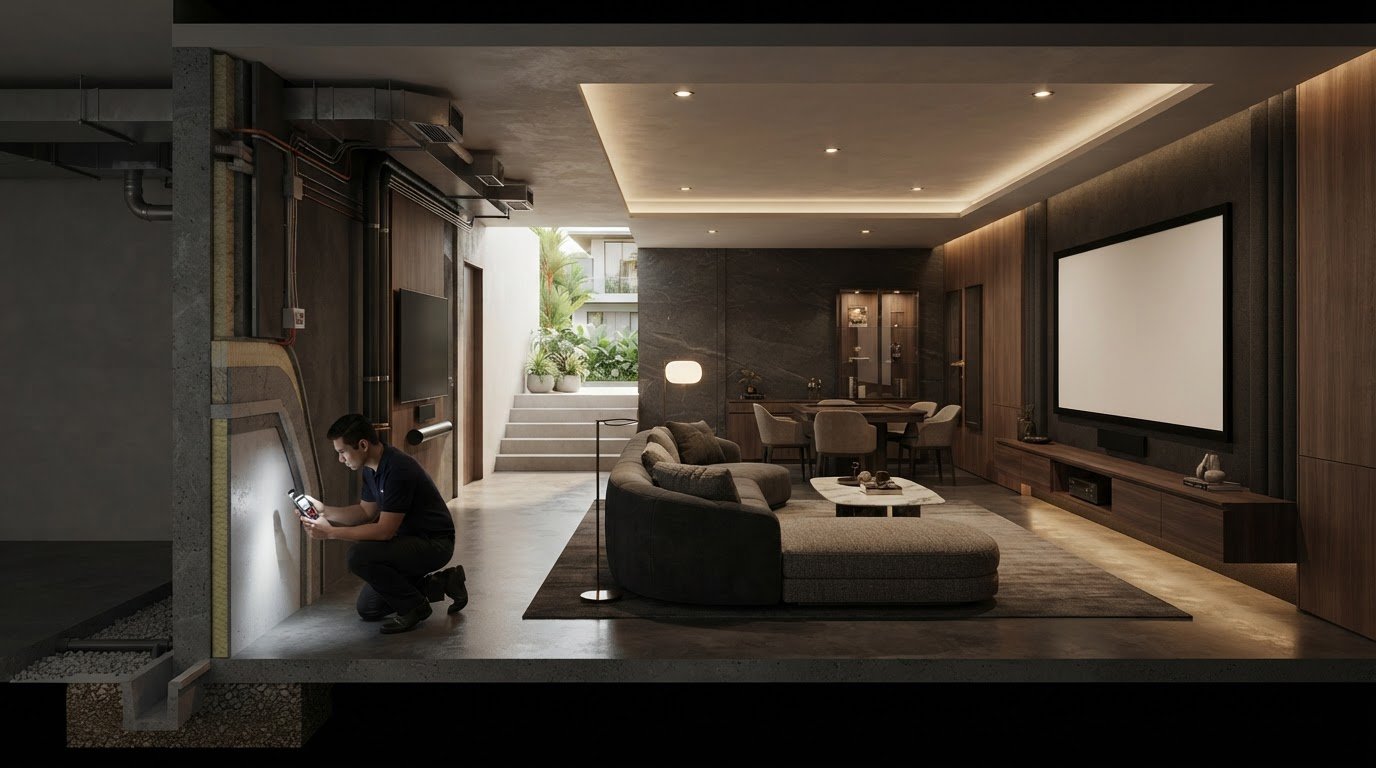
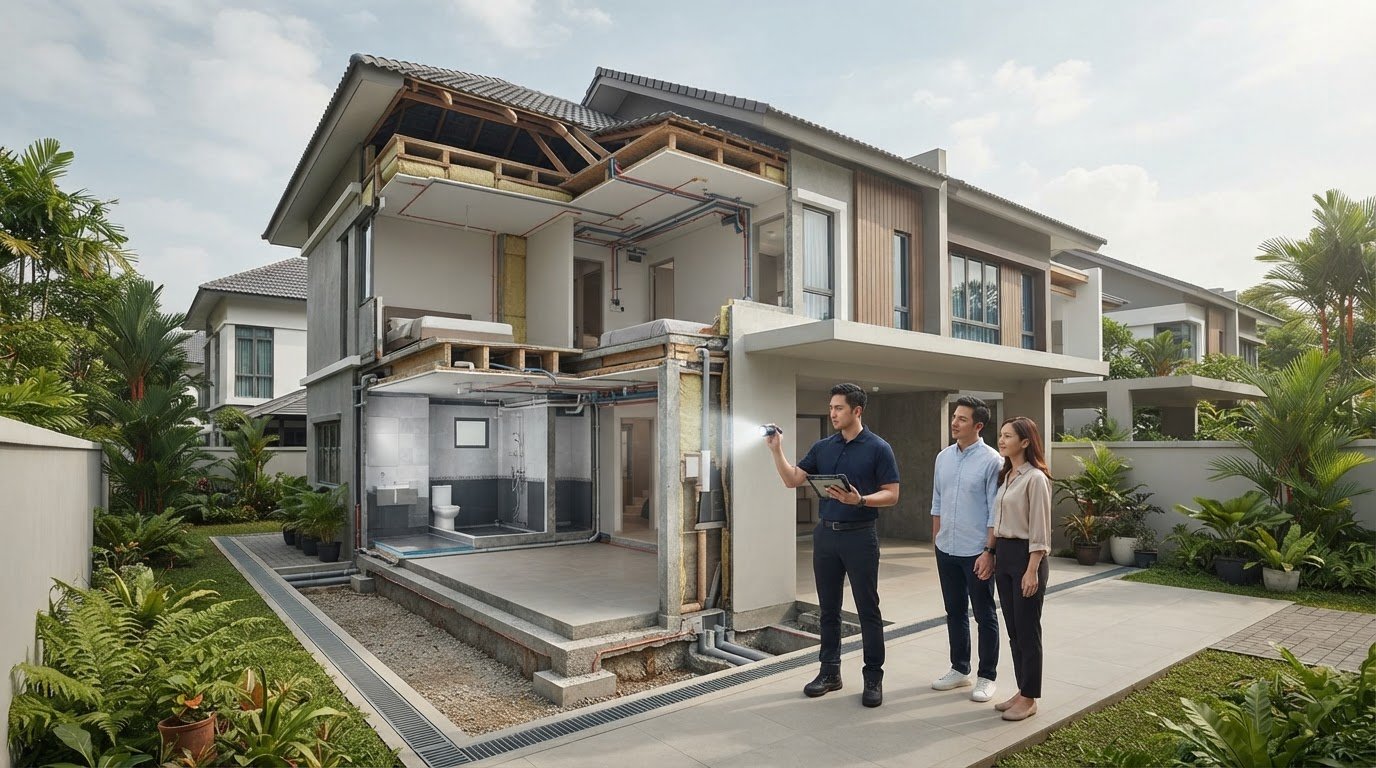
Look carefully at ceilings, walls, floors, windows, bathrooms and areas exposed to weather. Staining, persistent damp smells, uneven surfaces or visible deterioration warrant closer attention, but a viewing cannot establish the full extent or cause of a problem. Arrange appropriate professional inspections before committing, and seek qualified assessment of structural concerns, water ingress and major building services.
Separate cosmetic preferences, such as dated finishes, from issues that could involve extensive repairs or affect safe use. Include expected work in your comparison rather than treating the asking price as the full measure of value. Review comparable transactions and account for differences in land, built-up area, condition and other property-specific factors. Buyers considering other landed options can also read about detached-house acquisition considerations.
When buying a semi detached house in singapore, the stronger choice is the property whose land, layout and condition best align with your priorities and resources, not necessarily the one with the most striking photographs or largest headline area.
Follow a careful Singapore semi-detached purchase process
A structured process helps you move from a promising listing to a considered offer without overlooking details that may affect the property or transaction. Keep written records throughout: note questions, answers, documents reviewed, key dates and decisions. This gives you and the professionals supporting the purchase a clear reference point.
- Set your financial parameters. Confirm available funds, financing readiness and a purchase budget that leaves room for transaction costs and future work.
- Shortlist against clear priorities. Compare property details, land and layout, condition, location needs and intended use. Record trade-offs instead of relying on listing photographs alone.
- View and document each home. Take notes on condition, access, boundaries, privacy and any assumptions about renovation. Follow up on unanswered questions in writing.
- Complete pre-offer checks. Reconcile the advertised details with title information and relevant property records. Have appropriate professionals review title, boundaries, planning constraints, inspection findings and financing arrangements.
- Make an informed offer. Consider comparable transactions and property-specific findings, then clarify the proposed terms and transaction steps before proceeding.
What should buyers check before making an offer?
Check that the property’s identity and description align across the listing and relevant records. A conveyancing professional can review title matters, while appropriate specialists can help assess boundaries, condition and planning questions. Revisit renovation assumptions against applicable constraints. Confirm your financing position and understand the proposed transaction sequence so you can assess the offer with both the property and practical deadlines in view.
What happens between offer and completion?
The broad process may involve an option to purchase, legal review, sale-and-purchase documentation and completion arrangements. The exact documents, obligations and deadlines depend on the transaction and current requirements, so don’t rely on a generic timeline. Your conveyancing professional handles legal and transfer matters, while the buyer, seller and relevant representatives coordinate information and required actions. Confirm each step and date with the professionals managing the transaction before acting.
When buying a semi detached house in singapore, treat every procedural milestone as a decision point. Keep copies of correspondence, note who is responsible for each action, and raise discrepancies promptly rather than assuming they will be resolved later.
Vincent Lim specialises in landed-property sales, including semi-detached houses. His experience in the Singapore landed-home market can help you assess property features and prepare for negotiations. Learn more about Vincent Lim’s semi-detached property guidance.
Make your semi-detached purchase decision with a landed-property specialist
No single semi-detached home is right for every buyer. A strong fit is one whose plot, layout, condition and ownership demands align with your household’s priorities and financial readiness. Caution signs include unresolved questions about title or planning, costly condition concerns that haven’t been assessed, or a layout that depends on renovation assumptions you haven’t verified.
Buying a semi detached house in singapore involves weighing several property-specific factors at once. Vincent Lim is an OrangeTee & Tie Executive Associate Director who specialises in Singapore landed homes, including semi-detached houses, and has been active in real estate since approximately 2004. His experience informs a considered approach to refining search priorities, comparing landed-home options and preparing for negotiations.
When does specialist guidance add value?
Structured comparisons make trade-offs easier to see. One home may offer a more useful layout, while another better suits your outdoor-space priorities or tolerance for renovation. A landed-property specialist can help organise available property information and prepare a negotiation position grounded in the home’s features and your priorities. This supports a clearer decision without guaranteeing an outcome.
What should buyers prepare for an initial discussion?
A focused conversation starts with your requirements and current readiness. Consider bringing:
- Property priorities: Preferred land and layout characteristics, outdoor-space needs and essential features.
- Timing: Your intended purchase timeframe and any important decision dates.
- Financing readiness: Your current budget parameters and progress on assessing borrowing capacity.
- Intended use: How your household expects to use the home now and over time.
- Shortlist and questions: Listing details and any concerns about condition, title, boundaries or planning.
These details help clarify which compromises are acceptable and which should prompt a closer review. They also give the discussion a practical starting point, whether you’re comparing shortlisted properties or still refining what matters most.
Explore Vincent Lim’s landed-property sales expertise.
Take your next step with a clear purchase plan
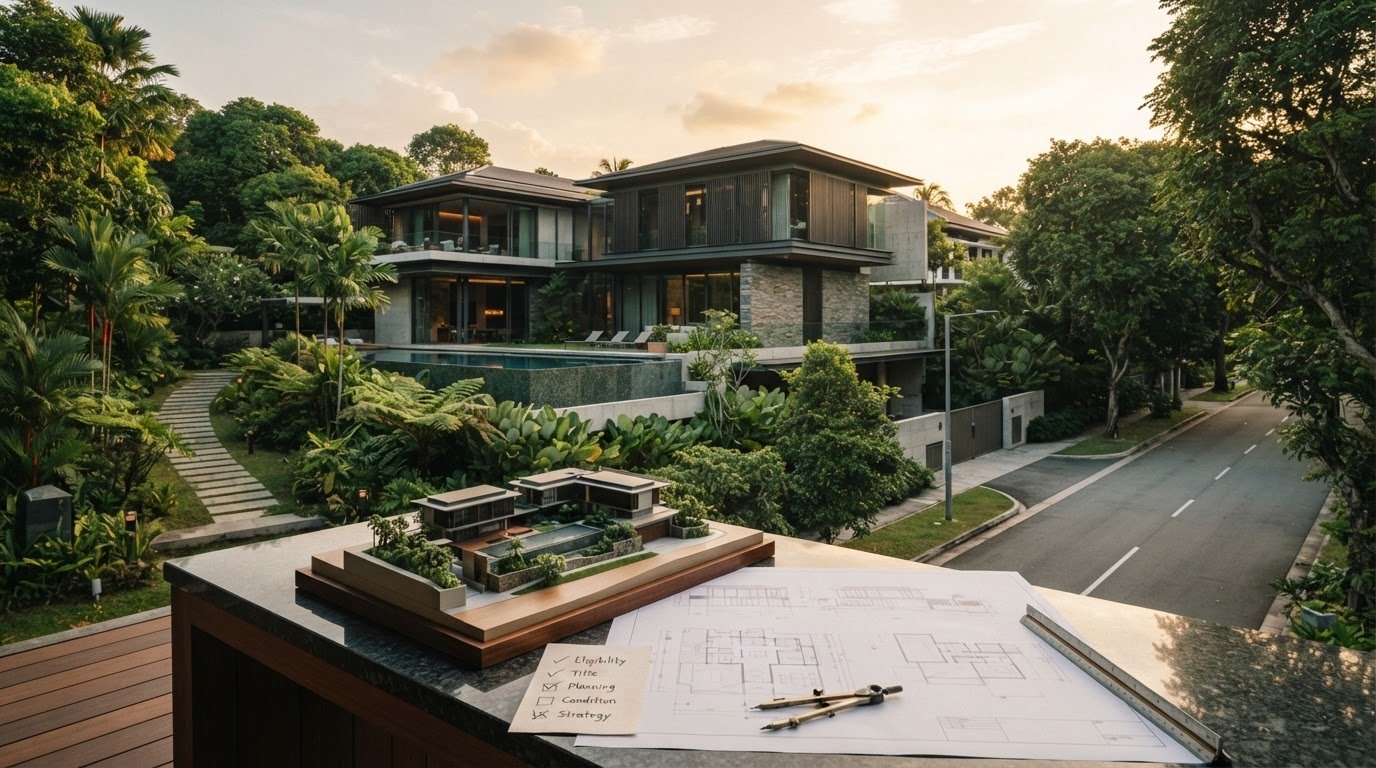
A confident purchase begins with fit, not first impressions. Assess whether the home’s land, layout and upkeep suit your household, then check eligibility, financing and ownership costs before committing. Compare properties consistently, and arrange appropriate title, planning and condition reviews so important questions are addressed before an offer becomes a commitment.
Buying a semi detached house in singapore involves decisions specific to each property and buyer. Vincent Lim, an OrangeTee & Tie Executive Associate Director, has been active in real estate since approximately 2004 and specialises in landed-property sales, including semi-detached houses. His experience can help bring structure to your property comparisons and negotiation preparation.
With a clear plan, you can move towards your next decision with greater assurance. Discuss your Singapore semi-detached property search with Vincent Lim.
Frequently Asked Questions
What is a semi-detached house in Singapore?
A semi-detached house is a landed home that shares one side wall with a neighbouring house, while its other sides are generally not attached to another home. This distinguishes it from a terrace house, which typically forms part of a row, and a detached house, which stands separately. Actual plot boundaries, layouts, access and planning controls vary, so assess each property using its own records and features.
Can foreigners buy a semi-detached house in Singapore?
Foreign buyers face restrictions when buying landed property on mainland Singapore and may require approval from the Singapore Land Authority’s Land Dealings Approval Unit. Requirements depend on the buyer and property, and foreign buyers may also face Additional Buyer’s Stamp Duty. Verify current requirements with the SLA and other relevant authorities before proceeding.
How much does it cost to buy a semi-detached house in Singapore?
Prices vary substantially with factors such as land, tenure, condition and location. Huttons reported an average price of S$7.0 million in Q1 2026 for freehold and 999-year leasehold semi-detached homes, but an average is not a valuation of a specific property. When buying a semi detached house in singapore, budget beyond the asking price for applicable stamp duties, financing, legal work, inspections, renovation and ongoing upkeep.
What should I inspect when viewing a semi-detached house?
Assess how the plot and interior work for your household. Check boundaries and access, outdoor areas, natural light, room layout, stairs, storage, privacy and the shared wall’s effect on everyday use. Look for visible signs of wear, staining or dampness, and note concerns about major services. A viewing can’t establish the full extent of defects, so arrange appropriate professional inspections before committing and record follow-up questions.
Is a semi-detached house better than a terrace house?
Neither is universally better. A semi-detached home shares a side wall with one neighbour, while a terrace house is typically connected to homes on both sides within a row. The right choice depends on the specific property and your priorities, including privacy, land configuration, layout, outdoor space and upkeep. Compare these features alongside purchase and renovation considerations, then decide which home best fits your household’s routines and longer-term plans.
What checks should I complete before making an offer on a semi-detached house?
Before making an offer, confirm your eligibility and financing readiness, then reconcile the property description, title information and boundaries with relevant records. Review condition findings, renovation assumptions and applicable planning constraints with appropriate professionals. Compare the asking price with relevant transactions while accounting for property-specific differences. Clarify the proposed terms, transaction steps and decision deadlines with your conveyancing professional, and keep written notes of questions, findings and agreed next actions.