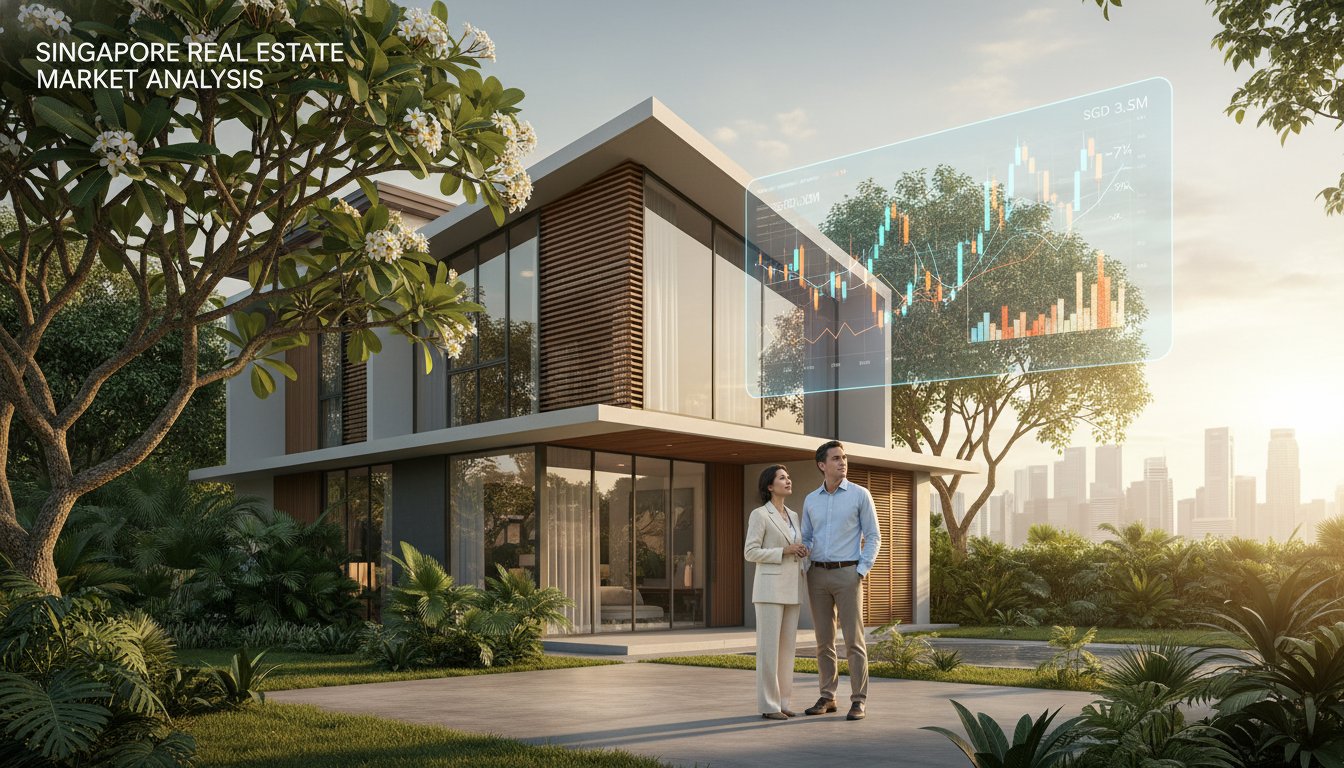
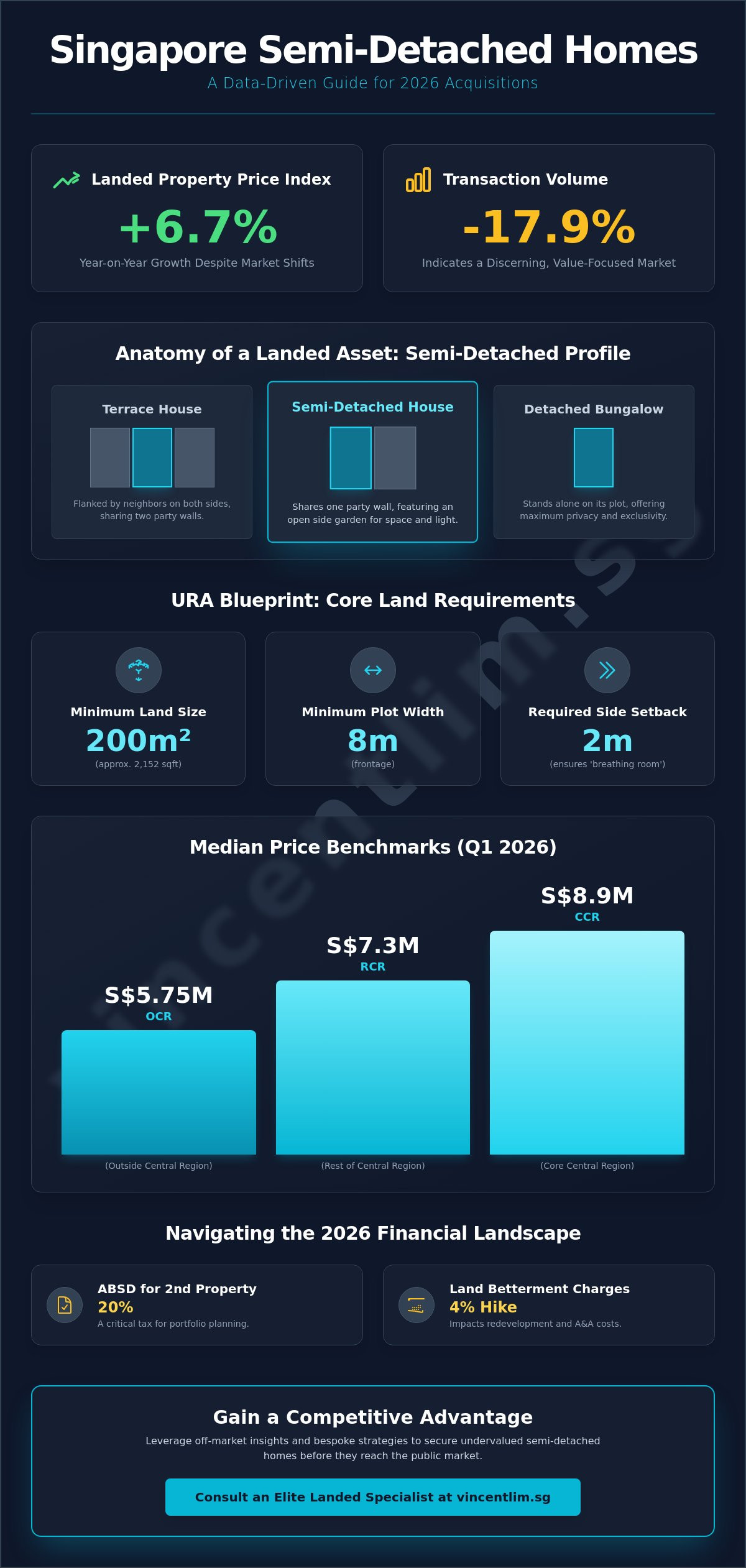
With the landed property price index climbing 6.7% year on year despite a 17.9% dip in transaction volume, many buyers find themselves paralyzed by opaque valuations. Understanding the average price of a semi-detached house in Singapore is no longer about looking at a single figure; it requires a precise analysis of district-specific medians and the evolving 2026 tax landscape. You likely feel the pressure of the 20% ABSD for second properties or the recent 4% hike in Land Betterment Charges, making every million-dollar move feel high-stakes.
This analysis provides a data-driven benchmark for your budgeting, moving beyond surface-level statistics to reveal how land tenure and plot width dictate true market value. You’ll gain a clear understanding of the land-to-built-up ratios and strategic asset progression moves that allow informed owners to secure long-term returns. We’ll examine why the median price for a semi-detached house in the Outside Central Region sits at S$5.75 million and how these figures should guide your next acquisition.
Key Takeaways
- Establish a data-driven financial baseline by analyzing the current average price of semi detached house in singapore across the Core Central Region and Outside Central Region.
- Identify the critical physical attributes, such as plot frontage and envelope control guidelines, that drive redevelopment potential and long-term asset appreciation.
- Evaluate the strategic benefits of the “Freehold Premium” to determine whether perpetual ownership or high-yield leasehold assets better align with your wealth preservation goals.
- Navigate complex 2026 regulatory requirements, including updated ABSD rates and Land Betterment Charges, to ensure a seamless and compliant acquisition process.
- Gain a competitive advantage by leveraging off-market insights and bespoke search strategies to secure undervalued semi-detached homes before they reach the public market.
Defining the Semi-Detached Asset Class in Singapore
A semi-detached house, commonly referred to as a “Semi-D,” represents a distinct tier within the private residential market. According to Urban Redevelopment Authority (URA) guidelines, these properties are defined as one of a pair of houses built side by side and separated by a shared party wall. This architectural configuration offers a significant upgrade in privacy and exclusivity compared to terrace houses. While terrace homes are flanked by neighbors on both sides, a semi-detached property enjoys an open side garden, creating a sense of space that mirrors a detached bungalow at a more accessible entry point. Understanding this distinction is vital when evaluating the Singapore’s Housing Landscape, where land scarcity remains the primary driver of value.
Semi-detached homes are a finite resource, making up a small fraction of the total housing stock. This rarity ensures they remain a coveted middle ground for families who’ve outgrown high-end condominiums but aren’t yet ready for the maintenance of a full bungalow. The shared party wall is the only structural connection to a neighbor; the other three sides remain open to the elements. This layout allows for better natural light and ventilation, which are critical factors that buyers prioritize when assessing the long-term liveability of their investment.
Technical Specifications and Land Requirements
To qualify as a semi-detached dwelling, the land plot must meet strict URA criteria. The land plot must have a minimum size of 200 square metres for a standard Semi-D. Additionally, the plot must maintain a minimum width of 8 metres. These dimensions aren’t just regulatory hurdles; they directly dictate the average price of semi detached house in singapore. A crucial factor is the required 2-metre side setback, which ensures a physical buffer from the boundary. This space limits the buildable area but enhances the property’s prestige. When investors analyze the price per square foot, they’re often paying for this unbuilt “breathing room” that characterizes the asset class.
Semi-Detached vs. Other Landed Typologies
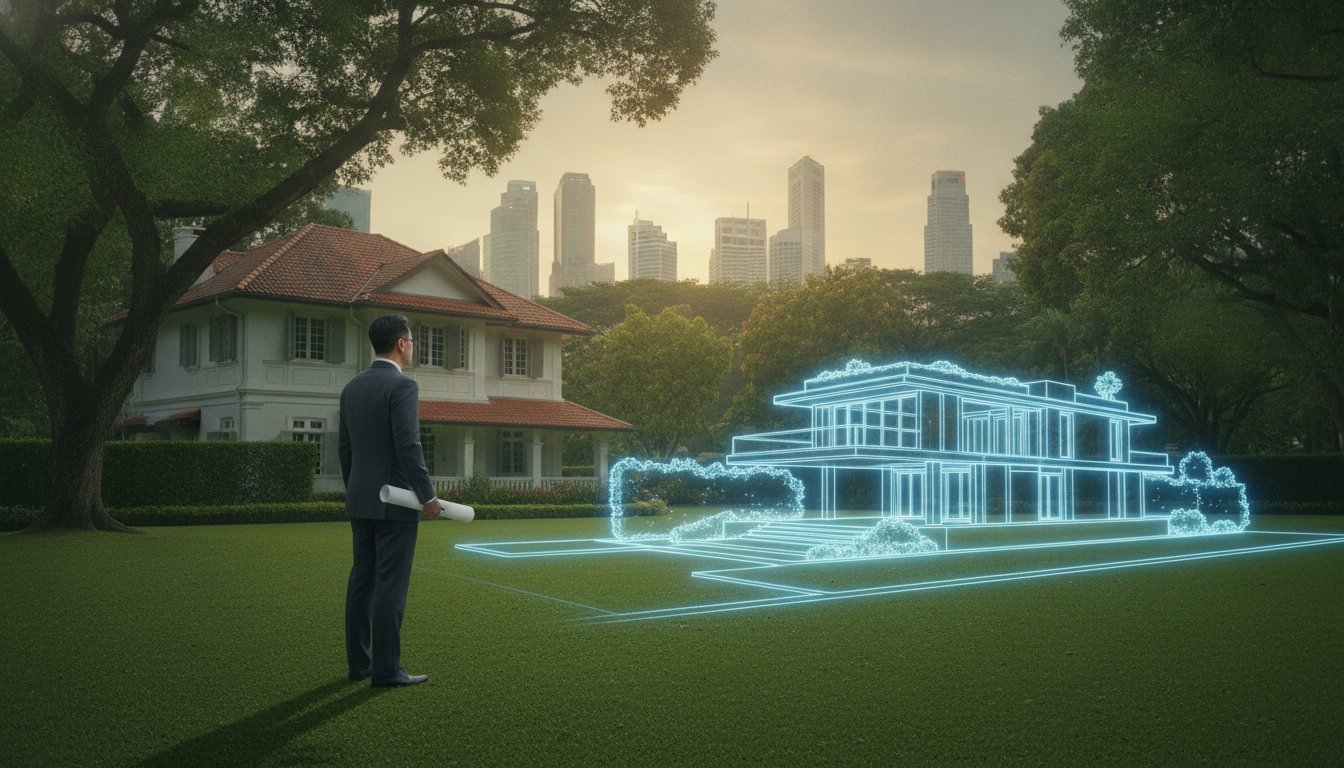
Semi-detached homes occupy a strategic position between corner terraces and detached houses. While corner terraces might share similar land sizes, Semi-Ds typically command a premium due to their superior redevelopment potential. Owners can often leverage “envelope control” guidelines to rebuild into 3.5-storey modern residences, a feat harder to achieve with the structural constraints of a terrace row. For those planning a long-term move, this flexibility is a key pillar of a Strategic guide to landed property acquisition in 2026. The rarity of these plots ensures they remain resilient against market volatility, providing a stable foundation for legacy planning. This structural independence often justifies the higher average price of semi detached house in singapore compared to neighboring terrace houses. For buyers considering the next step up the property ladder, understanding the distinctions between a Semi-D and a detached house for sale in Singapore is essential for long-term legacy planning. A thorough comparison of the semi detached vs detached house across URA setback requirements, plot size thresholds, and wealth-building potential can sharpen your decision-making before committing to either asset class.
Average Price Benchmarks: Freehold vs. Leasehold Semi-Ds
Analyzing the 2026 transaction landscape reveals that the average price of semi detached house in singapore remains highly sensitive to location and tenure. While the general market range spans from S$3 million to S$15 million, median price points tell a more nuanced story. In the Outside Central Region (OCR), the median price for a semi-detached house settled at S$5.75 million in the first quarter of 2026. This contrasts sharply with the Core Central Region (CCR), where the median reached S$8.9 million, and the Rest of Central Region (RCR) at S$7.3 million. These figures aren’t just numbers; they represent the entry costs for specific lifestyle and investment tiers.
Landed assets have demonstrated remarkable resilience. Even as transaction volumes slowed by 17.9% in Q1 2026, the landed property price index remained 6.7% higher than the previous year. This stability often outpaces luxury condominiums, which face higher volatility from international cooling measures like the 60% ABSD for foreigners. For those tracking Urban Redevelopment Authority data, it’s clear that the scarcity of land provides a floor for valuations that strata-titled properties simply cannot match.
The Impact of Tenure on Capital Appreciation
Leasehold semi-detached houses often attract yield-focused buyers looking for a more accessible price point in a prime district. However, freehold properties remain the gold standard for multi-generational wealth preservation. Buyers typically pay a “Freehold Premium” of 20% to 30% to secure perpetual ownership and avoid the eventual depreciation associated with lease decay. In 2026, the average price gap between leasehold and freehold semi-detached houses remains approximately 25% for properties of comparable land size and age. This gap reflects the market’s long-term confidence in land as a finite resource. For investors seeking to understand why this premium has widened to 43% at the detached house tier, our analysis of the strategic value of a freehold detached house in Singapore provides a compelling case for perpetual land ownership.
Price Trends by Land Size and Built-up Area
Valuing a semi-detached home requires a careful balance between land price and the potential cost of Additions & Alterations (A&A). A 3,000 sqft land plot often commands a higher price per square foot (PSF) than a 5,000 sqft plot because the total absolute price remains more palatable for a wider pool of buyers. Brand-new houses with modern “envelope control” designs fetch significant premiums over older, original-condition homes that require substantial renovation. If you’re looking to identify specific opportunities in this segment, exploring our current Semi-Detached House Sales listings can provide a clearer picture of current market asking prices.
Critical Factors Influencing Semi-Detached Valuations
While the average price of semi detached house in singapore provides a necessary macro benchmark, it often fails to account for the granular details that drive multi-million dollar premiums. Experienced investors recognize that land size is only a single component of the valuation matrix. Plot frontage, for instance, is a critical driver of desirability. While the regulatory minimum is 8 metres, a 10-metre frontage allows for a triple-car porch and a more expansive architectural facade. This additional width transforms the property’s street presence and functional layout, often commanding a price premium that far exceeds the proportional increase in land area.
Redevelopment potential remains the primary focus for those seeking long-term capital growth. Under current envelope control guidelines, owners can transform original single or double-storey structures into modern 3.5-storey residences. This inherent flexibility is reflected in the URA Private Property Price Index, where properties with high rebuild potential consistently outperform the broader market. Proximity to elite primary schools and MRT connectivity also anchors valuations. For many families, being within the 1km radius of a prestigious institution is a non-negotiable requirement that sustains demand through various market cycles.
The Value of Modern Amenities
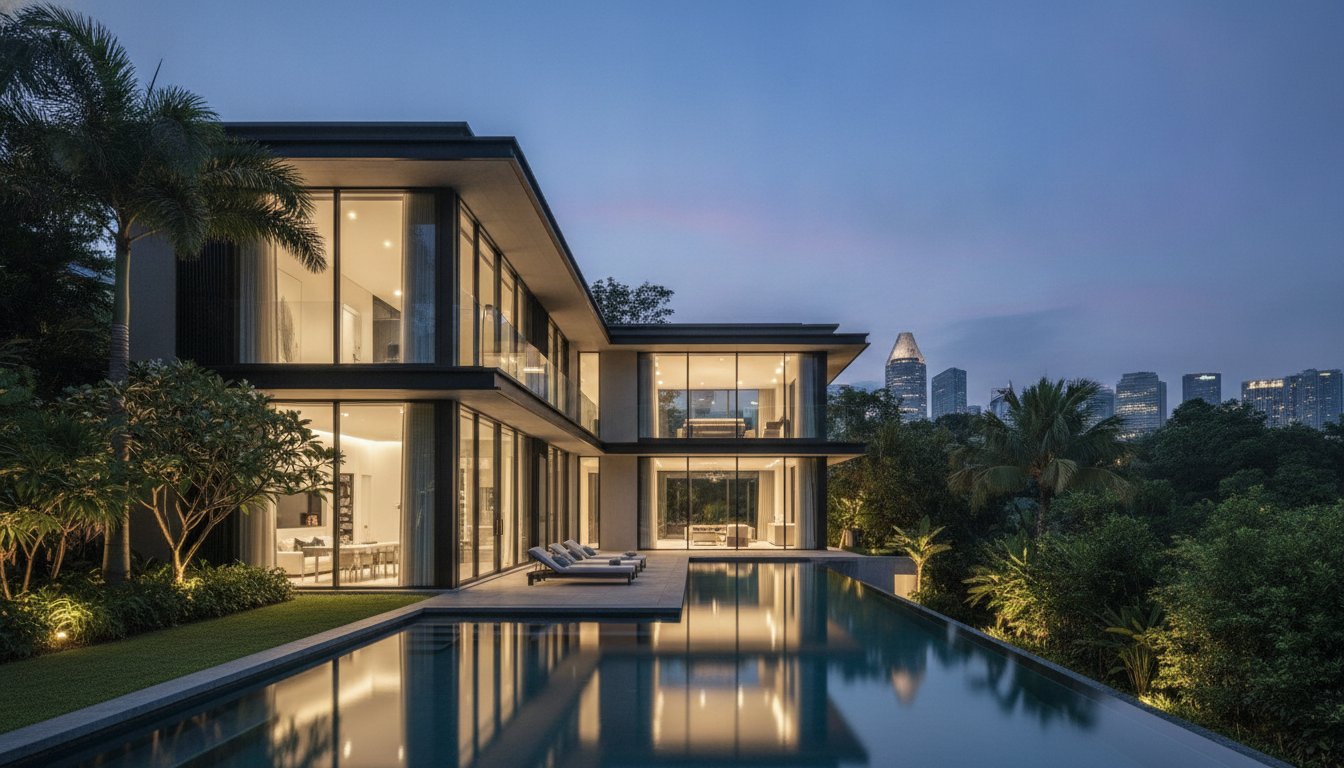
High-net-worth buyers in 2026 expect a level of sophistication that goes beyond a prestigious address. Internal glass lifts and private lap pools are no longer considered luxuries; they’re standard requirements for top-tier resale properties. If you’re specifically searching for homes with these features, our Guide to semi-detached houses with pools in Singapore offers a curated look at available options. Additionally, smart home integration for security and energy management has become a baseline expectation, adding a layer of technical value to the asset’s overall worth.
Architectural Merit and Condition
The market shows a distinct price divergence between “Original Condition” land plays and “Designer Renovated” homes. Construction costs have remained elevated in 2026, and with the Land Betterment Charge increasing by an average of 4% between March and August 2026, many buyers prefer move-in ready assets. Paying a premium for a finished home often makes more financial sense than managing a 24-month rebuild. Identifying a property with “good bones” allows for strategic asset progression. It offers the opportunity to enhance value through cosmetic refinements rather than a total reconstruction, which preserves your capital while significantly improving the average price of semi detached house in singapore within your specific neighborhood.
Navigating the Financial Commitment in 2026
Entering the landed market in 2026 requires more than just capital; it demands a sophisticated understanding of the regulatory environment. While the average price of semi detached house in singapore serves as a benchmark, the actual cash outlay is significantly influenced by your residency status and existing property portfolio. Securing a bank loan for these assets depends heavily on a professional valuation, which may differ from the asking price. Banks typically grant a Loan-to-Value (LTV) limit of up to 75% for a first housing loan, but this is strictly based on the lower of the purchase price or the bank’s valuation.
Owning a landed home involves ongoing financial commitments beyond the mortgage. You must account for the upkeep of private gardens and swimming pools, alongside structural maintenance that condominiums usually cover through monthly fees. Property taxes also follow a progressive scale; for 2026, owner-occupier rates range from 0% to 32%, though a one-off 10% rebate, capped at S$500, provides some relief for private property owners. These costs ensure the property maintains the high standards required to preserve the average price of semi detached house in singapore in the resale market.
Stamp Duties and Acquisition Costs
Buyer’s Stamp Duty (BSD) for luxury properties exceeding S$5 million is a substantial upfront cost. For Singapore Citizens purchasing a second residential property in May 2026, the Additional Buyer’s Stamp Duty (ABSD) stands at 20%, while Permanent Residents face a 30% rate for their second acquisition. Strategic planning can help manage these burdens, though these require meticulous legal execution. You should also budget for professional valuation reports and legal fees, which typically range from a few thousand to over S$10,000 depending on the transaction complexity. Buyers who have fully assessed these costs and are ready to upgrade may also wish to review the strategic acquisition framework for a detached house for sale in Singapore to understand the next tier of landed ownership.
Asset Progression Strategy
Many owners choose to exit luxury condominiums when their capital gains can sufficiently cover the 25% downpayment for a semi-detached home. This move often yields better long-term ROI, as the land component of a Semi-D provides a more resilient value floor than strata-titled units. As of May 2026, the Total Debt Servicing Ratio (TDSR) remains a critical gateway for high-net-worth borrowers, requiring that total monthly debt repayments do not exceed 55% of gross monthly income. If you are ready to evaluate your current portfolio’s readiness for such a move, exploring our latest Semi-Detached House Sales can provide the necessary market context. Those with a longer investment horizon may also benefit from understanding how a freehold detached house in Singapore serves as the definitive vehicle for multi-generational wealth preservation at the apex of the landed property ladder.
Strategic Acquisition with an Elite Landed Specialist
Navigating the nuances of the landed market requires more than just access to a property portal. While understanding the average price of semi detached house in singapore provides a necessary foundation, the most lucrative opportunities often remain hidden from public view. Off-market listings represent a significant portion of the premium segment; these are properties where sellers value privacy and exclusivity over mass-market exposure. Accessing this “quiet market” requires a partner with deep-rooted connections and a reputation for handling high-stakes transactions with total discretion.
Vincent Lim leverages the extensive OrangeTee & Tie network to provide clients with exclusive access to these rare opportunities. A bespoke search strategy is not just about finding a house; it’s about identifying an asset that aligns with your specific legacy goals. Whether you’re seeking a plot with maximum redevelopment potential or a move-in ready designer home, the search must be intentional. A veteran negotiator acts as your strategic advocate, ensuring that you don’t overpay despite a rising average price of semi detached house in singapore in the broader market. This level of representation is essential when managing the complexities of 2026’s cooling measures and technical land requirements.
The Vincent Lim Advantage
With over 20 years of experience in Singapore’s luxury landed market, Vincent Lim offers a level of seasoned authority that few can match. His approach is rooted in data-driven property wealth planning, moving beyond simple transactions to focus on long-term asset progression. By analyzing historical price resilience and future development master plans, he helps clients refine their portfolios with precision. This “white-glove” service prioritizes transparency and integrity, ensuring you feel confident and secure at every stage of the acquisition process. It’s a disciplined approach that translates complex market data into clear, actionable results.
Final Steps to Your Dream Home
Securing a semi-detached home is a significant milestone in any asset progression journey. To begin, you should schedule a private consultation to review current market opportunities and evaluate how they fit within your financial framework. Preparing your portfolio for a seamless acquisition involves more than just liquidating assets; it requires a calculated look at LTV limits and TDSR requirements. Once your foundation is set, you can move forward with the poise and assurance of an elite investor. If you’re ready to explore the market with a trusted guide, you should consult with Vincent Lim for a bespoke landed property analysis today.
Mastering Your Landed Asset Progression
Successfully navigating the 2026 property market requires a focus on precision over broad estimates. You’ve seen how the average price of semi detached house in singapore is shaped by more than just square footage; tenure, plot frontage, and the latest regulatory shifts like the Land Betterment Charge all play pivotal roles. While a median price of S$5.75 million in the OCR provides a starting point, true value is found in properties with high redevelopment potential and long-term capital resilience.
Strategic acquisition isn’t a solitary journey. As an Executive Associate Director at OrangeTee & Tie with over two decades of industry expertise, Vincent Lim specializes in Good Class Bungalows and luxury landed assets. He provides the data-driven clarity and off-market access necessary to secure a legacy home with confidence. It’s time to move beyond the search and start your progression toward a high-performing landed portfolio.
Secure your future with a strategic landed property acquisition-Contact Vincent Lim today
Your next strategic move begins with a single, informed decision.
Frequently Asked Questions
What is the minimum land size for a semi-detached house in Singapore?
The minimum land size for a semi-detached house is 200 square metres according to Urban Redevelopment Authority (URA) guidelines. Each plot must also maintain a minimum width of 8 metres. These specifications ensure enough space for the mandatory 2-metre side setback, which provides the characteristic separation from the neighboring boundary. Understanding these technical requirements is essential when evaluating the average price of semi detached house in singapore, as plot dimensions directly influence buildable area.
Can a Permanent Resident (PR) buy a semi-detached house in Singapore?
Singapore Permanent Residents can purchase semi-detached houses provided they obtain prior approval from the Land Dealings Approval Unit (LDAU). Under the Residential Property Act, landed homes are classified as restricted properties. The government typically grants approval based on the applicant’s economic contribution to Singapore and a minimum residency period, usually five years. PRs should also factor in the 5% ABSD for their first residential purchase as of May 2026.
How much is the average ABSD for a semi-detached house in 2026?
As of May 2026, the Additional Buyer’s Stamp Duty (ABSD) varies significantly based on your profile. Singapore Citizens pay 20% for their second property and 30% for any subsequent purchases. Permanent Residents face a 5% rate for their first home, which escalates to 30% for a second and 35% for a third. Foreigners are subject to a 60% rate on any residential acquisition. These figures represent a substantial portion of the total investment beyond the average price of semi detached house in singapore.
Is it better to buy an old semi-detached house for redevelopment?
Purchasing an older property for redevelopment is a strategic choice for buyers seeking to maximize land value through modern “envelope control” designs. Rebuilding allows you to create a 3.5-storey home tailored to your lifestyle, which often results in higher capital appreciation. However, you must account for the 4% increase in Land Betterment Charges implemented in early 2026. For many, the long-term gains of a brand-new structure outweigh the temporary complexities of a major construction project.
How much does it cost to build a new semi-detached house in 2026?
Construction costs in 2026 remain influenced by elevated material prices and labor requirements. While specific costs depend on your choice of finishes and architectural complexity, you must also budget for professional fees and the Land Betterment Charge. The LBC rates for landed residential properties saw an average increase of 4% for the period between March and August 2026. It’s advisable to engage a specialist to conduct a feasibility study before committing to a full redevelopment plan.
What is the difference between a semi-detached house and a corner terrace?
A semi-detached house is one of a pair sharing a common party wall, whereas a corner terrace is the end unit in a row of at least three houses. Semi-detached plots require a minimum width of 8 metres, while corner terraces can sometimes be narrower. Because Semi-Ds offer more consistent privacy and often larger land plots, they typically command a higher premium. This structural difference is a primary reason why Semi-Ds sit in a higher valuation tier than most terrace homes.
Are semi-detached houses always freehold?
Semi-detached houses are available in freehold, 999-year leasehold, and 99-year leasehold tenures. Freehold properties are the most sought after for legacy planning as they offer perpetual ownership and better long-term value retention. Leasehold properties, while subject to age-related depreciation, often provide a more accessible entry price in prime central districts. Your choice should align with whether your goal is immediate rental yield or multi-generational wealth preservation.
Which districts have the highest density of semi-detached houses?
Districts 10, 11, 15, and 19 contain the most prominent enclaves of semi-detached housing. Areas like Bukit Timah and Serangoon Garden are particularly dense with these assets due to their historical zoning as landed estates. District 15, covering Katong and Meyer Road, is also a major hub for the asset class. These established neighborhoods maintain high demand because of their proximity to elite schools, which helps stabilize the average price of semi detached house in singapore even during market shifts. Buyers weighing their options at this stage may also find value in a detailed semi detached vs detached house comparison to determine which landed typology best aligns with their long-term wealth and lifestyle objectives.