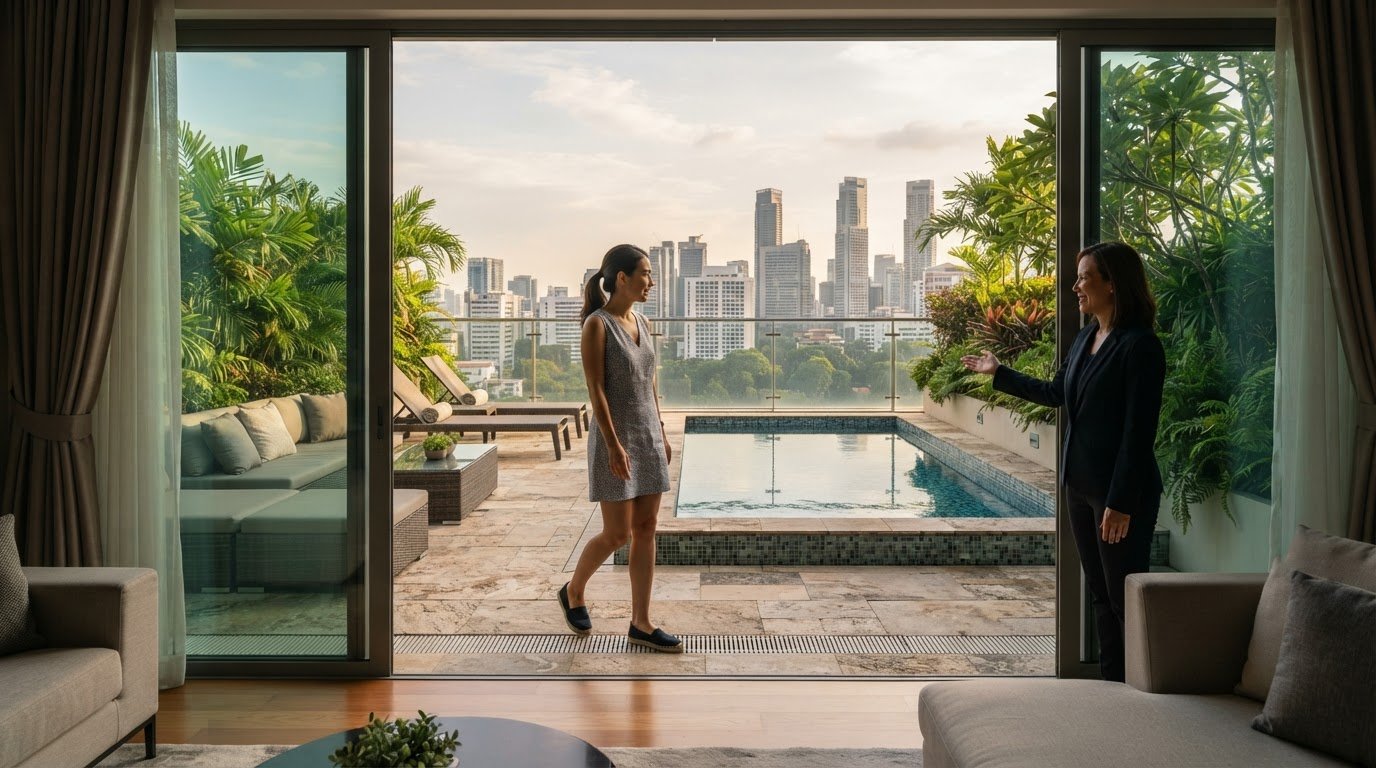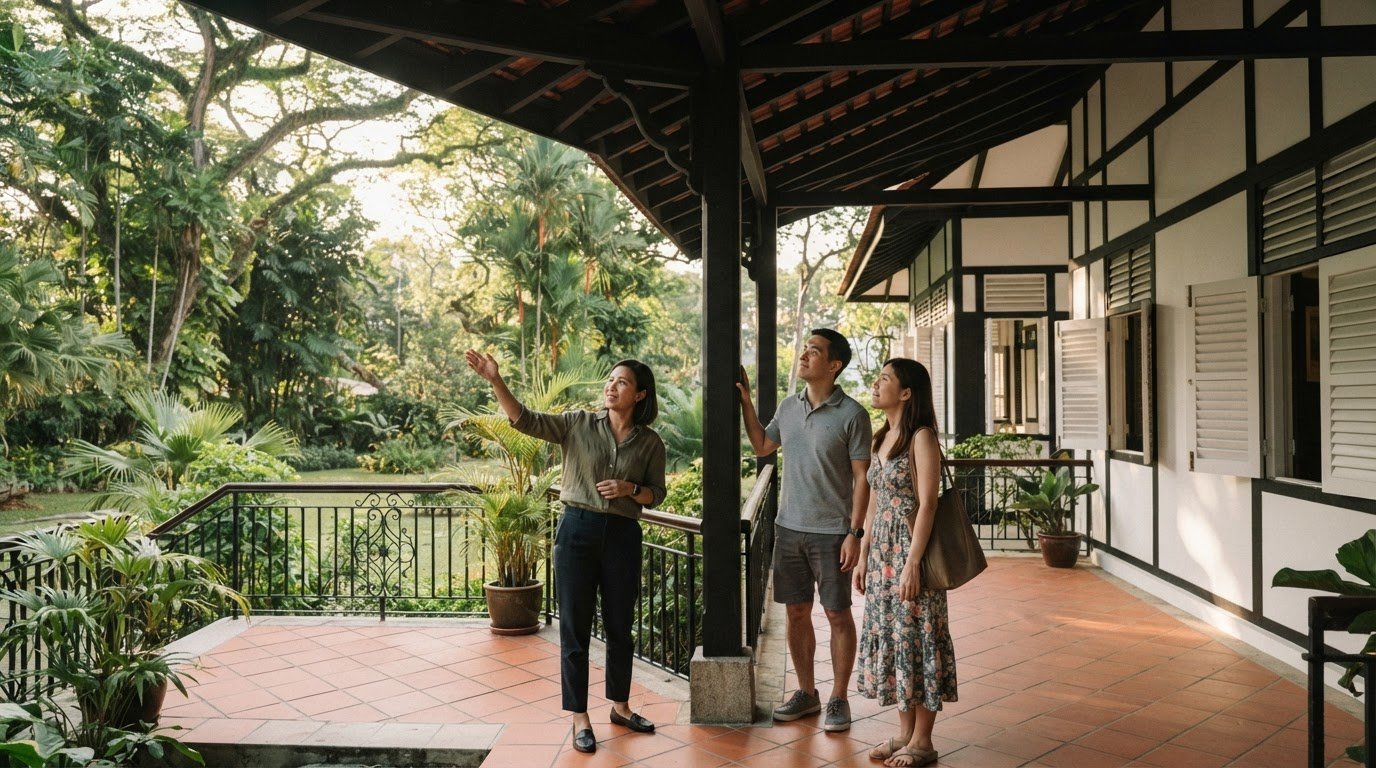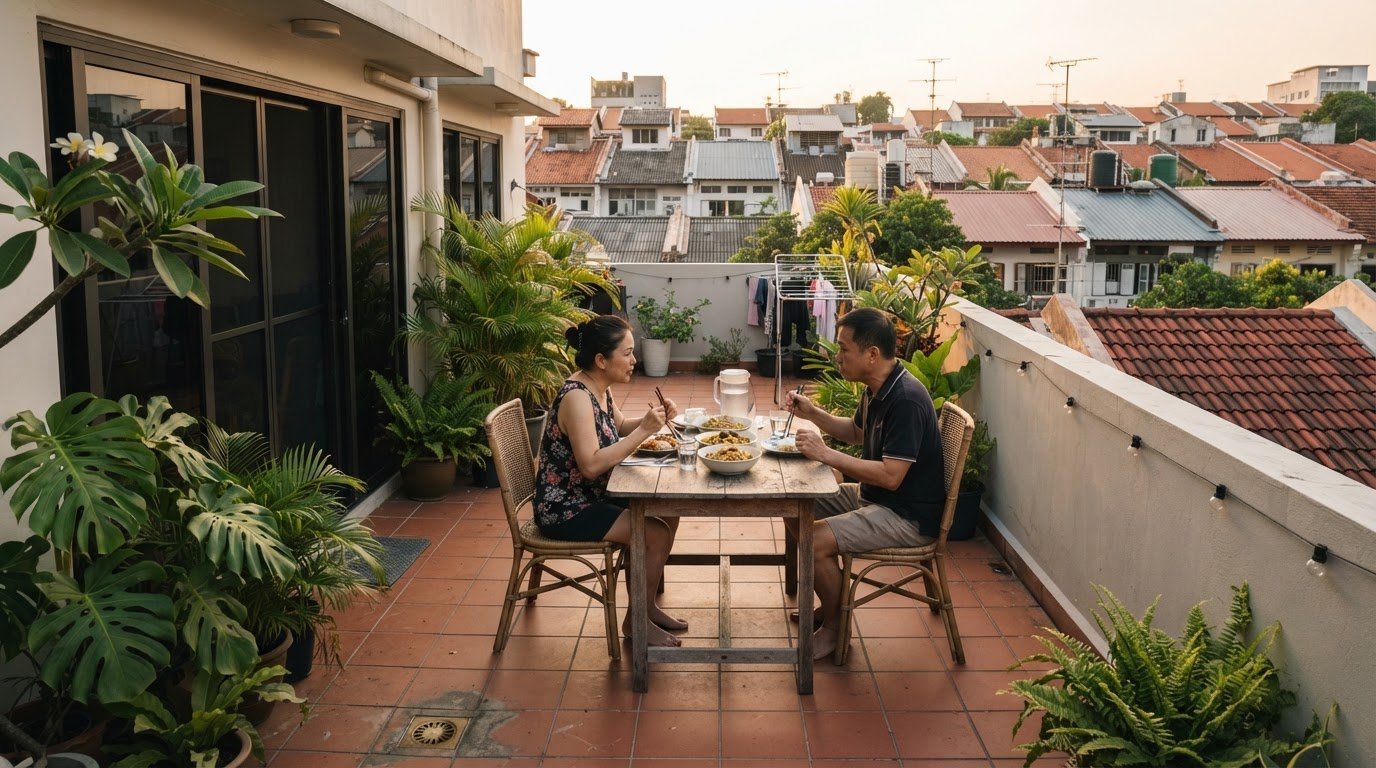
A roof terrace is an appealing feature, but it does not define a terrace house. In Singapore, a terrace-house row must contain at least three homes joined together, each sharing party walls with its neighbours. The homes can be one to three storeys tall. If you are considering a terrace house with roof terrace for sale, assess the layout and setting alongside the outdoor space.
Bedrooms and bathrooms should suit your household, while transport links and nearby amenities affect everyday convenience. Inside, assess how the floors connect, where daylight enters and whether air circulates comfortably. Look closely at the roof terrace too: consider how it connects to the living areas and how you plan to use it.
This guide explains what to look for, from the defining features of a terrace house to bedroom and bathroom counts, transport access, amenities, layout, daylight and ventilation. You’ll have a clearer framework for assessing whether a particular home fits your priorities.
Key Takeaways
- Compare asking prices by neighbourhood and property characteristics to understand how terrace-house options differ across Singapore.
- Assess bedroom and bathroom counts alongside the household’s routines, privacy needs and plans for the space.
- Consider how MRT access and nearby amenities fit your regular journeys and daily priorities.
- During a viewing, trace how each floor connects and look for signs that daylight and ventilation reach the interior.
What is a Terrace House?
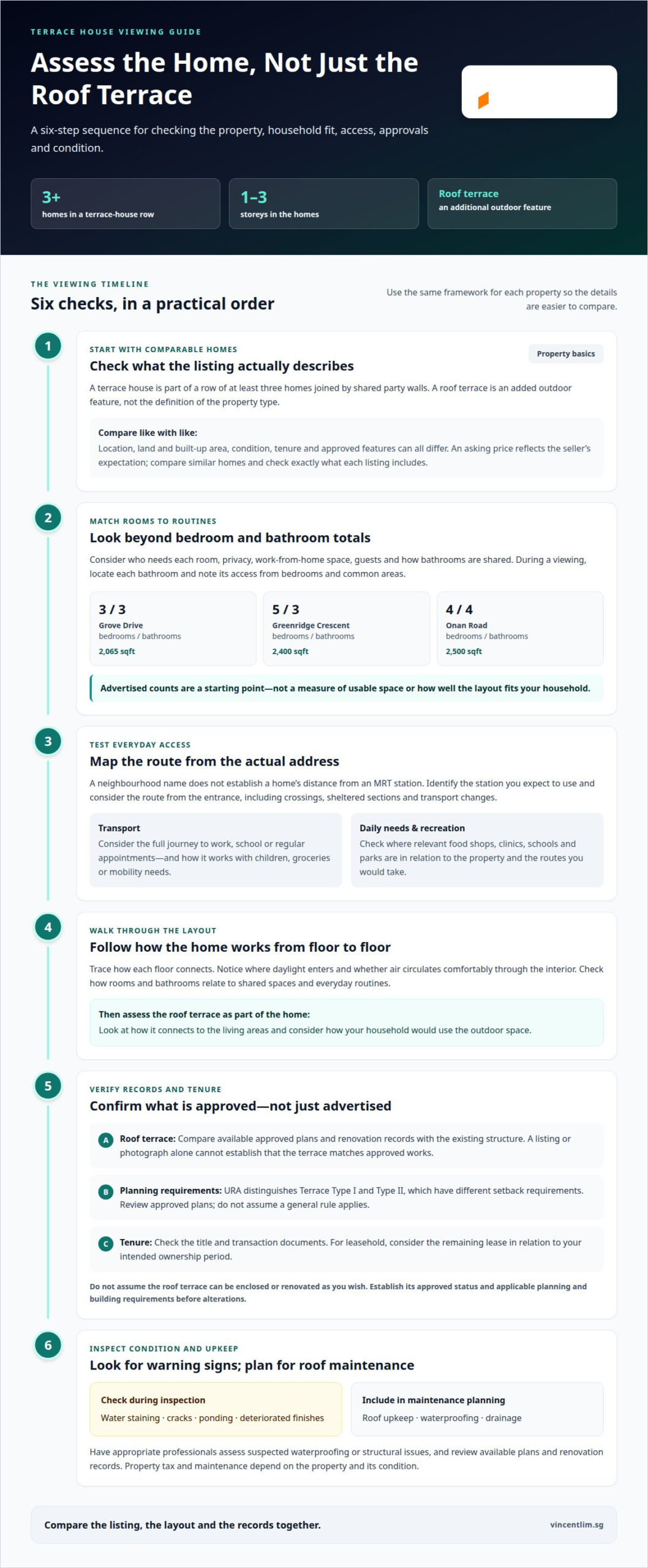
In Singapore, terrace houses form a row of homes joined by shared party walls. A row must contain at least three units, and homes can range from one to three storeys. A roof terrace is an additional outdoor feature, not what defines the property type. When assessing a terrace house with roof terrace for sale, consider the home, tenure and outdoor space together.
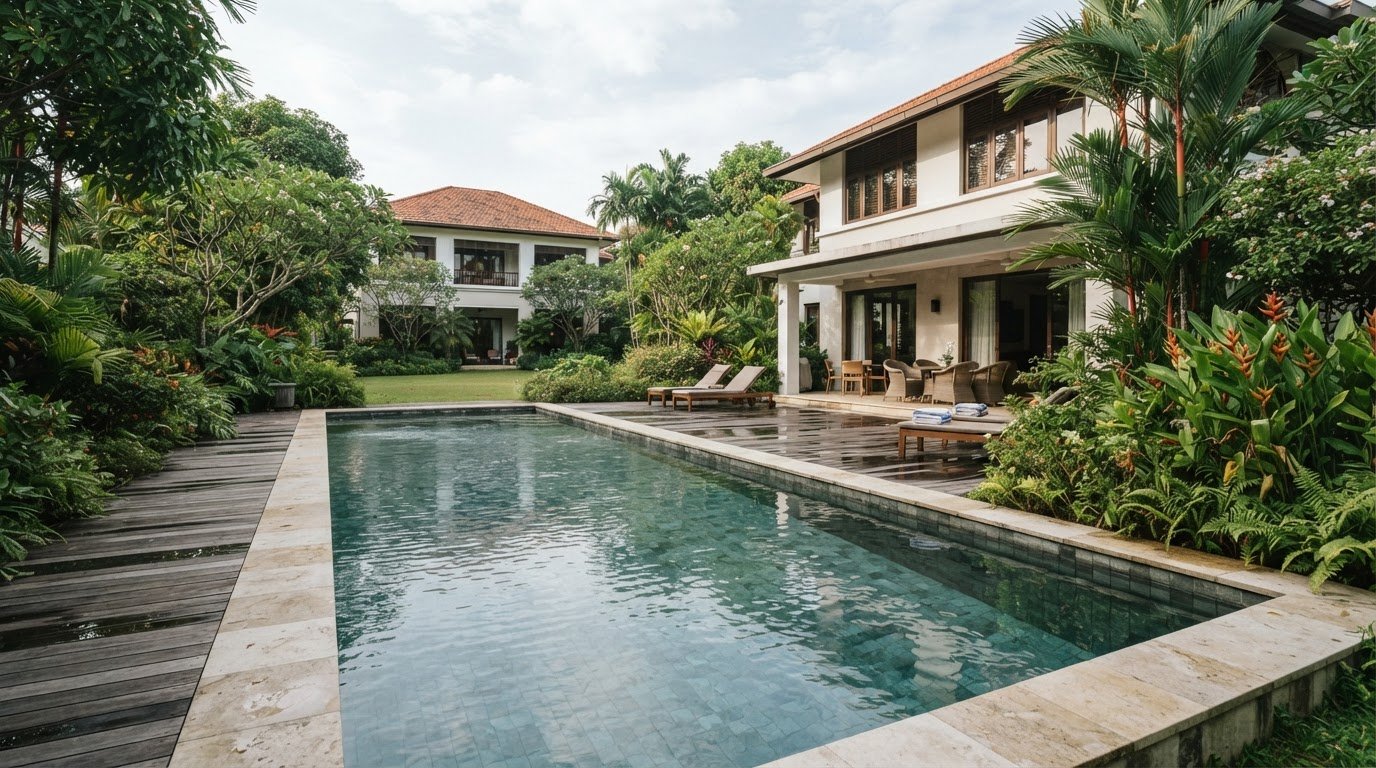
Listings span locations such as Serangoon Gardens, Sembawang Hills Estate, Opera Estate, Siglap and Sentosa Cove. Asking prices vary according to location, land and built-up area, condition, tenure and approved features. An asking price reflects the seller’s expectation, not comparable value on its own. Compare homes with similar locations and characteristics, and check exactly what each listing describes.
Terrace-house prices vary for reasons beyond the district name. A home’s position in the row, layout, condition and usable outdoor areas can all affect how buyers assess it. For example, an Ocean Drive listing in Sentosa Cove describes an expansive rooftop terrace. Compare its features with those of other homes rather than assuming the description indicates equivalent value.
Freehold and leasehold refer to different tenure arrangements. Check the title and transaction documents to establish the tenure. For a leasehold property, consider the remaining lease in relation to your intended ownership period.
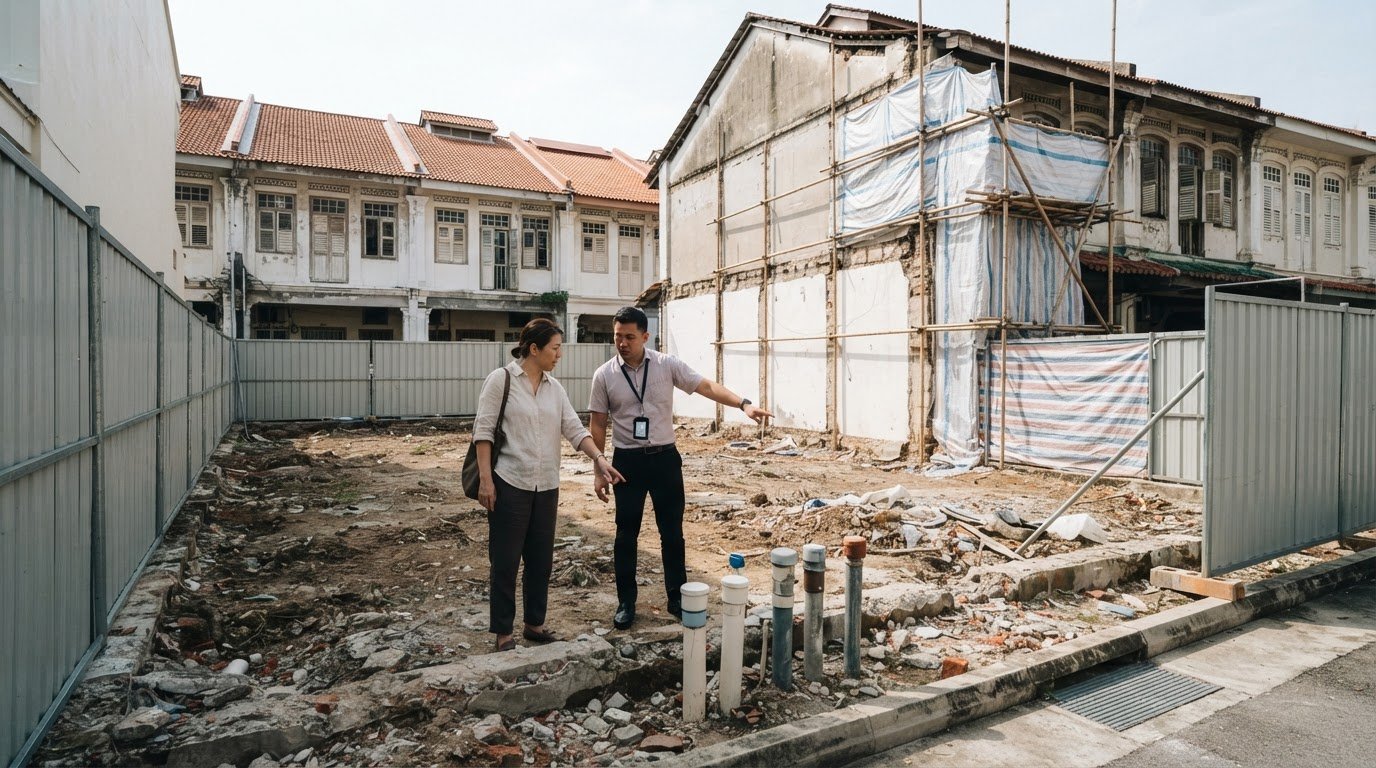
To assess whether a roof terrace is approved, compare available approved plans and renovation records with the existing structure. An advertisement or photograph alone cannot establish whether the terrace matches approved works.
URA distinguishes Terrace Type I and Type II, which have different setback requirements. These categories concern the form of the terrace house. Review the property’s approved plans to understand how its roof terrace is treated rather than assuming a general rule applies.
Do not assume a roof terrace can be enclosed or renovated as you wish. Establish its approved status and the applicable planning and building requirements before making alterations.
Property tax and maintenance depend on the property and its condition. Assess tax using the applicable property assessment, and include roof upkeep, waterproofing and drainage in your maintenance planning.
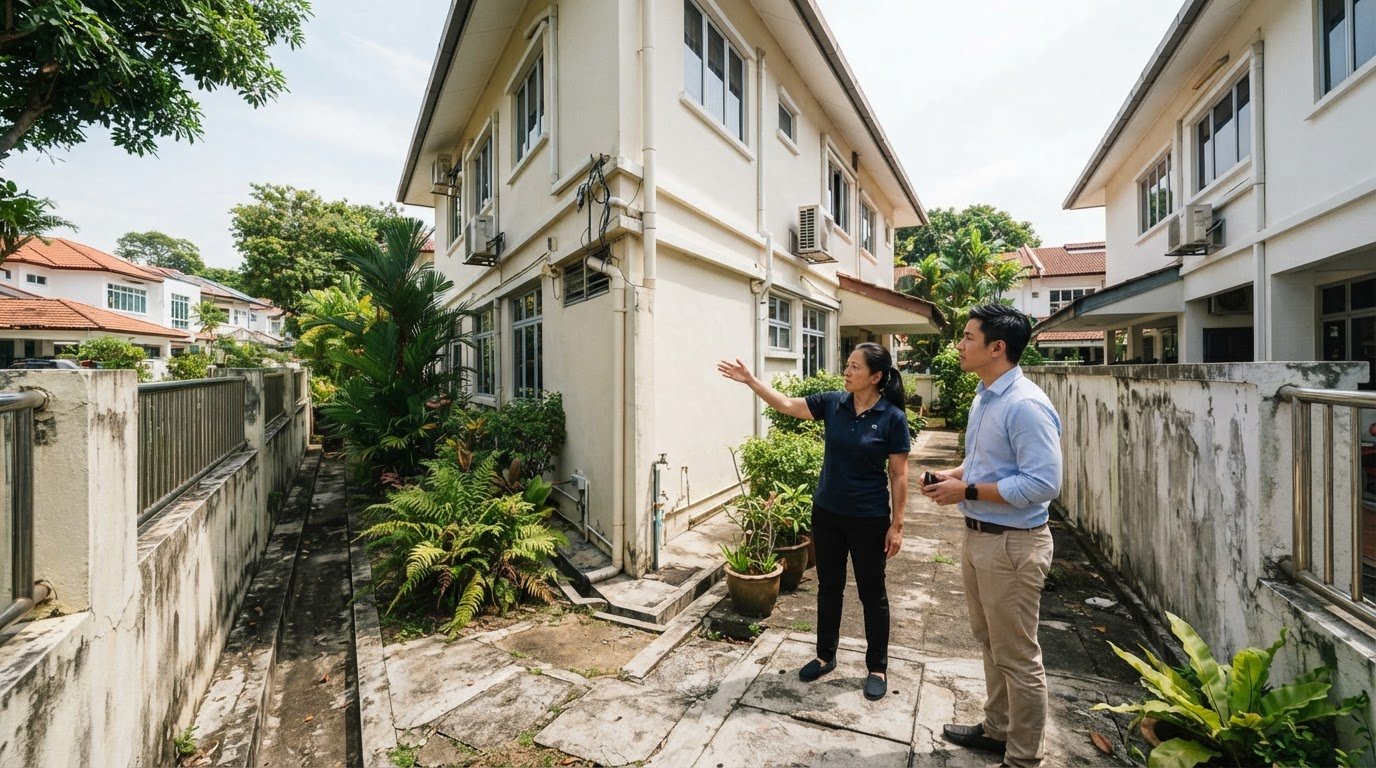
During an inspection, look for water staining, cracks, ponding and deteriorated finishes. Have appropriate professionals assess suspected waterproofing or structural issues, and review available plans and renovation records.
Bedroom and bathroom counts
Bedroom and bathroom counts help narrow a Singapore property search, but they need context. A listing with four bedrooms and four bathrooms may suit a household seeking greater privacy, while another four-bedroom home with three bathrooms may organise shared facilities differently. Treat the advertised count as a starting point, then consider how the rooms and bathrooms are arranged throughout the home.
Current examples show the range. A terrace house on Grove Drive is listed with three bedrooms, three bathrooms and 2,065 sqft. Greenridge Crescent has a listing with five bedrooms, three bathrooms and 2,400 sqft. Onan Road offers an example with four bedrooms, four bathrooms and 2,500 sqft. These figures illustrate why bedroom count alone cannot indicate how much usable space each household member will have.
Think about who will use each room. A household with children may prioritise separate bedrooms, while someone working from home may need a room for a desk. If guests stay regularly, consider whether a spare bedroom can serve both purposes without disrupting daily routines. The advertised Huddington Avenue home in Serangoon Gardens has four ensuite bedrooms and one helper room, illustrating how listings may describe rooms by both function and count.
Review the bathrooms in practical terms too. A five-bedroom, three-bathroom property, such as the Greenridge Crescent listing, will suit routines differently from a four-bedroom, four-bathroom home on Onan Road. Consider which bedrooms have nearby bathrooms, whether facilities are shared and how the arrangement works during busy mornings. At a viewing, locate each bathroom and note its access from bedrooms and common areas.
For a coastal example, the Ocean Drive terrace listing in Sentosa Cove is described as having four bedrooms and six bathrooms. Cove Drive’s seaside house listing has five bedrooms and seven bathrooms. Compare these advertised counts with the layout, room sizes and your household’s needs. A room-by-room assessment helps distinguish useful capacity from a headline figure.
MRT access and nearby amenities
When assessing a terrace house in Singapore, check transport from the property’s actual address, not just its neighbourhood name. Serangoon Garden Estate and Sembawang Hills Estate are useful location labels, but they do not establish a home’s distance from an MRT station. Identify the station you expect to use, then consider the full route from the entrance, including crossings, sheltered sections and any changes in transport.
Use the same method to compare listings. Map the route from each property to the likely station, and consider how you would travel with children, groceries or mobility needs. Then assess the onward journey to work, school or regular appointments. A short route to one station may be less useful than a straightforward connection to your regular destinations, so weigh access against your travel habits.
Review nearby amenities in the same address-specific way. For a home in Opera Estate, identify the everyday facilities you would use, such as food shops, clinics, schools and parks. Check where they are in relation to the house and the routes you would take. A garden or nearby green space may support outdoor routines, but its usefulness depends on whether it works for your household.
For each viewing, sort your observations into three categories: transport, daily essentials and recreation. Record the relevant MRT station and route, then note nearby facilities that matter to your household. This makes comparisons between a Sentosa Cove listing and one in Serangoon Gardens more precise, without assuming either location offers the same convenience for every buyer.
Consider how the location complements the property itself. A roof terrace may provide useful outdoor space, while nearby parks or shops serve different purposes. A buyer who prioritises a garden and quiet surroundings may weigh these differently from someone who relies on frequent MRT journeys. Match the address to your routines before letting one amenity dominate the decision.
Viewing layout, daylight and ventilation
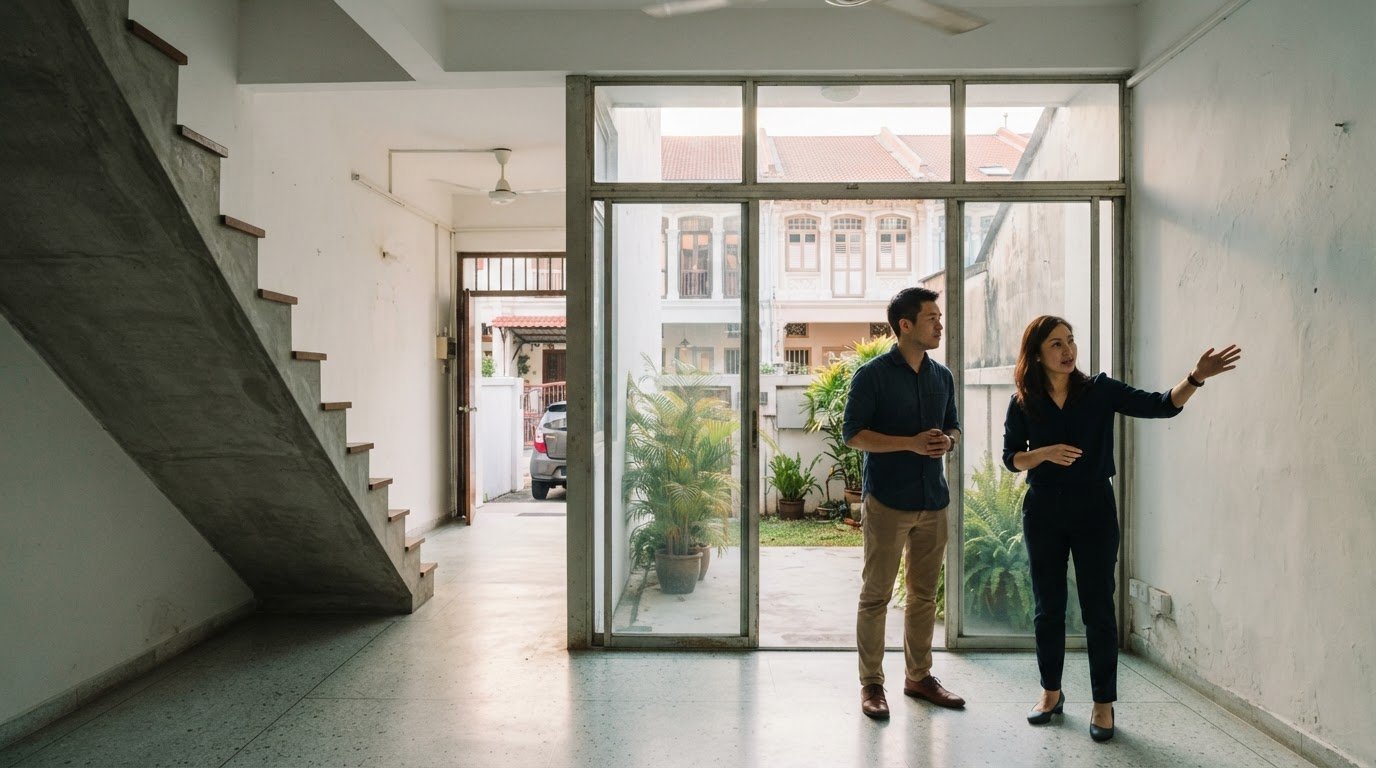
Assess the home as a connected sequence, not a collection of rooms. In an intermediate terrace house, walk its full depth and inspect every floor. Note the staircase position, how easily you move between shared living areas and whether bedrooms feel separate from busy spaces. A central staircase divides the layout differently from one near the rear, so picture how your household would move through the home each day.
Daylight can vary across a terrace house. Notice which rooms receive natural light and whether the interior becomes darker away from the front and rear. Some Singapore terrace houses use an air well or inner courtyard to address darkness and poor ventilation. During a viewing, see how these spaces relate to nearby rooms and whether daylight reaches beyond the courtyard itself.
Check ventilation in several parts of the home. Open windows where possible and notice whether air moves through the living areas, bedrooms and kitchen. A bright front room does not mean the deeper parts of the home are also light and ventilated. Compare conditions on each floor, including in rooms beside an air well or inner courtyard.
Next, assess how the roof terrace fits the layout. Check the route from the main living space, the stair access and how the outdoor area connects to the upper floor. Consider whether the arrangement suits your intended use without disrupting bedroom privacy or everyday circulation. Note how the terrace’s position affects light and airflow in adjacent rooms.
Keep a simple viewing record for each property: floor-by-floor layout, stair placement, daylight, airflow and access to the roof terrace. Available plans and renovation records can clarify the layout, while signs of past alterations merit appropriate professional assessment. If you’re weighing how a terrace house’s layout fits your priorities, discuss your terrace-house requirements.
As you walk from the front through the full depth of the home, compare each floor rather than relying on your first impression. Track stair placement and connections between shared living areas, while checking daylight and ventilation along the way.
Vincent Lim (OrangeTee & Tie): Terrace House Sales
Vincent Lim (OrangeTee & Tie) offers Terrace House Sales for buyers assessing landed homes in Singapore. After weighing a property’s layout, location, bedroom and bathroom arrangement, and roof terrace, you can turn to him to discuss how those priorities shape your search. This is particularly useful when you are comparing terrace houses or considering whether another landed-home type better suits your requirements. His other relevant offerings include Semi-Detached House Sales and Detached house sales.
Share the features that matter most to your household, such as outdoor space, room configuration or access to daily amenities. Vincent Lim can help you consider these priorities in the context of a landed-property purchase. To discuss your requirements, contact Vincent Lim (OrangeTee & Tie).
Take the Next Step with a Clear Brief
Before your next viewing, decide which compromises you can accept and which would change your decision. A terrace house with roof terrace for sale may meet your space requirements but call for a different daily routine, or offer the right setting while requiring careful thought about future plans. Write down your priorities in order and use them to assess each property consistently. This gives you a clearer basis for comparing options and focusing on homes suited to your intended use.
If you’re ready to discuss your search, contact Vincent Lim (OrangeTee & Tie) to take the next step with a considered brief. A well-defined set of priorities can make your property search more focused and purposeful.
Frequently Asked Questions
What are the current prices of Singapore terrace houses with roof terraces?
This is an individual asking price, not a market-wide average. When assessing a terrace house with a roof terrace for sale, compare the asking price with the property’s location, tenure, land and built-up areas, condition and approved features.
Where in Singapore are terrace houses with roof terraces available?
Sentosa Cove is one identified location: an Ocean Drive terrace listing is described as having an expansive rooftop terrace. Terrace-house listings also appear in different parts of Singapore, but location alone does not establish that a home has roof terrace access. Review each property’s description and available plans to distinguish a usable roof terrace from other outdoor spaces, such as a balcony or garden patio.