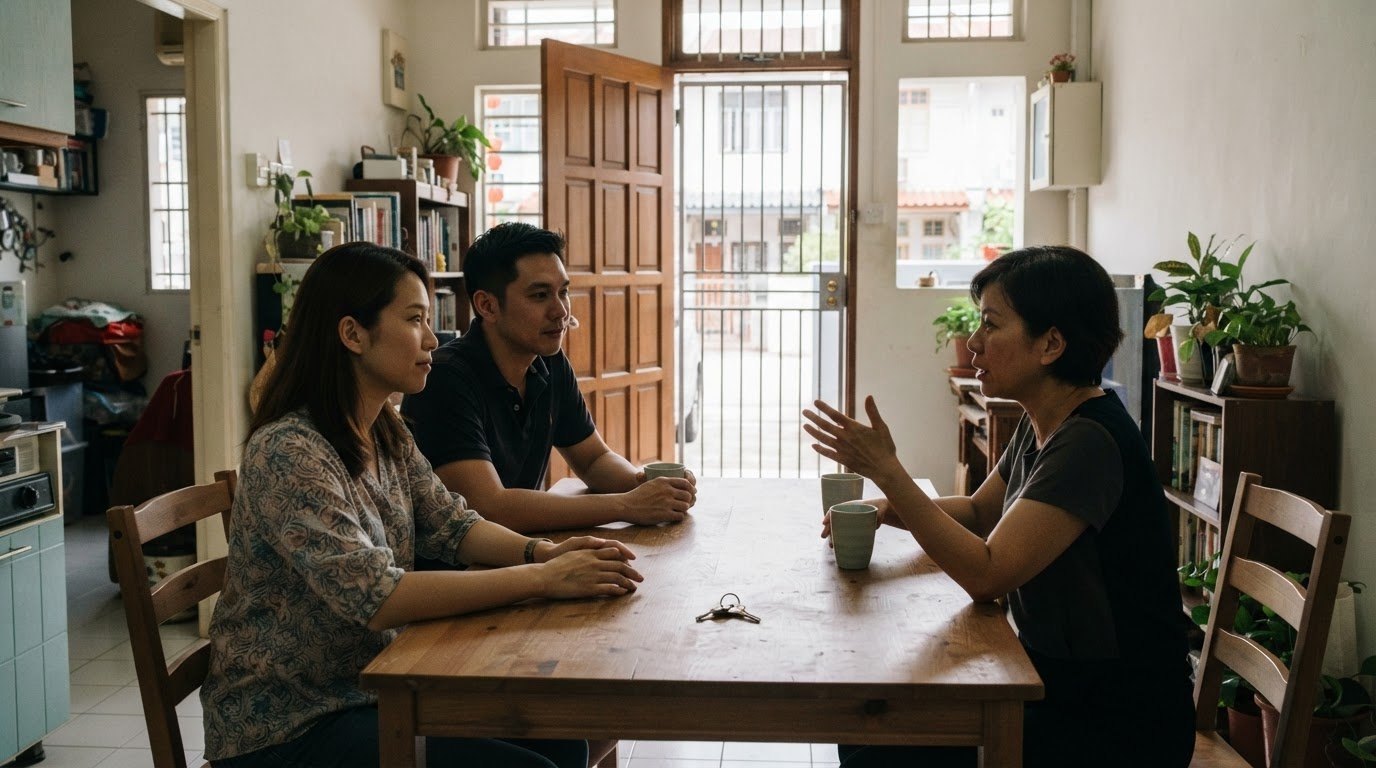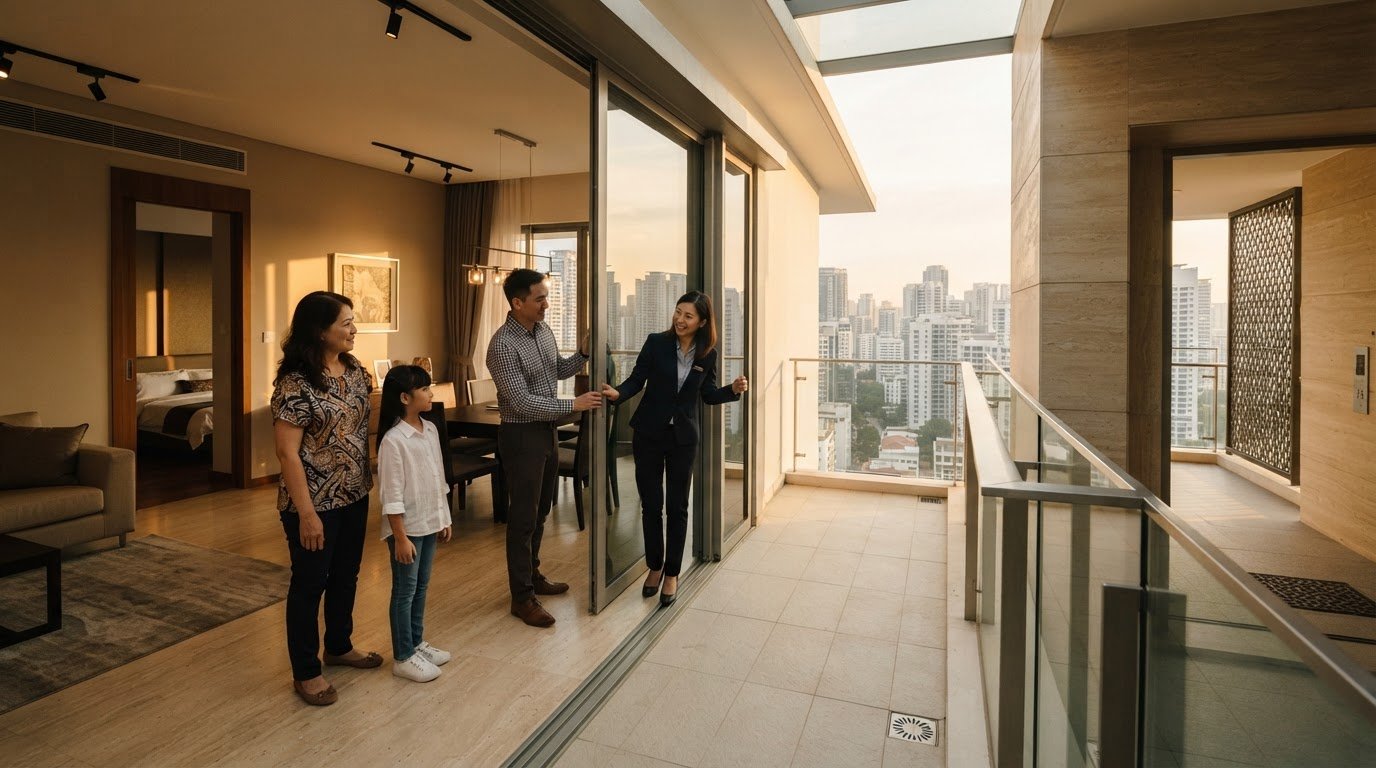
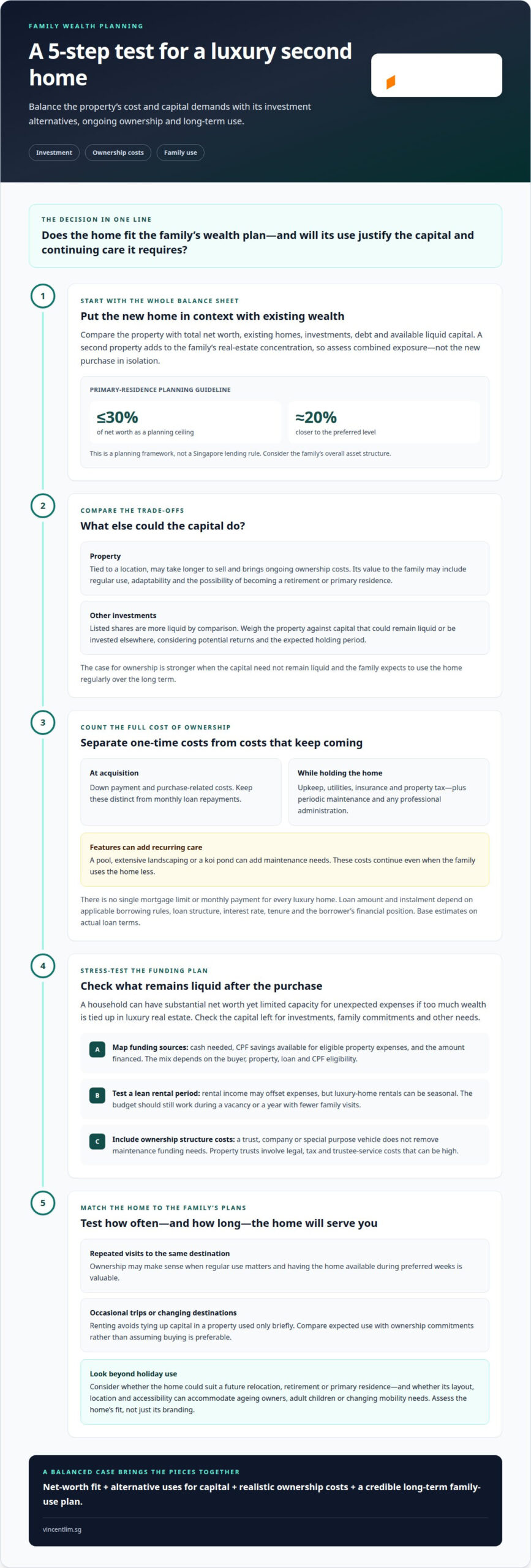
The most persuasive case for a luxury second home may have less to do with its expected return than with how it fits the family’s wider wealth plan. The strongest basis for justifying a luxury property purchase to family is to weigh its cost and ongoing ownership demands against net worth, alternative investments and plans to use it. One planning guideline is to keep a primary residence at 30% or less of net worth, ideally closer to 20%.
It’s reasonable to ask whether tying up a substantial sum in property could serve the family better elsewhere. A second home can still make sense if the capital need not remain liquid and the family expects to use the property regularly over the long term.
This article explains how to compare property with other investments, account for ownership costs and assess the purchase against net worth and changing family needs. The result is a clearer, more balanced way to discuss both the financial trade-offs and the lifestyle value of a luxury home in Singapore.
Key Takeaways
- Compare a second home with other investments by weighing liquidity, potential returns and how long you expect to hold the property.
- Include maintenance and other ongoing ownership costs, not just the purchase, when assessing the home’s demands on family wealth.
- Put the property’s value in context with your net worth and the capital you may need for other priorities.
- Consider how often your family will use the home and whether it can serve changing needs, including a future primary residence.
How Does a Luxury Second Home Compare to other Investments?
A luxury second home combines an investment decision with a family-use decision. Unlike listed shares, property is tied to a location, may take longer to sell and comes with ongoing costs. Its appeal may include long-term use, the ability to adapt the home and the option to make it a retirement or primary residence later. Weigh those benefits against the capital that could otherwise remain liquid or be invested elsewhere.
One planning guideline is to keep a primary residence at 30% or less of net worth, ideally closer to 20%. This is a framework, not a Singapore lending rule. Apply it to the family’s overall asset structure, including existing homes, investments and available liquid capital. A second property adds further concentration in real estate, so assess the combined exposure rather than considering the new purchase in isolation.
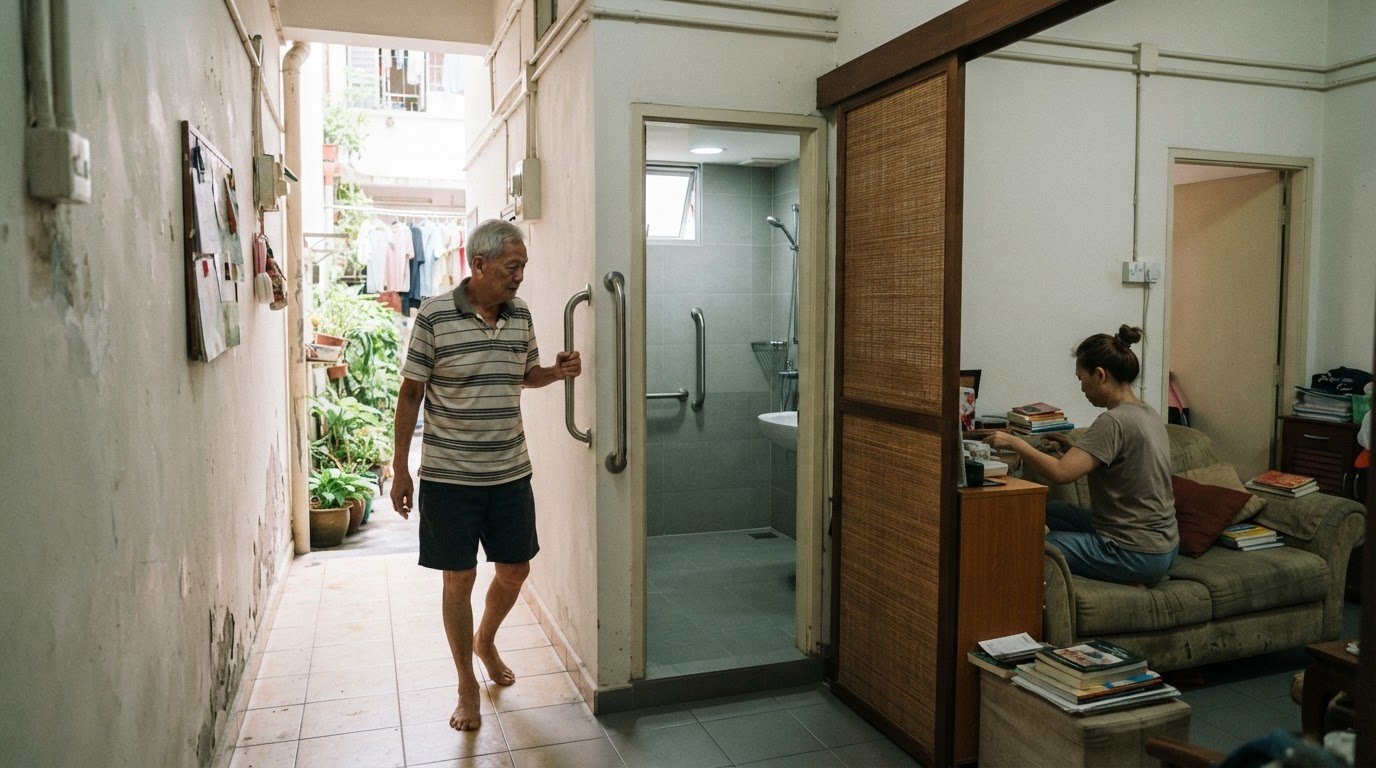
Future use can strengthen the case. A family expecting to relocate or retire in the property may value features suited to daily living, not just holidays. Consider whether the layout can accommodate ageing owners, adult children or changing mobility needs. A home that no longer suits occasional trips might still work as a long-term residence, depending on its location, accessibility and the family’s plans.
Singapore’s Residential Property Act restricts non-residents and businesses from buying landed residential property, subject to a limited exception for an irrevocable trust established solely for a minor Singapore Citizen, which may require approval from the Land Dealings Approval Unit. These restrictions matter when considering landed homes. Luxury condominiums are a different property type, so assess ownership eligibility and purchase structure for the specific asset.
For families considering a global property portfolio, Italy’s flat-tax regime offers new residents a substitute tax arrangement. It relates to relocation and tax planning, not the general return on a Singapore home. Luxury branded residences also merit careful comparison: a brand may contribute to a property’s proposition, but focus on whether the home’s layout, location and use fit family plans. This keeps investment reasoning separate from lifestyle preferences.
The ongoing costs of maintaining a large estate
A luxury home’s financial commitment extends beyond the purchase. In Singapore, budget separately for upkeep, utilities, insurance and property tax, and consider which costs continue when the home is used less. A pool, extensive landscaping or koi pond, for example, adds recurring maintenance needs. These expenses remain part of the ownership plan even if the family’s housing or travel plans change.
There is no single mortgage limit or monthly payment for every luxury home in Singapore. The loan amount and instalment depend on applicable borrowing rules, loan structure, interest rate, tenure and the borrower’s financial position. Base the estimate on actual loan terms, and keep the down payment and purchase-related costs separate from monthly repayments.
Put up-front expenses and ongoing obligations in separate parts of the family budget. Purchase costs arise at acquisition, while maintenance, insurance and property tax continue for as long as the estate is held. Rental income may offset some expenses, but luxury-home rentals can be seasonal, so don’t rely on them alone to fund upkeep. The budget should still work during a vacancy or a year with fewer family visits.
Ownership through a trust, company or special purpose vehicle can affect the administrative structure, but does not remove the need to fund maintenance. Establishing and maintaining a property trust involves legal, tax and trustee-service costs that can be high. Professional advice should consider the ownership structure and its ongoing obligations alongside the property budget, rather than treating a trust arrangement as cost-free.
For a family comparing Singapore housing options, luxury home considerations can include the property type, intended use and ongoing care requirements. Before committing, map each cost to its timing: acquisition, monthly running expenses, periodic maintenance and professional administration. This view helps show whether the home remains manageable if rental income is limited or the estate needs more attention than expected.
Luxury home affordability relative to net worth
Assess affordability by comparing the home’s value with total wealth, existing debt and liquid assets. Then consider how much capital will remain for investments and family commitments after purchase. A household may have substantial net worth but limited capacity to meet unexpected expenses if too much wealth is tied up in luxury real estate. A balanced assessment considers the property’s place in the portfolio and the cash available for other needs. This broader view can help with justifying a luxury property purchase to family.
The cash and CPF savings needed depend on the purchase price, the loan and the buyer’s eligibility to use CPF funds. Separate the cash required for the purchase from CPF savings available for eligible property expenses, then account for the amount financed. The result depends on the buyer and property, rather than being one fixed sum for every luxury home in Singapore. Include these funding sources in the family’s affordability discussion.
Whether to buy or rent a holiday home depends on the family’s travel pattern. Repeated visits to the same destination can support ownership, especially when having the home available during preferred weeks matters. For occasional trips or changing destinations, renting avoids tying up capital in a property used only briefly. Compare expected use with ownership commitments instead of assuming rental demand or potential investment returns make buying preferable.
Future usability also affects affordability over a long holding period. In Singapore, consider whether the home can adapt as children grow, relatives move in or older family members need different arrangements. A layout that works for a multi-generational household may retain practical value as family needs change. Renovations, additions and alterations, or rebuilding can also affect whether the home remains suitable.
Finally, test the decision against realistic scenarios: a second home used regularly may support ownership, while one visited rarely may not justify the demands it places on family wealth. Consider whether the home could later become a primary residence and whether the family could still meet other priorities. Setting out these assumptions supports justifying a luxury property purchase to family with a clear account of its purpose, funding and likely use.
There is no fixed amount; it varies with the property price, loan and buyer’s eligibility to use CPF for eligible expenses. Work out the cash requirement separately from available CPF savings, and factor in the amount financed.
Property as part of lifestyle and capital planning
A family discussion should connect the home’s lifestyle role with its effect on capital. In Singapore, that means explaining who will use the residential property and how the plan may change over time.
Lifestyle Value and Heritage Properties
A heritage property can offer more than residential space: it can preserve shared family memories and traditions. Its value may come from gathering relatives in one place, not just from rental income or resale potential. For example, a home used for regular family occasions could become a lasting setting for children and grandchildren. That personal purpose matters when weighing a property against purely financial assets.
Buying Optionality and Lifestyle Value
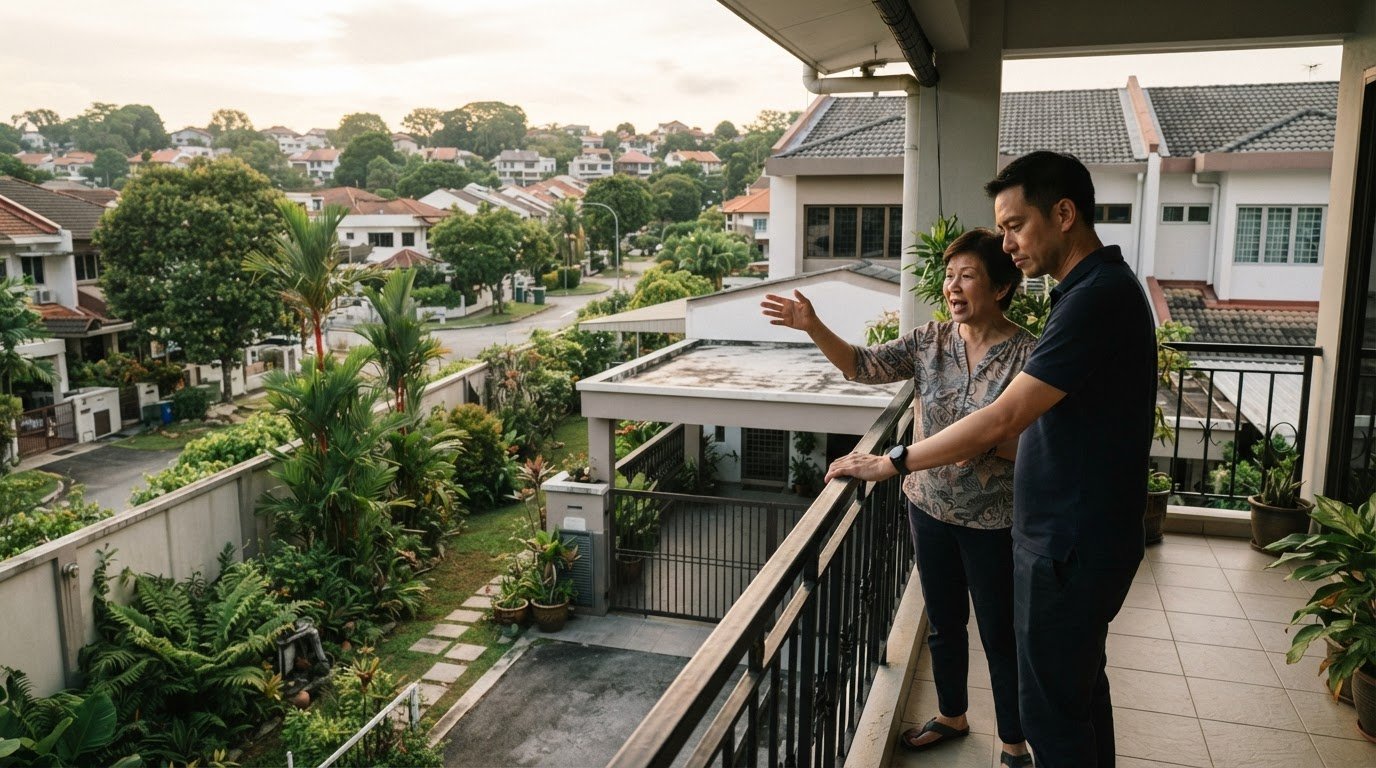
Buying creates options to use, adapt or reposition a property as family needs evolve. A second home might first support holidays, then accommodate ageing parents or become a retirement residence. Singapore households considering multi-generational living may value space that brings relatives together while allowing different routines. This flexibility has practical value only if the location and layout support the family’s likely plans.
Financial Rationale and Long-Term Plans
Explain the purchase by linking its financial rationale to a clear family plan. Describe how much capital will be committed, which other priorities will remain funded and what role the property will serve. Then outline the intended holding period, likely users and possible future use. This gives relatives a concrete basis for weighing lifestyle benefits against investment alternatives.
To discuss the purchase’s financial rationale and long-term plans, present the details together: the property’s role, the capital commitment and the family’s intended use. Include how plans could change if relatives’ needs or circumstances shift. A clear outline makes the decision easier to assess without treating lifestyle value as a guaranteed financial return.
For a Singapore home purchase, discuss residential property options in light of your family’s intended use and long-term plans.
Vincent Lim (OrangeTee & Tie): Luxury Condominium Sales
Vincent Lim (OrangeTee & Tie) helps buyers assess luxury condominiums in Singapore against their intended use and property priorities. This is a natural next step once your family has weighed the financial commitment and is ready to consider suitable homes.
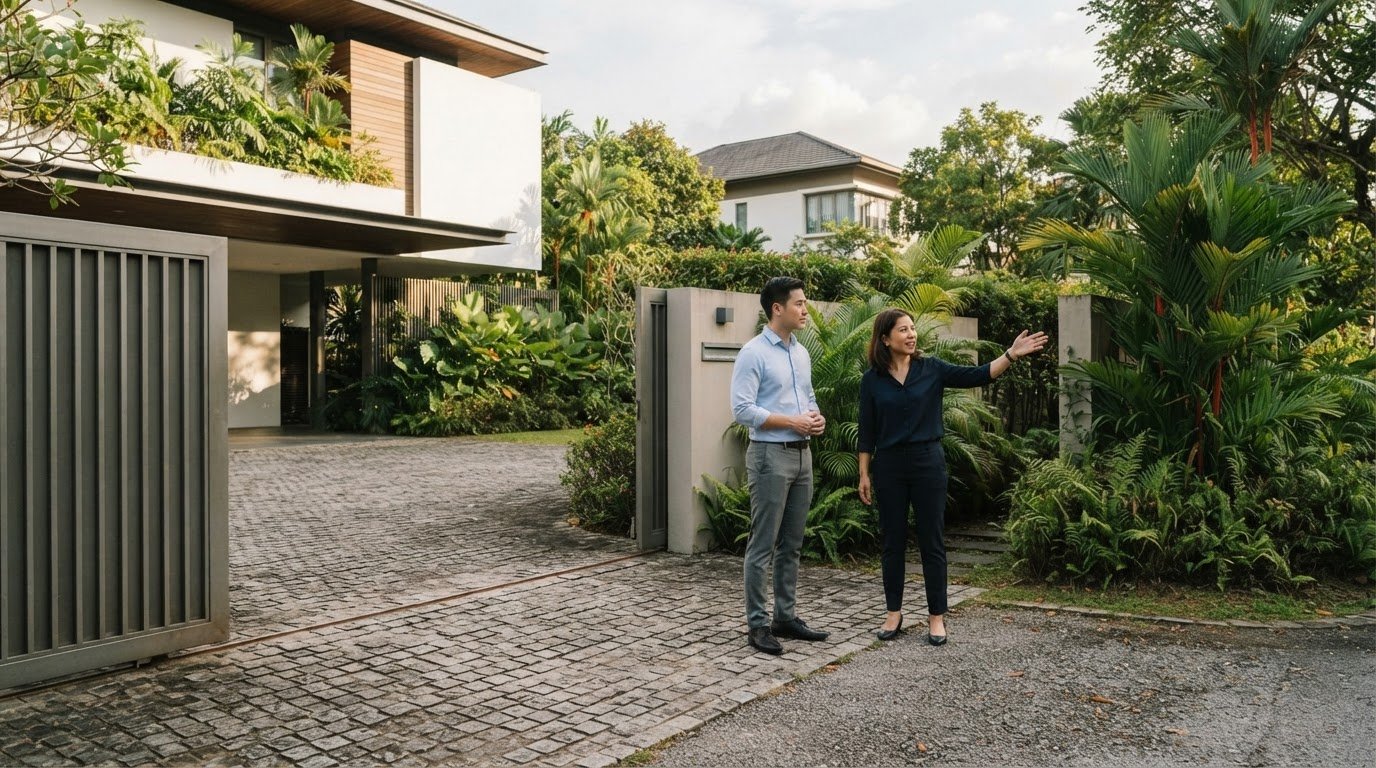
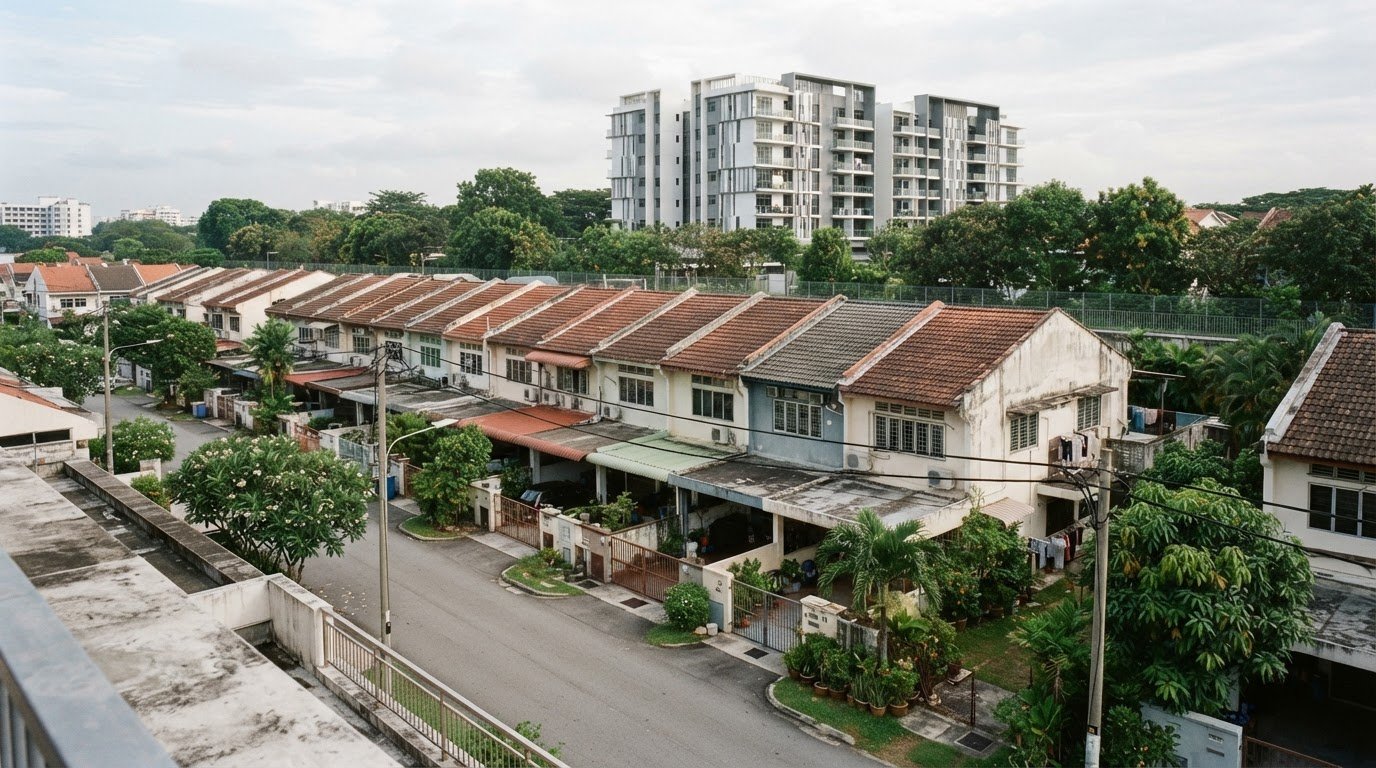
For buyers comparing property types, his sales offerings also include terrace houses, semi-detached houses and detached houses. The right choice depends on how the family expects to use the home, its preferred setting and the role the purchase will play in wider plans.
Share your priorities and discuss the property options that align with them. Contact Vincent Lim (OrangeTee & Tie) to discuss your purchase.
Make Your Next Property Decision With Clarity
The family conversation can move from whether to buy to what kind of home genuinely supports the life you want to build. A sound rationale for justifying a luxury property purchase to family connects the intended use with the home’s role in broader plans, while leaving room to reconsider if those plans change.
Vincent Lim (OrangeTee & Tie) can help you explore Singapore property options through Luxury Condominium Sales, Terrace House Sales, Semi-Detached House Sales and Detached house sales. If you’re ready to consider which property type best fits your family’s priorities, take the next step with a focused discussion.
Contact Vincent Lim (OrangeTee & Tie) to discuss your property plans and move forward with greater clarity.
Frequently Asked Questions
What ongoing costs come with owning a luxury property in Singapore?
Expect recurring costs for utilities, insurance, property tax, routine maintenance and repairs. A landed home may also need landscaping, pest control or pool servicing, while a condominium may have management-related charges. Set aside a separate reserve for larger repairs, such as replacing ageing equipment. Costs depend on the home’s facilities, condition and ownership arrangement, so itemise them before committing.
What are the financial risks of buying a luxury property in Singapore?
The main risks include tying up substantial capital in one asset, taking longer than planned to sell and facing costs that continue during vacancies. A property’s value can also be affected by its location, condition and buyer demand at the time of sale. For example, a family relying on rental income could face a shortfall during an unoccupied period. Avoid treating future appreciation or rental income as certain.
How can I assess whether a luxury property purchase is affordable and financially sustainable?
Assess the full commitment, not just the purchase price. Model mortgage payments alongside taxes, insurance, maintenance and likely repairs, then compare the total with dependable income and other obligations. Consider whether the household could keep paying if income fell or rental receipts stopped. Also review how much liquid capital would remain for emergencies, education, retirement and other investment plans after the purchase.
What questions should I discuss with family before buying a luxury property?
Agree on who will use the home, how often, and who will manage upkeep and recurring expenses. Discuss whether it should support holidays, multi-generational living or eventual retirement, and what would happen if those plans changed. Clarify how the family would approach renting it out, selling it or transferring it later. These conversations make expectations and responsibilities clearer before ownership begins.