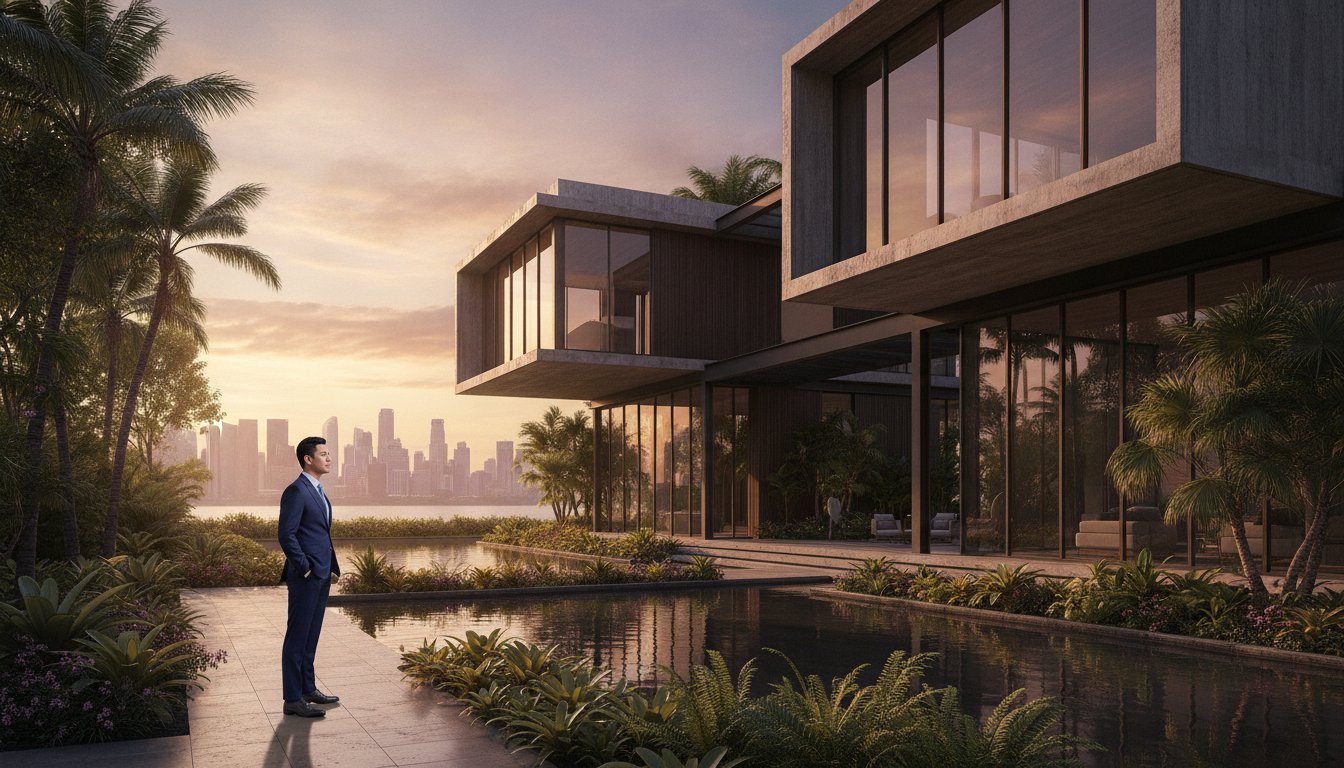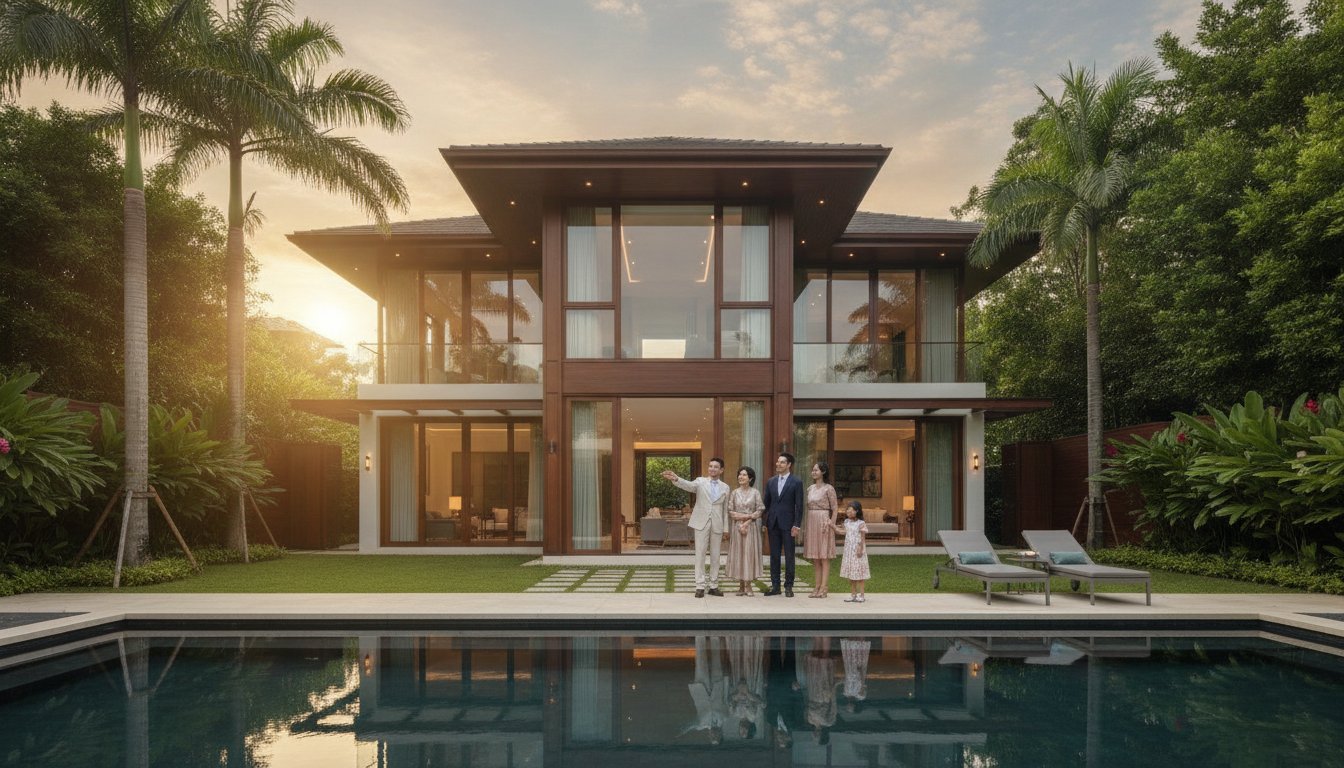
Only 2,800 properties define the peak of Singapore’s residential hierarchy, a figure that remains frozen even as the nation’s wealth continues to expand. This absolute scarcity ensures that while other assets fluctuate with market sentiment, these estates operate on an entirely different plane of value retention. You understand that preserving significant capital requires more than just high yields; it demands a foundation that remains unshakable for your children and grandchildren. The challenge lies in managing the complex eligibility rules and shifting tax frameworks that govern these elite acquisitions.
This guide examines why the Good Class Bungalow as a legacy asset stands as the ultimate defensive play against market volatility in 2026. We will explore the scarcity-driven valuation of these estates, the technical ownership structures that help manage ABSD liabilities, and the strategic nuances of intergenerational wealth transfer. By the end of this article, you’ll understand how to identify off-market opportunities and why elite strategists view these properties as the gold standard of the real estate market.
Key Takeaways
- Analyze the fundamental scarcity of the 2,800 gazetted plots and how zoning protections ensure these estates remain Singapore’s most exclusive residential category.
- Discover the strategic legal frameworks, including trust structures, required to secure a Good Class Bungalow as a legacy asset for future generations.
- Review historical data that proves GCBs maintain value during market volatility, offering a level of insulation that standard luxury condominiums don’t provide.
- Understand the nuances of the off-market landscape where the most significant transactions occur through private networks rather than public listings.
The Anatomy of a Legacy Asset: Why Good Class Bungalows Stand Alone
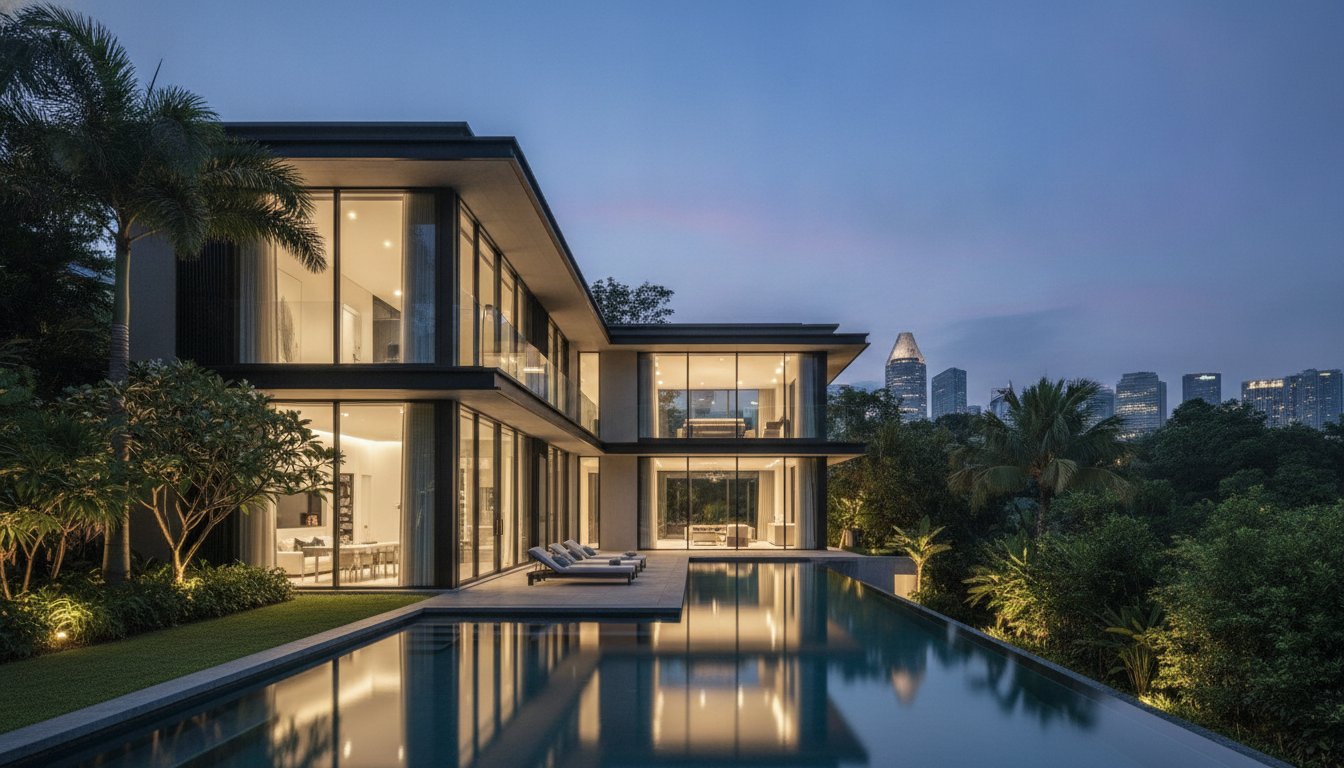
In the hierarchy of global real estate, few assets command the same level of reverence as the Singapore Good Class Bungalow. Unlike standard detached houses, which are found in various residential zones, these estates are confined to 39 specific gazetted areas. This distinction transforms them from mere residences into a specialized asset class. Choosing a Good Class Bungalow as a legacy asset is a decision rooted in the understanding that true wealth preservation requires an instrument that possesses both high utility and permanent scarcity.
Ownership carries a level of social and psychological capital that few other investments can replicate. For the high-net-worth individual, a GCB isn’t just a home; it’s a visible marker of success and a private sanctuary for the family. In a diversified portfolio, these properties serve as a powerful hedge against inflation. While financial markets may experience volatility, the intrinsic value of prime Singapore land has historically shown remarkable resilience, making it a cornerstone for those planning their family’s financial future for the next 50 years.
Criteria That Define a Legacy Asset
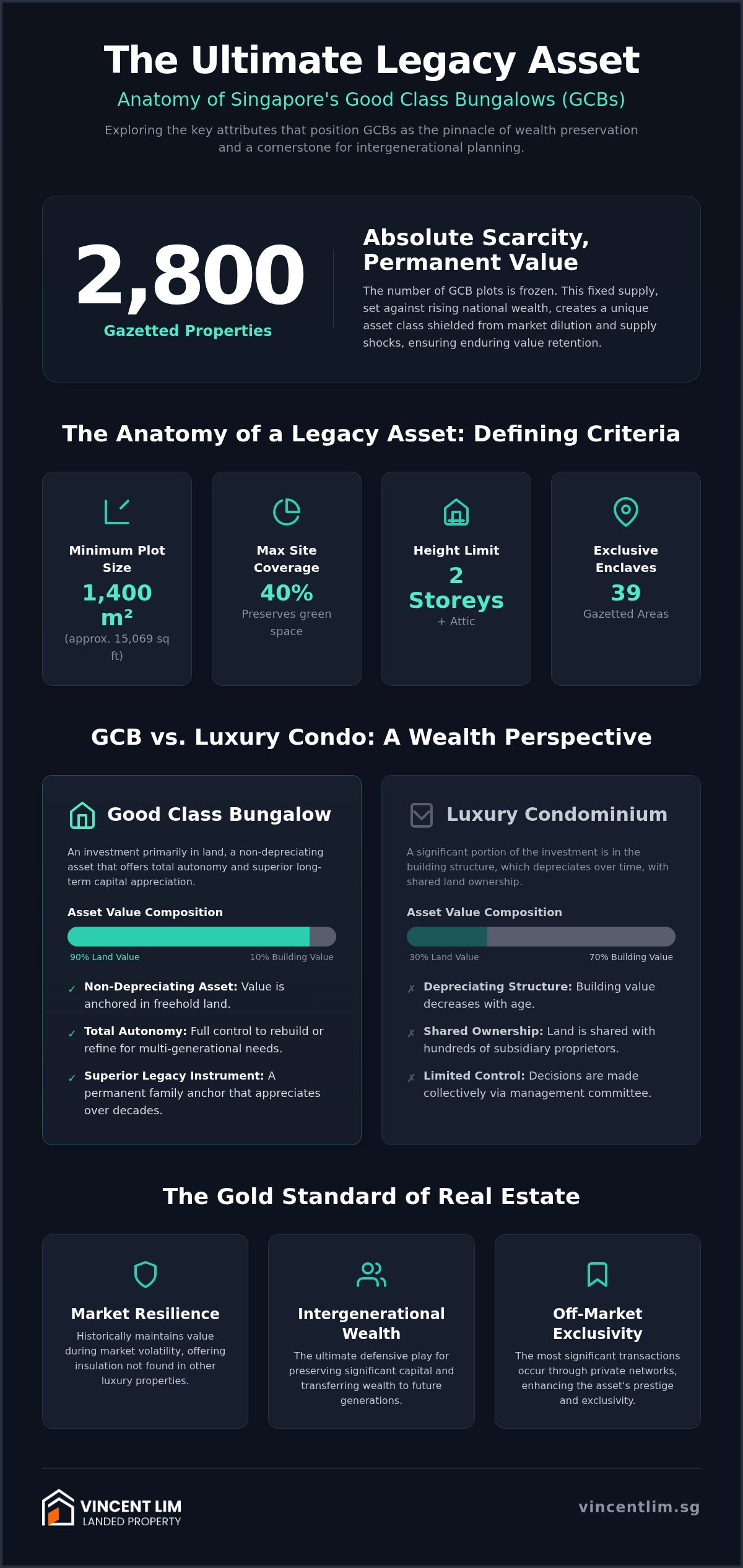
The URA maintains strict guidelines that ensure the exclusivity of these properties. A Good Class Bungalow must have a minimum land plot size of 1,400 square meters, which is approximately 15,069 square feet. Additionally, the site coverage is capped at 40%, ensuring that the built environment never overwhelms the natural greenery of the estate. These regulations, combined with a height limit of two storeys plus an attic, preserve the low-density character of these prestigious enclaves.
With only about 2,800 of these properties in existence as of 2026, the supply is effectively frozen. No new GCB areas are being designated, which means you’re investing in a finite resource. This permanent scarcity is what drives long-term capital appreciation and protects the asset from the supply-side shocks that often affect other segments of the residential market.
GCB vs. Luxury Condominiums: The Wealth Perspective
When evaluating a Good Class Bungalow as a legacy asset, the land-to-building value ratio is the most critical metric. In a luxury condominium, a significant portion of your investment is tied to the building structure, which depreciates over time. In contrast, the vast majority of a GCB’s valuation is derived from the freehold land it sits upon. Land is a non-depreciating asset that grows in value as the nation develops.
Many investors initially compare a luxury condo vs landed: the wealth perspective, but they soon realize that land ownership offers superior control. You don’t share the land with hundreds of other subsidiary proprietors. This total autonomy allows families to rebuild or refine the estate to suit changing multi-generational needs, ensuring the property remains relevant and functional for decades to come.
Scarcity and the Economics of Permanent Value
The economic value of any asset is dictated by the tension between availability and desire. In Singapore’s land-scarce environment, this tension is most acute within the GCB market. Unlike standard residential developments where the government can release new land parcels to meet demand, the boundaries of GCB areas are effectively sealed. This creates a ceiling on supply that hasn’t moved in decades. It ensures that your investment remains protected from the dilutive effects of oversupply that can plague other property segments.
Most owners adopt a ‘buy and hold’ philosophy that spans generations. They recognize that a Good Class Bungalow as a legacy asset is more valuable as a family anchor than as a short-term trading vehicle. This collective reluctance to sell further constricts the available pool of properties, often leaving only a handful of genuine opportunities each year. If you’re looking to enter this exclusive circle, you need a partner who understands these market dynamics. You can consult with a specialist to explore how to position your portfolio for this level of permanence.
The Supply-Demand Imbalance in 2026
As of 2026, the total number of GCBs remains restricted to approximately 2,800 units across the 39 designated enclaves. While the population of ultra-high-net-worth individuals in Singapore continues to grow, the inventory of these homes remains static. This imbalance is why market veterans often refer to these properties as the ‘Mona Lisa of Singapore Real Estate.’ You aren’t just buying a residence; you’re acquiring a piece of a finite collection. In the second quarter of 2026 alone, we saw average land rates rebound to approximately S$2,341 per square foot, reflecting the intense competition for the few properties that reach the market.
Zoning Protections and Site Integrity
The Urban Redevelopment Authority (URA) acts as the guardian of this exclusivity. Strict zoning laws prevent the subdivision of these large plots, ensuring that the low-density character of the neighborhoods remains intact. These rules prohibit developers from carving up a single GCB plot into multiple smaller units, a practice that would otherwise dilute the asset’s rarity. When you are analyzing GCB land size and prestige value, it’s clear that these protections are what secure the property’s long-term capital appreciation. It’s a calculated strategy by the state to maintain these areas as the pinnacle of residential living.
Strategic Ownership: Protecting Your Legacy Through Legal Structures
Acquiring a Good Class Bungalow as a legacy asset requires more than a simple transaction. It demands a sophisticated legal framework that accounts for Singapore’s stringent ownership regulations. Since GCB ownership is strictly restricted to Singapore Citizens, families must think several decades ahead. If you’re securing a property for the next generation, the way you title the asset determines your exposure to Additional Buyer’s Stamp Duty (ABSD) and future estate complexities. As of 2026, a Singapore Citizen pays 0% ABSD on their first residential property, but this rate climbs to 20% for a second and 30% for a third. Strategists often coordinate acquisitions to ensure the next generation starts their property journey with a clean slate.
A veteran specialist does not work in a vacuum. I coordinate closely with your legal and tax advisors to ensure every technical detail aligns with your broader wealth objectives. This white-glove approach ensures that high-stakes transactions are handled with the precision they deserve. Whether you’re navigating the 6% top marginal Buyer’s Stamp Duty or calculating the impact of progressive property tax rates, having an elite strategist by your side provides the peace of mind that your family’s interests are protected.
Holding GCBs in Trust: Pros and Cons
Trust structures are a common instrument for the seamless transfer of assets to heirs. They offer a layer of confidentiality and can protect the estate from potential creditors. In 2026, regulatory changes have increased the transparency requirements for trust-held properties, making it essential to have a clear, documented purpose for the structure. While trusts can help bypass the lengthy probate process, they also require careful management to ensure they don’t inadvertently trigger higher tax brackets or complicate the owner-occupied property tax rebate, which currently offers a 10% rebate for private residential properties capped at S$500.
Family Office Integration
Many ultra-high-net-worth families now incorporate their real estate holdings into a broader family office portfolio. This integration allows for a more holistic view of the family’s wealth and facilitates professional management of the asset. By treating a GCB as a core pillar of the family office, you can better manage the progressive property tax rates, which can reach 32% for owner-occupied properties with an annual value exceeding S$140,000. For those focused on Building a legacy: property wealth planning, this structured approach ensures the asset remains a productive and protected part of the family’s net worth for the long term.
Historical Resilience: How GCBs Outperform During Market Volatility
Market cycles reveal the true character of an investment. While mass-market condominiums often face downward pressure during economic shifts, the GCB segment consistently demonstrates a “flight to quality.” High-net-worth investors prioritize the absolute security of land over the speculative gains of high-rise developments. This behavior cements the status of the Good Class Bungalow as a legacy asset, as it remains largely insulated from the cooling measures that target broader residential segments. Owners of these estates typically possess deep capital reserves; they don’t need to sell during downturns, which prevents the price collapses seen in other sectors.
The resilience of these enclaves isn’t just anecdotal. During global financial shifts, GCB prices have historically remained stable or experienced a faster recovery than the Straits Times Index (STI). Over a 20-year horizon, the capital appreciation of these properties has significantly outperformed traditional equity benchmarks. As we project toward 2030 and beyond, the ongoing scarcity of these plots suggests that value growth will continue to outpace inflation. If you’re currently evaluating a detached house for sale Singapore: legacy planning, it’s vital to recognize that you’re competing for a resource that is effectively finite.
Crisis Performance vs. Other Asset Classes
Data from the last two decades shows that GCB land rates have achieved a compound annual growth rate of approximately 5% to 7% over the last decade, depending on the specific enclave. This steady trajectory provides a predictable foundation for intergenerational wealth planning. While stock markets may swing 20% in a single year, the GCB market moves with a deliberate, steady momentum. In the second quarter of 2026, average land rates rebounded to S$2,341 per square foot, even after a quieter start to the year. This ability to bounce back quickly from global uncertainty is a hallmark of the asset class.
The ‘Safe Haven’ Status of Singapore Land
Singapore’s political stability and rule of law transform its soil into a premier wealth vault. Global investors view the nation’s landed property as a definitive safe haven. Unlike digital assets or offshore equities, physical land in a gazetted GCB area cannot be duplicated or moved. This physical permanence, backed by a transparent legal system, ensures that your family’s capital remains anchored in one of the world’s most stable economies. Securing such an asset requires a disciplined approach and a deep understanding of off-market dynamics. I invite you to contact me directly to review current market mapping and identify properties that align with your long-term wealth preservation goals.
Curating Your Portfolio: Navigating the GCB Acquisition Process
Public property portals serve the mass market well, but they rarely capture the true essence of the elite landed segment. Privacy is the primary currency of the ultra-wealthy. Most significant transactions occur as “whisper listings” or off-market deals, where properties change hands without ever appearing on a public website. Securing a Good Class Bungalow as a legacy asset requires access to these private networks. If you’re only looking at advertised listings, you’re likely seeing the inventory that the most seasoned collectors have already passed over.
The acquisition process demands technical due diligence that goes far beyond a standard home inspection. Because these estates are often purchased with the intent to rebuild or extensively renovate for future generations, the integrity of the land is paramount. My analytical approach, backed by a B(Eng)Hons and MSc(TIP) background, involves coordinating essential assessments such as soil tests, drainage capacity reviews, and deep historical title searches. These steps ensure that the plot can support your architectural vision and that no hidden encumbrances will complicate your family’s long-term ownership.
The Role of an Elite Landed Specialist
With over 20 years of experience and consecutive EdgeProp Excellence Awards in the Landed category, I provide the seasoned authority needed for these high-stakes transactions. I leverage deep industry relationships to identify opportunities before they reach the open market, ensuring you have the first-mover advantage. The negotiation phase for a GCB is a delicate exercise in diplomacy and strategic positioning. It’s not just about the price; it’s about refining the terms of the successful transfer to protect both your capital and your family’s privacy.
My “Elite Strategist” methodology treats every acquisition as a component of a broader wealth preservation plan. We don’t just look for a house. We search for an asset that aligns with your portfolio’s risk profile and your family’s multi-generational requirements. This white-glove service handles every coordination task, from initial market mapping to the final legal handover, allowing you to focus on the legacy you’re building.
Start Your Legacy Planning Today
The first step in securing a Good Class Bungalow as a legacy asset is a comprehensive portfolio review. We must map your current asset progression and identify the optimal entry point into the GCB market. Given the static supply and the consistent entry of new wealth into Singapore, waiting for a “market dip” often results in missing out on the most prestigious plots. A professional consultation provides the clarity needed to move with confidence when the right opportunity emerges. You’re invited to Consult with Vincent Lim for your GCB legacy strategy and begin the journey of anchoring your family’s wealth in Singapore’s most resilient asset class.
Securing Your Multi-Generational Future in Singapore’s Elite Enclaves
Anchoring your family’s wealth requires an asset that transcends standard market cycles. Through our exploration of scarcity, zoning protections, and strategic legal structures, it’s clear that the Good Class Bungalow as a legacy asset remains the pinnacle of residential stability. These estates offer more than just a residence; they provide a non-depreciating foundation for wealth that withstands global volatility. Success in this exclusive segment depends on identifying off-market opportunities and implementing precise ownership frameworks that account for the 2026 regulatory landscape.
Navigating these high-stakes transactions requires a partner who operates with calculated competence. As a two-time EdgeProp Excellence Award winner in the Landed category and an Executive Associate Director at OrangeTee & Tie, I bring over 20 years of veteran expertise to your portfolio strategy. We’ll map your asset progression with the transparency and discipline your legacy deserves. Secure Your Family’s Legacy: Book a Private GCB Consultation with Vincent Lim. Your journey toward a protected, multi-generational future starts with a single, strategic conversation.
Frequently Asked Questions
What makes a Good Class Bungalow a better legacy asset than a luxury condo?
A Good Class Bungalow as a legacy asset offers superior value preservation because its valuation is predominantly rooted in freehold land rather than a depreciating building structure. While luxury condominiums are subject to supply shocks and leasehold decay, GCBs benefit from an absolute supply cap of approximately 2,800 units. This permanent scarcity ensures the asset retains its exclusive status across generations, whereas high-end apartments often lose their prestige as newer developments enter the market.
Can a foreigner buy a GCB in Singapore for legacy planning?
Foreigners are generally restricted from purchasing GCBs as these properties are strictly reserved for Singapore Citizens under the Residential Property Act. Any non-citizen wishing to acquire landed property in a gazetted GCB area must obtain special approval from the Land Dealings Approval Unit, which is rarely granted for these specific estates. For legacy planning, most international families focus on acquiring citizenship for the next generation to facilitate the lawful transfer of these assets.
How do trust structures work for GCB ownership in 2026?
Trust structures in 2026 allow families to hold a Good Class Bungalow as a legacy asset for beneficiaries who may not yet be of legal age. These structures provide asset protection and a clear succession path, though they require an upfront ABSD payment at the highest marginal rate. This tax can often be remitted if specific conditions regarding identifiable individual beneficiaries are met, making it a sophisticated tool for coordinating the transfer of multi-generational wealth.
What is the historical price appreciation rate for GCBs compared to other landed properties?
GCBs have historically achieved a compound annual growth rate of approximately 5% to 7% over the last decade, often outperforming both the Straits Times Index and standard landed properties. This resilience stems from their role as a defensive wealth vault. While terrace and semi-detached houses follow broader market trends, the GCB segment operates on a tiered system where scarcity drives prices upward even during periods of global economic volatility or property market cooling measures.
Are there any specific restrictions on redeveloping a GCB legacy asset?
Redeveloping a GCB is governed by strict URA guidelines to preserve the low-density character of the 39 designated areas. Owners must maintain a minimum plot size of 1,400 square meters and cannot exceed a site coverage of 40%. Additionally, the building height is limited to two storeys plus an attic. These restrictions prevent the dilution of the asset’s value by ensuring that the neighborhood’s exclusive, greenery-filled environment remains unchanged for future generations of owners.
What are the common pitfalls to avoid when acquiring a GCB for the next generation?
A common pitfall is overestimating the value of existing renovations rather than focusing on the intrinsic land value. Buyers also frequently miscalculate Additional Buyer’s Stamp Duty liabilities when structuring ownership for children who may already own property. Failing to conduct specialized due diligence, such as soil tests and drainage capacity reviews, can lead to unforeseen costs during future redevelopment. Working with an elite strategist ensures these technical and financial nuances are addressed before the transaction.
How much is the typical maintenance cost for a Good Class Bungalow?
Maintenance for a Good Class Bungalow involves significant recurring expenses for professional landscaping, pool sanitation, and specialized pest control. Given the large land sizes, which start at approximately 15,069 square feet, owners should also budget for private security systems and regular structural upkeep. While these costs are higher than standard homes, they are essential for preserving the property’s white-glove condition and ensuring it remains a prestigious and functional asset for the family.
Why are most GCB transactions handled off-market?
Most GCB transactions are handled off-market to protect the privacy and security of both the buyer and the seller. Publicly listing a multi-million dollar estate can attract unnecessary attention and unqualified inquiries. Instead, these high-stakes transfers occur through whisper listings within the private networks of veteran specialists. This discreet approach allows owners to vet potential buyers thoroughly and ensures that the most desirable legacy assets are reserved for serious, qualified collectors.