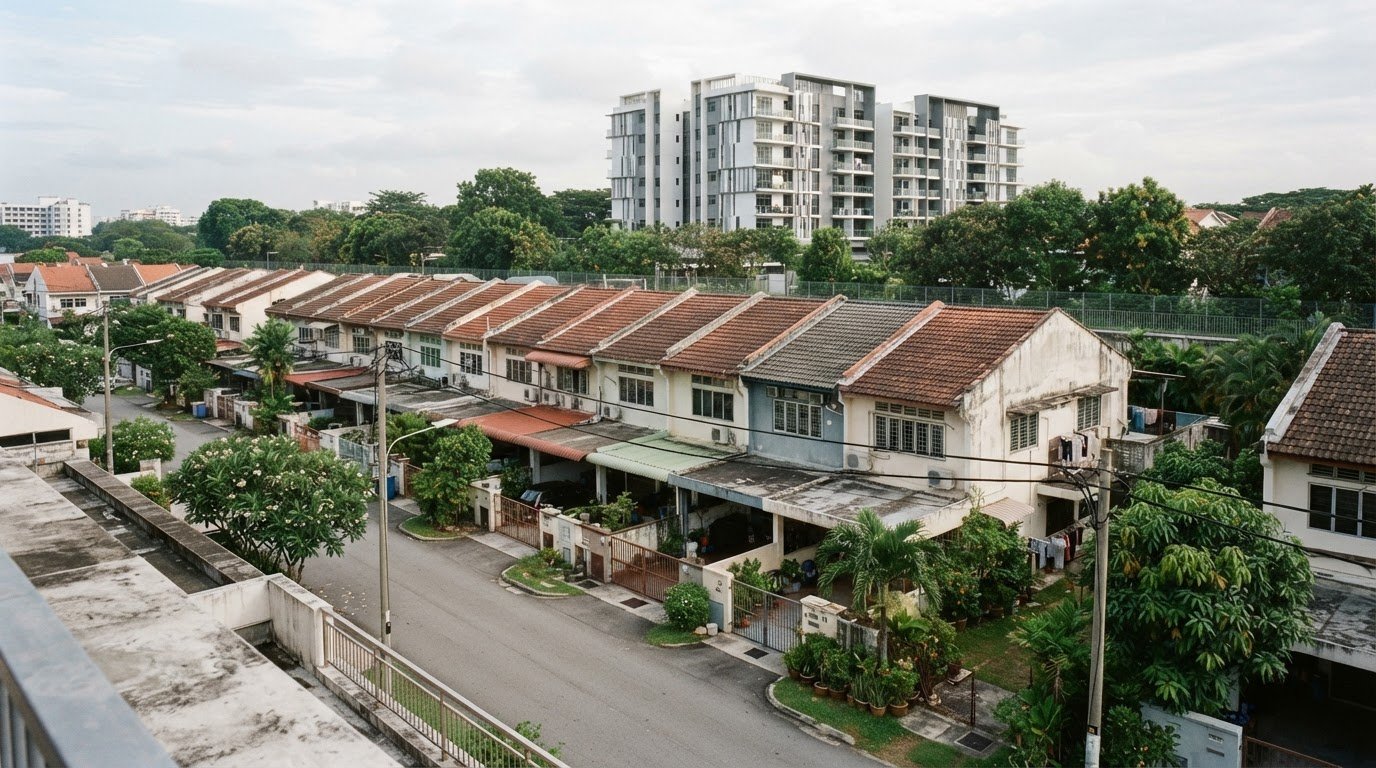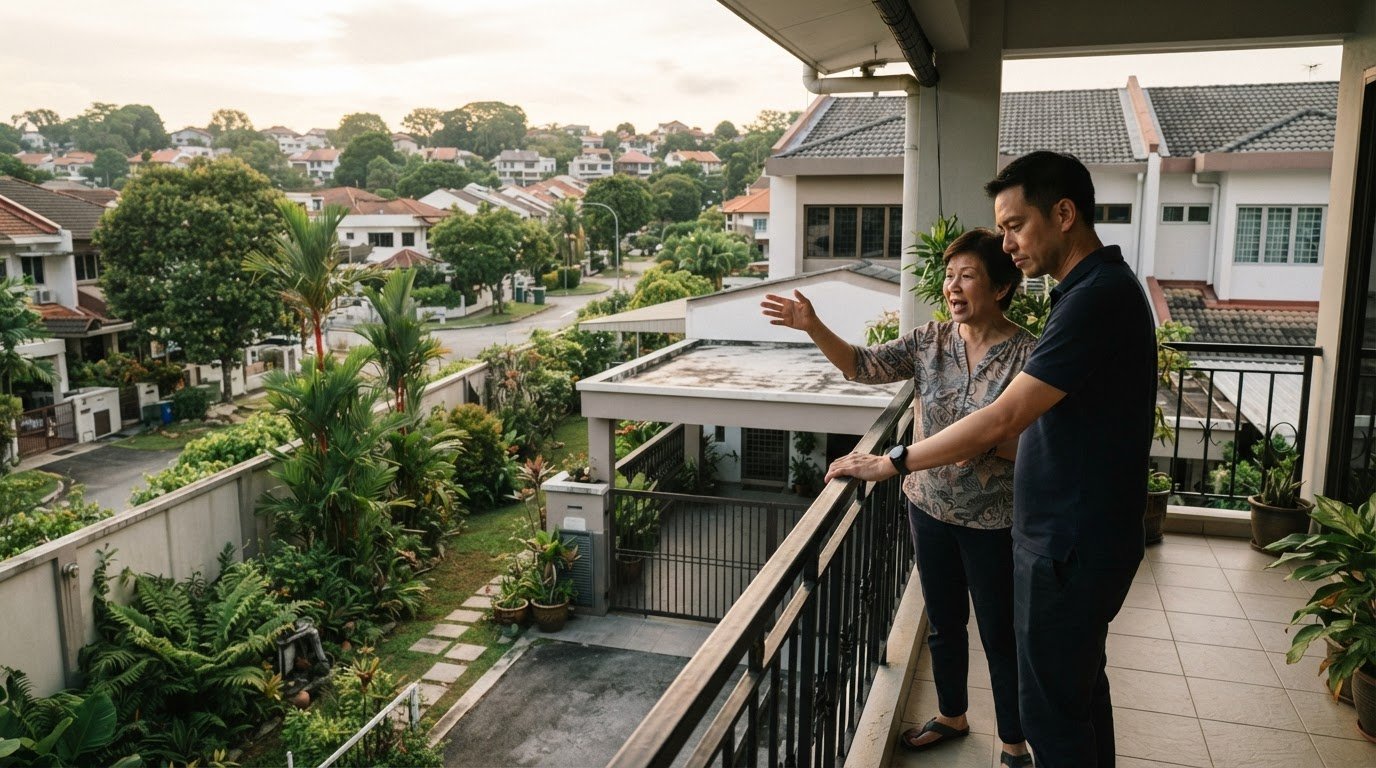
Property wealth planning in Singapore is worth considering if you’re employed, have sufficient cash savings or CPF funds, and carry little or no debt. It can also be timely if you’re around six months from completing your HDB or EC Minimum Occupation Period. The right plan starts with where your property and financial needs may be in 10 or 20 years.
Property can support long-term goals, but buying is only one part of the decision. How you finance a purchase, when you sell, and how the proceeds fit your wider plans all matter.
This article explains who may benefit from property wealth planning and how it can shape investment exits, after-tax wealth, and estate liquidity. It also outlines how to build a long-term roadmap and where specialist guidance on Singapore landed homes and luxury residences can fit.
Key Takeaways
- Assess your income, savings, debt and future housing needs before deciding whether property investment fits your broader plans.
- Build an investment roadmap around a defined holding period and exit strategy, rather than relying on property appreciation alone.
- Account for stamp duties, legal costs and other purchase expenses when considering how a property decision may affect after-tax wealth.
- Plan for estate liquidity by considering how much readily accessible reserve funding may be needed for unexpected liabilities.
Who is Suitable for Property Wealth Planning?
Property wealth planning may suit Singapore residents who are employed, have sufficient cash savings or CPF funds, and carry little or no debt. It is also relevant to HDB and EC owners around six months from completing their Minimum Occupation Period. Begin with a financial review: list income, existing loans, savings, CPF funds, property equity, and likely housing needs over the next 10 or 20 years. A plan should account for both investment goals and the home you may need later.
There is no single loan limit for every buyer. In Singapore, the applicable LTV limit depends on factors such as the loan type, property, and existing housing loans. TDSR and MSR assessments consider income and debt commitments. Include stamp duties, legal costs, and miscellaneous fees in your funding assessment, not just the purchase price.
CPF use also affects the cash available after a sale. Include the CPF amount used and its accrued interest in your net-proceeds calculation. These determine how much is returned to your CPF account and what remains available for your next purchase.
Life stage influences the right strategy. A first-time buyer may prioritise stable repayments and future family housing, while an owner nearing retirement may focus on liquidity and a manageable home. HDB and EC owners should consider their occupancy requirements when making property decisions. Before committing to another property, compare the timing of a move with school, caregiving, and work plans.
Keep reserve funds for changes in income or a sale that takes longer than expected. Set aside accessible savings for household needs and ownership costs before committing funds to an investment. Expatriates should align plans with their Singapore work tenure, family housing needs, and intended departure; a strategy may need to account for selling or retaining property after relocation. A long-term relationship with a financial adviser can help you revisit assumptions as income, family circumstances, and goals change. Review the plan after major events, such as a job change, a new child, or approaching the MOP, and update it before making another property decision.
Long-term investment roadmap and exit planning
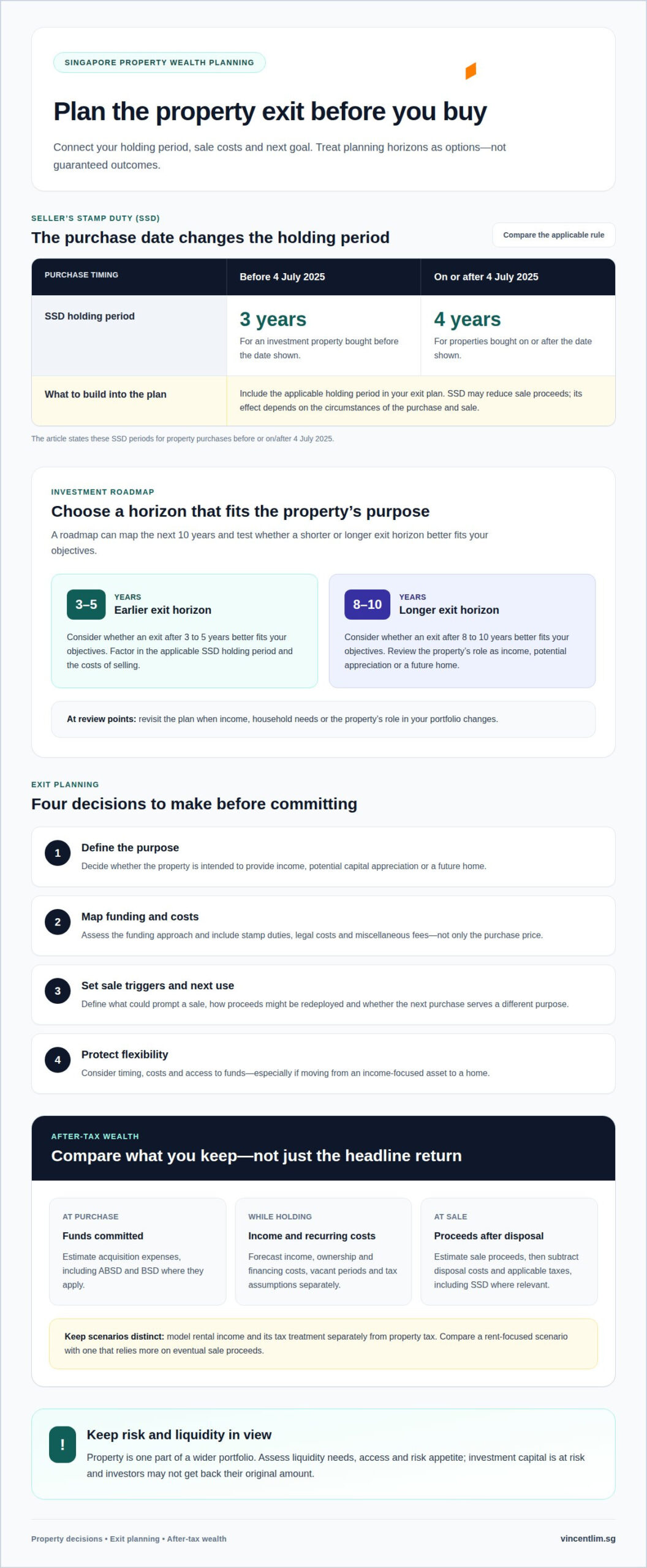
A useful roadmap connects each property decision to a defined purpose: income, potential capital appreciation, or a future home. Property wealth planning in Singapore can map the next 10 years, while identifying whether an exit after 3 to 5 years or 8 to 10 years better fits your objectives. Treat these as planning horizons, not guaranteed outcomes. Set review points around changes in income, household needs, and the property’s role in your portfolio.
For an investment purchase, first clarify the intended holding period and funding approach. Then assess the property’s expected contribution to your assets, alongside purchase expenses such as stamp duties, legal costs, and miscellaneous fees. Singapore’s Seller’s Stamp Duty holding period changed to 4 years for properties bought on or after 4 July 2025. An investment property purchased before 4 July 2025 has a 3-year Seller’s Stamp Duty period. Include the applicable holding period in exit planning.
Financing or refinancing affects how much capital remains tied up in a property. Before considering a new loan or restructuring, assess available equity, outstanding borrowing, repayment commitments, and future cash needs. These factors also help show whether releasing equity supports a planned investment or puts pressure on household finances.
Portfolio management means considering property alongside other assets, rather than relying on one investment to meet every goal. Private banking and investment services may form part of a wider wealth plan, but assess their role against liquidity needs, access, and risk appetite. UBS warns that investment capital is at risk and investors may not get back their original amount.
Set an exit plan before committing. Define what would prompt a sale, how you might redeploy the proceeds, and whether the next purchase serves a different purpose. For example, moving from an income-focused asset to a home requires planning for timing, costs, and access to funds. A clear plan helps preserve flexibility if personal priorities or market conditions change.
After-tax wealth accumulation
Measure an investment by the wealth retained after costs and taxes, not its headline return. For each property, estimate income and eventual sale proceeds, then subtract acquisition expenses, ownership and financing costs, and applicable taxes. This makes it easier to compare properties with different income profiles. A property with stronger gross returns may leave less net wealth if its total costs are higher.
ABSD and BSD affect acquisition costs, while SSD may reduce sale proceeds. Include all three in your transaction model where they apply rather than treating duties as minor expenses. Their effect depends on the circumstances of the purchase and sale. For SSD, the applicable holding period matters to your intended exit.
For a rental property, model rental income and its tax treatment separately from property tax. Show expected rent, vacant periods, ownership expenses, and tax assumptions as separate items. This makes the assumptions driving net returns easier to identify. For example, compare a rent-focused scenario with one that relies more on eventual sale proceeds.
Use the same method to assess each option. First, estimate the funds committed at purchase. Next, forecast income and recurring expenses over the intended holding period. Then estimate sale proceeds and subtract disposal costs and taxes. Make your assumptions explicit, so a change in rent or exit timing updates the projected after-tax result rather than obscuring it.
Tax planning also benefits from reviewing the ownership structure and intended use before committing capital. A home occupied by its owner and a rental investment have different cash-flow purposes, so keep their projections distinct. For high-income individuals seeking comprehensive alignment across taxes, legal structures, and wealth, boutique virtual family offices such as kotiniandkotini.com show how multi-disciplinary planning can support long-term holdings. Record the assumptions used for each property, then revisit them when rent, financing, or sale timing changes. This disciplined comparison helps show whether projected returns support the wider wealth plan.
ABSD and BSD affect the cost of buying a property, while SSD may affect the cost of selling it, depending on the circumstances and holding period. For a rental property, account for tax on rental income separately from property tax when estimating after-tax returns.
Estate liquidity for potential liabilities
Property can make up a substantial share of an estate’s wealth while providing limited immediate liquidity. If expenses or liabilities arise, beneficiaries may need accessible funds before a property sale is complete. List liquid assets separately from property value, then compare available cash with expected obligations, ongoing ownership costs, and potential sale proceeds.
Use a straightforward liquidity review. List cash and accessible investments, then record property commitments such as loan repayments and maintenance costs. Identify which funds could be accessed without selling an asset. This separates wealth held in property from money available for near-term needs. A property’s estimated value alone does not show how quickly an estate can meet a payment.
Keep reserves aligned with the household’s obligations and income sources. In an illustrative Singapore property journey, a couple kept more than 4 years’ worth of reserve funds for unexpected circumstances. That example is a planning illustration, not a universal reserve target. The suitable amount depends on commitments, available income, other liquid assets, and the role property plays in the estate.
Revisit the plan after major changes. A new property loan, a sale, or a change in family responsibilities can affect both available cash and expected outflows. For example, if a household’s wealth becomes more concentrated in property, its cash reserve may need closer attention. Keep an up-to-date record of ownership, outstanding borrowing, recurring costs, and assets that could fund liabilities.
Property planning can also support a considered transfer of wealth by clarifying which assets may need to be sold, retained, or used to meet obligations. Coordinate property decisions with estate planning and financial advice, especially when family members depend on the same assets. This helps identify liquidity gaps before they constrain choices. If a property sale forms part of your plan, review your property sale options as one element of the wider estate strategy.
Property wealth planning can help owners pursuing potential capital appreciation or passive income consider property reallocation and investment alongside their liquidity needs.
Vincent Lim (OrangeTee & Tie)
Vincent Lim (OrangeTee & Tie) can support a property-sale decision when an exit forms part of your wider wealth plan. He sells terrace houses, semi-detached houses, detached houses, and Good Class Bungalows. This can be relevant when you are considering whether selling a landed property could meet future housing needs, release capital, or rebalance your assets.
Property wealth planning involves financial, tax, and estate considerations beyond a sale. Vincent Lim focuses on property sales, helping owners take the next step when selling aligns with their plans. For decisions involving tax treatment, financing, or estate arrangements, coordinate the sale timeline with advice from the relevant professional.
If selling a property is part of your next step, contact Vincent Lim (OrangeTee & Tie) to discuss the sale.
Turn your property strategy into a considered next step
A property plan is useful when it informs a clear decision: retain, sell, or reposition an asset as your circumstances change. Property wealth planning in Singapore works best as an ongoing process, with each choice aligned to your priorities rather than treated as an isolated transaction. Before acting, identify the decision that needs attention now and how it fits your longer-term direction.
If selling a landed property is part of your decision, Vincent Lim (OrangeTee & Tie) handles terrace house, semi-detached house, and detached house sales. He can help owners consider a sale within their wider property strategy.
Take the next step at a pace that suits your plans. Contact Vincent Lim (OrangeTee & Tie) to discuss a property sale, and move forward with a clear view of the decision ahead.
Frequently Asked Questions
What does property wealth planning mean in Singapore?
Property wealth planning in Singapore means coordinating property decisions with broader financial and family objectives. It considers how ownership, use, and eventual transfer fit together, rather than treating each purchase or sale in isolation. For example, an owner can document why a property is held, who may rely on it, and what outcome they intend if circumstances change. This framework helps make future decisions more deliberate.
How should Singapore property owners plan inheritance, trusts and estate transfer?
Start by documenting each property’s ownership, related borrowing, and intended role in the estate. Record who you want to benefit and how the property should be managed if you cannot make decisions. A trust may hold assets under specified terms, but it is not automatically suitable for every family. Ask an estate-planning lawyer to prepare appropriate legal documents and coordinate them with your property arrangements.