A private appointment does not automatically include a confidentiality agreement. Managing viewings for a high-end property means planning access carefully, protecting sensitive details and setting clear expectations with prospective buyers. Privacy should be considered as part of the viewing, not assumed because it is by appointment.
It’s understandable to want serious buyers to experience a home while keeping personal spaces and information discreet. A real estate professional can prepare each viewing around buyer priorities, coordinate access, guide the visit and gather considered feedback afterwards. When an in-person appointment isn’t practical, a virtual tour created from a 360° camera scan can offer another way to explore the property. The sections ahead explain how to assess boundaries and sightlines, prepare an occupied residence, manage buyer questions and follow up while keeping privacy in view.
Key Takeaways
- A structured arrival route helps reveal how gates, turning space and neighbour sightlines affect a discreet viewing.
- Matching the presentation and discussion to buyers’ priorities keeps the visit focused while respecting an occupied home.
- Organised feedback helps identify genuine interest, concerns and whether a follow-up viewing may be worthwhile.
- A 360° virtual tour can help buyers explore a property remotely, with the format tailored to what they need to assess.
1. How professionals inspect gardens, boundaries and privacy
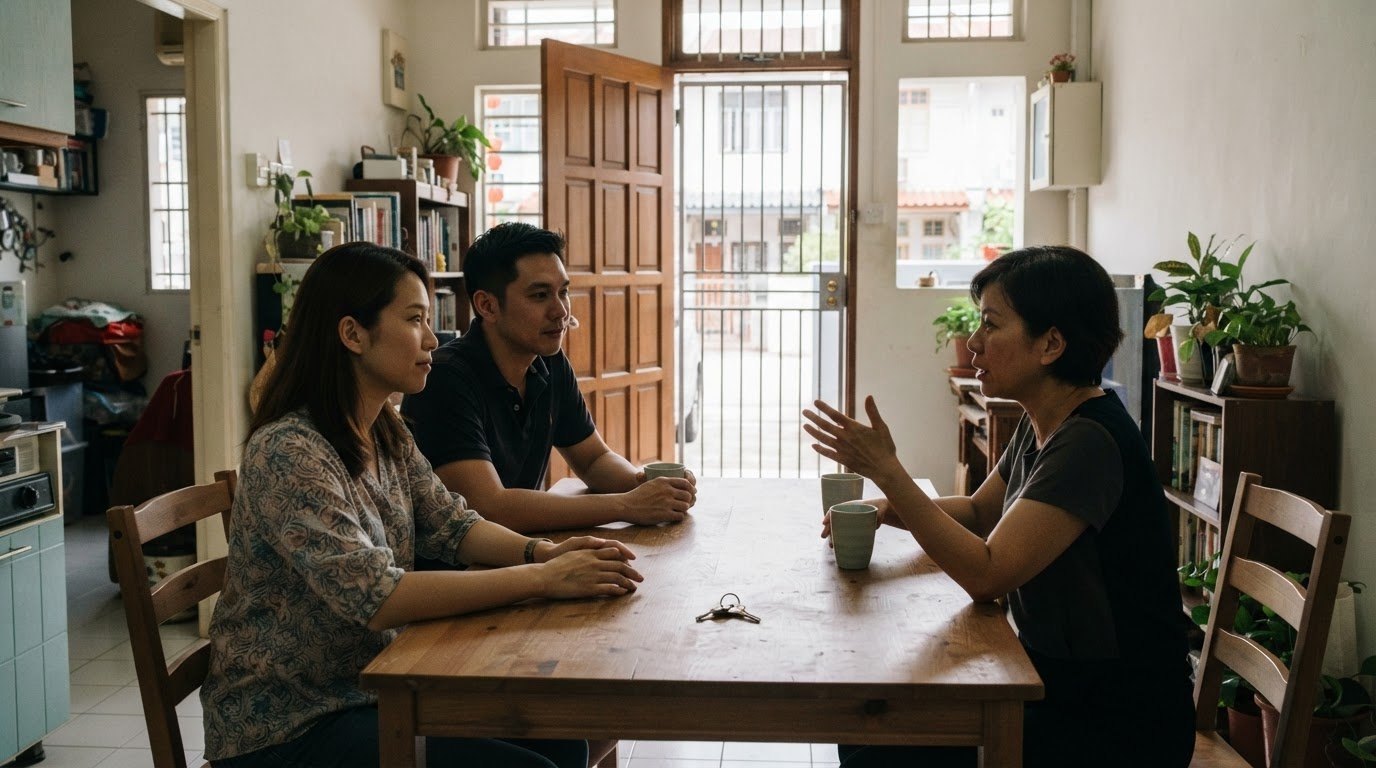
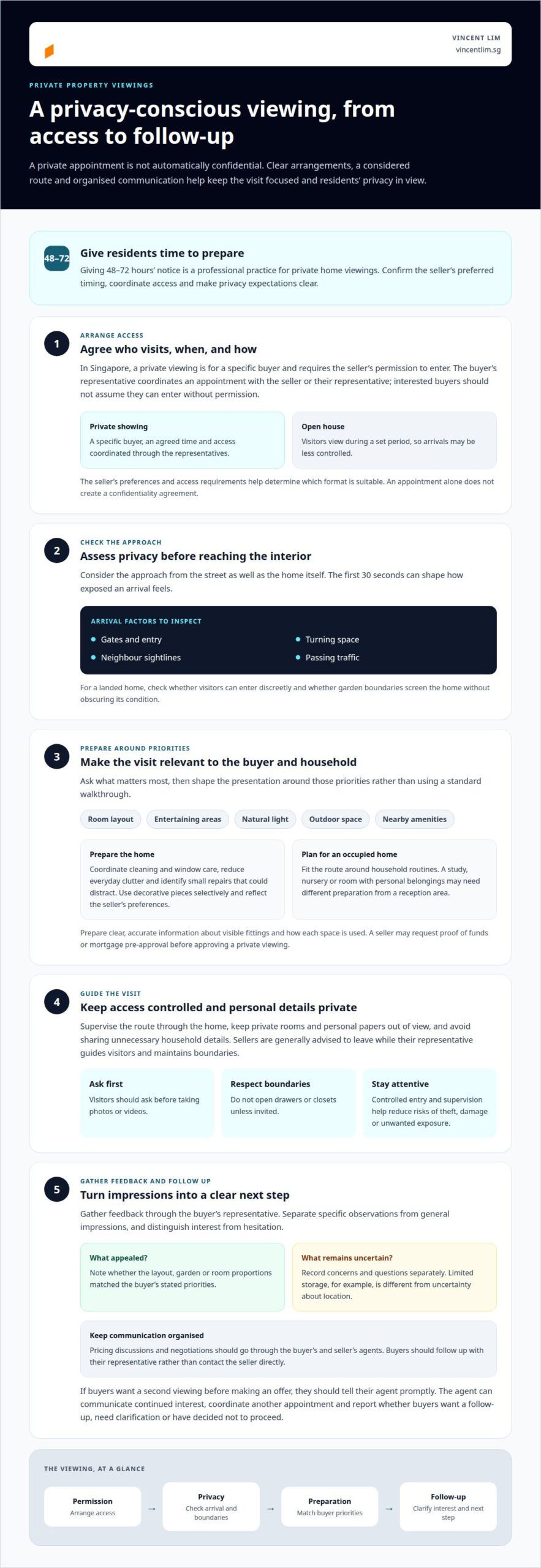
In Singapore, a private viewing is arranged for a specific buyer and requires the seller’s permission to enter. For an HDB flat or private home, the buyer’s representative coordinates an appointment with the seller or their representative. Interested buyers should not assume they can enter without permission.
Before confirming a visit, the professional considers the seller’s preferred timing and household privacy. Giving 48-72 hours’ notice is a professional practice for private home viewings, allowing residents to prepare and access to be coordinated. An appointment is not automatically covered by a confidentiality agreement, so the viewing arrangements should make privacy expectations clear.
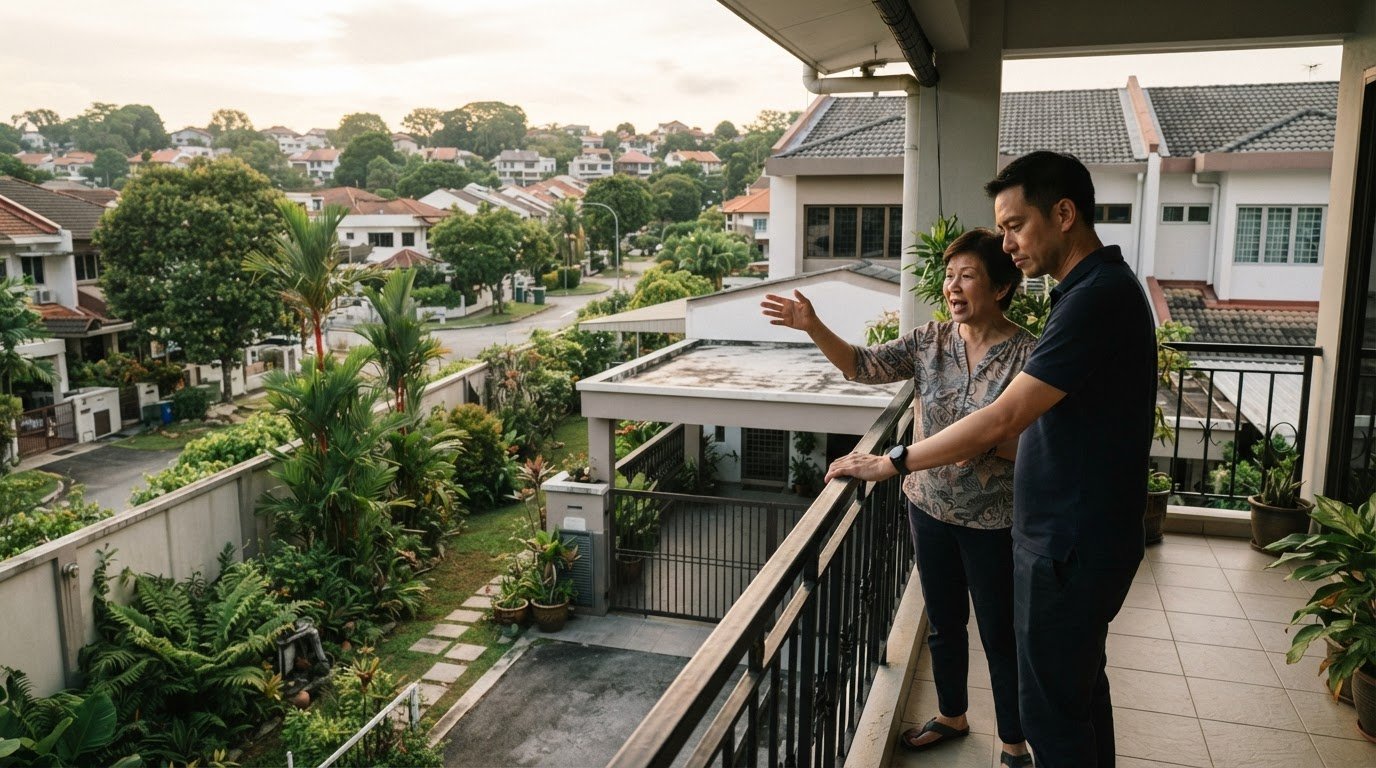
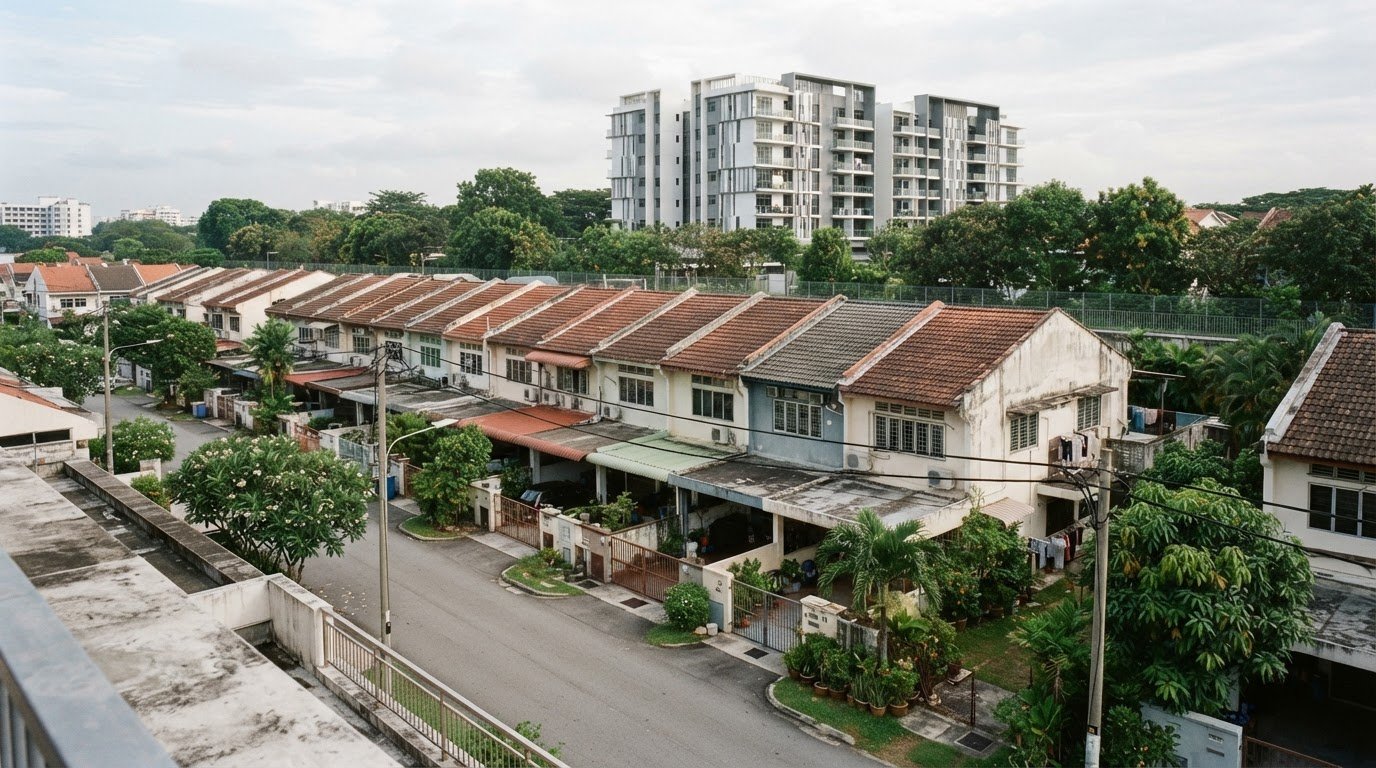
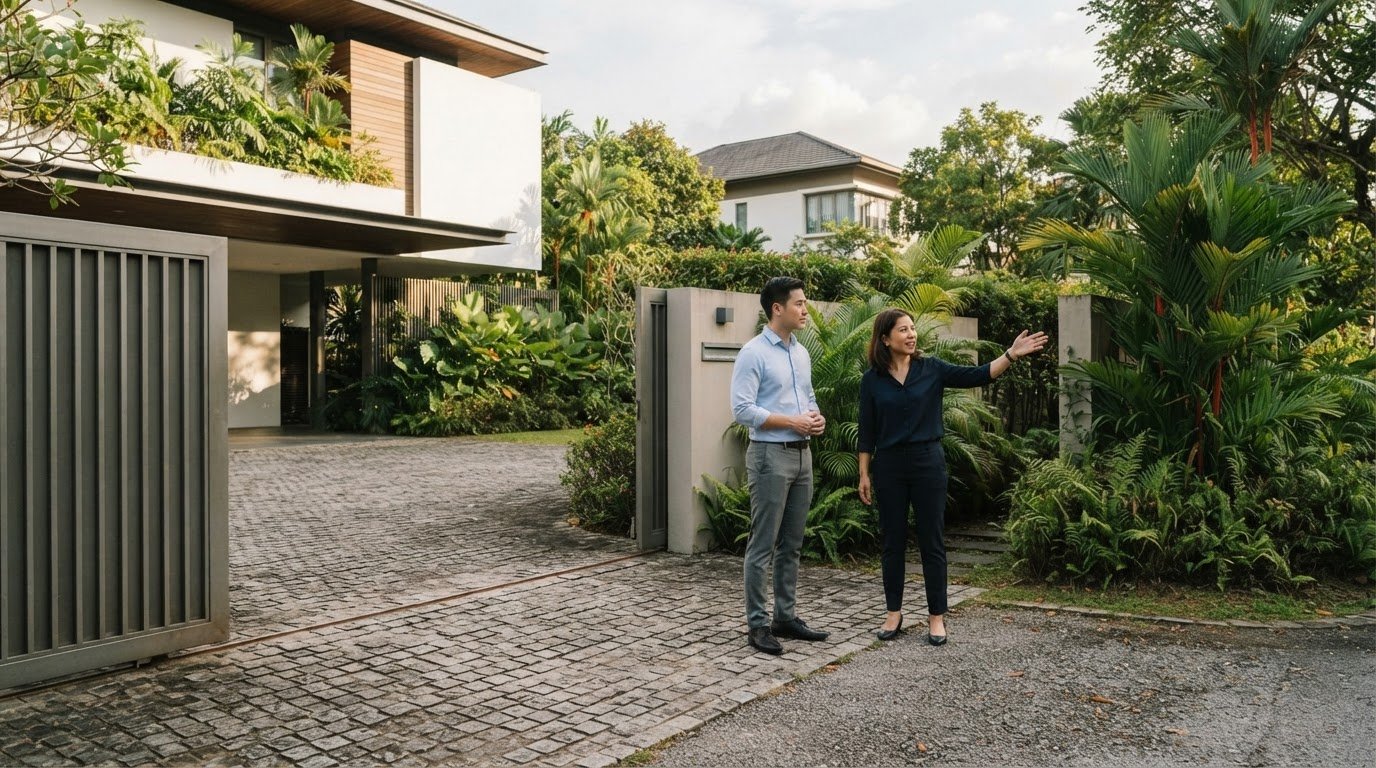
At the property, the professional assesses the approach from the street, not just the interior. During the first 30 seconds, gates, turning space, neighbour sightlines and passing traffic can shape how exposed the arrival feels. For a landed home, the agent can check whether visitors can enter discreetly and whether garden boundaries offer screening without obscuring the property’s condition.
A private showing and an open house serve different purposes. A private showing is arranged for a specific buyer at an agreed time through the buyer’s and seller’s representatives. An open house allows visitors to view the property during a set period, so arrivals may be less controlled. The seller’s preferences and access requirements help determine which format is suitable.
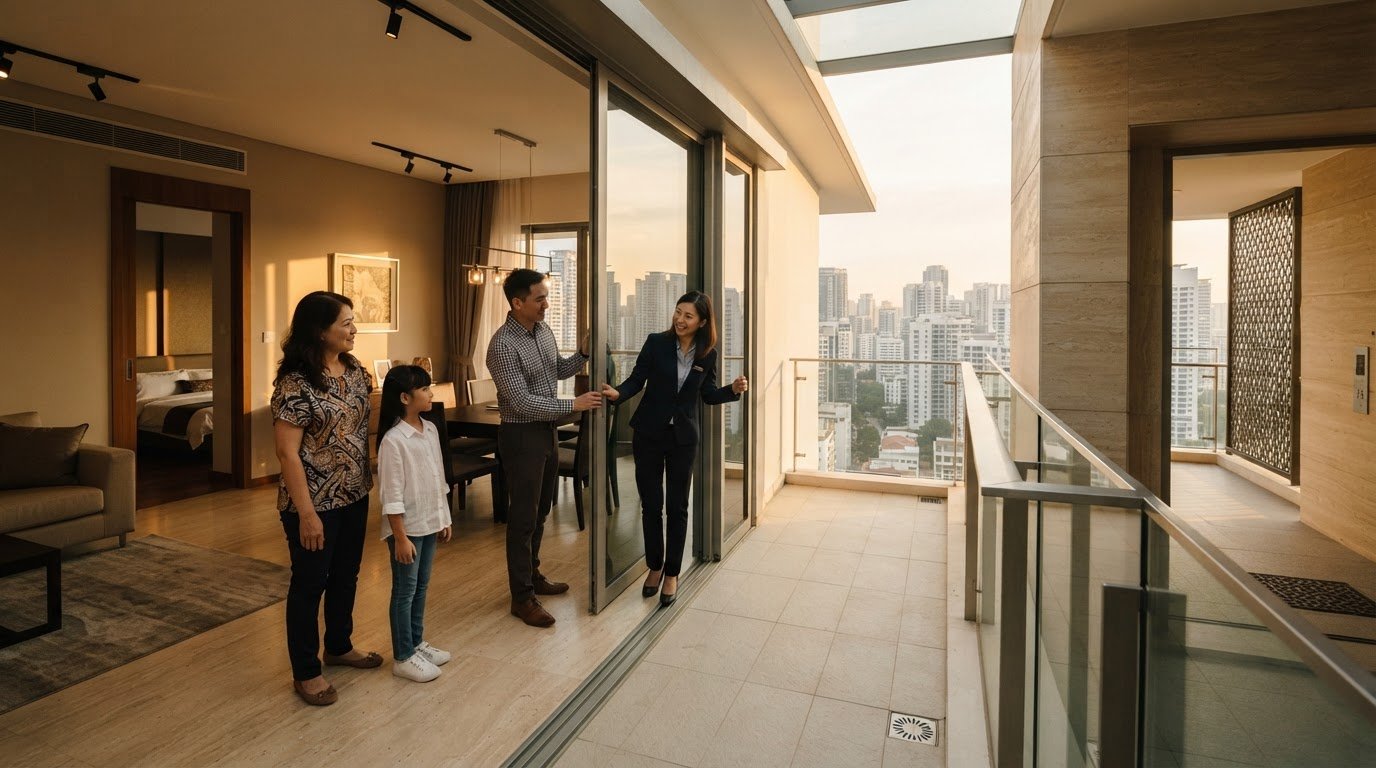
To protect residents, the representative can supervise the route through the home, keep private rooms and personal papers out of view, and avoid sharing unnecessary household details. Visitors should ask before taking photos or videos and should not open drawers or closets unless invited. Poorly managed access can lead to theft, accidental damage or unwanted exposure of personal information. Controlled entry and attentive supervision help reduce these risks. Sellers are generally advised to leave during viewings while their representative guides visitors and maintains boundaries.
2. How professionals assess buyer priorities and prepare for viewings
A deliberate approach to managing viewings for a high-end property starts with understanding each buyer’s priorities. Before planning the visit, the estate agent asks what matters most, such as room layout, entertaining areas, natural light, outdoor space or nearby amenities. The viewing can then focus on relevant features rather than follow a standard presentation.
Preparation starts with reviewing how the home presents. The agent coordinates cleaning and window care, helps remove everyday clutter and identifies small repairs that could distract buyers. Decorative pieces should be used selectively, allowing buyers to imagine their own furnishings while still appreciating the property’s character. This attention to detail mirrors luxury accommodation standards, much like how owners managing upscale villas and boutique holiday stays rely on management teams like Crucial Hospitality to maintain impeccable presentation. Any adjustments should reflect the seller’s preferences.
For an occupied home, the agent plans the route around household routines. A study used for work, a nursery or a room with personal belongings may need different preparation from a reception area. The agent also prepares clear, accurate information about visible fittings and how each space is used.
When managing viewings for a high-end property, buyer readiness may also affect the appointment. A seller may request proof of funds or mortgage pre-approval before approving a private viewing. The agent can establish what buyers want to assess and which questions they need answered. For example, someone looking for entertaining space may want to understand how indoor rooms connect with exterior grounds—a design priority exemplified by luxury private retreats like Villa Cielito del Mar, where open layouts seamlessly blend indoor and outdoor living.
The surrounding area also informs a buyer’s assessment. The agent can explain how nearby amenities relate to the buyer’s priorities and suggest experiencing the area at different times, including rush hour and after dark. This context helps buyers consider how the property and its setting fit their routines.
A considered preparation plan brings the home’s presentation, buyer priorities and seller preferences together. For Singapore landed-home sales, landed property sales guidance can help structure the process around the property and its likely buyers.
3. How professionals gather post-viewing feedback and follow up
After a private viewing, the estate agent gathers feedback through the buyer’s representative. A focused follow-up separates specific observations from general impressions. For example, the agent can note whether the layout, garden or room proportions matched the buyer’s stated priorities. This gives the seller useful information without requiring direct contact with visitors.
Feedback should distinguish interest from hesitation. The agent can clarify which features appealed, what concerns remain and whether the buyer needs more information before deciding. A comment about limited storage, for instance, differs from uncertainty about the location. Recording these points separately helps the seller understand the buyer’s position and plan a response.
Pricing discussions and negotiations should go through the buyer’s and seller’s agents. After a private viewing, buyers should follow up with their representative rather than contact the seller directly. This keeps communication organised and gives the seller one clear channel for questions, feedback and offer-related discussions. An agent can relay the buyer’s position accurately without treating an early impression as a firm decision.
If buyers want a second viewing before making an offer, they should tell their agent promptly. The agent can communicate their continued interest to the seller and coordinate another appointment. A return visit may help buyers assess details they missed, such as how light enters through the windows or how rooms connect during a typical visit.
A useful update for the seller identifies the next step, not just whether visitors liked the home. The agent can report whether buyers want a follow-up, need clarification or have decided not to proceed. For example, a buyer who liked the reception rooms but questioned the garden’s upkeep may need a different response from one still considering the property’s overall fit. Clear, discreet follow-up supports decision-making while maintaining professional distance between both parties.
4. Virtual property viewings
A virtual tour can help buyers assess a Singapore property before arranging an in-person appointment. One format uses a property scan made with a 360° camera. Buyers can view connected spaces remotely and consider whether the home merits a closer visit. It offers a useful first impression, not a substitute for every detail an on-site inspection reveals.
Preparation remains important for a remote scan. The professional plans a route that shows how rooms connect, rather than presenting isolated spaces without context. For a landed home, the route might move from the entrance through reception areas and bedrooms to outdoor spaces. A clear sequence helps buyers understand the layout and how the home relates to its grounds.
Privacy also needs attention during a scan. The professional arranges the presentation to avoid showing personal documents, family photographs or private areas. This matters especially in an occupied home, where a camera can capture details beyond the features buyers need to assess. The seller’s preferences should guide which areas appear and how the property is presented.
During a remote viewing, the estate agent can guide buyers through the tour and answer questions about the spaces shown. A buyer may, for example, want to understand how the dining area connects to the garden or where natural light enters. The agent can note what the buyer would like to examine in person, helping make a later appointment more focused.
Virtual access can help buyers who are overseas or unable to attend the initial appointment. It offers a way to review the layout and setting before arranging an in-person visit. However, a digital scan cannot convey every sensory detail or establish the property’s condition on its own. Buyers may still need to view the home in person and assess it separately.
For Singapore sellers, the practical takeaway is to treat a virtual tour as a carefully prepared introduction, not a replacement for every visit. To discuss a tailored viewing approach for your property, discuss your property sale.
Vincent Lim (OrangeTee & Tie)
Vincent Lim (OrangeTee & Tie) helps sellers plan a considered viewing approach as part of selling a high-end home in Singapore. Clear preparation, controlled access and attentive follow-up help prospective buyers assess the property while respecting the seller’s privacy and preferences.
For a terrace house, semi-detached house or detached house, the viewing plan can reflect the home’s layout, outdoor areas and buyers’ priorities. Good Class Bungalow sales also benefit from presenting the property and its surroundings thoughtfully. A professional can coordinate viewings and manage buyer feedback as part of the wider sale process.
If you’re preparing to sell a high-end property and want to discuss your viewing approach, contact Vincent Lim (OrangeTee & Tie).
Set the terms for a considered sale
A high-end sale benefits from a clear idea of what a successful viewing should achieve. Before deciding on the next step, consider which details matter most to you: how prospective buyers engage with the home, what should remain private and what feedback would help you make informed decisions. These priorities give your real estate professional a practical framework for managing viewings for a high-end property.
That conversation can also clarify how the plan should adapt as buyer interest develops. A seller may prioritise discretion over a high volume of visits, or prefer a virtual introduction before arranging an in-person appointment. The right approach depends on the property, your preferences and buyers’ needs.
Vincent Lim (OrangeTee & Tie) works with sellers of high-end homes in Singapore. If you’re considering your next step, contact Vincent Lim (OrangeTee & Tie) to discuss your property sale and viewing priorities. A clear plan can help you move forward with greater confidence.
Frequently Asked Questions
Are private luxury home viewings confidential or subject to non-disclosure agreements?
No. A private appointment does not automatically mean a confidentiality agreement is in place. If sensitive details matter, the seller’s representative can clarify whether separate written confidentiality terms apply before sharing them. Buyers should treat information about an occupied home discreetly, including details about residents, possessions or routines. The appointment format alone does not promise that information will remain confidential.
How do professionals arrange a private showing of a luxury home?
The buyer’s and seller’s representatives coordinate the request and seek the seller’s permission to enter. Buyers can help by sharing their main property priorities and any timing constraints. For example, someone comparing several homes may need enough time to consider the layout and setting. An off-market home is not automatically available to view.
Open House or Private Showing: Which Is Better?
A private showing generally suits a seller who prioritises controlled access and a visit focused on one prospective buyer. An open house may suit a seller who wants visitors to view the property during a set period. The choice depends on the seller’s privacy preferences, the property’s circumstances and the intended viewing experience. Neither format guarantees buyer interest or a particular outcome.
What qualifications or proof of funds are required for a luxury property viewing?
There is no automatic qualification requirement for every viewing. A seller may request proof of funds or mortgage pre-approval before approving access. Buyers can ask their representative which document the seller requires and provide relevant evidence through an appropriate channel. A viewing request should also state who intends to attend and the buyer’s purpose, so the seller can consider it clearly.
How do professionals schedule and manage private viewings for luxury homes?
Professionals coordinate the time with both representatives and the seller, then confirm practical details such as the agreed entrance and areas to be viewed. For an occupied home, the plan can account for residents’ routines and any rooms they prefer to keep private. If a buyer’s timing changes, the representatives can update one another before access is arranged, avoiding an unexpected arrival.
What security and privacy measures do professionals use during property viewings in Singapore?
The professional can agree on access instructions in advance and share entry details only with the intended visitors. Before the appointment, the seller can identify personal areas or information to keep out of view. The agent can also clarify whether photography is permitted and avoid discussing residents’ schedules or security arrangements during the visit. These precautions support a more controlled viewing without implying complete confidentiality.