Acquiring a Good Class Bungalow is less a standard property transaction and more a high-stakes strategic maneuver within Singapore’s most restricted land class. You likely recognize that securing one of the approximately 2,800 gazetted plots requires more than just significant capital. It demands a sophisticated understanding of how to buy a gcb in singapore while managing stringent Singapore Land Authority regulations and accessing elusive off-market data. The challenge lies in identifying a rare asset that offers both immediate prestige and long-term redevelopment potential without overextending on price.
This guide provides a professional roadmap to master the complex acquisition process of the city’s most prestigious real estate. We’ll outline the exact steps to ensure full compliance with URA guidelines and explain how the current 2026 tax framework, including the 8% Buyer’s Stamp Duty on high-value plots, impacts your investment. You’ll gain the clarity needed to secure a legacy asset that serves as a cornerstone for capital preservation and multi-generational wealth.
Key Takeaways
- Identify the specific URA-mandated criteria, including the 1,400 sqm minimum land size, that distinguish a Good Class Bungalow from standard detached houses.
- Master the complex legal framework and eligibility requirements detailing how to buy a gcb in singapore as a citizen or via the exceptional economic contribution pathway.
- Learn why land area is the primary driver of valuation and how to assess a plot’s long-term redevelopment potential for capital preservation.
- Follow a disciplined five-step acquisition roadmap designed to navigate the lack of transparent market data and secure rare off-market opportunities.
- Understand the strategic advantage of engaging elite professional networks to coordinate the legal, tax, and architectural components of a legacy-building transaction.
The Pinnacle of Singapore Real Estate: Defining the GCB in 2026
The Good Class Bungalow (GCB) represents the absolute summit of residential ownership in the city-state. For high-net-worth individuals exploring how to buy a gcb in singapore, the journey begins with understanding the rigid specifications set by the Urban Redevelopment Authority (URA). These properties are more than just large homes; they are a distinct asset class defined by an architectural history of bungalows that has evolved into a symbol of ultimate success and national heritage.
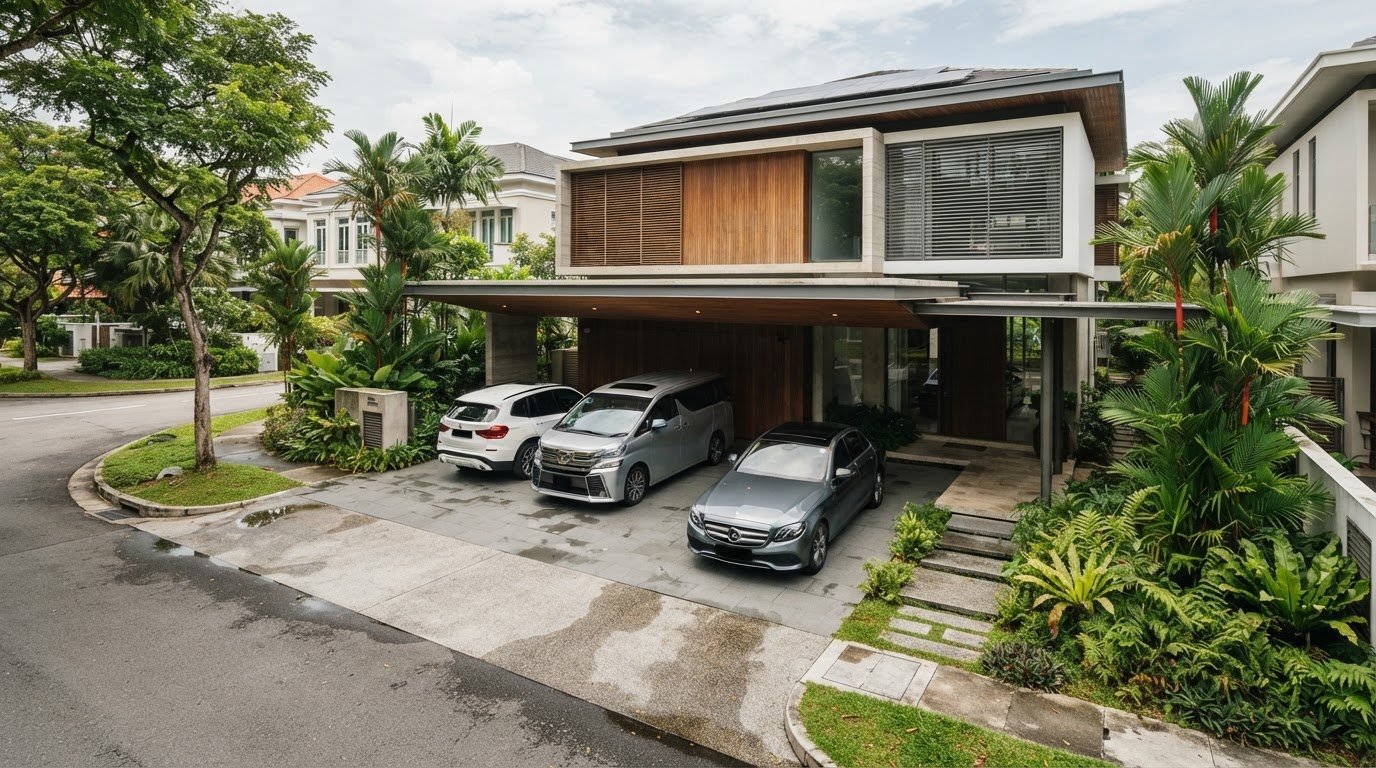
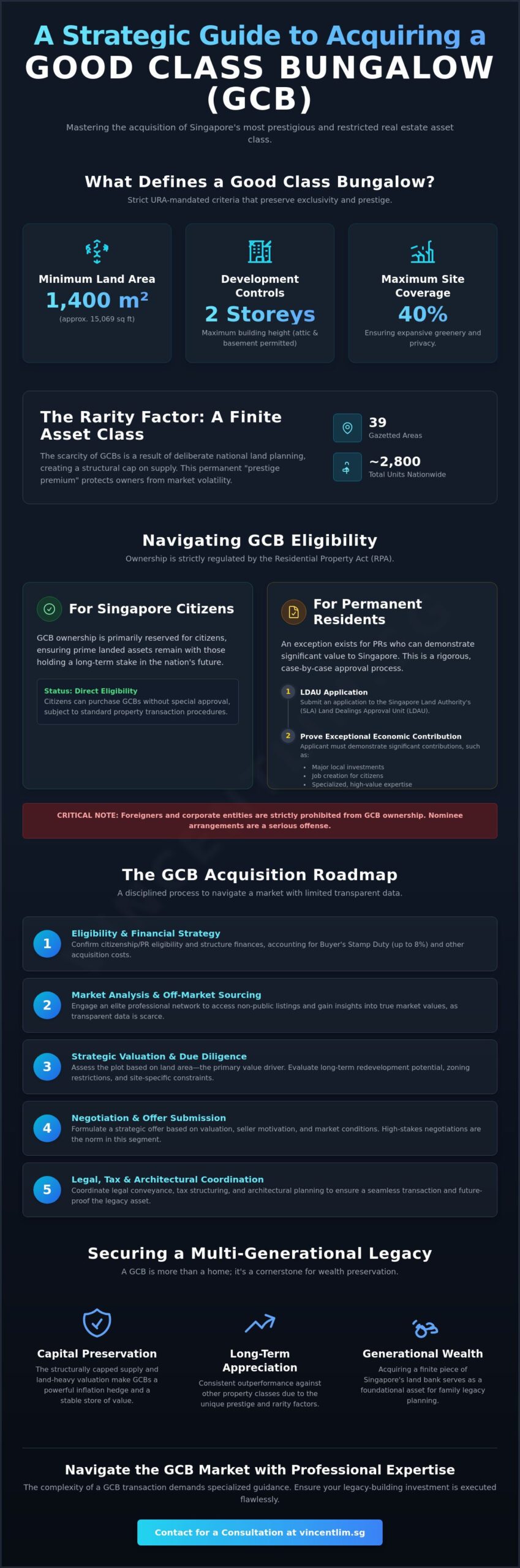
To qualify as a GCB, a property must meet stringent criteria that preserve its exclusivity and low-density character. The land area must be at least 1,400 square meters, approximately 15,069 square feet. Additionally, the building height is capped at two storeys, though an attic and basement are permitted. These regulations ensure that GCB areas remain lush, private, and shielded from the urban density found elsewhere in the country. In 2026, these assets remain the ultimate inflation hedge, offering a level of wealth preservation that few other financial instruments can match.
The 2026 Market Landscape for Ultra-Luxury Landed Homes
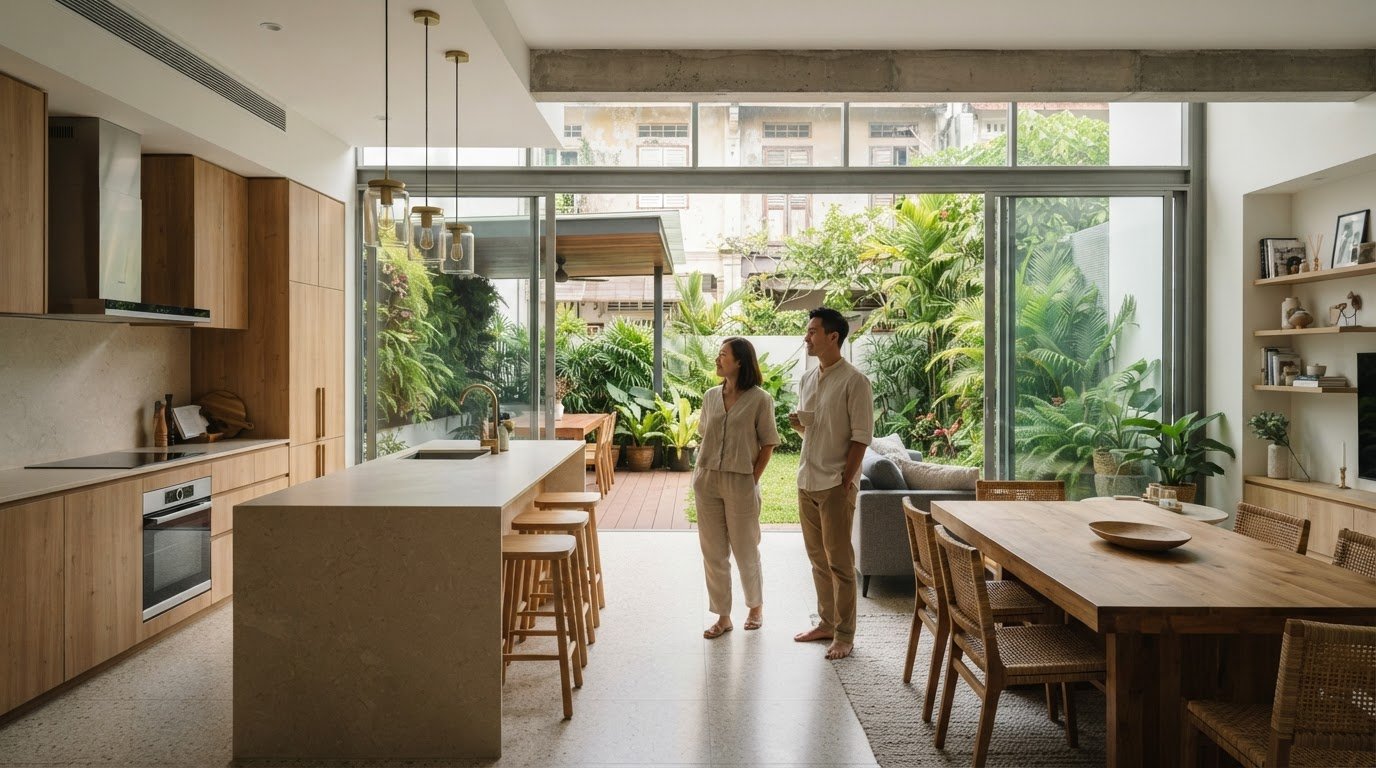
The current market is defined by a significant supply-demand imbalance across the 39 gazetted GCB areas. While demand from local ultra-high-net-worth families continues to rise, the inventory remains static. We’re seeing a clear shift toward modern, sustainable architectural designs that incorporate smart-home technology and green building materials. Investors often compare these estates to other landed property for sale Singapore offers, but GCBs consistently outperform in long-term capital appreciation due to their unique status and land-heavy valuation.
The Rarity Factor: Why Supply is Structurally Capped
The scarcity of GCBs isn’t accidental; it’s a result of deliberate national land planning. The URA gazetting process prevents the creation of new GCB areas, meaning the total count of approximately 2,800 units is unlikely to increase. Some specific heritage plots are further restricted by conservation rules, which protect their historical facade while allowing for internal modernization. This structural cap on supply creates a permanent “prestige premium” that protects owners from market volatility. When you learn how to buy a gcb in singapore, you aren’t just purchasing a residence; you’re acquiring a finite piece of the nation’s limited land bank. To fully appreciate the planning parameters and gazetted enclave distinctions that underpin this scarcity, understanding what is a Good Class Bungalow and how it differs from standard detached houses is an essential first step.
- Gazetted Areas: 39 exclusive districts including Nassim, Cluny, and Dalvey.
- Total Inventory: Approximately 2,800 units nationwide.
- Site Coverage: Maximum 40% to ensure expansive greenery and privacy.
Navigating GCB Eligibility: Regulatory Requirements and Restrictions
Understanding how to buy a gcb in singapore requires a firm grasp of the Residential Property Act (RPA). This legislation acts as the gatekeeper for the nation’s most prestigious land. Generally, GCB ownership is strictly reserved for Singapore Citizens. The government maintains this policy to ensure that prime landed assets remain in the hands of those with a deep, long-term stake in the country’s future. Foreigners and corporate entities are prohibited from acquiring these properties; there are no loopholes for offshore companies or foreign-owned entities.
The Singapore Land Authority (SLA) enforces these rules with absolute precision. Any attempt to bypass these restrictions through nominee arrangements is a serious offense. For the high-net-worth investor, compliance isn’t just about following the law. It’s about protecting the integrity of the asset and ensuring that the title remains beyond legal challenge for generations to come.
The LDAU Application Process for Permanent Residents
While the general rule is restrictive, Singapore Permanent Residents (PRs) may apply for approval through the Land Dealings Approval Unit (LDAU). This isn’t a mere formality. The applicant must demonstrate an “exceptional economic contribution” to Singapore. This typically involves significant local investment, job creation for citizens, or specialized expertise that benefits the national economy.
The vetting process is rigorous and methodical. LDAU examines the applicant’s professional record, tax contributions, and overall standing within the community. The timeline for approval often spans several months. Success requires a meticulously prepared dossier that proves the individual’s commitment to the nation. If you’re evaluating your eligibility or looking for bespoke guidance on GCB acquisitions, professional consultation is the first step toward a successful transaction.
Trust Structures and GCB Ownership
In 2026, regulatory oversight regarding property held under trusts has intensified to ensure transparency. Acquiring a GCB via a trust is a common strategy for legacy planning and wealth transfer. However, this path triggers specific tax implications that you must calculate early in the process. Any residential property transferred into a living trust is subject to an upfront Additional Buyer’s Stamp Duty (ABSD).
- Singapore Citizens: 0% for the first property, 20% for the second, and 30% for subsequent purchases.
- Permanent Residents: A flat 35% ABSD applies to their residential acquisitions.
- Foreigners: Face a 60% ABSD rate, though their approval for GCBs is exceptionally rare.
These costs make precise legal structuring essential. You should engage specialized counsel to ensure your legacy planning aligns with current SLA and IRAS requirements. A well-structured trust can provide peace of mind, but it requires a clear understanding of the financial obligations involved at the point of purchase.
Strategic Valuation: Assessing GCB Land Size and Potential
When you’re evaluating how to buy a gcb in singapore, you’ve got to look past the aesthetic appeal of the existing structure. In this elite asset class, the primary value resides in the land. While a beautifully designed bungalow adds immediate utility, seasoned investors prioritize the GCB land size as the true driver of long-term capital preservation. A larger plot doesn’t just offer more space; it provides the strategic flexibility to rebuild a bespoke masterpiece that meets modern luxury standards.
Redevelopment potential is a critical factor in your valuation. If a plot exceeds 2,800 square meters, it may offer the rare opportunity for subdivision into two separate GCB titles, provided each resulting plot adheres to the URA’s 1,400 square meter minimum. This effectively doubles the asset’s liquidity and exit options. Beyond size, the plot’s shape and road frontage determine how imposing the final architecture can be. A wide frontage allows for a grander entrance and more efficient use of the 40% maximum site coverage allowance.
Topography and Architectural Flexibility
The terrain of a GCB plot significantly influences both its market price and its construction complexity. Elevated plots are the gold standard. They provide natural privacy, better ventilation, and often unblocked views of the surrounding greenery. Conversely, sunken plots or those with steep slopes require sophisticated engineering and higher development costs to manage drainage and foundation stability. We look for “table-top” land that offers a flat, usable surface, as this minimizes hidden costs and maximizes the usable garden and pool area.
Investment Metrics: Beyond Price Per Square Foot (PSF)
Valuing a GCB requires a different lens than assessing a luxury condo for sale Singapore. In the condominium market, you’re primarily paying for floor area and shared amenities. With a GCB, you’re acquiring a finite piece of Singapore’s national land bank. In 2026, median prices have hovered around S$2,100 per square foot, but this figure is a baseline.
The “structure value” of an older bungalow is often discounted or treated as zero if the buyer intends to rebuild. We focus on the “intrinsic land value,” which accounts for the specific GCB area’s prestige and the plot’s unique characteristics. This disciplined approach ensures you don’t overpay for a property that lacks the topographical or structural potential to support a high-value redevelopment.
- Intrinsic Value: Focus on the land’s location and redevelopment potential.
- Frontage: Prioritize plots with wide road access for architectural presence.
- Subdivision: Analyze plots over 2,800 sqm for potential dual-title creation.
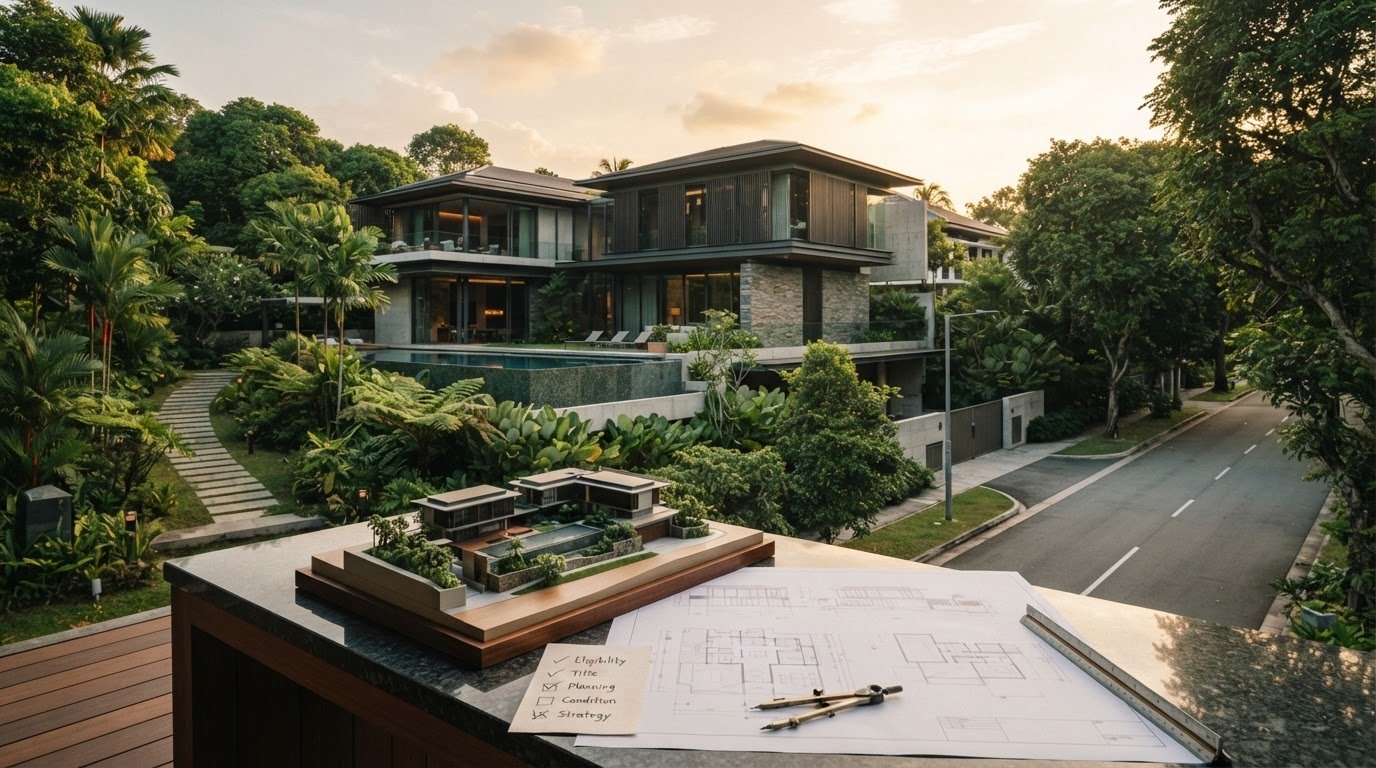
The GCB Acquisition Roadmap: A Systematic 5-Step Process
Mastering the logistics of a high-value transaction requires a steady, methodical approach. Understanding how to buy a gcb in singapore involves moving through a disciplined acquisition framework that prioritizes transparency and risk mitigation. This isn’t a standard purchase; it’s a strategic maneuver that demands precision at every stage to protect your capital and your legacy.
- Step 1: Define the Investment Mandate. We begin by establishing your specific requirements, including preferred GCB areas and financial structures. This phase integrates the trust and tax considerations discussed earlier to ensure the acquisition aligns with your long-term wealth strategy.
- Step 2: Access Off-Market Inventory. Most GCB transactions occur away from the public eye. We utilize professional networks to identify “pocket listings” that never reach open listing portals, giving you access to the most exclusive inventory.
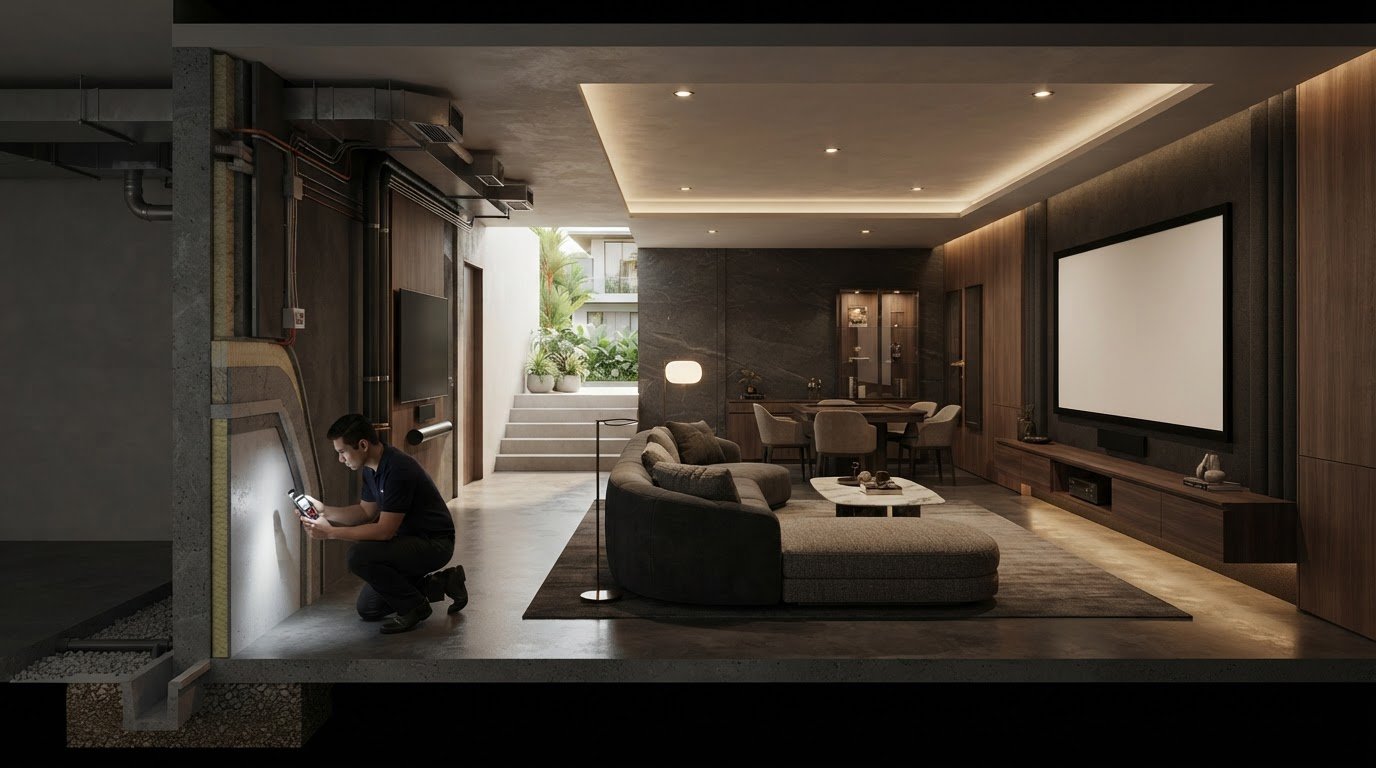
- Step 3: Rigorous Technical and Legal Due Diligence. We coordinate with experts to conduct exhaustive URA and SLA checks. This step identifies any land constraints or easements that could impact the property’s future redevelopment potential.
- Step 4: Strategic Negotiation. We execute negotiations via Private Treaty. This approach allows for a more controlled, confidential, and sophisticated agreement compared to public auctions or standard bids.
- Step 5: Legal Conveyance and Handover. The final stage involves managing the meticulous legal transfer of the title. We ensure all conditions of the sale are met and the handover process is executed with white-glove professionalism.
Sourcing the Unlisted: The Power of Off-Market Networks
Privacy is the hallmark of the GCB market. Many owners prefer “silent listings” to protect their family’s anonymity and maintain the asset’s prestige. You won’t find these opportunities on standard property websites. A specialist broker acts as a trusted intermediary, matching qualified buyers with sellers who value a discreet exit. This exclusivity ensures that only serious, vetted parties are involved, preserving the property’s market standing and avoiding unnecessary exposure during the sale process.
Due Diligence: Identifying Hidden Constraints
A GCB plot may look perfect on the surface, but hidden technical constraints can limit its true potential. We meticulously check for drainage reserves or sewerage easements that might cut across the land. These features can significantly restrict where you can build, effectively reducing your 40% site coverage allowance. Additionally, we verify URA’s conservation guidelines. If a bungalow is gazetted for conservation, your ability to alter the exterior will be strictly regulated, which may conflict with plans for a modern rebuild. If you’re looking for a partner to guide you through these complexities, explore our Good Class Bungalow (GCB) Sales listings for expert representation.
Securing Your Legacy: Why Professional Brokerage is Essential
A Good Class Bungalow is rarely viewed as a mere residence. For the families who acquire them, these estates represent a multi-generational legacy and a cornerstone of wealth preservation. When you’re determining how to buy a gcb in singapore, you aren’t just looking for a property; you’re looking for a strategic partner who can navigate the complexities of the ultra-luxury market with absolute discretion. This level of acquisition requires an Elite Strategist who functions as a central coordinator between your legal counsel, tax advisors, and architectural teams.
Our white-glove approach ensures that every detail, from the initial mandate to the final handover, is managed with calculated competence. We understand that at this level of the market, time is your most valuable asset. By providing a single point of accountability, we alleviate the stress of high-stakes transactions, allowing you to focus on the long-term vision for your family’s estate. This isn’t just a one-time service; it’s a long-term partnership built on the gold standard of integrity and transparency.
- Identity Protection: Maintaining anonymity throughout the off-market sourcing process is vital for high-profile buyers.
- Expert Coordination: We manage the synergy between tax, legal, and design professionals to ensure a seamless acquisition.
- Asset Progression: Our focus remains on long-term planning for capital preservation and multi-generational transfer.
The Value of a Seasoned GCB Specialist
A specialist advocate provides more than just access to unlisted properties. We understand the specific nuances of UHNWI requirements, from enhanced security features to specialized basement requirements for private collections. Professional representation is your primary shield, protecting your identity during sensitive negotiations and ensuring your leverage is never compromised by premature exposure. Beyond the point of sale, we offer ongoing support to coordinate renovation feasibility studies and portfolio management, ensuring your asset continues to appreciate in line with national benchmarks.
Next Steps in Your GCB Journey
Preparation is the foundation of a successful acquisition. Before entering the market, ensure your financial structures are optimized for the 2026 stamp duty framework and that your proof of funding is readily available for Private Treaty negotiations. If you’re a Permanent Resident, we’ll help you assess your LDAU readiness to ensure your application for “exceptional economic contribution” is as compelling as possible.
To begin defining your investment mandate and mastering how to buy a gcb in singapore, Schedule a confidential GCB strategy session with Vincent Lim today. We’ll provide the clarity and expertise needed to secure your piece of Singapore’s most exclusive land class with total peace of mind.
Securing Your Multi-Generational Asset in 2026
Acquiring a Good Class Bungalow is a definitive statement of success and a strategic move for long-term wealth preservation. We’ve examined the structural rarity of these approximately 2,800 gazetted units and the disciplined roadmap required to secure them in a competitive landscape. Success depends on a deep understanding of the URA’s 1,400 square meter minimum criteria and the rigorous LDAU approval pathways for Permanent Residents. Navigating how to buy a gcb in singapore is a sophisticated endeavor that rewards patience, precision, and access to exclusive off-market networks.
As an Executive Associate Director at OrangeTee & Tie, I’ve specialized in UHNWI asset progression since 2004. My expertise in navigating the URA and LDAU regulatory frameworks ensures that your acquisition is managed with the highest level of professional discipline. We prioritize your privacy and capital preservation at every stage of the transaction. Begin your bespoke GCB acquisition journey with Vincent Lim today. Your legacy deserves the precision of a seasoned strategist who understands the weight of these high-stakes investments. We look forward to securing your family’s future together.
Frequently Asked Questions
Can a Singapore PR buy a Good Class Bungalow in 2026?
Singapore Permanent Residents can purchase a GCB only after obtaining specific approval from the Land Dealings Approval Unit. This exception is reserved for individuals who demonstrate exceptional economic contributions to the nation, such as significant local investment or job creation. It’s a rigorous process that requires a meticulously prepared application to prove long-term commitment to Singapore’s growth.
What is the minimum land size required for a property to be classified as a GCB?
A property must possess a minimum land area of 1,400 square meters to be classified as a Good Class Bungalow under URA guidelines. This translates to approximately 15,069 square feet of land. While the house itself can vary in size, the vast majority of the valuation resides in this substantial land plot, which must also adhere to a maximum site coverage of 40%.
How does the LDAU application process work for high-value landed properties?
The LDAU application involves a comprehensive vetting of the buyer’s professional background, financial standing, and contributions to Singapore. Applicants submit a formal request to the Singapore Land Authority, which then assesses the merits of the purchase against national interest. This methodical process typically takes several months and requires precise documentation to ensure a successful outcome for the prospective owner.
Are GCBs always freehold, or do leasehold options exist?
Most GCBs are freehold or held on 999-year leases, which supports their status as premier legacy assets. However, a small number of 99-year leasehold bungalows exist within specific gazetted areas. Buyers should conduct thorough title searches to verify the tenure, as this significantly influences long-term capital appreciation and the strategic approach to how to buy a gcb in singapore.
What are the Additional Buyer’s Stamp Duty (ABSD) rates for GCBs in 2026?
In 2026, Singapore Citizens pay 0% ABSD on their first residential property, 20% on their second, and 30% on subsequent purchases. Permanent Residents face a flat rate of 35%, while foreigners, if approved, are subject to 60%. These rates are calculated based on the purchase price or market value, making tax planning a critical component of the acquisition strategy.
Can I subdivide a GCB plot if the land size exceeds 2,800 sqm?
You can subdivide a GCB plot provided each resulting land parcel meets the minimum 1,400 square meter requirement. The newly created plots must also comply with URA planning parameters, including road frontage and depth specifications. This maneuver effectively doubles the asset’s liquidity and is a primary reason why larger plots command a significant strategic premium in the market.
What happens if I buy a GCB that has been gazetted for conservation?
Purchasing a conservation GCB means you’re responsible for preserving the building’s historical facade and structural integrity. While the interior can often be modernized to high-luxury standards, any external alterations require strict approval from the URA. These properties are rare and prestigious, though they demand a more specialized architectural approach to balance heritage requirements with modern living needs.
How do GCB prices compare to other detached houses in Singapore?
GCBs command a significant price premium over standard detached houses due to their exclusive gazetted locations and massive land requirements. While a standard detached house might sit on 400 to 800 square meters, a GCB’s minimum 1,400 square meter footprint ensures a higher entry price. This rarity, combined with the 40% site coverage rule, creates a unique value proposition for how to buy a gcb in singapore compared to other landed classes. For a deeper understanding of the precise URA planning parameters and enclave distinctions that set these properties apart, our comprehensive guide on what is a Good Class Bungalow in Singapore’s 2026 market provides the technical clarity every serious buyer needs.