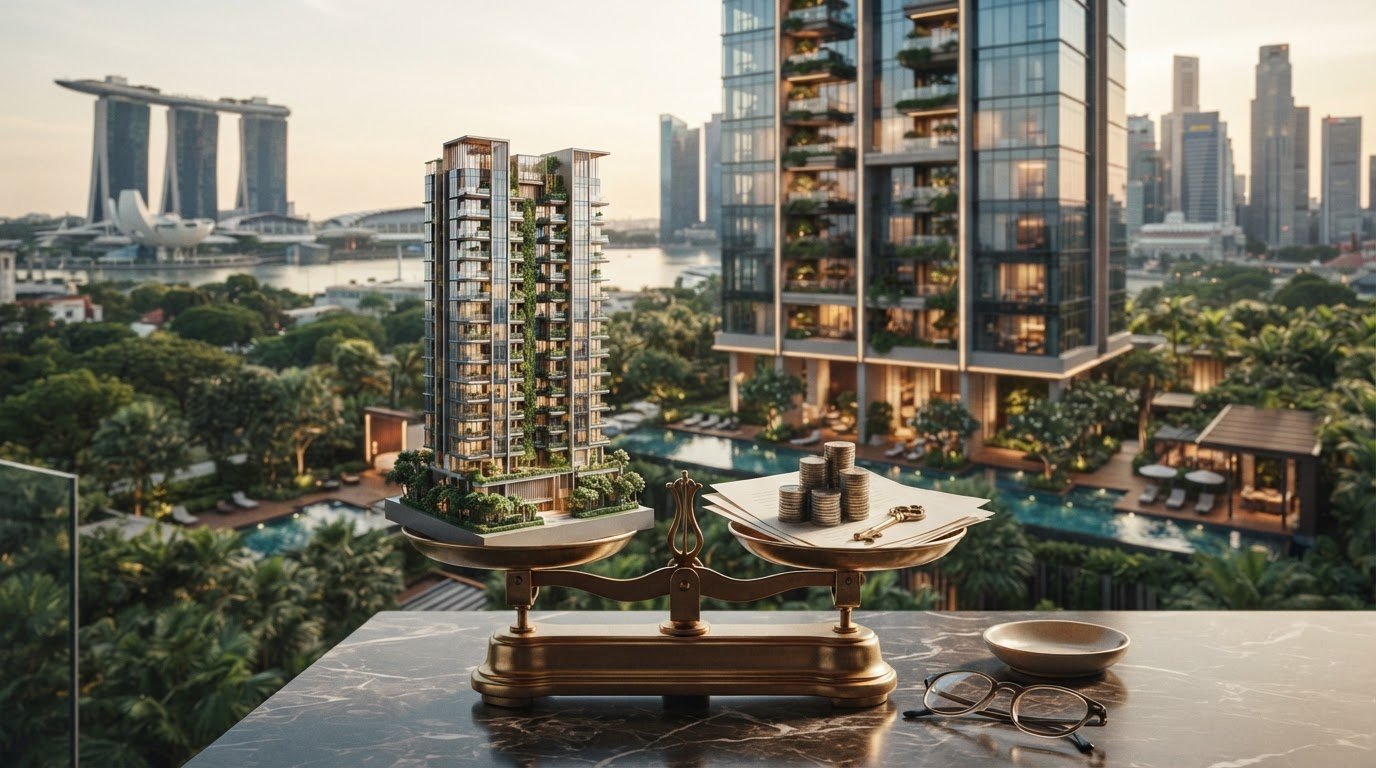
In a market where the URA hasn’t zoned new mainland landed plots for over a decade, your property’s value isn’t just in its current walls; it’s in the untapped potential of the land itself. While landed prices rose by 2.5% in the second quarter of 2026, many owners still struggle to bridge the gap between their home’s current state and its maximum permissible floor area. It’s natural to feel uncertain about whether to pursue a minor Addition & Alteration (A&A) or a full reconstruction, especially with the fear of over-capitalizing on features that future buyers may not value.
This guide provides a definitive roadmap on how to increase landed property value before selling by focusing on strategic refinements and structural optimization. You’ll discover elite strategies to navigate complex URA guidelines and the latest 2026 Land Betterment Charge rates, ensuring your project remains profitable. We will examine how to unlock the highest and best use of your plot to secure a faster sale at a record-breaking price per square foot, providing you with the calm, calculated confidence needed for a high-stakes transaction.
Key Takeaways
- Identify why maximizing Gross Floor Area (GFA) and understanding “unrealized potential” are the most effective levers for driving capital appreciation in Singapore’s land-scarce market.
- Navigate the technical thresholds between A&A and full reconstruction to determine how to increase landed property value before selling without over-capitalizing on structural changes.
- Prioritize high-ROI internal refinements, such as integrated smart home ecosystems and professional-grade kitchens, to satisfy the rigorous standards of 2026 luxury buyers.
- Enhance external prestige and privacy through strategic landscaping and curb appeal enhancements that establish a record-breaking price ceiling from the first impression.
- Understand the necessity of a specialized marketing engine and off-market networks when transacting high-value assets like GCBs and luxury detached homes.
Defining the Value Drivers of Singapore Landed Property in 2026
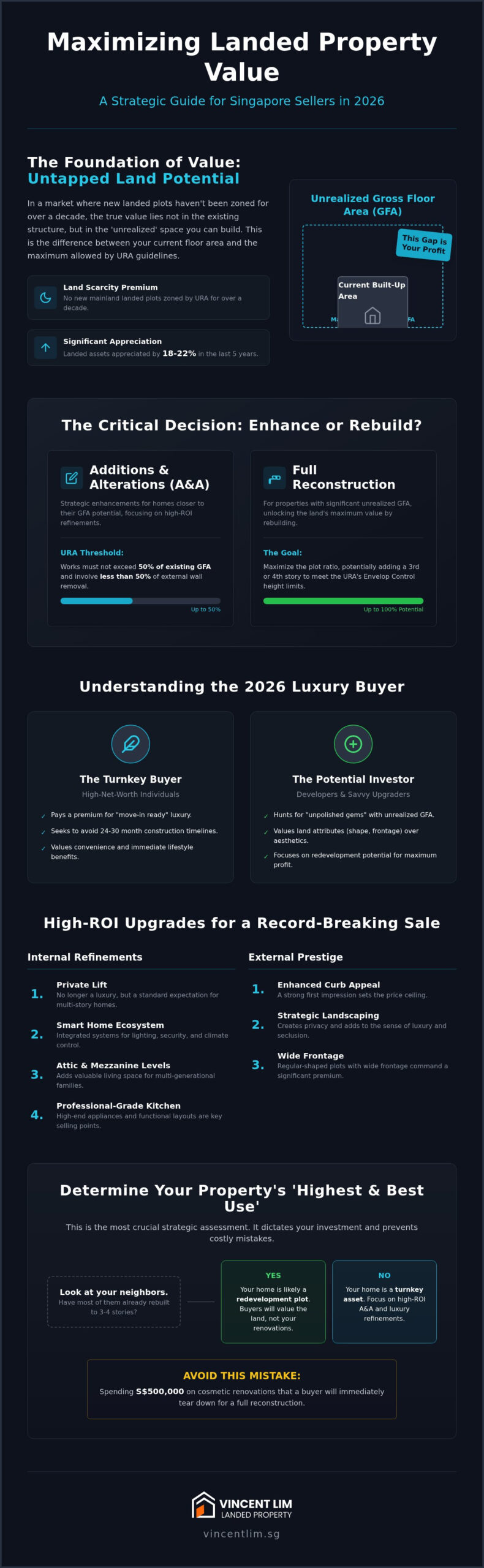
In Singapore’s constrained geography, the value of a landed home is increasingly decoupled from its physical structure. As of August 2026, the market has entered a period of structurally higher pricing, with landed assets appreciating by approximately 18-22% on a per-square-foot basis over the last five years. Understanding how to increase landed property value before selling begins with a clinical assessment of the land’s underlying attributes. While freehold status remains the gold standard for legacy planning, savvy buyers now scrutinize “unrealized GFA” (Gross Floor Area). This represents the difference between your current built-up area and the maximum space allowed under URA Envelop Control guidelines. If your home hasn’t utilized its full plot ratio, you’re essentially selling a development opportunity rather than just a residence. This distinction is central to how property value is determined in high-stakes transactions.
The psychological gap between “move-in ready” luxury and “redevelopment potential” creates two distinct buyer pools. High-net-worth individuals often pay a premium for a turnkey home to avoid the 24 to 30 month construction timelines common in 2026. Conversely, investors look for “unpolished gems” where the land value has not been fully realized through structural expansion. Balancing these expectations is the hallmark of an elite strategist who understands that land value exists beyond mere aesthetics.
The Scarcity Premium of Landed Assets
The URA hasn’t zoned new mainland landed plots for over a decade, making every terrace house for sale Singapore offers a finite commodity. In 2026, buyers prioritize land shape and frontage width as much as total square footage. A regular-shaped plot with a wide frontage allows for more efficient architectural layouts, which commands a premium over irregular or “land-locked” plots. Asset progression trends show that HDB and condominium upgraders are looking for long-term wealth preservation, making the intrinsic value of the land the primary driver of their investment decisions.
Identifying Your Property’s ‘Highest and Best Use’
Before committing to capital-intensive renovations, you must determine if the market views your property as a turnkey luxury home or a redevelopment plot. If neighboring units have already undergone reconstruction to three or four stories, your older semi-detached might be valued primarily for its land. Highest and Best Use is defined as the most legally permissible, physically possible, and financially feasible use of a land parcel that results in the highest valuation under current URA guidelines. Identifying this early prevents the mistake of spending S$500,000 on renovations that a buyer will simply tear down to maximize the plot’s potential. Observing neighboring redevelopments provides a clear signal of the price ceiling in your specific street.
Strategic Additions and Alterations (A&A) vs. Full Reconstruction
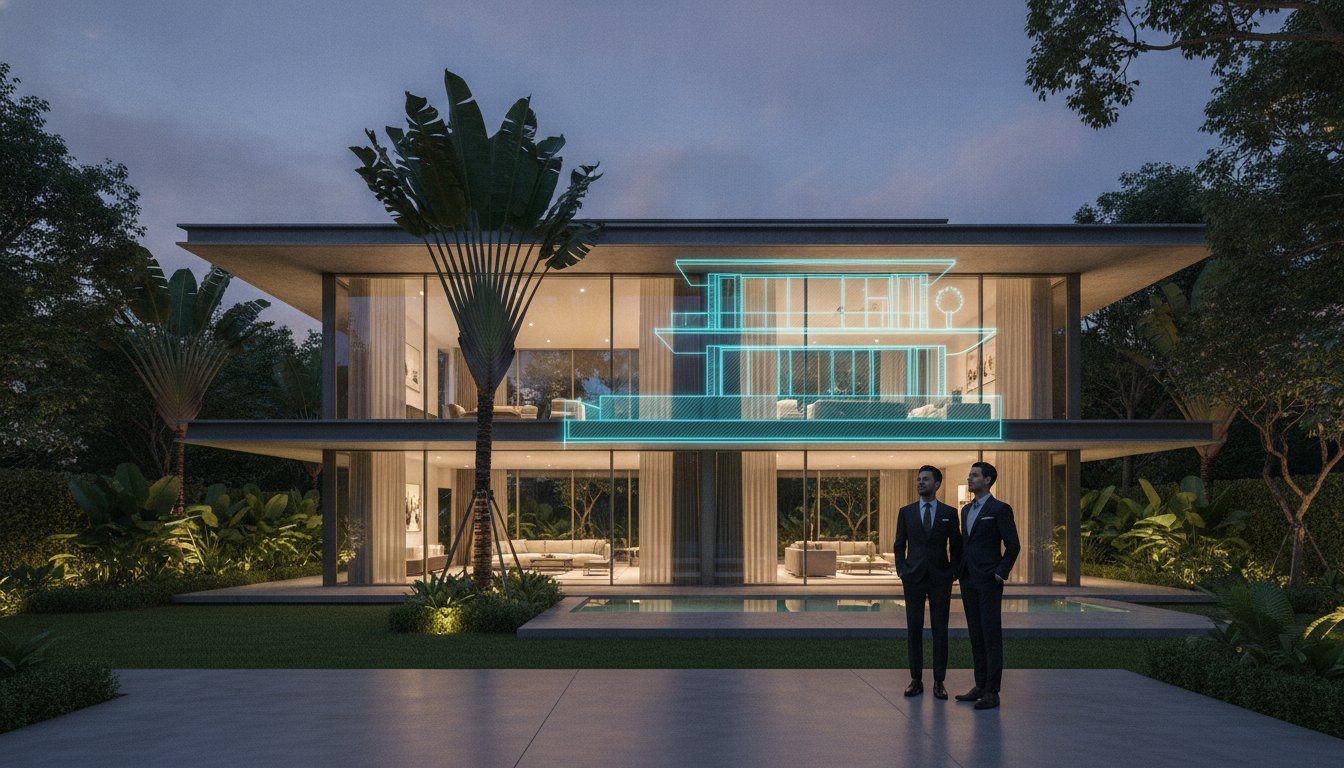
Deciding between Additions and Alterations (A&A) or a full reconstruction is a pivotal choice when considering how to increase landed property value before selling. Technically, A&A works must not exceed 50% of the existing Gross Floor Area (GFA), and less than 50% of external walls or structures can be removed. If your project exceeds these URA thresholds, it’s classified as a reconstruction. For properties with significant unrealized GFA, a full reconstruction allows you to maximize the current Envelop Control height limits, potentially adding a third or fourth story that older structures simply cannot support. In the current Singapore property market, where the average price per square foot has reached S$1,815.79, every additional square meter of habitable space provides a tangible boost to your exit valuation.
Maximizing Gross Floor Area (GFA)
Strategic optimization of space often yields a higher ROI than purely cosmetic upgrades. Incorporating attic spaces and mezzanine levels can transform a standard unit into a multi-generational home with extra bedrooms. In 2026, the inclusion of a private lift is no longer a luxury but a standard expectation for multi-story semi-detached and detached houses. It future-proofs the home for aging residents. Additionally, using voids and double-volume ceilings creates a sense of grandeur that justifies a record-breaking PSF. These architectural features don’t just add square footage; they enhance the perceived volume and light, which are critical drivers in high-end transactions.
The Timeline and Cost Implications
Construction costs in 2026 remain elevated, approximately 25-40% higher than 2020 levels. A full reconstruction typically requires 18 to 24 months, whereas an A&A project might be completed in 9 to 12 months. Owners must balance these holding costs against projected capital gains. If you’re unwilling to undergo the construction yourself, presenting “approved plans” from the URA and BCA can be a powerful value-add. This allows the buyer to visualize the “highest and best use” without the six-month wait for administrative approvals. To determine which path aligns with your financial goals, consult an elite strategist who can analyze your plot’s specific redevelopment potential against current market demand.
High-ROI Internal Refinements for Luxury Detached and Semi-Detached Homes
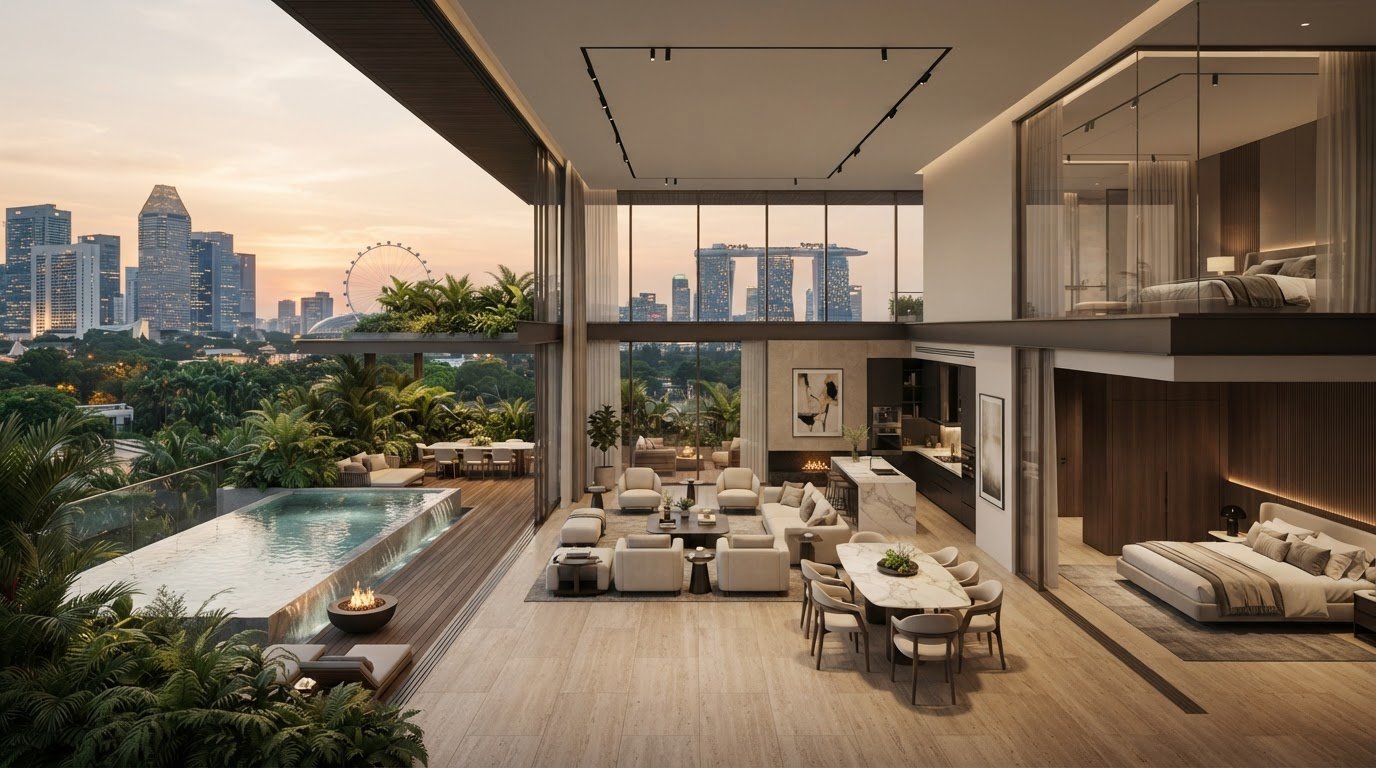
While structural optimization sets the foundation for a high-value exit, internal refinements dictate the emotional premium a buyer is willing to pay. For luxury detached and semi-detached homes, the interior must reflect a lifestyle of effortless sophistication. A primary consideration for how to increase landed property value before selling is the integration of a “Gourmet Kitchen” standard. In the 2026 market, discerning buyers expect professional-grade appliances from brands like Sub-Zero, Wolf, or Miele as a baseline. These aren’t merely functional upgrades; they are markers of quality that signal a home’s elite status and reduce the buyer’s immediate need for capital expenditure.
Smart home ecosystems have also transitioned from optional novelties to essential infrastructure. Modern buyers demand fully integrated systems that manage security, climate, and lighting through a single, intuitive interface. When these systems are installed according to current building regulations, they provide peace of mind regarding safety and operational efficiency. Sustainability features such as solar panel arrays and EV charging points act as value multipliers. These additions appeal to the growing demographic of environmentally conscious high-net-worth individuals who view energy efficiency as a long-term asset rather than a temporary trend.
The Shift Toward Multi-Functional Spaces
The global shift toward flexible work has permanently altered what buyers look for in a landed layout. Converting underutilized attic corners or basement areas into professional-grade home offices or private gyms adds significant utility without requiring massive structural changes. We also see a rising demand for “granny flats” or comprehensive guest suites on the ground floor. This caters perfectly to the trend of asset progression to landed property Singapore families often pursue, where multi-generational living is a core requirement for a successful purchase.
Materiality and Craftsmanship
The choice of materials serves as a visual shorthand for the property’s overall maintenance and luxury. Natural stones like marble and granite continue to offer a superior ROI compared to engineered surfaces in the luxury segment. High-quality joinery and bespoke cabinetry in walk-in wardrobes and living areas further distinguish a property from mass-market developments. Investing in premium materials is a strategic move when considering how to increase landed property value before selling, as it reduces the perceived renovation risk for the next owner. Meticulous internal finishes act as a silent advocate for the property’s integrity, effectively neutralizing buyer objections before they reach the negotiation table. By refining these details, you create a sanctuary-like atmosphere, particularly in the Master Suite, which often becomes the deciding factor for high-stakes purchasers.
Enhancing Curb Appeal and External Prestige for GCBs and Terrace Houses
The first thirty seconds of a property viewing often dictate the final offer price. In the high-stakes world of Singapore landed real estate, the gate and driveway serve as the property’s handshake. A rusted gate or a cracked driveway doesn’t just look neglected; it signals potential structural issues to a discerning buyer. When considering how to increase landed property value before selling, investing in a high-quality, motorized gate and a pristine stone or stamped concrete driveway is essential. These elements establish a price ceiling before the buyer even steps inside. For terrace and semi-detached units, where proximity to neighbors is a factor, strategic landscaping provides the necessary privacy. Using mature greenery like Bucida trees or bamboo screens creates a natural buffer that feels more inviting than high concrete walls.
The decision to include or maintain a swimming pool requires a strategic land-use assessment. While a lap pool adds an undeniable luxury factor to a detached home, it can sometimes consume too much garden space in smaller terrace plots. In 2026, buyers often prioritize “lifestyle zones” over water features if the land is limited. If your pool is dated, a simple retiling with contemporary Sukabumi stone can modernize the entire external facade without the need for major structural changes. This shift from “dated” to “timeless” ensures your home remains competitive against newer builds.
The Prestige of a Good Class Bungalow (GCB)
Understanding what is a Good Class Bungalow involves recognizing that the land itself is the primary luxury. For GCB owners, the garden shouldn’t just be a lawn; it should be a series of curated lifestyle zones. This might include an alfresco dining pavilion, a private putting green, or a fire pit area. Perimeter walls should be immaculate, and professional architectural lighting is necessary to highlight the property’s status after sunset. This level of refinement justifies the record-breaking PSF prices seen in the GCB market.
External Maintenance and ‘Health’ Signals
Visible “health signals” are critical for a smooth transaction. Before the first viewing, ensure that the roofing and guttering are clear of debris and that there are no signs of water staining on the eaves. A fresh coat of high-quality weather-shield paint is one of the most cost-effective ways to revitalize a home’s appearance. Additionally, ensure the car porch is modernized. With the rise of electric vehicles in Singapore, a car porch that is already wired for EV charging and wide enough for larger luxury SUVs is a significant selling point. To ensure your property’s exterior reflects its true market potential, consult with a veteran landed specialist for a bespoke appraisal.
Navigating the Sale with an Elite Strategist’s Perspective
Selling a landed home in Singapore requires a marketing engine that differs fundamentally from that used for luxury condominiums. While condos are often traded as commodities based on recent transaction volumes and standard floor plans, every landed plot possesses unique characteristics that demand a bespoke narrative. Understanding how to increase landed property value before selling is only the first phase of a successful exit. The second phase involves translating structural optimizations and GFA refinements into a compelling story of scarcity and potential. You aren’t merely selling square footage; you’re offering a legacy and a lifestyle that cannot be replicated in a land-scarce nation.
For Good Class Bungalows (GCBs) and high-value detached homes, the role of “off-market” networks is paramount. Many of the most significant transactions in the Singapore market never reach public listing portals. Professional representation ensures your privacy is maintained while leveraging deep industry connections to reach a curated pool of qualified buyers. These individuals aren’t just looking for a residence; they’re looking for an asset with “highest and best use” potential. This strategic positioning provides the leverage necessary to secure a record-breaking price per square foot during high-stakes negotiations.
Strategic Pricing and Valuation
Basic bank valuations often lag behind the rapid shifts in real-time market sentiment. Relying solely on historical data can lead to the “stale listing” syndrome, where a property remains on the market too long and loses its perceived exclusivity. An elite strategist moves beyond these conservative estimates by analyzing recent detached house for sale Singapore data to justify a premium price point. This analysis considers current demand, the latest 2026 Land Betterment Charge rates, and the redevelopment potential of your specific street. Pricing must reflect what the house can become under current URA guidelines, not just what it is today.
The Vincent Lim Advantage
With over 20 years of industry experience since 2004, Vincent Lim acts as a high-level partner deeply invested in your success. His specialization in GCBs and luxury detached houses allows him to identify hidden value in your land that a generalist might overlook. Whether you’ve focused on how to increase landed property value before selling through sophisticated internal refinements or structural A&A, his selling your landed property in Singapore framework ensures every detail is managed with precision. This bespoke approach provides the peace of mind that comes from working with a veteran professional who values integrity and transparency. Consult with Vincent Lim today to unlock your property’s true market potential.
Securing Your Legacy in Singapore’s Landed Market
The path to a record-breaking sale requires more than just cosmetic updates; it demands a clinical understanding of URA guidelines and buyer psychology. By maximizing your property’s Gross Floor Area through strategic structural optimization and integrating high-end internal refinements like smart home ecosystems, you transform a residence into a high-performance asset. This guide has outlined the essential technical and aesthetic levers for how to increase landed property value before selling, but the final step is professional execution in an increasingly complex landscape.
Navigating the nuances of the 2026 market, from updated Land Betterment Charges to exclusive off-market GCB networks, requires the steady hand of a veteran professional. With over 20 years of experience since 2004 and a specialization in the luxury landed segment, Vincent Lim provides the seasoned authority needed for high-stakes transactions. As an Executive Associate Director at OrangeTee & Tie, he offers a bespoke level of advisory that ensures your interests are protected and your exit value is maximized.
Don’t leave your property’s true potential to chance. Secure a Strategic Valuation for Your Landed Property and ensure your home is positioned for its highest and best use. Your journey toward a successful, high-value transaction starts with a single, calculated step.
Frequently Asked Questions
Is it better to renovate or sell my landed property in its original condition?
The decision depends on whether your property is viewed as a redevelopment plot or a turnkey residence. If neighboring homes have already maximized their plot ratios, a buyer will likely rebuild, making extensive renovations a sunk cost. Conversely, minor cosmetic updates can attract families looking for immediate occupancy. Identifying the land’s highest and best use is central to how to increase landed property value before selling without over-capitalizing.
How much value does a private lift add to a 3-story semi-detached house?
A private lift is now considered a baseline requirement for multi-story luxury homes in Singapore. It significantly broadens your buyer pool by making the property accessible for multi-generational families and elderly residents. While it involves an initial capital outlay, the absence of a lift often leads to aggressive price negotiations or a longer time on the market, as modern buyers view it as essential infrastructure.
Does a swimming pool always increase the resale value of a landed home?
A swimming pool doesn’t always guarantee a higher resale price; its value is contingent on the land size and property type. For a Good Class Bungalow, a pool is a mandatory lifestyle feature. However, for smaller terrace houses, a pool might occupy valuable garden space that buyers would prefer for alfresco dining or play areas. We evaluate the lifestyle zones of your plot to determine if a pool enhances the sale.
What are the latest URA guidelines for landed property reconstruction in 2026?
As of 2026, URA guidelines focus on the Envelop Control framework, which governs the allowable volume of a landed house rather than just floor area. This allows for greater architectural flexibility within defined height limits, such as 15.5 meters for a three-story house. Understanding these technical parameters is vital for owners looking to maximize their Gross Floor Area and capitalize on the land’s full redevelopment potential.
Can I increase my GFA without a full reconstruction?
You can increase your GFA through Additions and Alterations (A&A) provided the works don’t exceed 50% of the existing structure or floor area. This is a cost-effective way to add attic levels or mezzanine floors without the 24-month timeline of a full reconstruction. It’s a strategic method for how to increase landed property value before selling by unlocking extra space while maintaining the home’s original core.
How long does it typically take to sell a luxury landed property in Singapore?
Selling a luxury landed property typically takes between three to six months, though Good Class Bungalows may require longer due to the niche buyer pool. The duration is heavily influenced by your pricing strategy and the exclusivity of your off-market network. Properties priced accurately according to current market sentiment and land potential tend to transact faster than those that fall into the stale listing syndrome.
What is the ‘Envelop Control’ and how does it affect my property’s value?
Envelop Control is a volumetric approach used by the URA to regulate the massing of landed houses. It defines the maximum three-dimensional space your building can occupy, which directly affects your property’s value by determining the buildable volume. By optimizing the design within this envelope, you can create double-volume ceilings and mezzanine levels that enhance the sense of grandeur and increase the price per square foot.
Should I stage my landed home before putting it on the market?
Professional staging is highly recommended for landed homes to help buyers visualize the scale and lifestyle potential of the space. Large, empty rooms can feel cold or appear smaller than they are; strategic furnishing defines the purpose of each lifestyle zone, such as home offices or entertainment suites. It creates an emotional connection that justifies a premium price and distinguishes your property from original-condition listings.