A pool can make a landed home feel exceptional, but it also deserves careful scrutiny. If you’re searching for “buying landed property with pool singapore,” appearance alone won’t tell you whether the pool, its equipment and the surrounding property are in suitable condition. A pool is a property system, not simply a lifestyle feature.
It’s reasonable to focus on how the home will suit your family and daily routine. A sound decision also means understanding potential repairs, ongoing upkeep and insurance terms before committing. Vincent Lim works with buyers of landed homes, helping them consider a property’s features and condition alongside their priorities.
This guide offers a practical way to inspect a pool and its supporting systems, compare designs and maintenance histories, and weigh the responsibilities of ownership. It also outlines insurance questions to consider as you assess a home. Taken together, these checks can help you decide whether a pool-equipped landed property fits your needs.
Key Takeaways
- Assess the home, outdoor space and pool as one purchase, weighing lifestyle fit alongside condition and ownership responsibilities.
- Use an ordered viewing checklist to examine the pool and its equipment, then review available maintenance and repair records.
- For buying landed property with pool singapore, compare each home’s pool design, condition and upkeep needs against your household’s priorities.
- Consider maintenance and potential repairs without relying on fixed cost estimates, since expenses vary by pool and property.
- Keep property facts, inspection findings and insurance terms distinct when comparing options, so your decision reflects the full ownership picture.
Why buying landed property with a pool in Singapore calls for a wider assessment
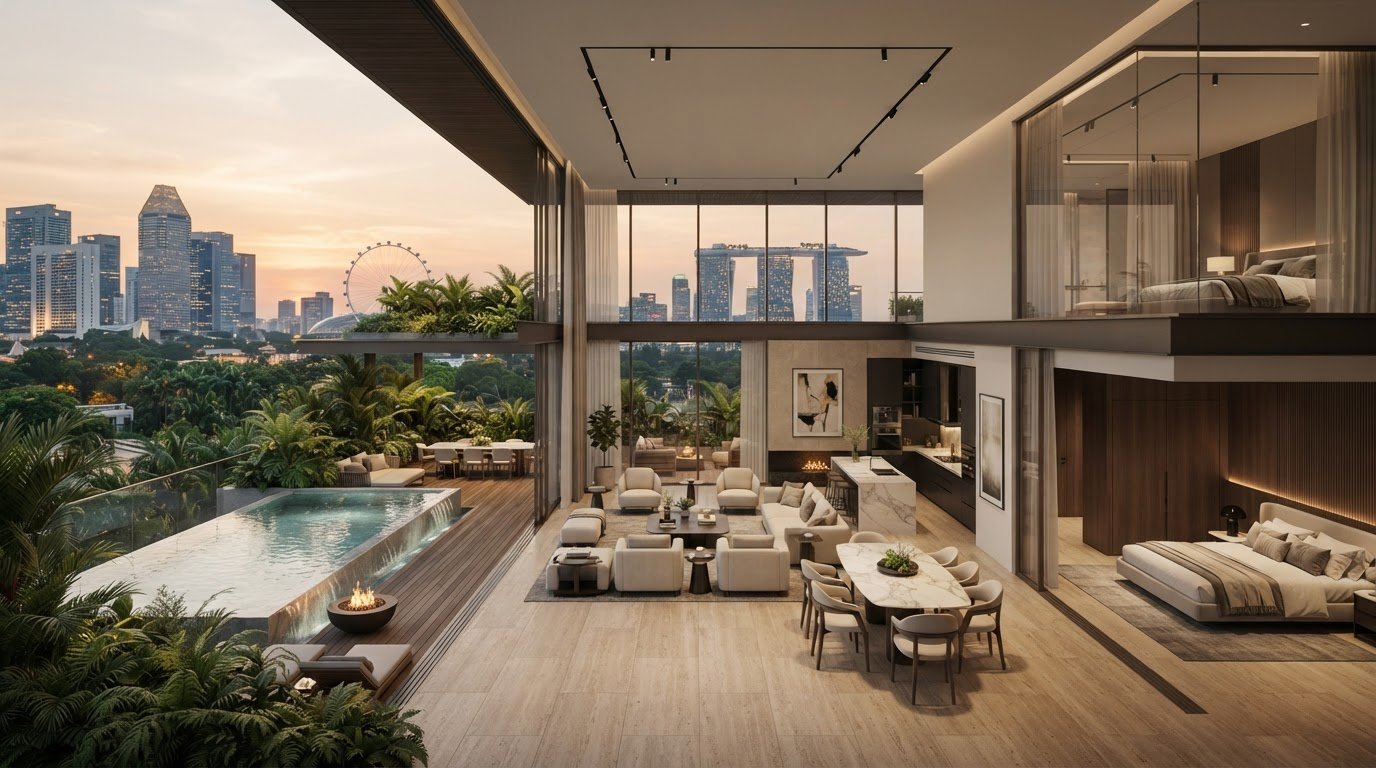
A pool-equipped landed home is more than a house with an attractive outdoor feature. It brings together the living space, grounds and a pool system that may include circulation, filtration and other equipment. That broader picture matters when assessing the property, beyond its rooms and finishes. It also differs from the shared-living context of public housing in Singapore, where residents generally do not own a private pool as part of their home.
The key question isn’t simply whether the pool looks appealing. It’s whether the home, pool condition and responsibilities of ownership suit your household. A pool may be central to daily life for one family and rarely used by another. When buying landed property with pool singapore, consider those factors together rather than relying on the first impression.
Does a private pool suit your household and daily routine?
Consider who is likely to use the pool and how often. Regular swimming, family recreation or time outdoors may make it an important part of the home. If use is likely to be occasional, weigh the benefit against the upkeep. Think about privacy, access from indoor living areas and whether household members need close supervision around the water. Your intended use shapes the pool’s value to you, so assess it in the context of your actual routines.
What makes a pool-equipped landed home different to assess?
The pool contributes to the property’s overall condition; it isn’t separate from it. Attractive tiles, coping and surrounding finishes can make a strong first impression, but they don’t show how well the circulation and filtration equipment works. Treat the visible finish and the practical condition of the pool system as separate considerations. Assess the outdoor space as well as the components that support the pool, rather than relying on appearance alone.
A pool also shouldn’t be treated as a guaranteed source of added value or stronger resale appeal. Those outcomes depend on the particular property, its condition, buyer priorities and current market evidence. A consistent comparison is more useful than assuming every pool is an asset in the same way.
The rest of this guide covers property checks, ownership commitments and insurance considerations. It’s intended to help you assess a purchase, not recommend a particular insurance policy. Keeping property facts, household needs and policy terms distinct supports a clearer decision.
How to assess the pool, equipment and property condition before buying
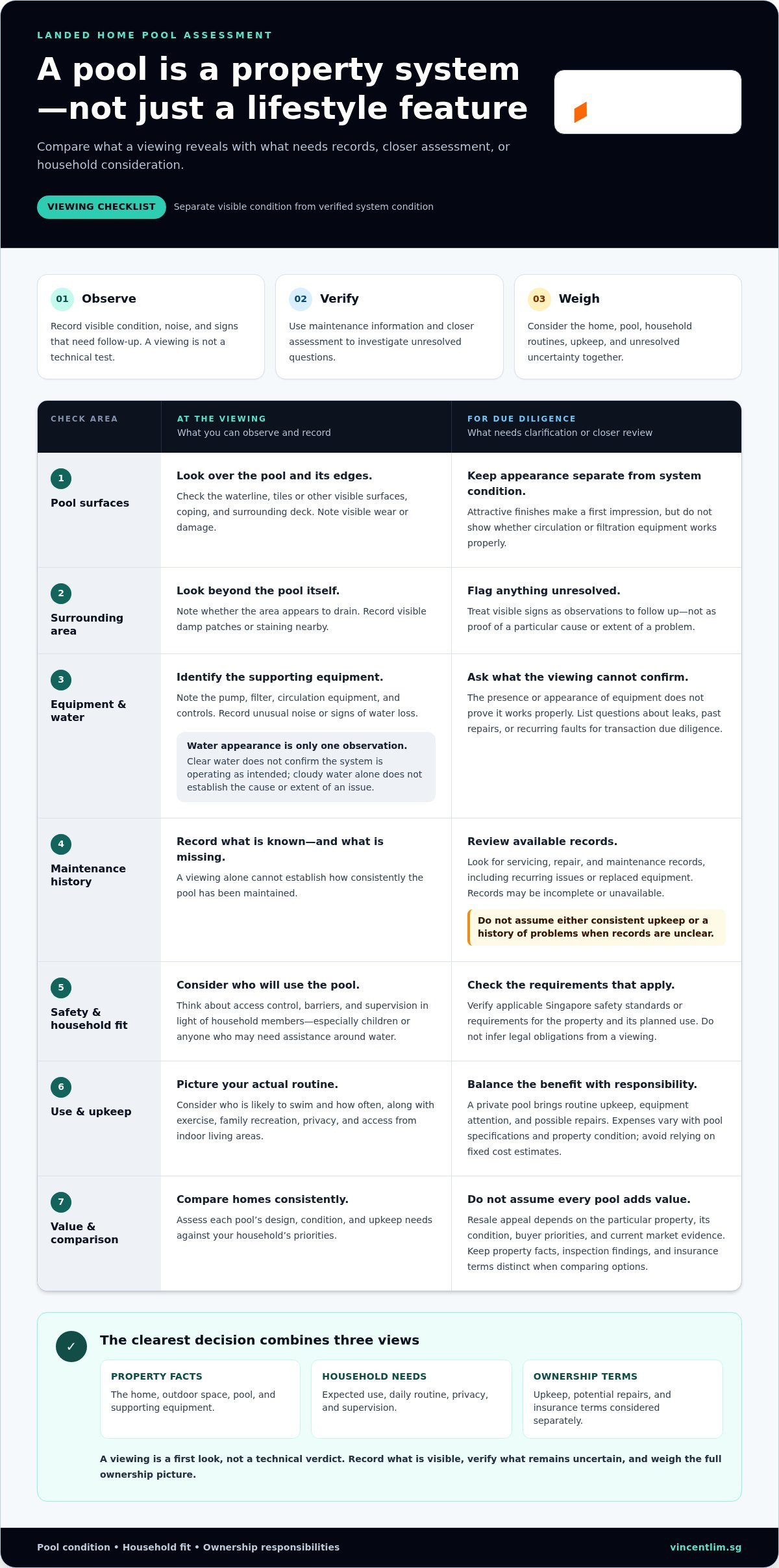
A viewing offers a first look, not a technical verdict. Use an ordered checklist to record what you can see, identify systems that need closer assessment and note questions for due diligence. Consistent notes make it easier to compare homes and separate confirmed details from unresolved concerns.
Which pool features and systems should buyers examine?
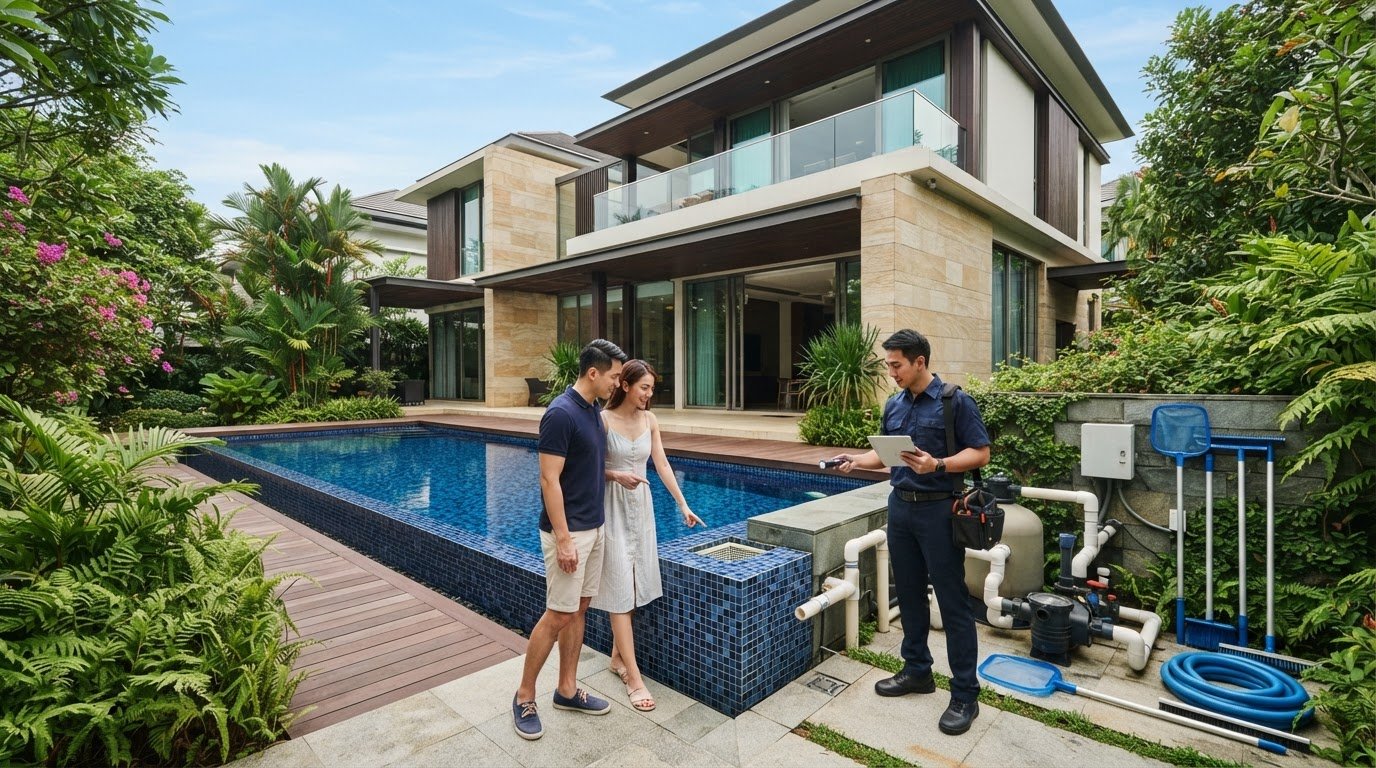
Start at the pool and work outward. Look at the waterline, tiles or other visible surfaces, coping and surrounding deck. Note wear, damage or anything that needs follow-up. Check whether the surrounding area appears to drain, and record visible damp patches or staining nearby. Then identify the pump, filter, circulation equipment and controls. Their presence or appearance alone doesn’t establish that they work properly.
- Observe: Record visible defects, unusual noise or signs of water loss. A viewing is not a technical test.
- Identify: Note the equipment and controls that support circulation and filtration.
- Clarify: List questions about leaks, past repairs or recurring faults for transaction due diligence.
Clear-looking water can be reassuring, but it doesn’t show whether the pump, filter or circulation system is operating as intended. Cloudy water alone doesn’t establish the cause or extent of a problem either. Treat appearance as one observation, not proof of system condition. When buying landed property with pool singapore, separating what you can see from what needs technical evaluation helps keep assumptions out of a high-stakes decision.
How should you assess pool safety and maintenance history?
Review available servicing, repair and maintenance records, including notes about recurring issues or replaced equipment. Records may be incomplete or unavailable, so don’t assume either that the pool has been consistently maintained or that it has had problems. Consider access control, barriers and supervision in light of who lives in the home, especially children or household members who may need assistance around water. Verify any applicable Singapore safety standards or requirements for the property and its planned use; don’t infer legal obligations from a viewing.
Document technical findings and consider them alongside the property’s wider condition before deciding. If a concern remains unresolved, account for that uncertainty rather than assuming an attractive pool won’t need repairs. Vincent Lim’s experience with landed homes can help buyers weigh a property’s features and condition as part of one acquisition. For a broader perspective on landed property buying considerations, explore his guidance.
Pool ownership, insurance and costs: compare the real trade-offs
A private pool can support exercise, family time and a more private outdoor lifestyle. Those benefits come with responsibilities, including routine upkeep, attention to equipment and the possibility of repairs. Ownership expenses vary with the pool’s specifications and the property’s condition, so a viewing impression alone isn’t a reliable way to estimate future commitments.
Insurance is another part of the assessment, but a pool doesn’t automatically mean cover is unavailable or comprehensive. The answer depends on policy wording, exclusions and how the property’s features are disclosed. Review the terms for the specific home rather than assuming the pool, its equipment or every pool-related incident is covered.
What should buyers examine in home insurance for a property with a pool?
Read how the policy addresses the building, pool structure and equipment, as well as accidental damage and liability. Pay close attention to exclusions, maintenance conditions and any requirements to disclose the pool or other property features. These terms can affect how particular situations are treated. This is a review of policy wording, not a recommendation for a specific policy.
For buyers considering buying landed property with pool singapore, the practical question isn’t simply whether insurance can be obtained. It’s whether the terms align with the property and your understanding of the risks. Keep policy details separate from inspection findings: a policy document doesn’t establish the pool’s physical condition, and a pool that looks sound doesn’t determine what insurance covers.
How can you compare the pool’s value against its responsibilities?
Use the same comparison points for each property. This helps distinguish confirmed observations from expectations about future costs or resale appeal, which depend on the individual home and current market evidence.
| Decision point | What to compare |
|---|---|
| Intended use | How often household members expect to use the pool, and for what purpose. |
| Observed condition | Visible pool and equipment condition, with technical concerns recorded separately for further evaluation. |
| Upkeep | Known maintenance routines, available records and potential repair responsibilities. Don’t treat unknowns as confirmed costs. |
| Insurance | Policy wording on the structure, equipment, liability, exclusions and disclosure. |
Weigh these findings against broader priorities, including the home’s layout, condition and suitability for your long-term plans. Vincent Lim’s landed property acquisition guide offers a wider framework for considering a landed purchase as a whole, rather than letting one feature decide the outcome.
A practical due-diligence sequence for buying a landed home with a pool
A consistent process helps keep a pool’s appeal in perspective and brings unanswered questions forward before you commit. When buying landed property with pool singapore, keep three kinds of information separate: confirmed property facts, inspection observations and insurance policy details. Each answers a different question, and none substitutes for the others.
- Define your priorities. Decide how the household expects to use the pool, what matters most in the home and what level of ongoing responsibility feels manageable.
- View with a consistent checklist. Record the pool’s visible condition, surrounding area and equipment. Note how the home’s layout and outdoor space suit your routine.
- Clarify property details. Ask about the pool’s age, maintenance history, equipment servicing and known repairs. Confirm which pool fixtures and equipment form part of the transaction.
- Review findings and documents. Compare answers and available records with inspection observations. Review policy wording separately, including terms relevant to property features and coverage.
- Resolve open questions before deciding. Document what remains unclear, assess its significance and weigh it against your priorities and the property as a whole.
What questions should you resolve during viewings and follow-up?
Ask for specific information instead of relying on general impressions. Find out what is known about the pool’s age, when the equipment was last serviced, whether repairs have been carried out and whether faults have recurred. Confirm which items, such as pool controls or equipment, are included in the transaction. Record unanswered questions and compare them with inspection findings and transaction documents before reaching a conclusion.
Not every question will have a clear answer. Distinguish documented facts from verbal responses and matters that still need clarification. That gives you a more reliable basis for evaluating uncertainty than treating an assumption as established property history.
How can you compare shortlisted pool properties consistently?
Apply the same checklist to each home. Compare household fit, observed pool and equipment condition, available maintenance information, expected ownership responsibilities and relevant insurance wording. Consider these factors alongside the home’s overall condition and suitability. A pool should inform your assessment, not dominate it. Don’t assume it guarantees appreciation, resale demand or predictable repair costs; these depend on the individual property and market evidence.
For wider landed-home considerations, read the detached house acquisition guide. To bring your property priorities into a considered acquisition plan, explore landed-home guidance with Vincent Lim.
Choose a pool-equipped landed property that fits your long-term plans
A sound decision brings four considerations into focus: how the home suits your household, the pool’s condition, the responsibilities you’re prepared to manage and the relevant insurance terms. Together, these factors help you judge whether the pool supports your plans or adds commitments that don’t fit your priorities.
When does a pool strengthen the fit of a landed home?
A pool is more likely to suit your plans if your household expects to use it consistently, values privacy and sees outdoor living as part of daily life. Consider how it fits your routines, who will use it and how its condition affects your willingness to take on upkeep or possible repairs. A good lifestyle fit still needs to align with the property’s overall condition and your understanding of insurance terms. A pool isn’t a guaranteed source of added property value or resale advantage.
For buyers searching “buying landed property with pool singapore,” the useful test is whether the pool remains worthwhile after you account for its practical responsibilities. If use is likely to be occasional, weigh its appeal against the time and attention it may require. If it supports regular family recreation or exercise, its day-to-day value may carry more weight. The right balance depends on your household and the specific home.
How can an experienced landed-property adviser support your decision?
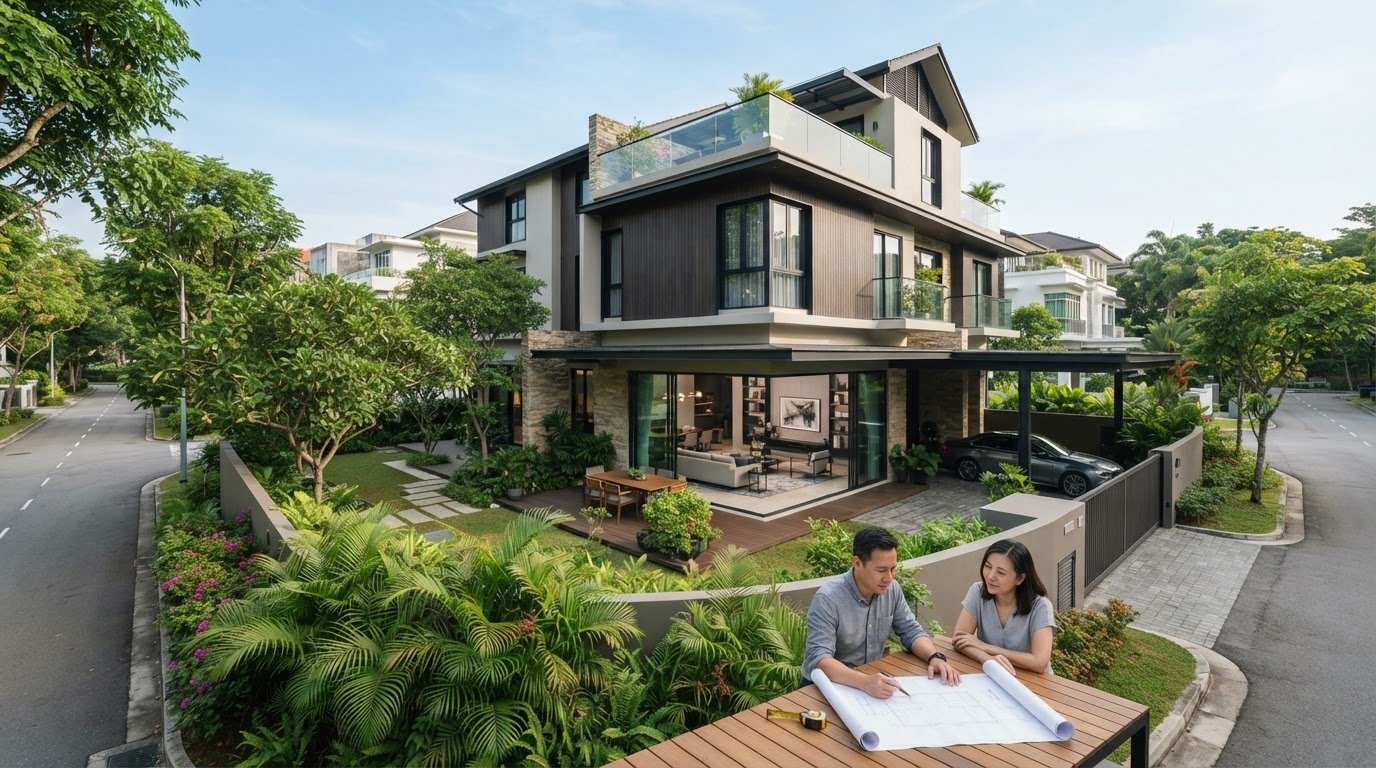
Pool condition is one part of a wider acquisition. A considered approach also connects your priorities with the home’s layout, condition and future ownership responsibilities. Vincent Lim has been active in Singapore real estate since approximately 2004, with experience in the sale of terrace, semi-detached and detached houses. His landed-property perspective can help buyers organise the factors affecting a purchase and compare shortlisted homes against their requirements.
Ground your decision in what you know: the household’s intended use, documented property details, inspection findings and the terms of the insurance policy under consideration. Record unresolved concerns and weigh them before committing, rather than allowing the pool’s appearance or assumed resale appeal to outweigh the rest of the evidence.
If you’re weighing a pool-equipped home against your longer-term plans, discuss your landed-property acquisition priorities with Vincent Lim.
Make your next move with a clearer view
Assess a pool-equipped landed home as a complete purchase, not on visual appeal alone. Consider whether it fits your household’s routines, review the pool and its supporting systems, and weigh the upkeep alongside the property’s overall condition. Keep inspection findings, ownership responsibilities and insurance terms distinct so you can compare shortlisted homes carefully.
When buying landed property with pool singapore, make your decision around both your lifestyle priorities and the commitments you’re prepared to take on. Vincent Lim specialises in landed homes, including terrace, semi-detached and detached houses. His experience can help you bring your priorities and property considerations into one acquisition plan.
Discuss your landed-property acquisition priorities with Vincent Lim and take your next step with greater clarity.
Frequently Asked Questions
Does home insurance cover a swimming pool at a landed property?
Coverage depends on the policy wording and how it treats the building, pool structure, equipment, accidental damage and liability. Don’t assume the pool or every pool-related incident is covered. Review the exclusions, conditions and disclosure requirements against the property’s details. If a term is unclear, verify it before relying on the policy as part of your ownership plan.
Is buying landed property with a pool in Singapore more complicated?
It adds property-specific considerations, but you can assess them systematically. If you’re researching “buying landed property with pool singapore,” review the pool’s visible condition, supporting equipment, available maintenance records, household safety needs and insurance wording. Consider these alongside the home’s overall condition and suitability. A pool isn’t automatically a benefit or a reason to reject a property; its relevance depends on your needs and the evidence available.
What should I inspect when viewing a landed property with a pool?
Start with the pool surfaces and surrounding drainage, then identify the circulation and filtration equipment. Note visible wear, damage or signs that need follow-up. Ask about maintenance, repairs and known issues, and review available records. A viewing can’t establish the full condition of less visible systems, so separate what you observe from what you can confirm. Record unresolved technical concerns for careful review during due diligence.
What insurance details should I check before buying a home with a pool?
Check whether the policy addresses the building, pool structure and equipment, then review its exclusions, liability provisions and disclosure conditions. Terms vary, so don’t assume a particular pool-related incident is covered. Consider the property’s pool details when reading the wording, and verify any uncertainty before relying on the policy. Keep this review separate from the physical inspection, since insurance terms don’t establish the pool’s actual condition.
Does a swimming pool increase the value of a landed property?
A pool may appeal to buyers who value private outdoor facilities, but it doesn’t guarantee higher property value or resale demand. Its relevance depends on the pool’s condition and design, maintenance responsibilities, household preferences and comparable market evidence. Assess it as one feature of the entire property. Avoid assuming a pool will improve resale value or investment returns without evidence specific to the property and market.
How much maintenance does a private swimming pool require?
Maintenance needs depend on the pool’s design, equipment, condition and frequency of use. Review available servicing and repair records to understand the care the particular pool has required. Consider the equipment and possible repair responsibilities rather than relying on a generic cost estimate. These details can help you compare shortlisted homes and decide whether the ongoing attention suits your household’s plans.
Can I buy a landed property with a pool if I do not plan to use it often?
Yes, but consider the pool’s responsibilities even if you expect to use it only occasionally. Review its condition, equipment, maintenance history, household safety needs and relevant insurance terms. Then weigh those commitments against the lifestyle value you expect. Consider whether the home would still suit you if your pool use changes over time, and assess the pool alongside the property’s other features and your long-term priorities.