The true price of owning a landed home in Singapore isn’t found on the Option to Purchase; it’s written in the years of meticulous stewardship that follow. For many owners, the transition from an MCST-managed luxury condominium to a self-managed estate is a wake-up call to the realities of private asset management. You’ve moved from being a resident to becoming the sole facility manager of a multi-million dollar investment. It’s a role that demands precision, foresight, and a clear understanding of the evolving 2026 market.
We understand that the shift can feel overwhelming when you’re suddenly coordinating specialized vendors for everything from pest control to structural integrity. This guide is designed to help you master the full spectrum of landed property maintenance costs in Singapore, ensuring your home remains a source of pride rather than a series of expensive surprises. We’ll provide a definitive budgetary framework, explore the link between proactive upkeep and property valuation, and detail the latest 2026 tax regulations and rebates. We’ll also examine how these costs impact the roughly 73,000 landed properties that make up our island’s most exclusive housing stock. By the end of this article, you’ll have the strategic roadmap needed to preserve your asset’s prestige and secure its future exit premium.
Key Takeaways
- Establish a sustainable financial baseline by applying the “1% Rule” to your property’s value, ensuring all recurring and unforeseen expenses are strategically accounted for.
- Navigate the complexities of landed property maintenance costs singapore by understanding the 2026 statutory tax rates and the essential insurance coverage required for comprehensive asset protection.
- Ensure operational excellence and regulatory compliance for luxury amenities, including BCA-certified lift maintenance and NEA-aligned pest management protocols.
- Protect your long-term investment by identifying high-ROI repairs and maintaining a meticulous “Maintenance Logbook” to maximize your future exit premium.
- Implement a proactive structural strategy for tropical roofing and drainage systems to prevent the significant financial impact of monsoon-related damages.
The Financial Architecture of Landed Property Ownership
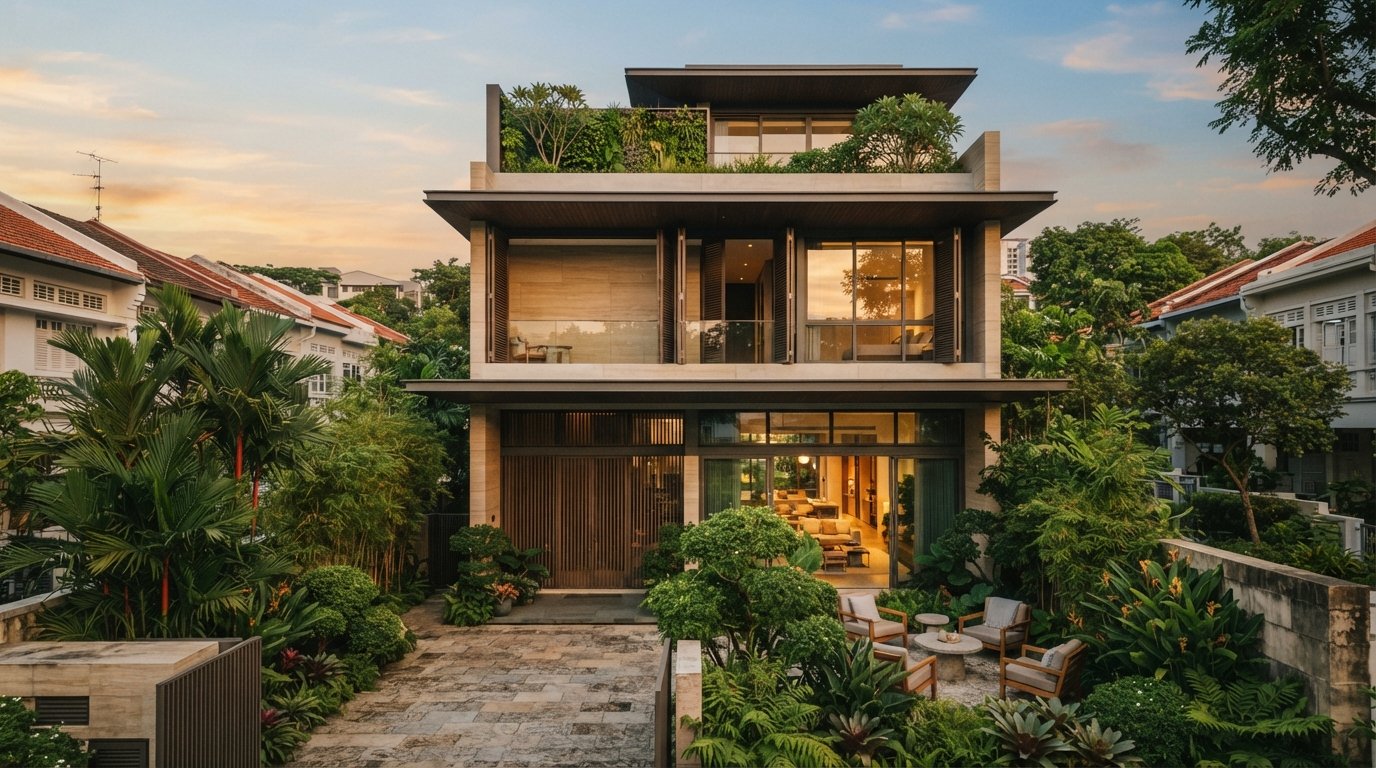
Transitioning from a luxury condominium to a landed home represents a fundamental shift in financial responsibility. In a strata-titled development, the Management Corporation Strata Title (MCST) acts as an invisible shield, coordinating everything from elevator permits to perimeter security. Once you step into a landed estate, that shield disappears. You operate as the principal strategist for your estate, responsible for every tile, pipe, and boundary wall. Understanding the full scope of landed property maintenance costs singapore is the first step toward successful asset stewardship.
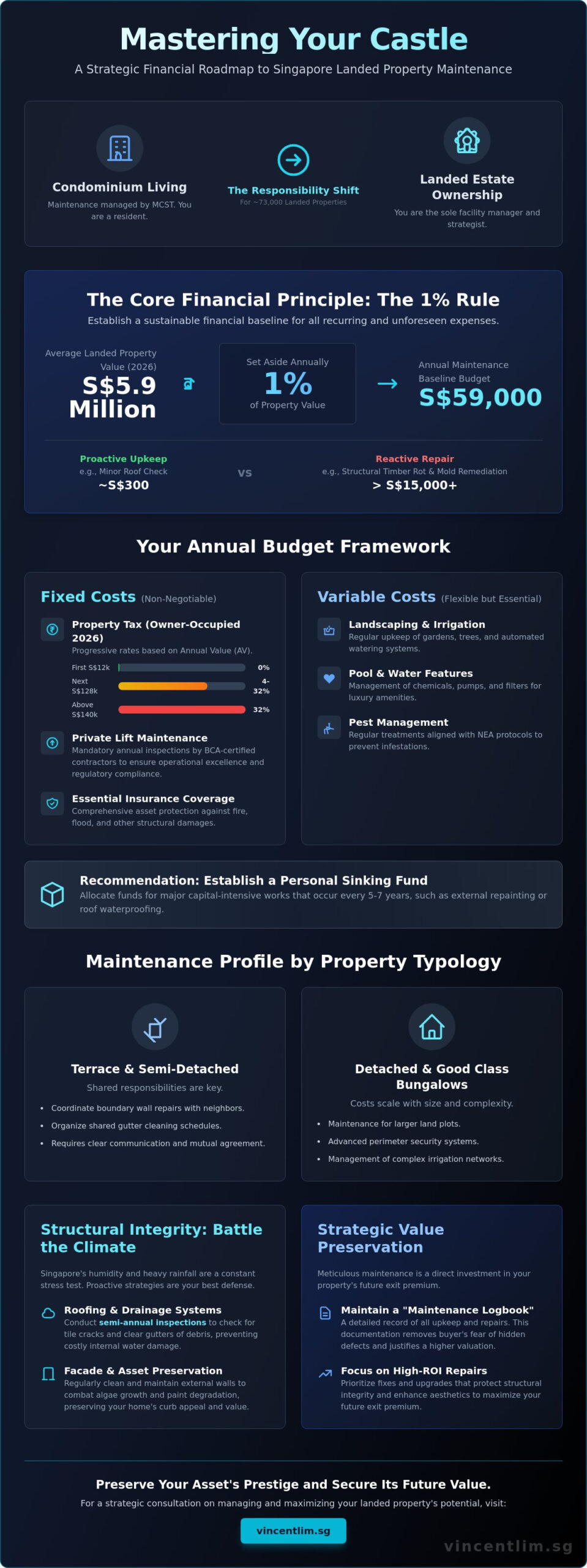
A prudent benchmark for any owner is the “1% Rule.” This strategy suggests setting aside approximately one percent of your property’s market value annually for upkeep. With the average price of landed properties reaching S$5.9 million in 2026, a baseline budget of S$59,000 ensures your home remains in peak condition. Managing landed property maintenance costs singapore requires a shift from a passive resident mindset to an active professional perspective. While this budget might seem substantial, proactive maintenance in our humid, high-rainfall climate is significantly more cost-effective than reactive repairs. Neglecting a minor roof leak often precipitates structural timber rot or expensive mold remediation, costs that far exceed the price of routine vigilance.
Fixed vs. Variable Maintenance Framework
A strategic budget categorizes expenses into non-negotiable fixed costs and manageable variable items. Fixed costs include statutory requirements such as property tax, which for owner-occupied homes in 2026 starts at 0% for the first S$12,000 of Annual Value (AV) but reaches 32% for AVs exceeding S$140,000. If your home features a private lift, mandatory annual inspections by BCA-certified contractors are also fixed obligations. Variable costs, such as landscaping, pool chemicals, and external facade cleaning, offer more flexibility but still require consistent oversight. We recommend establishing a personal sinking fund specifically for major works that occur every five to seven years, such as external repainting or roof waterproofing.
The Impact of Landed Typology on Costs
The specific architecture of your home dictates its maintenance profile. Owners of terrace houses and semi-detached properties must coordinate boundary wall repairs and shared gutter cleaning with neighbors, a process requiring clear communication and shared responsibility. In contrast, those owning detached homes or the prestigious Good Class Bungalows face scaling costs related to larger land plots, extensive perimeter security, and complex irrigation systems. Maintaining these standards isn’t just about aesthetics; it’s a critical component of your exit strategy. As explored in our Strategic Guide to Selling Your Landed Property, a well-documented maintenance history directly correlates to higher resale premiums by removing the buyer’s fear of hidden defects.
Structural Integrity and Essential System Maintenance
Singapore’s relentless humidity and heavy rainfall act as a constant stress test for any residential structure. While the Building Maintenance and Strata Management Act provides the legislative framework for managed developments, landed owners must independently replicate that level of oversight to protect their investment. Mastering landed property maintenance costs singapore involves recognizing that water is your primary adversary. Without the collective oversight of a management committee, the responsibility for identifying structural vulnerabilities rests entirely on your shoulders.
Roofing and Facade Asset Preservation
Tropical roofing systems require more than just occasional observation. During the monsoon season, the volume of water can quickly overwhelm drainage systems if gutters aren’t cleared of organic debris and silt. We recommend semi-annual roof inspections to detect hairline cracks in tiles or failures in waterproofing membranes before they translate into internal ceiling damage. External facade maintenance is equally critical. Algae growth and paint degradation occur rapidly in high humidity, often necessitating a professional repainting cycle every five to seven years. This isn’t merely an aesthetic choice; quality elastomeric paint acts as a protective skin, preventing carbonation and concrete spalling. Neglecting this cycle can lead to structural repair costs for older homes exceeding S$20,000 to S$40,000 per year.
Pest Control and Termite Protection
Landed estates, with their garden perimeters and direct soil contact, face unique pest challenges that condominiums rarely encounter. Termite protection is non-negotiable. Subterranean termites can cause catastrophic structural damage to timber flooring and roof trusses if a robust baiting or barrier system isn’t maintained. Beyond structural protection, owners have a legal responsibility to comply with NEA regulations regarding mosquito breeding. Regular oiling of gully traps and clearing of stagnant water in garden features are essential to avoid heavy fines and ensure community health. Budgeting for professional pest management typically ranges from S$600 to S$1,500 annually, providing a necessary layer of security for your estate.
Electrical and plumbing systems also require a disciplined approach. Aging underground pipes and main electrical boards often go unnoticed until a failure occurs. Regular thermal imaging of electrical boards and pressure testing of plumbing lines can prevent the sudden, high-cost repairs that plague unmanaged estates. If you’re evaluating a potential purchase and want to ensure the asset’s structural health aligns with its valuation, it’s wise to consult an experienced property strategist who understands these technical nuances. Proactive management ensures that landed property maintenance costs singapore remain a predictable investment rather than an uncontrolled expense.
Specialized Maintenance for Luxury Amenities
Luxury amenities define the prestige of a landed estate, yet they require a tier of technical expertise that extends beyond general housekeeping. For owners of detached homes and Good Class Bungalows, managing these features is less about basic cleaning and more about sophisticated system preservation. These specialized requirements form a significant portion of landed property maintenance costs singapore, demanding a proactive approach to prevent mechanical failure and ensure long-term safety.
Private Lift Servicing and Safety
Residential lifts have become a standard feature in modern multi-story landed homes, bringing with them specific regulatory obligations. The Building and Construction Authority (BCA) mandates that all passenger lifts must be maintained by a registered lift contractor. While some owners consider quarterly servicing to reduce expenses, monthly inspections remain the industry gold standard for ensuring operational reliability and passenger safety. Beyond routine lubrication and sensor checks, you should budget for the periodic replacement of major components like hoisting cables and backup batteries. Neglecting these mechanical requirements doesn’t just risk a breakdown; it can lead to costly compliance issues during mandatory annual inspections.
Pool and Garden Management
Maintaining a private swimming pool involves a delicate balance of chemical engineering and mechanical filtration. Professional pool servicing, which typically occurs once or twice weekly, ensures that pH levels remain stable to prevent tile erosion and algae growth. This service usually includes backwashing the filter system and checking the pump’s health. For properties with expansive grounds, landscaping costs often scale with the complexity of the flora. While routine lawn care is straightforward, owners of larger estates must account for specialized tree surgery. Managing mature heritage trees requires certified arborists to mitigate falling branch risks during Singapore’s intense storm seasons. Efficient irrigation systems are also vital. A poorly calibrated system can lead to astronomical PUB water bills, making regular valve and timer inspections a prudent investment.
High-end security and smart home automation systems also require consistent digital and hardware updates. Ensuring that your surveillance cameras, motion sensors, and integrated lighting systems remain functional provides the peace of mind that defines luxury living. When planning these upkeep schedules, it’s helpful to consider how initial Landed property renovation costs influence your long-term maintenance trajectory. High-quality installations often result in lower recurring landed property maintenance costs singapore over the property’s lifecycle. By coordinating these specialized vendors through a single strategic framework, you ensure that every amenity continues to add value to your asset rather than becoming a liability.
Navigating Statutory Costs and Asset Protection
Statutory obligations and risk mitigation strategies represent the silent pillars of landed property maintenance costs singapore. Unlike operational expenses that fluctuate with usage, these costs are governed by fixed regulatory cycles and valuation tiers. Maintaining a landed estate requires a sophisticated understanding of how the Inland Revenue Authority of Singapore (IRAS) assesses your property and how to insulate your wealth from unforeseen liabilities. Strategic owners view these not as mere bills, but as essential mechanisms for asset preservation.
Property Tax and Annual Value (AV) Tiers
Property tax is calculated based on your home’s Annual Value (AV), which IRAS determines by assessing the estimated annual market rent of similar properties in your area. For landed homes, the 2026 tax landscape remains progressive. Owner-occupiers benefit from lower rates, starting at 0% for the first S$12,000 of AV and scaling up to 32% for the portion of AV exceeding S$140,000. If you hold the property as an investment, non-owner-occupied rates are significantly higher, ranging from 12% to 36%. It’s vital to remember the 31 January 2026 payment deadline to avoid late penalties. For 2026, owner-occupiers should also factor in the one-off property tax rebate of up to 15%, capped at S$500, which provides a modest offset to your annual dues. If you believe your AV doesn’t reflect current market conditions, you have the right to file an objection, provided you can present evidence of comparable rental benchmarks.
Comprehensive Insurance Coverage
Transitioning to a landed home means you’ve moved beyond the basic fire insurance typically provided by an MCST. You’re now responsible for insuring the entire building structure at its full reinstatement cost. A robust policy should cover the cost of rebuilding your home to its original standard in the event of a total loss, alongside coverage for luxury renovations and high-value contents. Public liability is another critical component often overlooked. As the landowner, you’re potentially liable for accidents occurring within your boundaries, such as a visitor slipping on a wet patio or a tree branch falling onto a neighbor’s vehicle. Specialized riders can further protect bespoke amenities like private lifts or smart home hubs. If you’re currently planning a move and need to analyze how these statutory obligations fit into your long-term wealth strategy, you can connect with a dedicated luxury property strategist for a bespoke consultation.
Understanding these financial nuances is particularly important when considering your next move in the market. As detailed in our Asset Progression Guide, the tax implications of upgrading to a larger landed plot or a Good Class Bungalow can significantly alter your cash flow requirements. By integrating these statutory costs into your primary landed property maintenance costs singapore framework, you ensure that your portfolio remains resilient and your lifestyle remains uninterrupted.
Strategic Value Preservation: The Maintenance-Exit Link
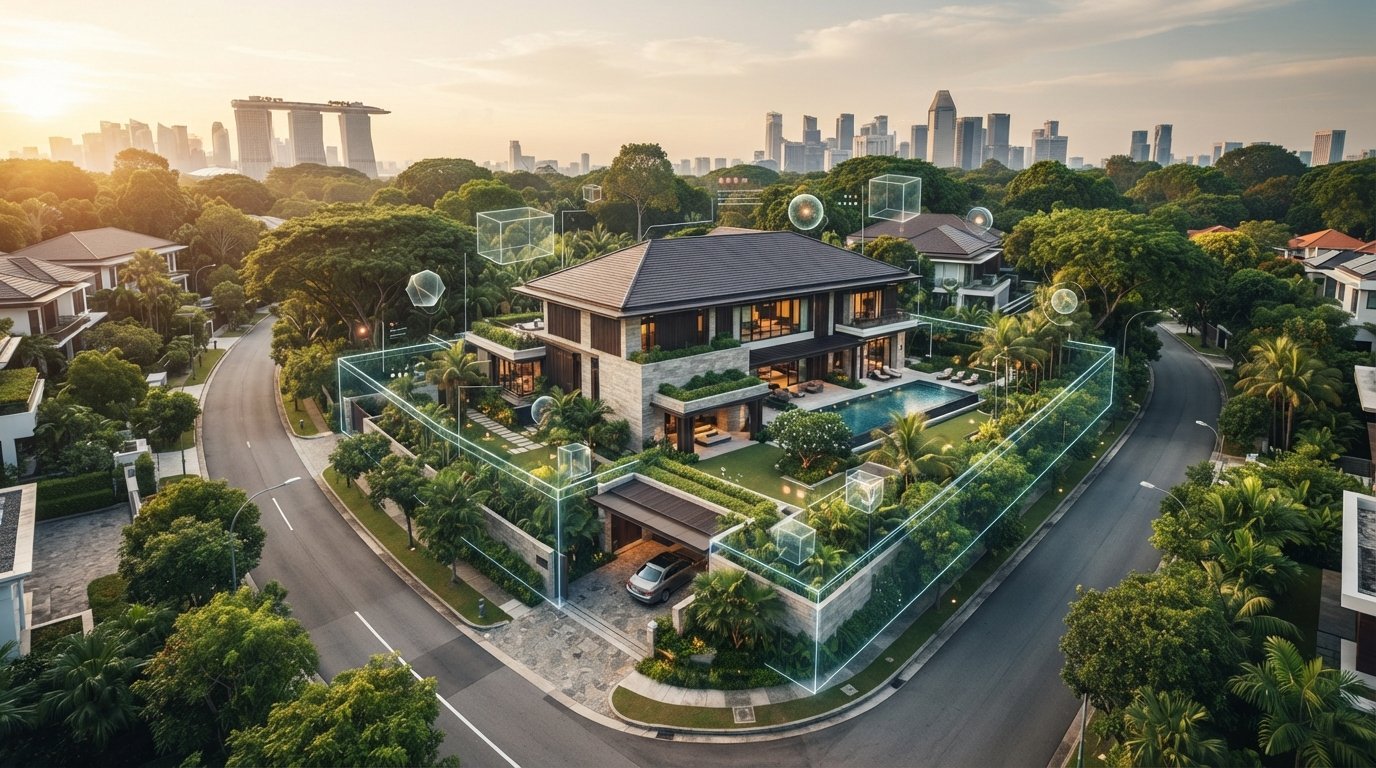
Landed property ownership is often viewed through the narrow lens of recurring cash flow, yet it’s the most influential factor in determining your eventual exit premium. In a market where there are only about 73,000 landed residential properties, scarcity alone doesn’t guarantee a record-breaking price; documented condition does. Savvy owners recognize that landed property maintenance costs singapore aren’t mere expenses but strategic reinvestments that build buyer confidence during high-stakes negotiations. When you treat your home as a managed asset rather than just a residence, you eliminate the “fear of the unknown” that often leads to aggressive price chipping from potential buyers.
Building a Maintenance History for Future Buyers
A meticulous “Maintenance Logbook” is one of the most powerful tools in a seller’s arsenal. This dossier should include comprehensive records of major works: transferable roof warranties, BCA-certified lift service logs, and annual termite clearance certificates. Transparency during the technical due diligence phase significantly reduces friction, as it proves the home has been under professional stewardship. This level of discipline is particularly critical for the most exclusive tiers of the market. You can learn more about What is a Good Class Bungalow and how maintaining the gold standard of prestige is essential for preserving the value of Singapore’s most prestigious asset class. A house with a clear paper trail always commands a higher premium than one sold “as-is” with mystery defects.
Maximizing Resale Value Through Upkeep
The psychological impact of “kerb appeal” cannot be overstated. A well-maintained facade, pristine boundary walls, and manicured landscaping signal to a buyer that the invisible systems, such as underground plumbing and electrical mainboards, have been equally respected. High-ROI maintenance focuses on these first impressions alongside the resolution of “invisible” issues. Buyers in the multi-million dollar segment are particularly sensitive to signs of dampness, structural hairline cracks, or poor drainage. Addressing these issues proactively prevents them from becoming “deal-breakers” later. While general repairs and services might cost between S$5,000 to S$20,000 annually, the discount demanded by a buyer for a neglected property can easily reach six figures.
Positioning your property as an elite-level asset requires more than just a fresh coat of paint; it requires a history of excellence. By mastering your landed property maintenance costs singapore today, you’re effectively pre-selling your home at a premium tomorrow. Buyers aren’t just looking for a plot of land; they’re looking for peace of mind. Planning your next move in the luxury market? Consult Vincent Lim for a strategic valuation of your landed asset and discover how your maintenance history can be leveraged into a superior market position.
Securing Your Legacy Through Strategic Stewardship
Mastering the financial and operational landscape of your estate separates a standard homeowner from a strategic asset manager. We’ve explored how the “1% Rule” and proactive structural vigilance prevent minor tropical issues from escalating into major liabilities. By treating your landed property maintenance costs singapore as a deliberate reinvestment, you ensure every dollar spent today translates into a stronger negotiating position tomorrow. Documented care isn’t just about repairs; it’s about building a narrative of excellence for future buyers.
For those seeking to align their maintenance strategies with long-term wealth goals, expert guidance is essential. Vincent Lim, Executive Associate Director at OrangeTee & Tie, has specialized in GCB and luxury landed sales since 2004. With a proven track record in high-value asset preservation, he provides the tactical insight needed to navigate Singapore’s most exclusive real estate segment. Take the next step in your asset progression journey with a partner who values your investment as much as you do.
Strategic Property Wealth Planning: Connect with Vincent Lim
Your home is more than a residence; it’s a cornerstone of your legacy. With the right stewardship, its value will only continue to reflect its prestige and enduring worth.
Frequently Asked Questions
Is maintenance for a terrace house significantly cheaper than a detached house?
Yes, terrace houses generally incur lower upkeep expenses due to their smaller land footprint and shared boundary walls. Detached houses demand a higher budget for landscaping, perimeter security, and extensive pest control. While the scale differs, the strategy for managing landed property maintenance costs singapore remains the same: proactive care prevents expensive structural failures. Smaller plots simply allow for a more condensed maintenance framework.
How often should I service my private home lift in Singapore?
You should schedule professional servicing on a monthly basis to ensure maximum safety and operational reliability. While the BCA mandates an annual inspection by a registered lift contractor, monthly maintenance identifies minor wear in cables and sensors before they become hazards. This disciplined approach protects both your family and the long-term value of your home’s mechanical assets. Regular checks also prevent the high costs of emergency repairs.
Do I need a professional gardener for a standard terrace house?
Hiring a professional is highly recommended if you wish to maintain high standards of “kerb appeal” without the time commitment. Expert gardeners manage complex irrigation systems and soil health, preventing issues like root damage to boundary walls. For many owners, the cost of a monthly service is a small price for a pristine estate appearance. It ensures your garden remains an asset rather than a source of stress.
What happens if I neglect NEA mosquito breeding guidelines?
Neglecting these guidelines results in strict financial penalties and legal repercussions under the Control of Vectors and Pesticides Act. NEA officers conduct regular inspections of landed estates to identify stagnant water in roof gutters and gully traps. Beyond the fines, failing to manage vectors compromises the safety of your neighborhood and can damage your reputation as a responsible owner. Consistent vigilance is a legal and social obligation.
Can maintenance costs be offset against property tax in Singapore?
No, you cannot deduct maintenance expenses from your property tax bill for owner-occupied residential properties. Property tax is a statutory cost based on the Annual Value (AV) of your home as determined by IRAS. However, if you’re leasing your property, certain repair and maintenance costs can be claimed as tax-deductible expenses against your gross rental income during your annual tax filing. This provides a minor relief for investment properties.
How much should I budget for repainting a 3-storey semi-detached house?
You should prepare a budget that accounts for premium elastomeric paint and professional scaffolding. While prices fluctuate based on the house’s surface area, this is a non-negotiable expense every five to seven years. Investing in high-quality application prevents moisture ingress and concrete spalling, which are significantly more expensive to remediate if the facade is left to degrade. It’s a critical investment in your home’s structural integrity.
Does a swimming pool add more to maintenance costs than it adds to property value?
A pool is a lifestyle asset that adds significant prestige but requires a dedicated monthly budget for filtration and chemical balancing. While it increases the desirability of your home among luxury buyers, the recurring landed property maintenance costs singapore can be substantial. Prudent owners view the pool as a strategic amenity that supports a higher exit premium in the resale market, provided the mechanical systems are perfectly maintained.
Is home insurance mandatory for landed property owners?
Home insurance is not legally mandatory unless specified as a condition of your mortgage by your bank. Nevertheless, it’s an essential component of professional asset management. A comprehensive policy provides peace of mind by covering full building reinstatement costs and public liability, protecting your wealth from the financial impact of fire, floods, or accidental injuries on your property. It’s the final layer of your asset protection strategy.