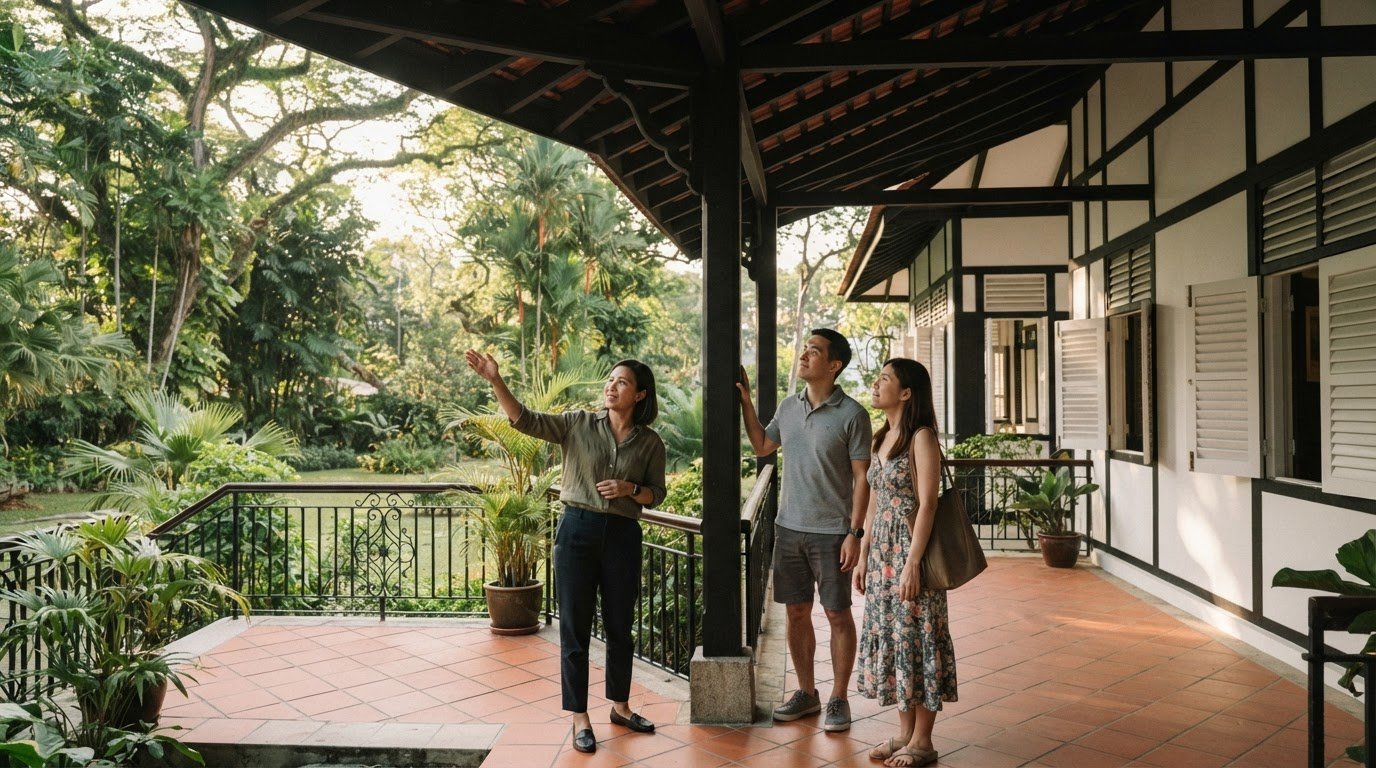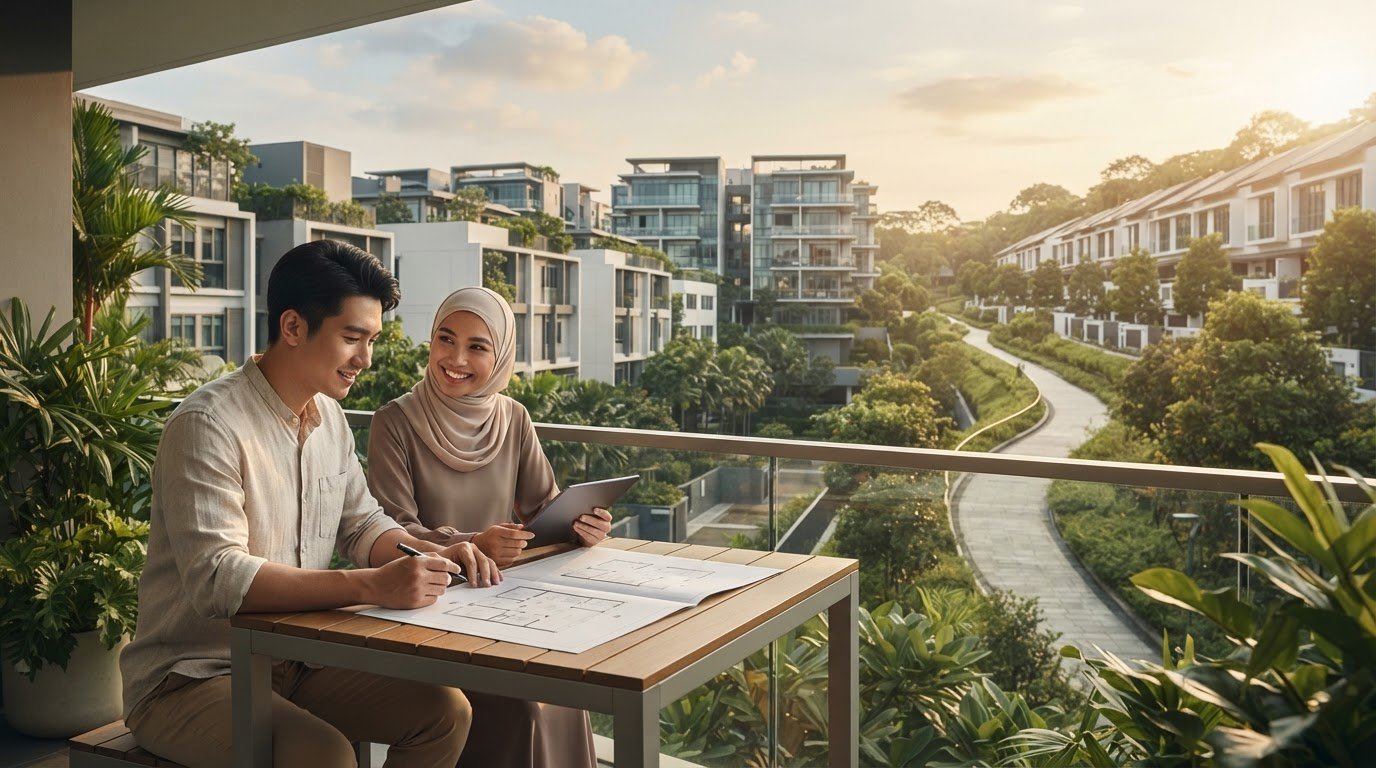
A luxury condo’s facilities are only one factor in its monthly maintenance fee. This luxury condo maintenance fee breakdown explains how shared costs, extensive amenities and the number of owners can affect each unit’s contribution.
A premium residence may cost more to maintain, but the monthly charge is not simply a measure of how impressive its facilities look. Shared services, insurance, upkeep and provision for major repairs also contribute, while the development’s size affects how costs are divided among owners.
Here, you’ll learn how maintenance fees are calculated, what they commonly cover and how facilities and development size can affect the cost. This can help you assess the ongoing commitment alongside a property’s features and overall suitability.
Key Takeaways
- Understand how a unit’s share value relates to the estate’s maintenance budget, and why larger homes can carry higher charges.
- Separate shared costs, such as common-area utilities and building insurance, from repairs and upkeep inside a private unit.
- Assess how facilities, service expectations and the number of units can affect each owner’s share of ongoing costs.
- Compare the fee with the property’s facilities and development scale to build a clearer picture of its ongoing ownership costs.
How are condo maintenance fees calculated?
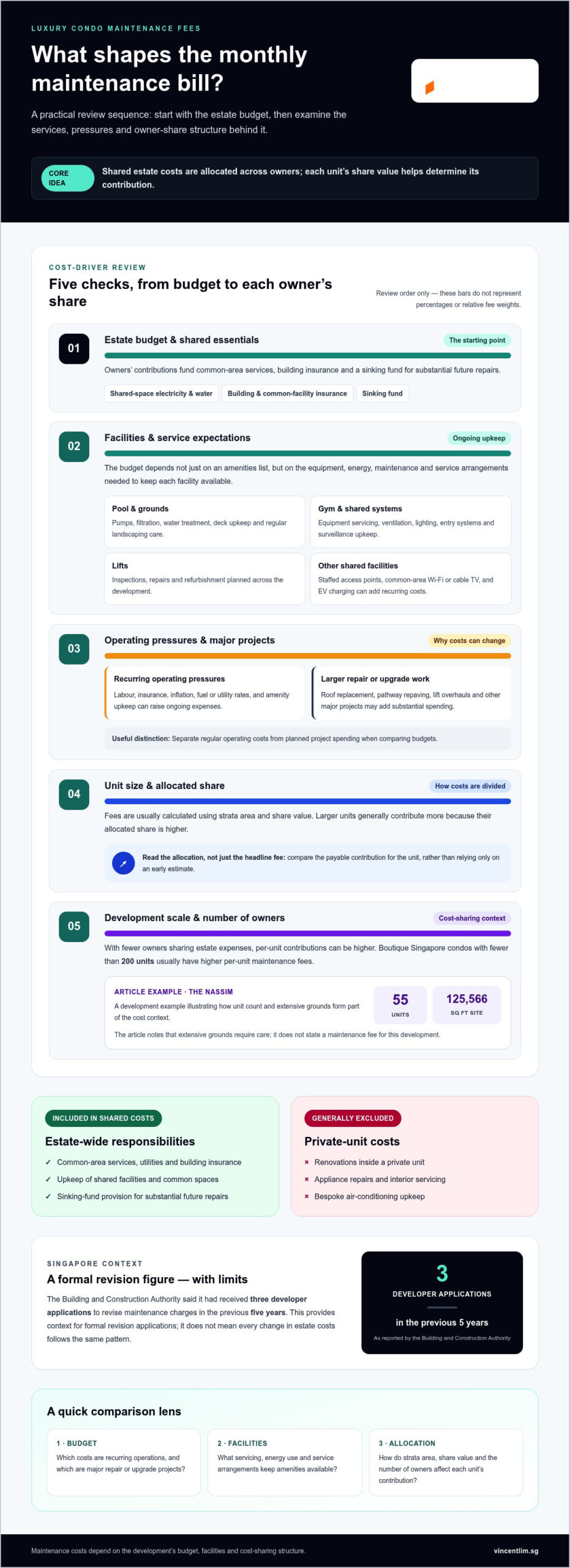
A useful luxury condo maintenance fee breakdown starts with the shared estate budget and each unit’s allocated share. In Singapore, owners’ contributions fund common-area services, building insurance and a sinking fund for major repairs. Larger units generally contribute more because fees are usually calculated using strata area and share value.
Charges can cover electricity and water for shared spaces, as well as insurance for the building structure and common facilities. The sinking fund helps pay for substantial future work, such as roof replacement, pathway repaving and lift overhauls. Some developments include common-area Wi-Fi or cable TV. Fees generally exclude private-unit renovations, appliance repairs, interior servicing and bespoke air-conditioning upkeep.
Luxury condos may cost more to maintain than other developments, particularly when larger homes and extensive shared facilities increase the estate budget.
Actual charges can differ from early estimates. Compare the payable contribution rather than relying solely on an initial estimate.
How often can a Singapore condo MCST increase maintenance fees? Unit owners collectively decide the maintenance and management contribution at the first annual general meeting after condominium management is formed. Increases are not automatic or fixed; they depend on the contribution owners decide.
What happens if an owner doesn’t pay? Late-payment penalties typically range from 1-2% monthly, adding to the unpaid balance.
For rental properties, condo maintenance fees are generally deductible as operating expenses. Include the recurring charge when calculating rental-property costs.
Facilities associated with higher maintenance costs
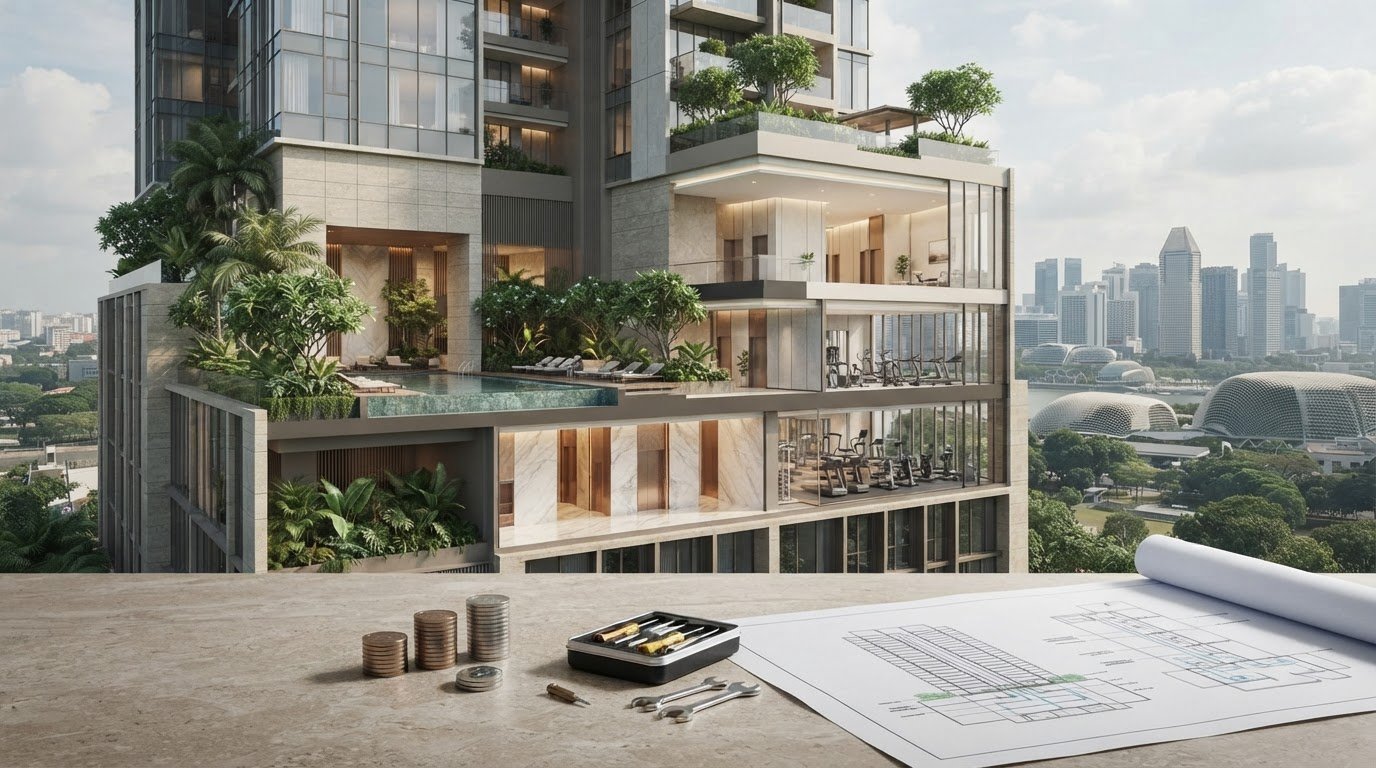
A swimming pool affects an estate budget beyond its construction cost. Pumps, filtration, water treatment and deck upkeep all need ongoing attention. A gym requires equipment servicing, ventilation and lighting, while landscaped grounds need regular care. Each facility brings its own combination of operating and maintenance work.
Security arrangements can also affect shared costs. Entry systems, surveillance equipment and staffed access points need upkeep and coordination. Lifts are another practical example: residents use them daily, but inspections, repairs and refurbishment must be planned across the development. The scale and complexity of these services matter as much as the list of amenities.
Electric vehicle charging can add a distinct cost component. For buyers comparing developments, it shows how a modern shared facility can bring recurring expenses beyond traditional common areas.
Consider how often an amenity is used and what it takes to keep it available. A large pool, several lift banks or extensive landscaped grounds may need more upkeep than compact facilities. An amenities list alone does not reveal the full cost: equipment, energy use, maintenance needs and service arrangements all shape the budget.
- Identify facilities that need regular servicing, such as pools, lifts and gym equipment.
- Distinguish shared operating expenses from larger future repair or replacement needs.
- Assess whether an amenity’s ongoing upkeep suits its value to residents.
When reviewing a luxury condo maintenance fee breakdown, treat each feature as an ongoing commitment, not just a selling point. Extensive facilities may offer greater convenience, but they also require resources to operate and maintain. This distinction puts the monthly charge in context.
Factors influencing condominium maintenance charges
Singapore condominium charges reflect more than the number of facilities. Labour, insurance, amenity upkeep, inflation, fuel or utility rates, and major repair or upgrade projects can all increase costs. These pressures affect the estate’s operating budget, funded through owners’ maintenance contributions.
Some pressures build gradually. Higher labour or insurance costs can raise recurring expenses, while a major repair or upgrade can add a substantial project cost. Changes in utility and fuel rates can also affect the cost of running shared services. Separating regular operating costs from project spending helps explain why a charge may change.
The Building and Construction Authority said it had received three developer applications to revise maintenance charges in the previous five years. This gives context for formal revision applications, but it does not mean every change in an estate’s costs follows the same pattern. The reasons for a contribution change depend on the development’s budget and expenses.
- Review whether the main pressure is labour, insurance, utilities or amenity upkeep.
- Identify whether planned spending covers regular operations or a major repair or upgrade.
- Compare the cost drivers across developments, rather than judging charges by facilities alone.
Development scale also shapes the amount each household may need to contribute. Boutique Singapore condos with fewer than 200 units usually have higher per-unit maintenance fees. With fewer owners sharing estate expenses, the cost allocation can differ from that of a larger development. This is one reason a low facility count does not automatically mean low charges.
For a practical review, consider the estate’s recurring costs, planned projects and number of units together. A budget facing higher insurance premiums and a major upgrade may require more funding than one with stable operating expenses. This helps connect a cost increase to specific pressures instead of assuming that every condo’s charges rise in the same way.
Amenities and development size as cost drivers
Singapore condominium charges reflect development size, shared facilities, service expectations, and the mix and number of units. These factors work together: owners fund estate services, while unit allocations determine how costs are divided. An extensive amenities list alone cannot show what each household will contribute.
Consider The Nassim, which has 55 units on a 125,566-square-foot site. Extensive grounds require care across the estate, while shared facilities and service arrangements add distinct operating needs. Comparing the site area with the number of homes helps explain why the scale of a development matters alongside its amenities.
Unit counts also differ sharply among luxury properties. Oliv Balmoral has 23 units, while Skyline @ Orchard Boulevard has 40. The Essence in Yishun has 84 residential units. These examples show why development size should be considered directly: a smaller owner pool shares the estate’s costs among fewer homes, while the facilities and service expectations still shape the budget.
Use a consistent comparison when reviewing two developments:
- Record the number of residential units and the scale of the site.
- List shared facilities and the services needed to operate them.
- Consider the unit mix, since the number and type of homes affect cost allocation.
- Compare the monthly charge with the facilities and service level provided.
For example, The Essence’s 84 residential units offer a useful contrast with Oliv Balmoral’s 23. That count alone does not establish which development costs less. The relevant comparison also includes the shared amenities, upkeep requirements, service expectations and unit mix. Reviewing those elements together gives buyers a more grounded view of recurring ownership costs than judging by a pool, gym or landscaped grounds alone.
To assess a luxury residence alongside its ongoing ownership considerations, explore luxury condominium options.
Vincent Lim (OrangeTee & Tie): Terrace House Sales
Vincent Lim (OrangeTee & Tie) helps buyers consider whether a landed home better fits their property priorities. If recurring condominium charges have led you to compare ownership options, his Terrace House Sales service offers a way to explore this property type in Singapore.
He also handles Semi-Detached House Sales, Detached house sales and Good Class Bungalow (GCB) Sales. These property types have different ownership considerations, so buyers can focus their search on the kind of home they want rather than condo facilities alone.
Maintenance costs can inform that decision, but they are only one part of assessing a property. Consider the home, its ongoing responsibilities and your priorities together. Contact Vincent Lim (OrangeTee & Tie) to discuss your property direction, or visit vincentlim.sg.
Make your next property decision with clarity
Use a luxury condo maintenance fee breakdown as one lens, not the sole measure of whether a home suits you. Your next step is to weigh ongoing ownership responsibilities against the location, property type and lifestyle you want. That broader view can help clarify whether condominium living remains the right fit or whether a landed home deserves consideration.
Vincent Lim (OrangeTee & Tie) helps buyers explore Terrace House Sales, Semi-Detached House Sales and Detached house sales. Discussing your property priorities can help focus your search on options that align with your plans. The decision remains yours, guided by the factors that matter most to you.
Contact Vincent Lim (OrangeTee & Tie) to discuss your next property move. A considered comparison can bring greater confidence to the decision ahead.
Frequently Asked Questions
What is the average condo maintenance fee in Singapore in 2026?
Market offers collected in October 2026 range from S$612 to S$1,300 per month, with a median of about S$1,100. That range describes sampled offers, not a fixed national charge for every condominium. The amount for an individual home depends on its share allocation and the estate’s costs. Compare properties using the same unit size and fee period for a more meaningful assessment.
What is the typical monthly maintenance fee for a luxury condo in Singapore?
These examples show why a broad luxury label alone cannot predict a particular home’s recurring charges.
How are Singapore condo maintenance fees calculated by share value or unit size?
Share value links a unit’s allocated contribution to the development’s total share values. Under the stated system, a unit up to 50 square metres starts at share value 5, with one additional share for each further 50 square metres. A 120-square-metre unit typically has share value 7. For example, share value 6 in an estate with 1,000 total share values represents 0.6% of its monthly maintenance budget.
What does a luxury condo maintenance fee in Singapore typically cover?
Maintenance fees generally pay for the shared estate rather than an owner’s private interior. Common-area electricity and water are shared expenses, for example, while repairing a personal appliance remains a household cost. Building insurance and common services may also appear in the estate budget. When comparing homes, separate recurring estate charges from the personal upkeep you would pay regardless of the condominium’s facilities.
How much do sinking fund contributions add to condo maintenance fees in Singapore?
There is no single additional amount that applies across Singapore condominiums. The contribution depends on the estate’s budget and provision for major future work. This matters when comparing advertised charges, because a stated maintenance amount may not represent the full monthly contribution.
Do luxury condo fees include facilities, security, landscaping, and concierge services?
Fees contribute to shared facilities and estate services, but the specific service package varies by development. Security and landscaping may be part of common-property operations; do not assume concierge service is included everywhere. For a practical comparison, identify the shared services an estate provides and distinguish them from optional or separately charged arrangements. This gives the amenities list more context than a simple count of features.