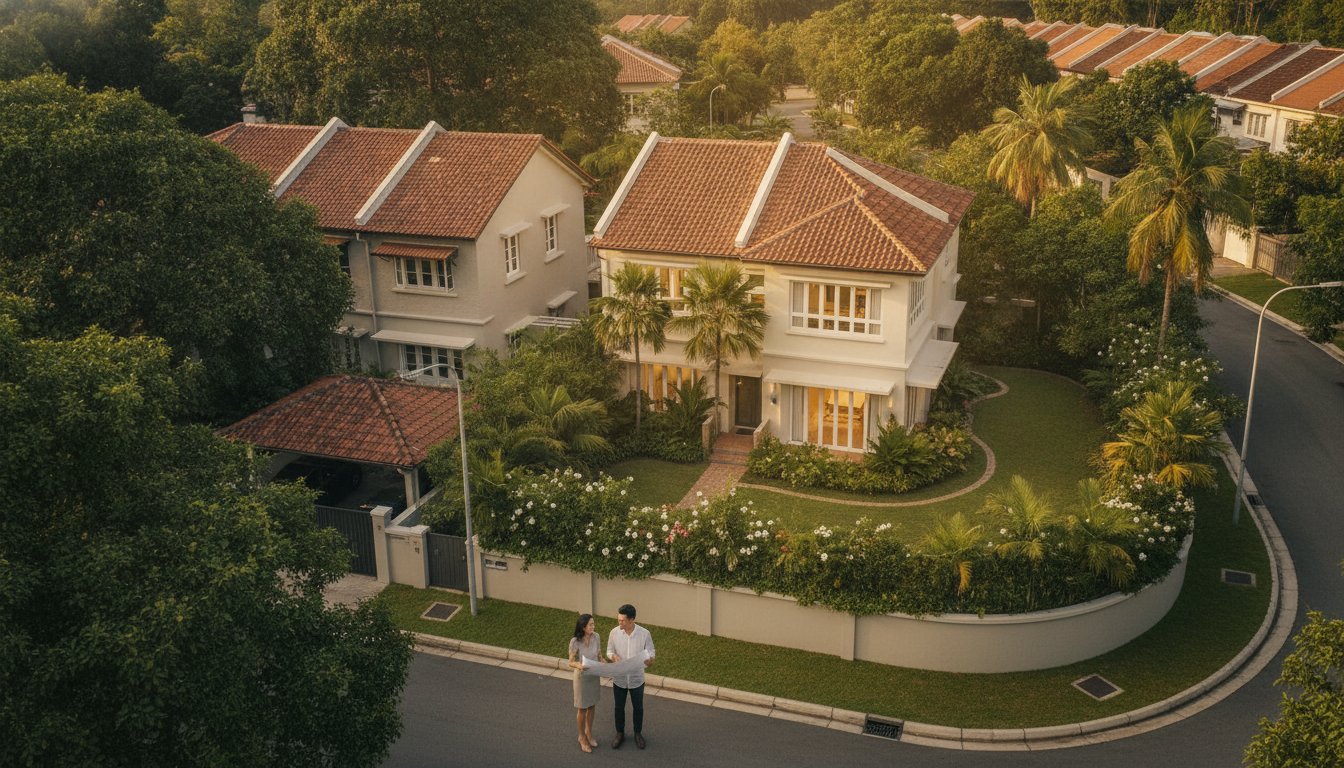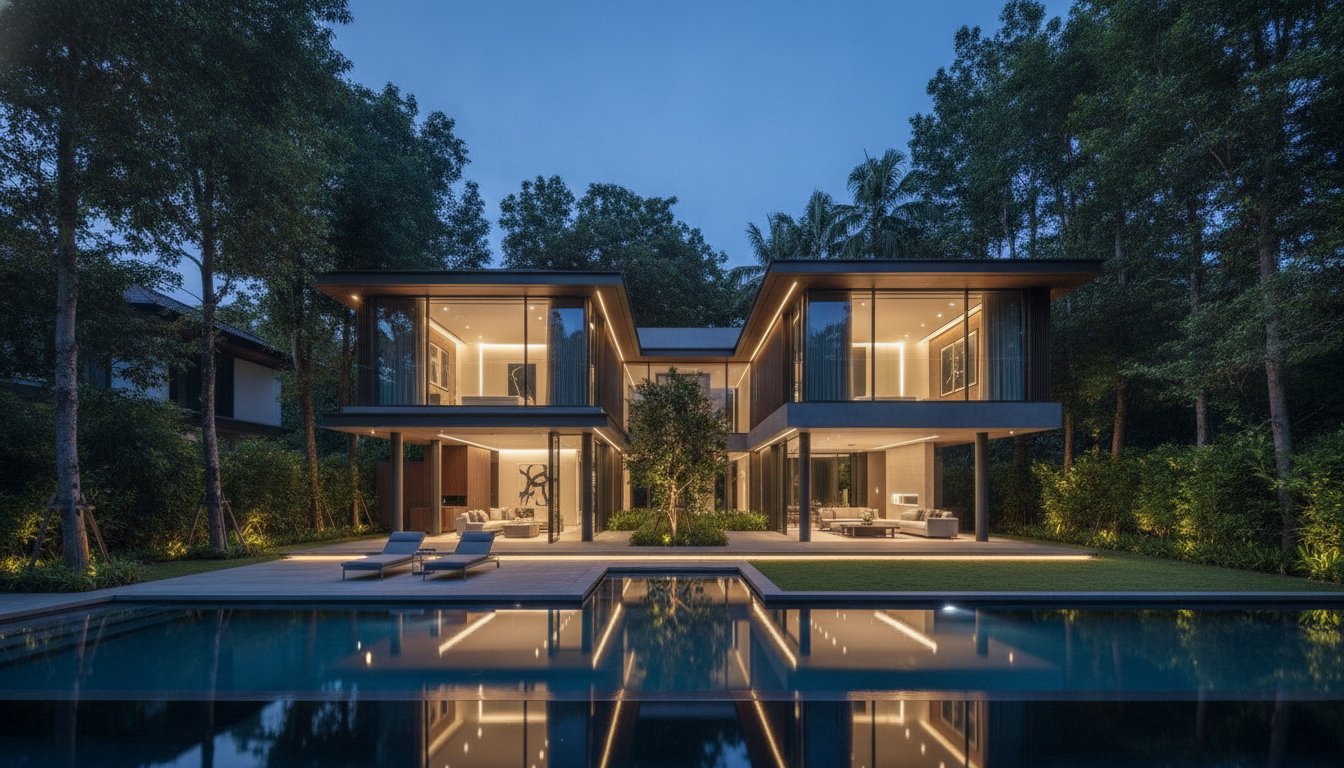
Of the 39 gazetted areas in our city-state, only a select few truly command the title of “prime” in the eyes of the global elite. You likely recognize that acquiring a Good Class Bungalow is far more than a residential transaction; it’s a calculated move to secure a legacy asset within a landscape defined by extreme scarcity and rigid URA planning constraints. Identifying the right entry point requires more than just a list of addresses. It demands an understanding of the historical density and unique topography that separate a standard GCB from a generational masterpiece.
This strategist’s guide clarifies the current hierarchy of prestige, helping you cut through the information asymmetry often found in off-market dealings. You’ll discover the specific factors that define the most sought-after prime GCB locations in Singapore and how these enclaves maintain their value even as market cycles shift. We’ll examine the top-tier districts that continue to set record land rates in 2026, ensuring your next acquisition aligns with a vision of long-term capital preservation and absolute privacy.
Key Takeaways
- Identify the specific central districts that command the highest prestige among the 39 gazetted areas.
- Discover why prime GCB locations in Singapore like Nassim and Cluny remain the gold standard for capital preservation.
- Compare strategic alternatives in Bukit Timah and Binjai Park to find the ideal balance of plot size and luxury.
- Evaluate technical factors like topography and redevelopment potential to distinguish a standard property from a high value legacy asset.
- Learn the importance of discretion in managing off-market transactions to secure elite properties before they reach the public eye.
The Hierarchy of Prestige: Defining Prime GCB Locations
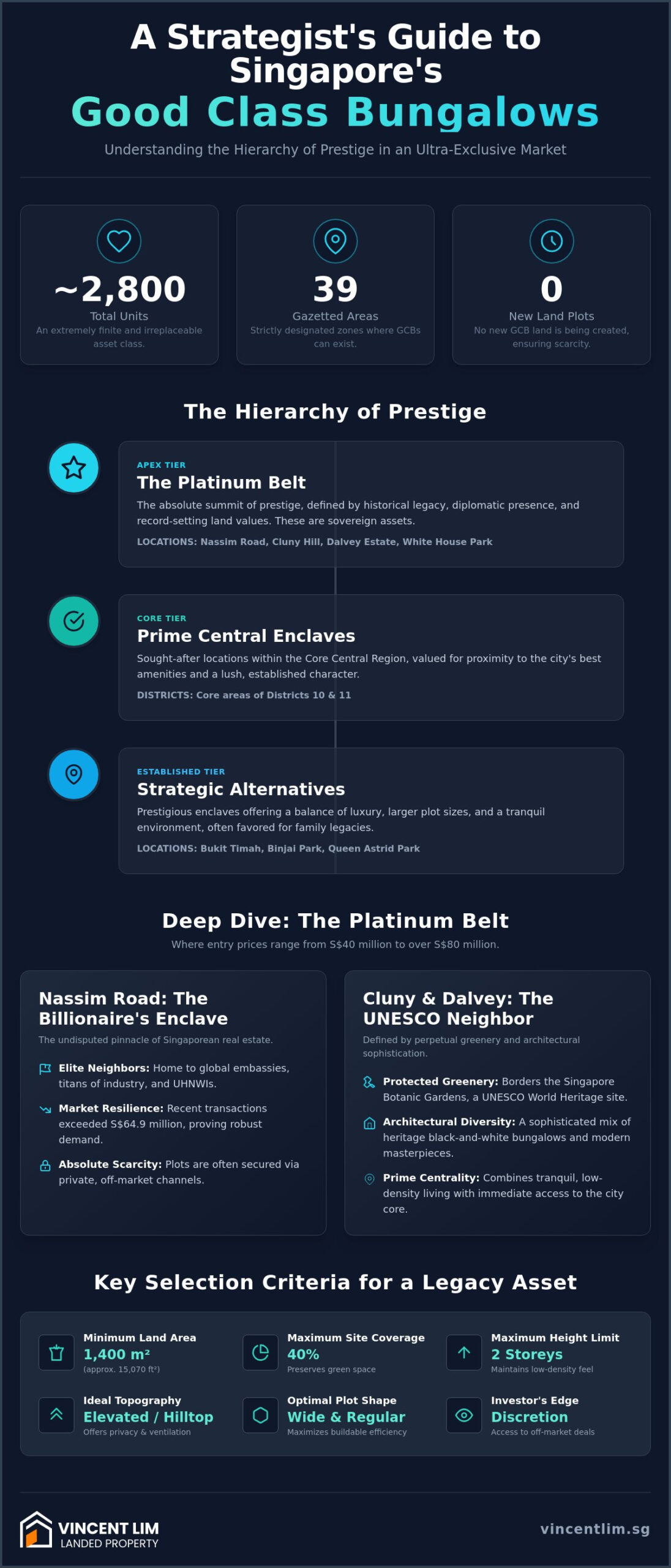
Within the refined world of Singaporean real estate, the Good Class Bungalow (GCB) sits at the apex. While the Urban Redevelopment Authority (URA) has gazetted 39 distinct areas, a clear hierarchy exists that separates the truly elite enclaves from the rest. This distinction is driven by absolute scarcity. As of mid-2026, the total stock remains strictly limited to approximately 2,800 units. No new GCB land is being designated, making each plot a finite resource in a growing global financial hub. For the investor, understanding this hierarchy is the first step in identifying assets that offer both lifestyle excellence and long-term capital preservation.
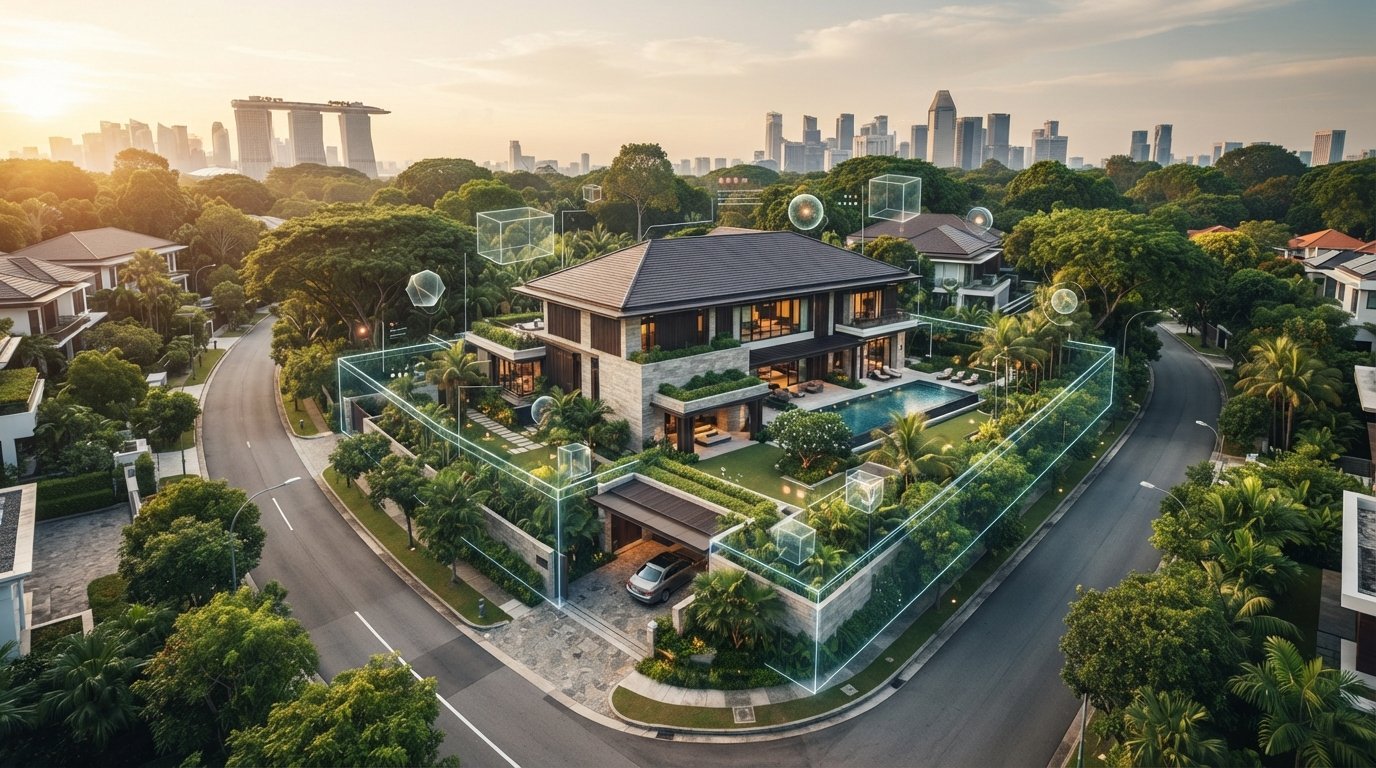
The concentration of prestige isn’t accidental. It’s the result of decades of meticulous planning and conservation. URA guidelines ensure these areas maintain a low-density, lush character by enforcing a maximum site coverage of 40% and a two-storey height limit. This preservation of “green lungs” in a dense city creates an atmosphere of secluded luxury that’s impossible to replicate. When we analyze prime GCB locations in Singapore, we look for areas where this environmental character is most established and where the density of Ultra-High-Net-Worth Individuals (UHNWIs) is highest.
The Core Central Region (CCR) Advantage
The Core Central Region remains the undisputed epicenter of demand. Districts 10 and 11 don’t just offer luxury; they offer a historical legacy. Many of the most sought-after prime GCB locations in Singapore are situated near the Singapore Botanic Gardens. This proximity to a UNESCO World Heritage site provides a permanent buffer of greenery and a level of prestige that transcends market cycles. These “Original 39” areas represent the safest harbor for capital, as evidenced by the average land rate rising to S$2,341 per square foot in the second quarter of 2026. Living here means being part of an exclusive geography that has defined Singaporean wealth for generations.
Distinguishing Features of a Prime GCB Plot
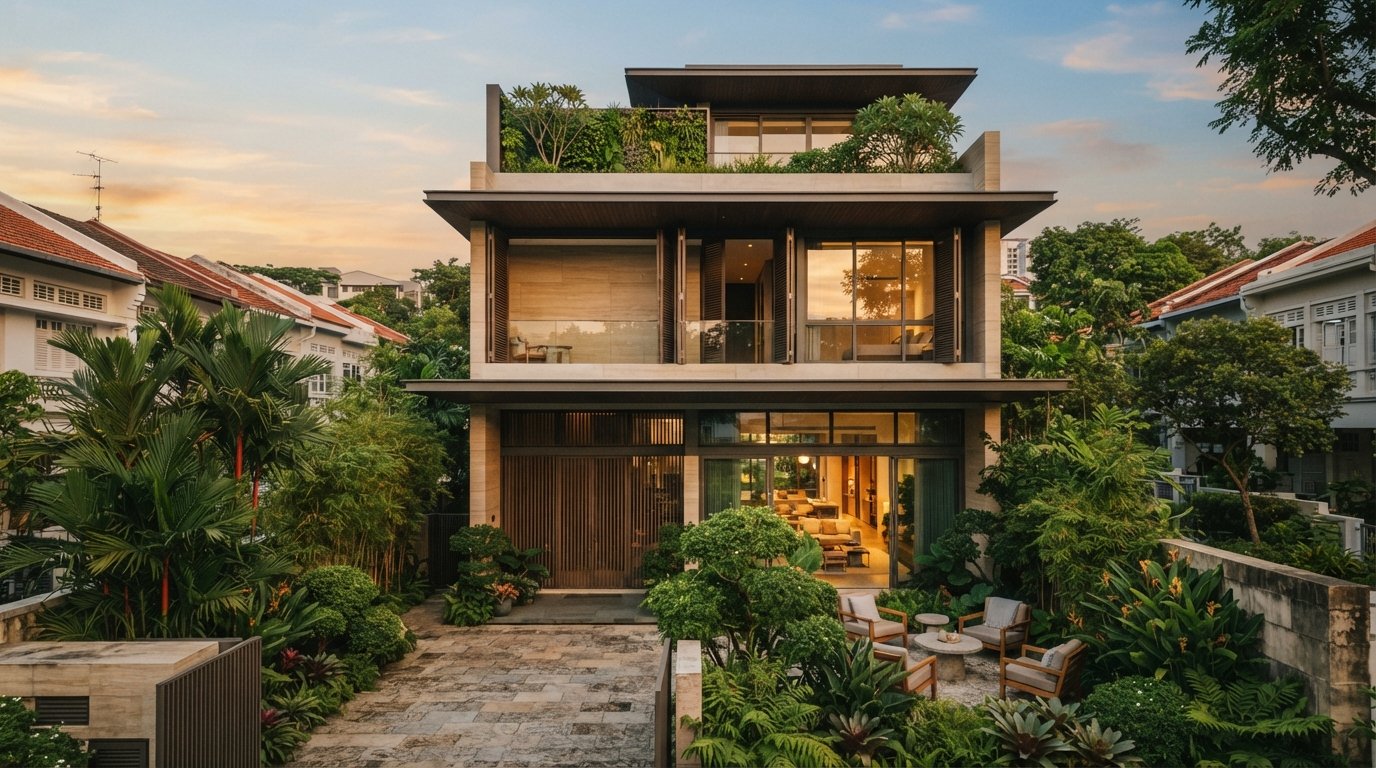
Beyond the postal code, the physical attributes of a plot determine its ultimate standing. A standard Good Class Bungalow must possess a minimum land area of 1,400 square meters. However, the most “prime” plots often feature wide frontages and regular, rectangular shapes that maximize buildable efficiency. Topography plays a critical role too. There’s a significant premium for elevated or “hilltop” plots. These sites offer superior natural ventilation, enhanced privacy from street level, and better “Feng Shui” compared to sunken plots that may face drainage or visibility challenges. Mastering these nuances allows a buyer to distinguish a standard property from a true legacy asset.
The Platinum Belt: Nassim, Cluny, and White House Park
The “Platinum Belt” represents the most exclusive inner circle of the 39 gazetted areas. While the previous section established the general hierarchy of prestige, these specific enclaves sit at the absolute summit. They’re defined by a high concentration of diplomatic residences, expansive land plots, and a historical legacy that dates back to the colonial era. For the elite strategist, these addresses are more than just homes; they are sovereign assets that offer a level of capital preservation found nowhere else in the region. The entry price for properties in this tier typically ranges from S$40 million to well over S$80 million, reflecting their status as the gold standard of real estate.
Nassim Road: The Billionaire’s Enclave
Nassim Road remains the undisputed pinnacle of prime GCB locations in Singapore. It’s a landscape of hidden driveways and massive estates that often exceed the standard 15,000 square foot minimum. The resilience of this enclave is evidenced by recent high-stakes activity. In the second quarter of 2026, a significant transaction in the Nassim area reached S$64.9 million, demonstrating that demand for these top-tier assets remains robust despite broader market moderation. Owners here count global embassies and titans of industry as their neighbors, creating a social fabric that is as valuable as the land itself. The investment appeal of Nassim is built on this absolute scarcity; when a plot here becomes available, it is often secured through private channels before ever reaching the public market.
The Cluny and Dalvey Enclaves
Living in Cluny Hill or Cluny Park means sharing a boundary with the Singapore Botanic Gardens. This proximity to a UNESCO World Heritage site ensures that the lush, green character of the neighborhood is protected in perpetuity. The architectural diversity here is a major draw for the discerning buyer. You’ll find a sophisticated mix of heritage black-and-white bungalows and cutting-edge modern masterpieces designed by world-renowned architects. Dalvey Estate, located just a stone’s throw away, is frequently the first choice for families focused on legacy planning. It offers a dignified, quiet atmosphere that’s ideal for multi-generational living. These areas benefit from being close to elite social clubs and top-tier educational institutions, making them as practical as they are prestigious.
White House Park and Chatsworth Park round out the Platinum Belt with their unique privacy profiles. White House Park is celebrated for its colonial charm and grand proportions, while Chatsworth Park serves as a premier diplomatic enclave. The presence of high-commission residences in Chatsworth provides an additional layer of security and quietude that is highly prized. Identifying the right opportunity within these high-demand zones requires a methodical approach and deep local intelligence. Securing a legacy asset in such a competitive environment is often a matter of timing and access to off-market data. If you’re looking to refine your search for a specific plot, consulting with a specialist who understands the nuances of the Platinum Belt can provide the clarity needed for a confident acquisition.
Strategic Alternatives: Comparing Bukit Timah and Central Enclaves
While the District 10 enclaves of Nassim and Cluny represent the historical peak of prestige, identifying prime GCB locations in Singapore requires a broader strategic perspective. Districts 11, 21, and 20 offer distinct advantages that often align better with specific family or investment goals. These enclaves provide a different “flavor” of luxury, characterized by expansive grounds, proximity to premier schools, and immediate access to nature reserves. For the strategist, these areas aren’t just alternatives; they’re high-value opportunities to secure larger land plots that are becoming increasingly rare in the city core.
District 11: The Educational Hub GCBs
Raffles Park and Camden Park serve as the anchors of District 11’s GCB market. The primary draw here is the “school effect.” Proximity to institutions like Raffles Girls’ Primary and Nanyang Primary creates a consistent floor for demand among local families. While entry-level GCBs in these areas may start between S$15 million and S$25 million, the price-per-square-foot remains more accessible than the ultra-prime Nassim corridor. This allows buyers to acquire more substantial land areas for the same capital outlay, providing greater flexibility for bespoke architectural redevelopment and long-term legacy planning.
The Quiet Luxury of District 21 and 23
Areas like Binjai Park, Swiss Club Road, and King Albert Park are synonymous with “quiet luxury.” These locations are favored by those who seek a country-club lifestyle, characterized by winding roads, mature greenery, and a high degree of privacy. Binjai Park is particularly noted for its exceptionally large plots that allow for extensive landscaping and multi-structure residences. Moving further west, Chestnut Avenue stands as a unique GCB outpost in District 23, offering a serene gateway to the Bukit Timah Nature Reserve. These enclaves appeal to investors who value tranquility and space over the high-profile visibility of the central districts.
Caldecott Hill and Windsor Park represent the central enclaves of District 20, each offering a unique value proposition. Caldecott Hill carries a unique heritage as the former home of Singapore’s media royalty, featuring elevated plots with sweeping views. Conversely, Windsor Park acts as a gateway to the Central Catchment Nature Reserve, providing a living environment that is deeply integrated with the outdoors. These areas maintain a distinct identity, ensuring that the GCB market remains diverse and resilient across different buyer profiles. Understanding the nuances of these strategic alternatives is essential for any investor looking to refine their portfolio in 2026.
Selection Criteria for the Discerning GCB Investor
Identifying the right plot within prime GCB locations in Singapore requires a transition from a geographic focus to a technical one. A seasoned investor understands that land size is merely the baseline. The true value of a GCB asset lies in its “buildability” and its long-term potential for capital appreciation. Evaluating a property through a strategic lens involves analyzing topography, drainage, and plot shape before considering the existing structure. These factors determine whether a property remains a standard residence or transforms into a high-performance legacy asset.
Topography is perhaps the most critical physical attribute. Elevated plots, often referred to as “hilltop” sites, command a significant premium. They provide natural ventilation and enhanced privacy from street level, which are highly prized in a dense urban environment. Conversely, “sunken” plots often face challenges with drainage and visibility, which can complicate redevelopment plans. Accessibility also plays a major role; a wide frontage on a quiet cul-de-sac is typically preferred over a plot situated on a main thoroughfare. These nuances directly impact the property’s desirability and its eventual exit value.
The Technical Audit: Beyond the Land Size
Success in the GCB market depends on a thorough understanding of URA Envelope Control guidelines. These regulations dictate that a bungalow must have a minimum land area of 1,400 square meters and a maximum site coverage of 40%. Additionally, many prime GCB locations in Singapore fall within the “Central Tree Conservation Area.” This designation adds a layer of complexity to redevelopment, as it restricts the felling of mature trees. An elite strategist identifies these constraints early, assessing whether to pursue a total redevelopment or a sophisticated renovation that preserves the heritage character of the site.
The Wealth Perspective: GCBs as a Defensive Asset
From a wealth management perspective, GCBs function as a premier defensive asset. While luxury condominiums are subject to broader market volatility, the fixed supply of approximately 2,800 GCBs creates a permanent price floor. Data from the second quarter of 2026 shows average land rates rising to S$2,341 per square foot, even as transaction volumes moderated. This resilience makes them an ideal vehicle for intergenerational wealth transfer, especially since Singapore has no capital gains tax or estate duty. You can learn more about what is a Good Class Bungalow and how its unique properties compare to other luxury asset classes.
Securing a property that meets these rigorous criteria requires more than just capital; it requires a partner who can conduct a meticulous technical audit. If you’re ready to evaluate a specific plot for its long-term potential, connect with a specialist to review your acquisition strategy.
Navigating the GCB Acquisition with Vincent Lim
Acquiring a property within the prime GCB locations in Singapore is a complex maneuver that extends far beyond a standard property search. It involves navigating a landscape of off-market listings, intricate URA regulations, and the sensitive requirements of UHNWI sellers. Success in this segment requires a partner who operates with absolute discretion and a calculated, strategic mindset. Vincent Lim provides this “white-glove” service, acting as a trusted guide for those looking to secure a generational asset within Singapore’s most exclusive residential enclaves.
The high-stakes nature of the Good Class Bungalow market means that many of the most desirable plots never reach a public portal. Accessing these opportunities requires a deep integration into the luxury real estate community. By leveraging the extensive network of OrangeTee & Tie, Vincent provides his clients with a significant advantage in identifying and securing these “invisible” listings. This proactive approach ensures that you’re not just reacting to the market, but actively shaping your acquisition strategy around the most prestigious opportunities available in 2026.
The Bespoke Brokerage Experience
Vincent’s methodology is built on a foundation of active management and meticulous coordination. He identifies undervalued opportunities that are often hidden from the public eye. This bespoke approach includes the seamless coordination of a specialized team, ranging from legal experts and financial planners to top-tier architectural consultants. This ensures that every technical and regulatory hurdle is cleared before the transaction is finalized. If you’re also considering other landed types, see our guide on detached houses for sale in Singapore for a broader perspective on the luxury market.
A Disciplined Approach to Real Estate
With over two decades of industry experience, active since 2004, Vincent brings a level of seasoned authority that is essential for high-stakes transactions. He understands that a GCB is not just a residence but a critical component of a property wealth plan. His approach is characterized by transparency and a commitment to maintaining a gold standard in every interaction. This disciplined perspective allows clients to move forward with peace of mind, knowing their legacy planning is in the hands of a veteran professional. By focusing on prime GCB locations in Singapore that offer the best long-term value, Vincent helps you build a portfolio that stands the test of time.
Establishing a foothold in this elite market requires a partner who values integrity as much as results. To begin your journey, Consult with Vincent Lim for a private GCB portfolio review and discover how a strategic approach can secure your future in Singapore’s most prestigious residential segment.
Securing Your Multi-Generational Asset in 2026 and Beyond
The landscape of Singapore’s most exclusive real estate is defined by absolute scarcity. As we move through 2026, the distinction between a standard gazetted area and a truly elite enclave becomes clearer for the discerning investor. Identifying the right entry point within prime GCB locations in Singapore involves a disciplined analysis of topography, URA constraints, and long-term legacy value. You aren’t just buying a home; you’re securing a sovereign asset that stands resilient against market volatility.
Navigating this high-stakes environment requires the insight of a veteran professional who understands the nuances of off-market transactions. Vincent Lim, an Executive Associate Director at OrangeTee & Tie, brings over 20 years of luxury real estate expertise to every acquisition. As a specialist in high-stakes GCB transactions since 2004, he provides the white-glove service and calculated competence necessary to manage your property wealth planning with absolute discretion. Secure Your GCB Legacy with Vincent Lim today to ensure your next acquisition aligns with a vision of enduring excellence. Your path to a refined property portfolio begins with a partner who values integrity as much as results.
Frequently Asked Questions
Where are the most expensive GCB locations in Singapore?
The highest valuations are concentrated within District 10, specifically in the Nassim Road, Cluny Road, and White House Park enclaves. Properties in these “ultra-prime” zones typically command prices between S$40 million and S$80 million, reflecting their status as the most prestigious addresses in the city-state.
Can a Permanent Resident (PR) buy a GCB in a prime location?
Generally, only Singapore Citizens are eligible to purchase properties in prime GCB locations in Singapore under the Residential Property Act. While Permanent Residents can technically apply for special approval from the Land Dealings Approval Unit (LDAU), such grants are exceptionally rare for Good Class Bungalows and are usually reserved for those making significant economic contributions.
How many Good Class Bungalow areas are there in Singapore?
There are exactly 39 gazetted Good Class Bungalow areas designated by the Urban Redevelopment Authority (URA). These specific enclaves house a fixed supply of approximately 2,800 units, ensuring the absolute scarcity that underpins the asset class’s long-term investment value.
What is the minimum land size for a GCB in District 10?
The minimum land area required for a property to qualify as a Good Class Bungalow is 1,400 square meters, or approximately 15,069 square feet. This requirement applies across all 39 gazetted areas to maintain the low-density, high-privacy character that defines the segment.
Is Nassim Road considered the best GCB area?
Nassim Road is widely recognized as the undisputed pinnacle of Singaporean real estate due to its massive plot sizes and proximity to embassies. Its reputation for record-breaking transactions, such as the S$64.9 million sale in Q2 2026, solidifies its position as the most resilient and sought-after enclave for global billionaires.
What are the main differences between GCB areas in D10 and D11?
District 10 serves as the historic center of the “Platinum Belt,” while District 11 is favored as a premier educational hub. Families often choose District 11 for its proximity to elite institutions like Nanyang Primary, frequently finding slightly more accessible entry prices compared to the ultra-prime Nassim and Cluny corridors.
How does the URA regulate GCB locations?
The URA enforces strict planning constraints to preserve the unique character of prime GCB locations in Singapore. These include a maximum site coverage of 40% and a building height limit of two storeys plus an attic. These regulations ensure that the lush, green environment of these enclaves remains protected from overdevelopment.
Why is Cluny Hill so prestigious for bungalow owners?
Cluny Hill’s prestige is primarily driven by its location adjacent to the Singapore Botanic Gardens, a UNESCO World Heritage site. This proximity provides owners with a permanent, protected buffer of greenery and a level of tranquility that is impossible to replicate in other parts of the Core Central Region.