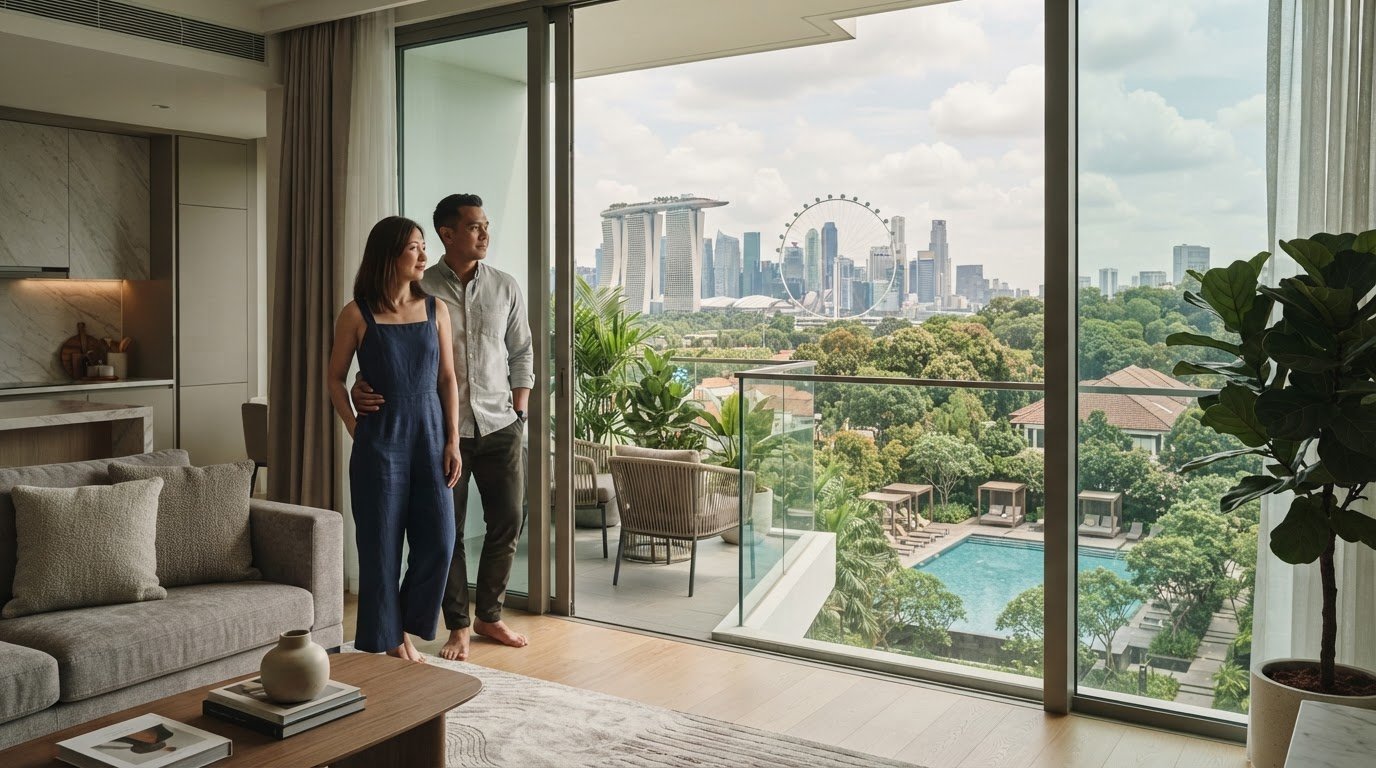
A luxury condo can reduce upkeep and offer shared amenities, controlled access and a more lock-and-leave lifestyle. The trade-offs include monthly maintenance dues, shared rules and less private space than a landed home. The pros and cons of living in a luxury condo depend on whether these conveniences outweigh shared responsibilities and limits on space, hosting and control. Appliance repairs also depend on the unit and building arrangements.
The appeal is straightforward: you may spend less time managing exterior maintenance and more time using shared facilities. In return, costs, decisions and common areas are shared, so building management and rules shape daily life alongside the unit itself.
This guide covers how appliances, maintenance, shared responsibilities, space, hosting and security can affect your decision. It also offers a practical way to compare condo living with a landed home in Singapore, so you can see which suits your routines and priorities.
Key Takeaways
- Clarify which appliances and repairs are covered by the unit’s arrangements, and weigh recurring maintenance dues against the upkeep you avoid handling yourself.
- Compare the convenience of shared facilities with the responsibilities of common ownership, building rules and decisions that affect residents.
- Assess whether the unit’s layout, privacy and outdoor space suit your household and the way you like to host.
- Consider how controlled access and building security fit your priorities, then compare condo living with the space and independence of a landed home.
Included appliances and building maintenance
For resale value and rental yield, location is only one factor. In Singapore, proximity to workplaces, dining and public transport can make a property more convenient. Unit condition, building maintenance, facilities and recurring dues also affect its appeal to buyers and tenants.
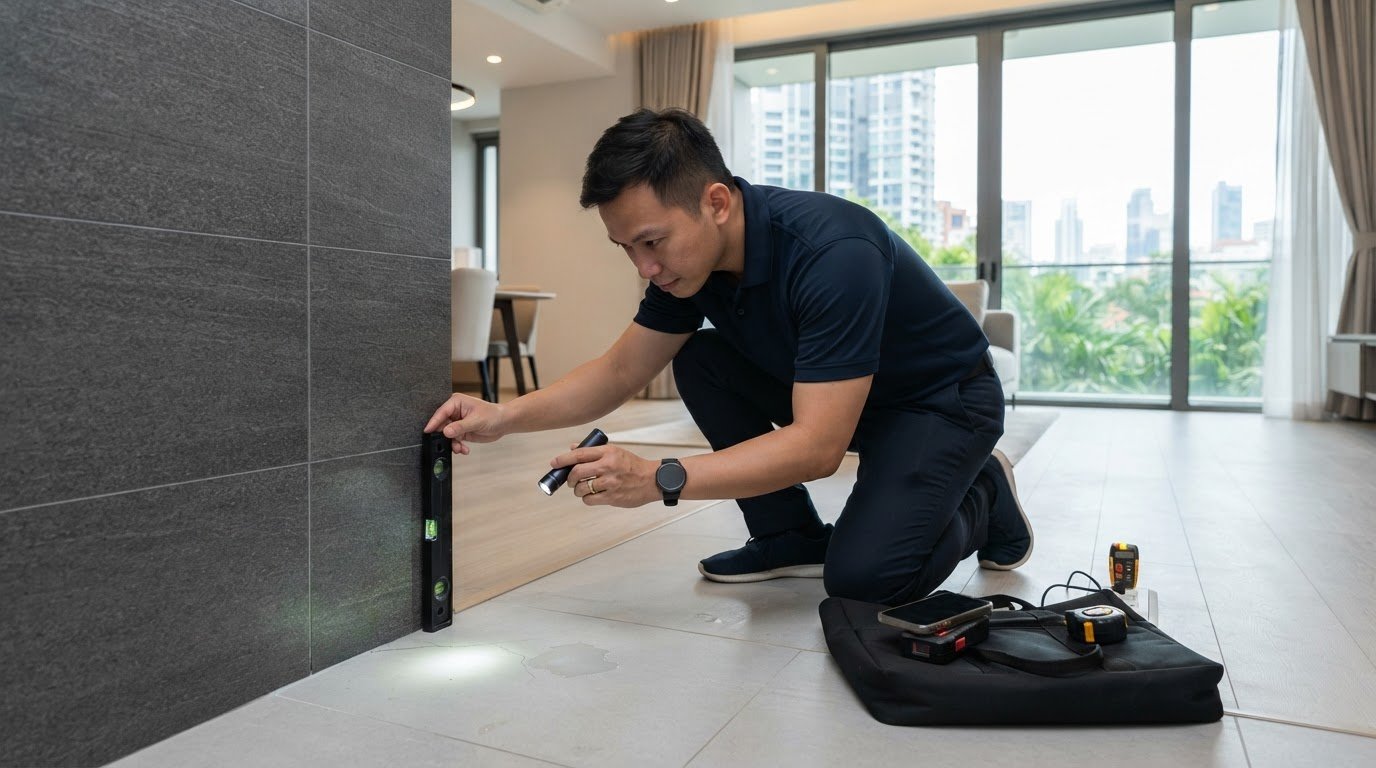
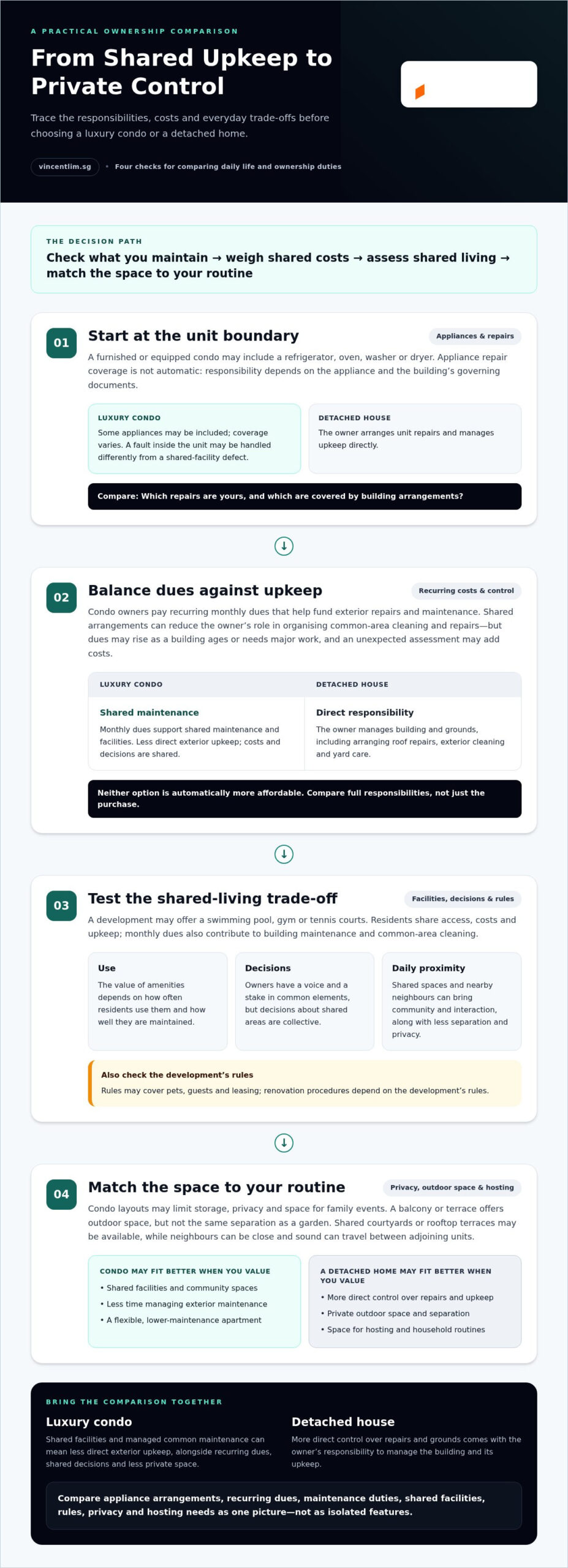
A furnished or equipped condo may include a refrigerator, oven, washer or dryer. Don’t assume building maintenance covers appliance repairs: responsibility depends on the appliance and the building’s governing documents. A fault inside a unit, for example, may be handled differently from a defect in a shared facility.
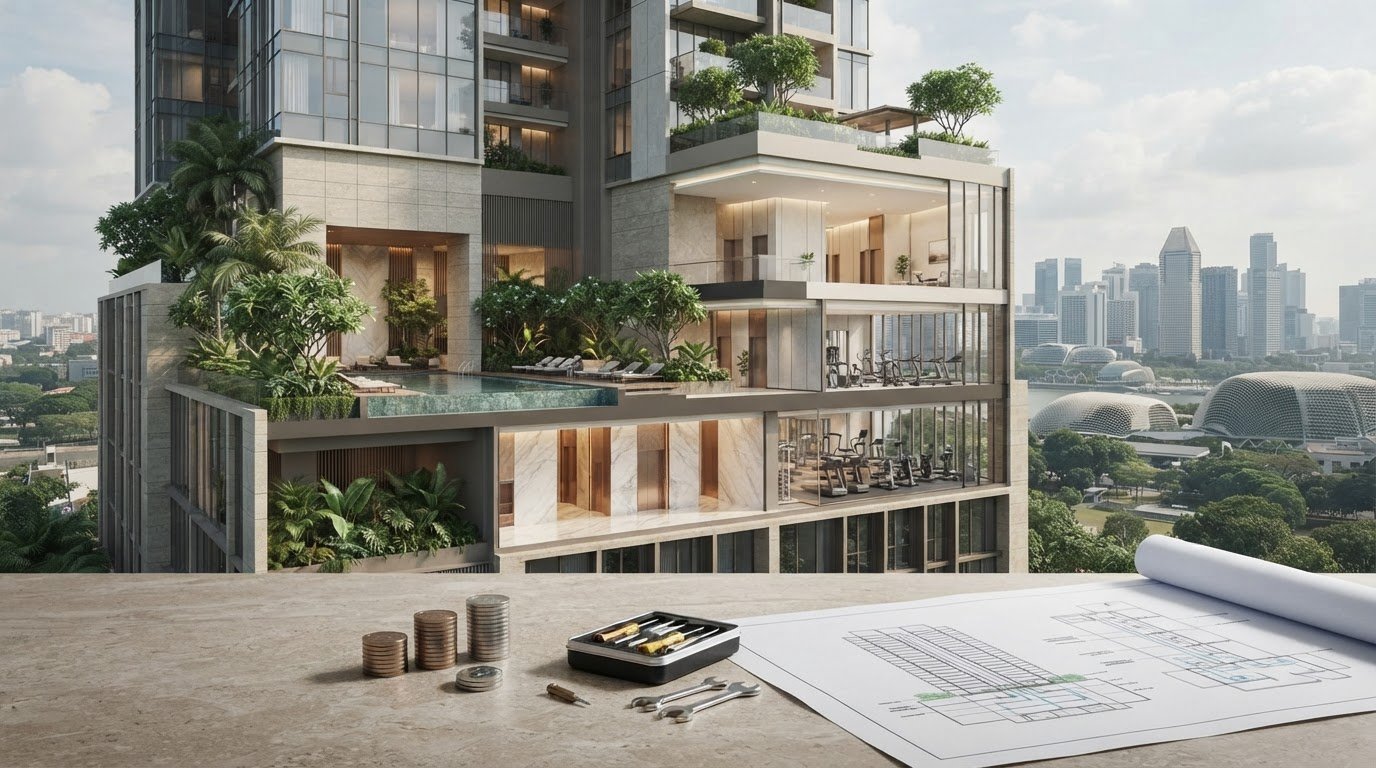
Owners pay recurring monthly dues that help fund exterior repairs and maintenance. In a luxury development, facilities such as a swimming pool are generally managed under an agreed arrangement. This can reduce the owner’s role in organising cleaning and common-area repairs, but dues may rise as a building ages or requires major work. An unexpected assessment may add to owners’ costs.
Owning a detached house offers more direct control, but the owner manages its maintenance. That can include arranging roof repairs, exterior cleaning and yard care. A condo may suit someone seeking a flexible, lower-maintenance apartment; a detached home may suit someone who values control over repairs and upkeep. Neither option is automatically more affordable, so compare the full responsibilities, not just the purchase.
| Option | Appliances and repairs | Maintenance responsibility | Best fit |
|---|---|---|---|
| Luxury condo | Some appliances may be included; coverage varies | Monthly dues support shared maintenance | Less direct exterior upkeep |
| Detached house | Owner arranges unit repairs | Owner manages building and grounds | More control over upkeep |
List the appliances, repairs and shared services involved, then compare those responsibilities with the level of control and upkeep you want.
Location alone does not determine a luxury condo’s resale value or rental yield. Proximity to workplaces, dining and public transport can make daily life more convenient, while unit condition, building maintenance, facilities and recurring dues also affect appeal to buyers and tenants.
Shared responsibility for unit interiors and common areas
Condo ownership combines responsibility for the private unit with shared use and upkeep of common areas. Buyers gain access to facilities and community spaces, but take on shared costs and have less freedom to change communal settings.
Unit Interiors and Common-Area Duties
The distinction starts at the unit boundary. A leaking tap or damaged cabinet is an interior concern; a lift lobby or shared corridor serves the whole development. Condo owners generally insure unit interiors, while shared payments contribute to building or complex insurance. Governing documents define who handles each repair, so a problem such as water damage near a shared wall may involve different responsibilities.
With a detached home, the owner manages the building and its upkeep directly. Condo owners also have a stake in common elements and a vote on condominium matters. This gives them a voice, but decisions about corridors, lifts and other shared areas are collective rather than entirely personal.
Amenities, Facilities, and Shared Costs
A luxury development may include a swimming pool, gym or tennis courts. These amenities extend the lifestyle beyond the apartment, but residents share access rather than having private use. Monthly homeowners’ association dues contribute to community amenities, building maintenance and common-area cleaning. Their value depends on how often residents use them and how well they are maintained.
Shared costs deserve attention. A pool needs ongoing care even if a particular owner rarely swims, and common facilities require upkeep between uses. Compare the facilities you expect to use with recurring dues and the building’s maintenance needs. This gives a clearer picture of the practical cost of amenities than simply noting that they are available.
Community Spaces, Events, and Cooking Smells
Shared lounges, gardens and function spaces give neighbours places to meet or hold community events. They also bring more interaction than a fully private property. Residents who value a connected community may enjoy this; those who prefer quiet routines may find shared activity less appealing.
Cooking smells offer a more everyday example of proximity. Strong aromas from a neighbouring apartment can travel through corridors or shared ventilation, while meals prepared for a gathering bring activity into communal spaces. Consider how often you use shared areas and how comfortable you feel with neighbours nearby. For a broader Singapore purchase perspective, explore condo ownership considerations.
Condo space and hosting limitations
Condo layouts may limit storage, privacy and space for family events. In Singapore, also weigh house rules, security and shared upkeep. Rules may cover pets, guests and leasing, including pet restrictions and minimum lease terms. Renovation procedures depend on the development’s rules. Foreign buyers should assess eligibility and additional taxes according to buyer status and property classification. Neighbour noise, common-area condition and repairs are also worth considering.
Outdoor Space and Privacy
A private balcony or terrace offers outdoor space, but not the same separation as a garden. Some developments have shared courtyards or rooftop terraces. Neighbours may be close, and sound can travel between adjoining units. Buyers seeking quiet, private outdoor space may find a landed family home better suited to daily life, while condo residents trade private grounds for shared facilities.
Space also affects hosting. A condo living room may work for a small dinner but feel restrictive for larger gatherings. Before deciding, consider the dining layout, seating and circulation space against the events you usually host.
Pets, Renovations, Guests, and Short-Term Rentals
Condo rules may restrict pets by size or number, or prohibit certain animals. They may also cover guests, noise and leasing, with rental policies setting minimum lease terms or limiting short-term stays. Rules vary by development, so review them to understand how they affect day-to-day freedom.
Review the development’s renovation procedures before planning work. Guest access arrangements also matter if you regularly host visitors. Foreign buyers should distinguish private condos from landed houses and assess eligibility and additional tax obligations according to their circumstances. These are purchase considerations, separate from the space trade-offs of daily living.
Security features may include controlled entrances, cameras, buzzer systems, guards or doormen. They can support residents’ sense of security, but close neighbours may mean less privacy and more noise. Shared-area upkeep matters too: residents have limited control over common-area condition, and building repairs involve shared responsibilities.
Compare the floor plan, outdoor space, house rules and security arrangements with your household’s routines. If private gardens, expansion options and greater separation matter most, a house may better fit your preferred lifestyle.
Building security and controlled access
Secure entrances and surveillance cameras are common features in condominium buildings. Some developments also have security guards or doormen, while others use buzzer systems. These measures shape how residents, visitors and delivery personnel enter. When comparing Singapore properties, assess the actual entry arrangements rather than treating a luxury address as a security feature in itself.
Controlled access can make daily routines more orderly, especially when residents share lifts, lobbies and amenities. It can also add steps when friends visit or deliveries arrive. Consider how visitors are admitted, whether the entrance is staffed, and how residents get from the lobby to their homes. These practical details affect convenience and privacy.
Nearby neighbours may contribute to residents’ sense of security because activity around entrances and common areas is more visible. The trade-off is that shared corridors and close units can bring noise or reduce privacy. Security systems also depend on ongoing management. Cameras, entrance controls and shared spaces need maintenance, while repairs to common areas remain a collective responsibility.
Condo ownership also means participating in decisions about common areas. Residents have rights to use common elements and vote on condominium matters. An association or management body can influence access arrangements, maintenance priorities and the condition of shared spaces. Consider whether these shared responsibilities suit your preference for direct control over a property.
Make a practical comparison: note whether the building has a secure entrance, cameras, a buzzer system, guards or doormen. Then consider visitor access, nearby neighbours, shared-area upkeep and how you would use the facilities. This helps you weigh security features against the broader conveniences and responsibilities of condo living.
For a purchase decision that balances security with the wider fit of a home, explore luxury condominium sales.
Vincent Lim (OrangeTee & Tie): Terrace House Sales
Vincent Lim (OrangeTee & Tie) offers Terrace House Sales for buyers whose priorities point toward a landed home rather than shared condo living. If private outdoor space, greater control over the property and room for family routines matter more than shared facilities, a terrace house may be worth considering. Buyers comparing landed options can also explore Semi-Detached House Sales, Detached house sales and Good Class Bungalow (GCB) Sales.
The right choice depends on how you weigh upkeep, privacy, space and shared responsibilities against each home’s features. Comparing these factors can help clarify which property type better fits your priorities in Singapore.
To discuss your property plans, contact Vincent Lim (OrangeTee & Tie) or visit vincentlim.sg.
Choose the Home That Fits Your Next Chapter
Your decision should reflect how you want to live, not simply which property looks more impressive. First, set your priorities: the space your household needs, the privacy you value, and how much responsibility you want for upkeep and shared decisions. Then compare each home against those priorities before choosing a direction.
For some buyers, the pros and cons of living in a luxury condo favour convenience and shared facilities. Others may prefer the independence and private outdoor space of a landed home. Vincent Lim (OrangeTee & Tie) offers Terrace House Sales, Semi-Detached House Sales and Detached house sales for buyers considering these alternatives.
A clear next step is to discuss the property type that best aligns with your priorities. Explore your property options with Vincent Lim and move forward with a more considered plan.
Frequently Asked Questions
How to Decide?
Rank your priorities before comparing specific properties. Start with the space your household needs, then consider privacy, hosting, maintenance duties, building rules and access to facilities. A household that entertains frequently, for example, may value a larger living area more than a shared function room. Compare each property against the same priorities and identify which trade-offs you can accept.
What are the pros and cons of living in a luxury condo in Singapore?
The main advantages are shared facilities, managed common areas and controlled building access. Trade-offs include recurring dues, shared rules, close neighbours and limits on private outdoor space or large gatherings. The balance depends on how you use the facilities and value convenience against privacy. Think about a typical week: if you rarely use shared amenities, they may carry less weight in your decision.
What are monthly maintenance fees and sinking fund charges for Singapore condos?
Monthly maintenance fees contribute to shared upkeep, amenities and common-area services; a sinking fund sets aside contributions for future works or major projects. The amount varies by development and its maintenance needs, amenities, staffing, age and size. Review the fee breakdown and reserve position as part of your ownership budget. Also consider whether planned building works could require additional contributions from unit owners.
How do luxury condo facilities and services compare with HDB flats and landed homes?
Luxury condos may offer facilities such as a pool, gym or tennis courts, which residents share. HDB flats also sit within shared estates, while landed homes provide private space without the same communal facility arrangement. Landed-property owners are directly responsible for their home’s upkeep. Compare the facilities you will use regularly with the privacy and control you want.
What are the ongoing costs of owning a Singapore condo, including property tax and insurance?
Budget separately for recurring maintenance dues, property tax, insurance, utilities and any mortgage payments or repairs that apply to your circumstances. These are distinct costs, not one combined condo charge. Building contributions may support shared insurance, while your own policy may cover unit interiors. List each cost separately and allow room for changes in maintenance dues or unexpected building assessments.
How do location, transport links, and nearby amenities affect luxury condo living in Singapore?
Location affects daily convenience: proximity to workplaces, public transport, shops and restaurants can make routine trips easier and reduce commuting time. Consider your regular destinations, not just the facilities within the development. A condo near your workplace may suit a different routine from one chosen for nearby dining or cultural attractions. Map your typical journeys and compare how each property supports your household’s everyday needs.