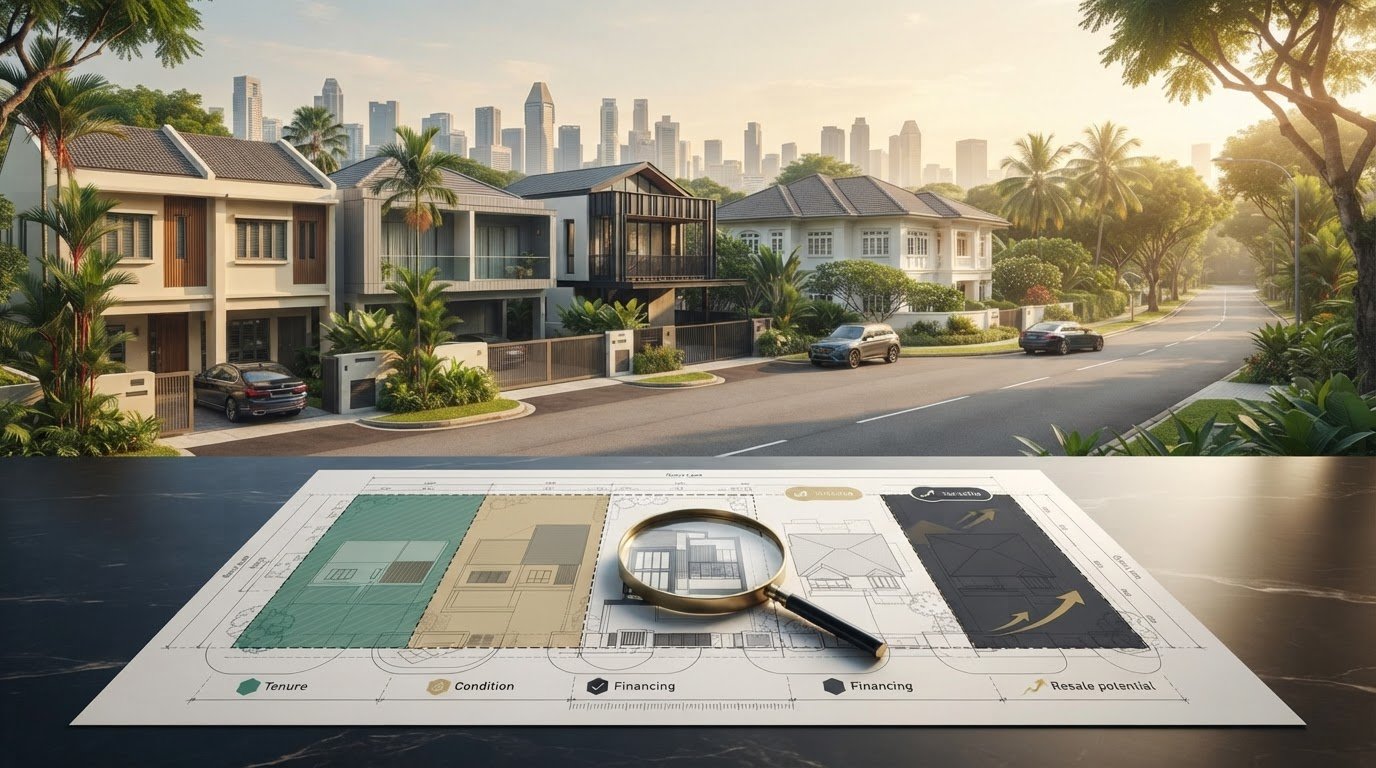
What if the most prestigious landed home isn’t the soundest investment for your plans? For landed property investment singapore, scarcity and status can attract attention, but they cannot replace careful assessment of the property, its holding costs and your eventual exit options.
The financial commitment is substantial. Property type, tenure, eligibility and planning controls can all affect suitability and resale prospects. Vincent Lim has worked in Singapore real estate since approximately 2004, bringing practical experience in landed property sales to decisions about property fit and resale considerations.
This guide explains how to assess whether a landed purchase fits your objectives and holding horizon. Compare terrace houses, semi-detached homes, detached houses and Good Class Bungalows by their features and ownership responsibilities. Then examine eligibility, financing, physical condition and the factors that may affect resale. The aim is a considered decision based on fundamentals, not prestige alone.
Key Takeaways
- Assess landed property investment singapore against your objectives and realistic holding horizon, not scarcity or prestige alone.
- Compare terrace, semi-detached, detached and Good Class Bungalow homes by land configuration, privacy, upkeep and potential resale audience.
- Separate observable property fundamentals, such as condition, tenure and planning controls, from assumptions about future value or redevelopment.
- Review eligibility, financing capacity and investment suitability as distinct checks before committing to a purchase.
- Use a sequenced due-diligence process to examine the property and your potential exit options, with landed-market experience informing a considered acquisition.
What makes landed property investment in Singapore a distinct decision?
Landed property investment is an ownership decision, not simply a search for a prestigious home. Its suitability depends on what you need the asset to do, what risks you can absorb and how long you can realistically hold it. A property that impresses at a viewing may still be a poor fit if it ties up funds you need elsewhere or requires a longer holding period than you can manage.
In Singapore, the land component, limited supply and attributes of each property shape its investment case. Plot configuration, condition, tenure and planning controls can affect how a home serves its owner and how it may appeal to future buyers. Scarcity can support demand, but it does not mean every landed home will rise in value. Test each purchase against five factors: your objective, the property’s fundamentals, ownership constraints, holding period and exit options.
Set the investment objective before selecting a property
Decide whether your priority is capital preservation, potential value growth, rental use or future family use. These aims are not interchangeable. A home suited to family living may not fit a rental plan, while a property with perceived growth potential may require a longer hold or more upkeep than your circumstances allow. Define your liquidity needs and a practical holding horizon before viewing properties. Rank your priorities instead of expecting one purchase to meet every goal.
For example, if you may need access to funds within a few years, weigh that constraint against the prospect of holding a property for longer. This does not determine the decision by itself, but it makes the trade-offs clear before you become attached to a particular home.
What landed ownership does, and does not, tell an investor
Landed ownership typically includes a plot of land together with the dwelling, while apartment ownership is generally tied to a strata lot within a development. That difference affects the property’s physical configuration and the responsibilities that come with it. However, owning land does not guarantee a return. Limited supply is one market factor; demand, condition, tenure and buyer preferences still matter to each property.
Prestige describes a home’s status; investment suitability depends on how well its fundamentals, costs and exit prospects fit your plan. Keep that distinction in view when a rare or impressive property attracts attention. Ask what a future buyer might value and which features could narrow the buyer pool. Do not treat exclusivity as proof of future appreciation.
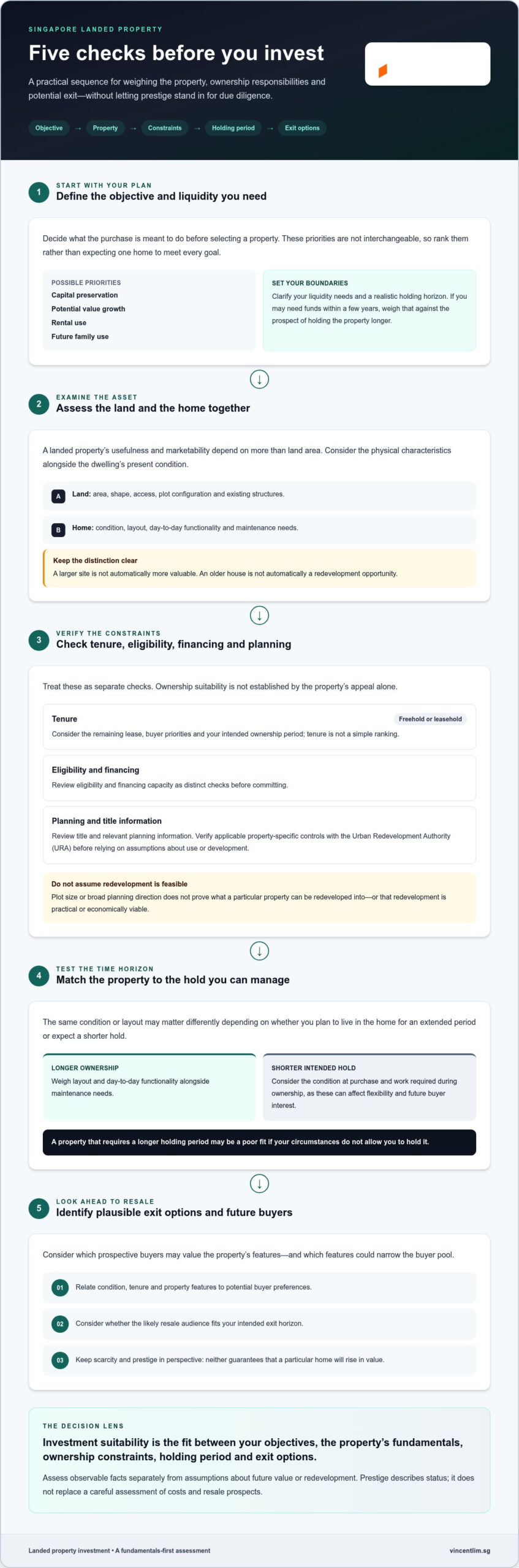
Use a consistent sequence before making an offer. State your objective and how much liquidity you need to retain. Examine the property’s land characteristics, condition, tenure and planning context. Consider ownership constraints and whether the holding period is realistic. Finally, identify plausible exit options and the buyers who may value the home. For landed property investment singapore, this framework keeps lifestyle appeal in perspective and brings the decision back to your circumstances and the property’s specific merits.
How landed property investment value is shaped over time
A landed property’s investment case depends on several connected factors, not one headline feature. Land shape and access, the home’s condition, tenure, planning controls and the preferences of potential buyers can all affect the asset’s usefulness and marketability. Assess these together, then separate what you can observe today from what you assume may happen later.
For example, a generous plot may look attractive, but its configuration and applicable planning controls affect what can actually be done with it. Singapore’s land use planning provides long-term direction for development. Property-specific controls should be checked with the Urban Redevelopment Authority (URA). Neither plot size nor a broad planning ambition proves that a particular property can be redeveloped in the way you want.
Assess land, tenure and planning constraints together
Land area is only one part of the assessment. Shape, access, existing structures and restrictions can affect usable potential, so do not assume a larger site is automatically more valuable. Freehold and leasehold tenure are also considerations, not a simple ranking. The remaining lease, buyer priorities and your intended ownership period all matter. Review title and relevant planning information, and verify applicable controls with URA before relying on assumptions about use or development.
Connect property condition to the intended holding period
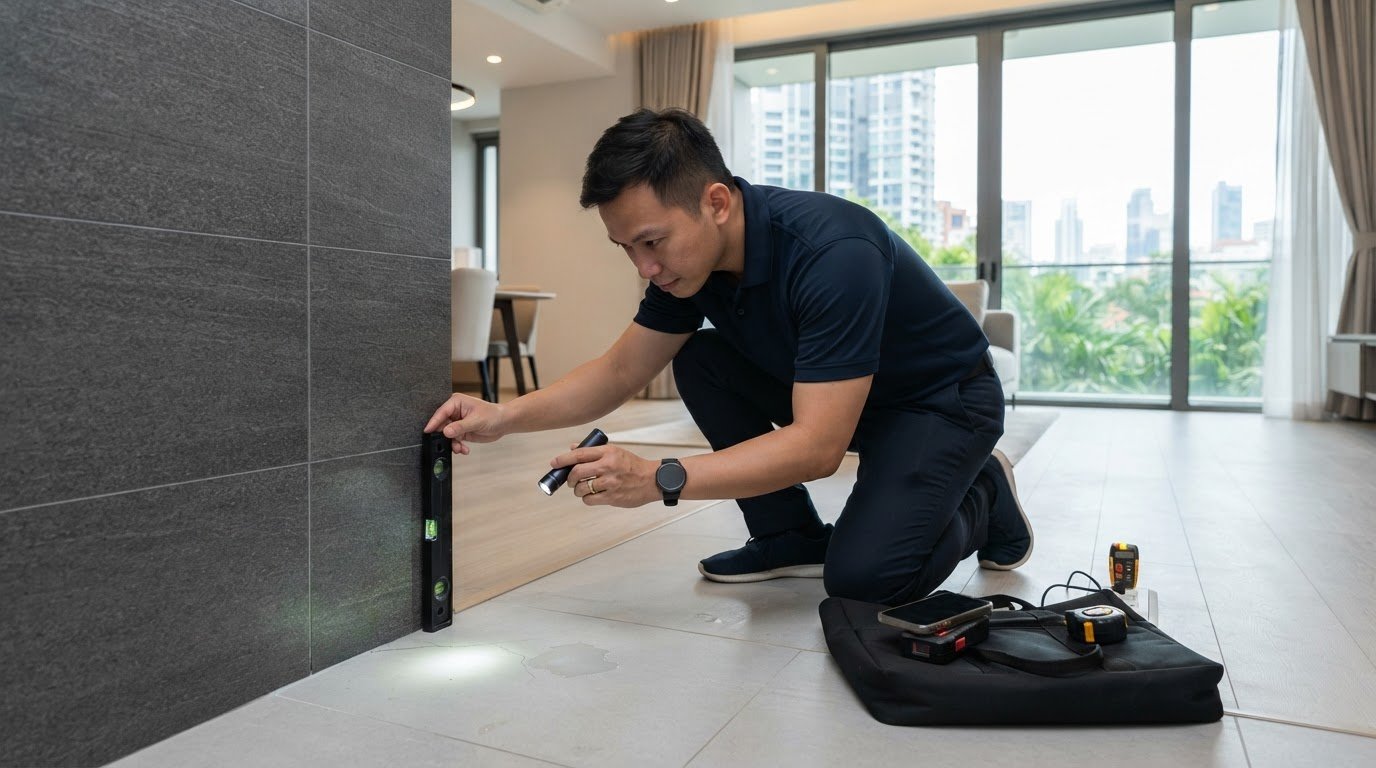
Condition matters differently depending on how long you expect to own the property. If you plan to live in it for an extended period, the layout and day-to-day functionality may matter alongside maintenance needs. With a shorter intended hold, the condition at purchase and the work required during ownership can affect your flexibility and the range of buyers who may consider it later.
Do not treat an older house as a redevelopment opportunity by default. The site’s controls, physical characteristics and feasibility all need careful assessment. Even a possible redevelopment does not establish that it will be practical or economically viable. When assessing landed property redevelopment potential, separate what the property demonstrably allows from what you hope it might allow.
Your holding period also affects liquidity planning. If you have a defined exit horizon, consider whether the property’s condition, tenure and features may suit prospective buyers at that point, while allowing for preferences to change. No single feature guarantees an easy resale. Compare the asset’s strengths with the buyer audience it may attract.
Investment value depends on the asset’s fundamentals and the buyer’s intended exit. That principle is central to landed property investment singapore: evaluate the site and home as they stand, verify constraints and test future possibilities rather than treating them as certainties. Vincent Lim’s experience across landed property sales can inform a considered acquisition and resale discussion. Explore his landed-market perspective as you refine your assessment.
Which landed property type best fits your investment strategy?
Compare landed homes by how their layout, privacy and upkeep align with your plan, not by status alone. The table below is a starting point. Individual sites and homes differ, so treat buyer-pool considerations as questions to investigate, not predictions of resale outcomes.
| Property type | Land configuration and privacy | Ownership responsibilities | Buyer-pool considerations |
|---|---|---|---|
| Terrace house | Part of a row of homes, typically with shared side walls and a more defined plot. | Assess the home and its plot, including maintenance needs and how the layout serves your intended use. | Consider whether the configuration and space suit the buyers you may target at resale. Explore terrace house acquisition guidance for more category context. |
| Semi-detached house | Shares one side wall with a neighbouring home, with more separation on the other side than a terrace house. | Evaluate the specific site, building condition and ongoing upkeep rather than relying on the property label. | Potential buyers may weigh the balance of separation, land and practical fit against other housing choices. |
| Detached house | Stands apart from neighbouring houses, with a distinct plot configuration. | Consider the full property’s maintenance and how its land and layout support your intended holding plan. | A buyer’s interest may depend on the site and home’s particular attributes. Review detached house acquisition considerations as part of your assessment. |
| Good Class Bungalow (GCB) | A distinct landed category associated with a substantial private setting. | Assess ownership obligations and property-specific requirements carefully; this is not a typical benchmark for all landed buyers. | Its luxury segment and specific buyer considerations make it important to assess on its own terms. See Good Class Bungalow fundamentals. |
Compare landed home categories by fit, not prestige
A terrace, semi-detached and detached home differ in how the dwelling relates to neighbouring homes and the land around it. Those distinctions can shape privacy, outdoor-space use and upkeep. GCBs belong to a distinct luxury segment, so their characteristics should not be treated as a typical benchmark for all buyers. Assess each property against your needs and likely resale audience.
Market information can provide context, but it cannot determine the value of an individual home. For example, Singapore property market trends may help frame broader price movements. The property’s location, condition and features still need their own analysis.
When a landed home may not be the right asset
Landed ownership may suit buyers who value privacy and direct control of a home and its plot, provided they are prepared for the associated responsibilities. A luxury condominium may better suit someone who prioritises a different maintenance arrangement, shared facilities or a more appropriate liquidity profile. Neither category is universally superior. Compare ownership obligations and lifestyle priorities alongside the intended holding period before choosing a property type.
For landed property investment singapore, the best fit is the one whose specific attributes and responsibilities align with your strategy. Vincent Lim works across landed homes and luxury condominiums, helping buyers compare these property types in context. Explore his Singapore property perspective.
How to assess a Singapore landed property before investing
A disciplined assessment separates three questions: are you legally eligible to buy the property, can you finance and carry it, and does it suit your investment objectives? A positive answer to one does not settle the others. Work through the checks in sequence and record what you have verified and which assumptions still need evidence. Ownership, tax and financing rules can change, so confirm current requirements with the relevant Singapore authorities before proceeding.
- Define your objective and holding horizon. Decide whether the purchase is intended for family use, rental, capital preservation or potential value growth. Set a realistic holding period and consider how much liquidity you may need during ownership. Use these priorities as a consistent basis for comparing properties.
- Establish your ownership eligibility. Eligibility can depend on buyer status and property type. Check current requirements with the Singapore Land Authority (SLA), particularly if your circumstances involve restrictions on acquiring landed residential property. Eligibility is a legal threshold, not evidence that the investment is suitable.
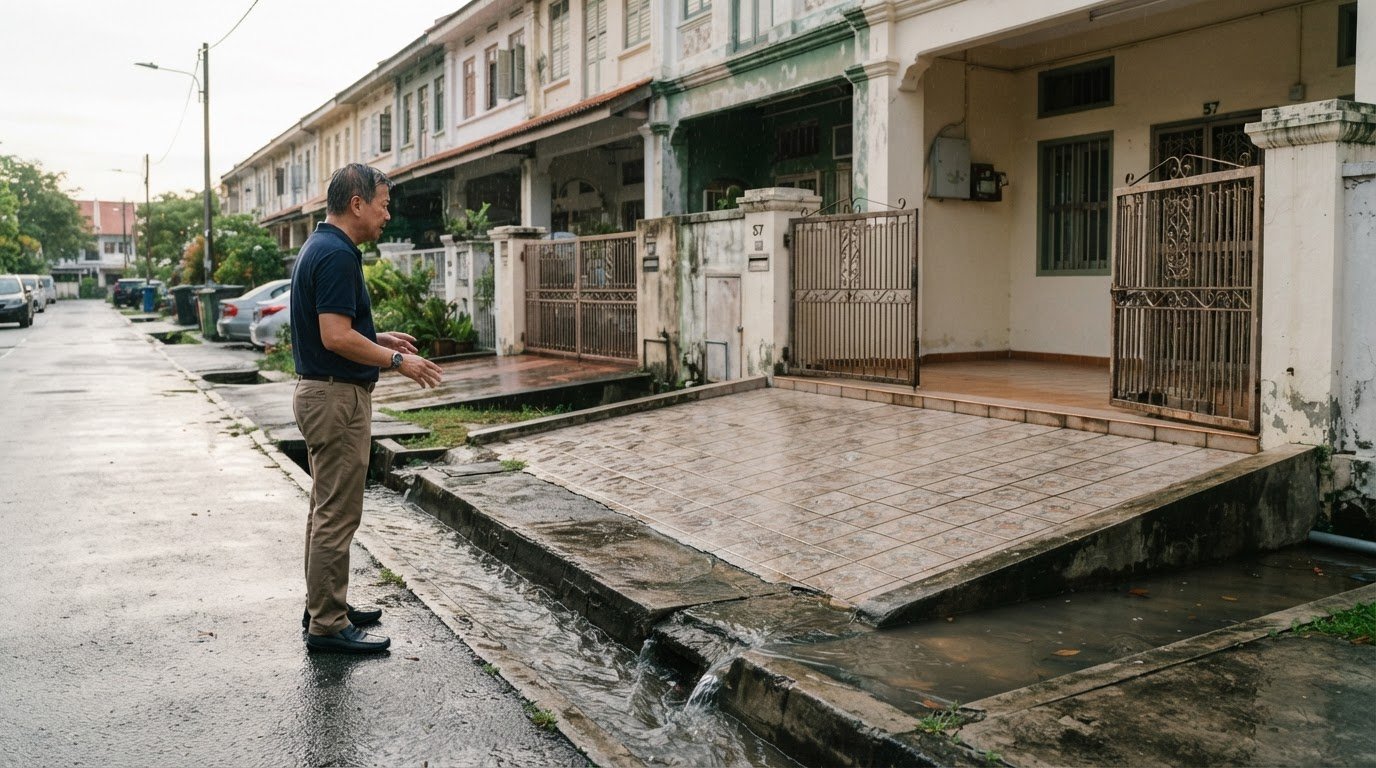
- Verify the property fundamentals. Review title information, tenure, site configuration and the home’s physical condition. Inspect for maintenance needs and assess whether the layout works for your intended use. Judge each property on its own evidence rather than broad assumptions about its category.
- Test your financial capacity. Consider the funding required for the purchase, financing terms, ongoing ownership and possible upkeep. Available financing and applicable requirements depend on your circumstances. Review current guidance from the Monetary Authority of Singapore (MAS) and assess whether you can sustain the commitment under your own financial assumptions.
- Check taxes and planning matters. Applicable stamp duties and tax treatment depend on current law and buyer circumstances. Verify current tax guidance with the Inland Revenue Authority of Singapore (IRAS). Separately, confirm relevant planning controls with the appropriate authorities. Do not assume the site allows a particular use or redevelopment.
- Define and test your exit. Identify who might buy the property from you and which features could matter to that audience. If your case depends on rental demand, future value growth or redevelopment, look for property-specific evidence and test less favourable scenarios too. A sale horizon that conflicts with your financial needs may weaken the fit, even if the home is attractive.
Verify eligibility, financing and transaction obligations
Keep legal eligibility, financing capacity and investment suitability separate in your decision record. Confirm current ownership rules with SLA, tax treatment with IRAS and relevant financing requirements using MAS guidance. Do not rely on an old estimate or a general rule that applies to a different buyer profile. Check all applicable obligations against your circumstances before making a commitment.
Inspect the property and test the investment assumptions
Due diligence should cover title information, physical condition, maintenance needs and planning constraints. Test assumptions about rent, resale demand or redevelopment against evidence tied to the specific property. Due diligence tests assumptions; it does not guarantee investment outcomes. For landed property investment singapore, a documented assessment helps you see where the case is strong, where it depends on uncertainty and whether the risks remain acceptable.
For a considered discussion of landed property fit and resale considerations, discuss your acquisition strategy with Vincent Lim.
How Vincent Lim can guide your landed property investment decision
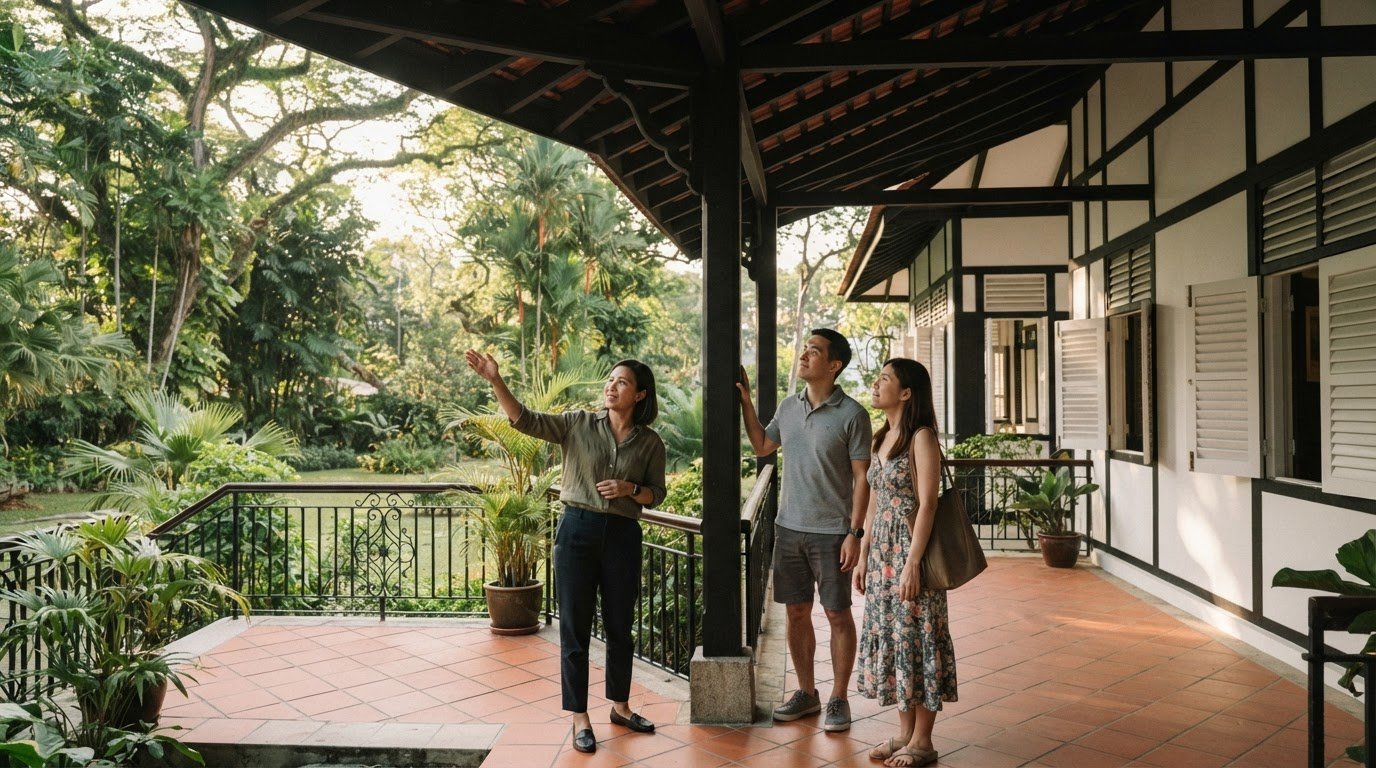
A major property decision benefits from a discussion that connects your plans with the realities of the specific home. Vincent Lim is an OrangeTee & Tie Executive Associate Director who has worked in Singapore real estate since approximately 2004. He sells terrace, semi-detached and detached houses, as well as Good Class Bungalows, and brings practical context to comparing landed property options and considering how property features may affect future buyer interest.
The aim is not to assume that one category or property is right for every buyer. A focused conversation can clarify what you are seeking, which features matter most, and how the acquisition and potential resale fit your intended holding period. Property-specific facts and your own circumstances remain central to the decision.
What to bring to an initial investment discussion
Prepare a concise brief before discussing options. Set out your main objective, intended holding period and ownership priorities. Note whether privacy, family use, land configuration or future resale appeal matters most, and list your preferences on property type and condition. Include known financing considerations and any constraints on liquidity or timing. A clear brief keeps the discussion focused on meaningful trade-offs rather than a general search for prestige.
You do not need to have every answer settled. Separate firm requirements from preferences you could adjust. This makes it easier to compare a terrace house with a detached home according to your actual priorities, rather than assuming that greater privacy or land area automatically makes one option more suitable.
Move from a broad goal to a considered next step
A broad aim such as “buy a landed home” becomes more actionable when you define a property type, preferred characteristics and realistic ownership plan. Vincent’s sales experience across landed categories can inform that comparison and a discussion of resale considerations. The focus is on assessing fit, not promising a particular transaction outcome or future value. Before progressing, keep legal eligibility, financing capacity and property suitability distinct, and verify transaction requirements against current official guidance.
If you are also considering how a landed purchase fits into wider property decisions, explore asset progression to landed property for broader portfolio context. The appropriate next step depends on your objectives and circumstances, not a universal formula.
For landed property investment singapore, a considered acquisition starts with a clear brief and a property-specific assessment. If you are weighing a landed purchase, discuss your landed property objectives and acquisition plans with Vincent Lim.
Make your next property decision with clarity
Before taking the next step, write down what would make you proceed, what would cause you to pause and which unanswered questions need resolving. A simple decision record can help keep the purchase aligned with your priorities when an appealing property or a competitive timeline puts pressure on your judgement.
For landed property investment singapore, confidence should come from a clear rationale, not certainty about future market movements. Keep your intended use, holding horizon and exit considerations in view as you assess opportunities. If new information changes the picture, reassess rather than treating earlier interest as a commitment.
A considered conversation can help you refine your brief and assess how a potential property fits your plans. Discuss your landed property investment objectives with Vincent Lim and take the next step with a clearer strategy.
Frequently Asked Questions
Can foreigners buy landed property in Singapore?
Generally, foreigners and Singapore permanent residents need approval from the Singapore Land Authority’s Land Dealings Approval Unit to buy landed residential property in Singapore. Requirements depend on buyer status and the property, so establish the current position before making commitments. Approval is separate from financing and investment suitability. Do not use rules for condominium purchases as a guide to whether a landed home can be acquired.
Are landed properties in Singapore a guaranteed investment?
No. Land ownership, privacy and limited supply do not guarantee capital growth or a successful resale. For landed property investment singapore, consider a downside scenario as well as your preferred outcome. For instance, what if the property takes longer to sell than planned or needs more maintenance than expected? Decide whether you could still hold the asset comfortably, and base your expectations on evidence for the specific property.
What taxes apply when buying landed property in Singapore?
Buyers may need to account for stamp duties, while property tax and other obligations may also be relevant during ownership or a later sale. Applicable treatment can vary with buyer circumstances, ownership and property use. Before committing, check current Inland Revenue Authority of Singapore (IRAS) guidance and include relevant obligations in your financial planning. Do not apply an old transaction example to a purchase made under different circumstances.
Can a landed property in Singapore be rented out?
Rental use depends on the property, applicable requirements and the owner’s circumstances. Before counting rent toward affordability, examine current evidence for comparable properties and allow for periods without a tenant, upkeep and other ownership obligations. An advertised rent alone does not establish achievable income or a reliable yield. Confirm permitted use and relevant tax treatment using current official guidance, then test whether the purchase remains workable if rental income is lower than expected.
Does an older landed house always have redevelopment potential?
No. A building’s age alone does not show that redevelopment is permitted or financially viable. The site’s title, physical characteristics and applicable planning controls all matter. For a specific property, distinguish documented restrictions and permissions from ideas suggested by its existing layout or plot. Treat redevelopment as a possibility to investigate, not value you can automatically add to your purchase assumptions or rely on as your only exit plan.
Is freehold always a better investment than leasehold landed property?
No. Freehold tenure is not automatically the better choice for every buyer. A leasehold property’s remaining term, your intended ownership period and future buyers’ preferences may all affect how the tenure fits your plans. Compare the actual homes, not just their tenure labels, and verify tenure and relevant details against the property title. A shorter planned hold and a long family-use horizon may lead to different priorities.