The most lavish interior upgrades often yield the lowest returns when it’s time to exit the market. While it’s tempting to install bespoke finishes, the elite buyers of 2026 are increasingly focused on structural integrity and immediate livability rather than personal aesthetics. If you’re considering renovating terrace house before selling singapore, the goal is to eliminate buyer friction by addressing the “construction gap” that can sideline a sale for years. You likely understand that every dollar spent must be a calculated move to increase your property’s perceived value without falling into the trap of over-capitalization.
This strategic guide provides the clarity you need to navigate complex URA envelope control guidelines and the 50 percent reconstruction rule with precision. We will show you how to maximize your Gross Floor Area and manage the 12 to 20 week approval timelines that often delay transactions. By following this framework, you’ll gain a clear roadmap to transforming your property into a move-in ready masterpiece that triggers emotional bidding wars and commands a record-breaking price for your street.
Key Takeaways
- Master the economics of renovating terrace house before selling singapore by focusing on market liquidity and the specific landed property value formula to ensure a swift, high-premium transaction.
- Learn how to navigate the URA 50 percent rule to strategically add an attic or mezzanine through Additions & Alterations without triggering the excessive costs of a full reconstruction.
- Discover the essential interior layout modifications, such as open-concept ground floors and wet-dry kitchen configurations, that align with the non-negotiable expectations of elite 2026 buyers.
- Identify the critical infrastructure upgrades, including EV charging readiness and integrated smart home systems, that future-proof your asset and increase its competitive edge in the luxury market.
- Understand why professional staging and high-production video marketing are indispensable tools for showcasing renovation quality and triggering emotional bidding wars among serious prospects.
The Economics of Pre-Sale Renovation: ROI vs. Market Liquidity
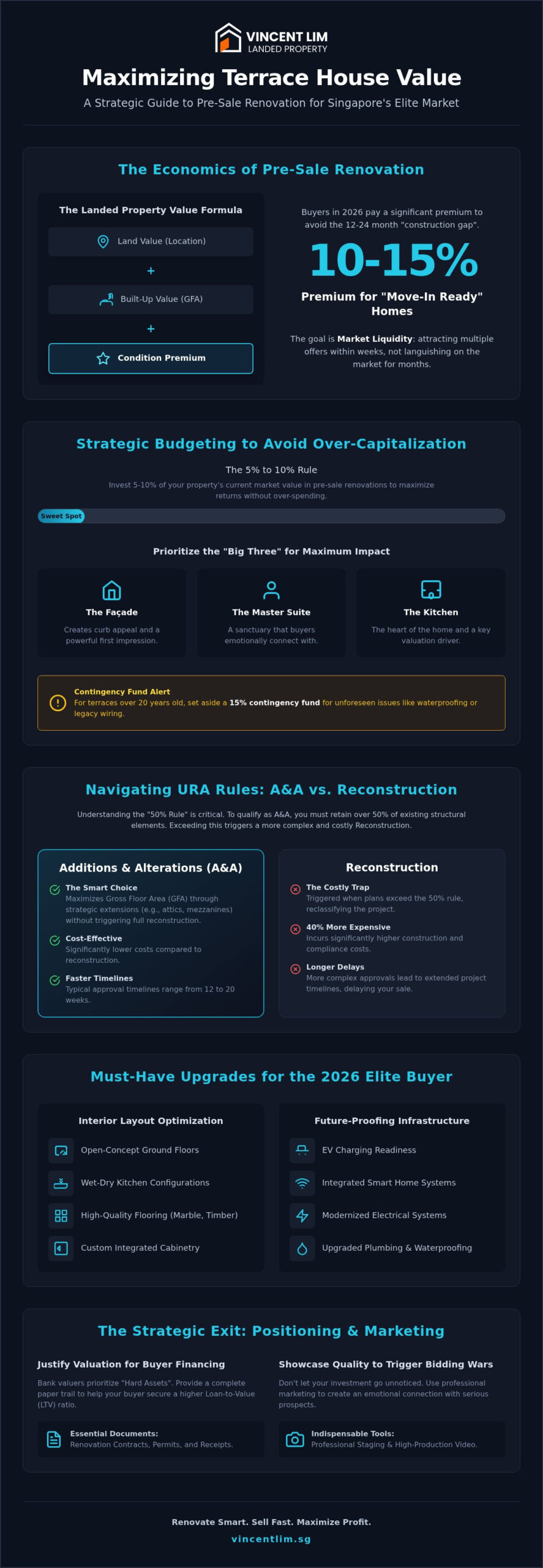
Success in the landed market relies on a specific calculation known as the Landed Property Value Formula. This consists of the land value, the built-up value, and a premium for the property’s condition. While you can’t change the land’s location, renovating terrace house before selling singapore gives you direct influence over the remaining two factors. The primary objective isn’t just a higher price tag; it’s market liquidity. A well-positioned property should attract multiple offers within weeks, avoiding the stagnation that often affects unrenovated homes sitting on the market for months.
In 2026, the premium for a “move-in ready” terrace house has surged. Buyers are increasingly wary of the 12 to 24 month construction cycle and the volatility of material costs. Currently, properties that require zero immediate work command a 10% to 15% premium. This isn’t just for convenience. It’s a calculated financial decision by the buyer to avoid the “construction gap” and the risk of inflationary pressures during a long renovation period.
The Valuation Uplift: How Banks View Your Renovation
A strategic renovation does more than please the eye; it secures the buyer’s financing. Bank valuers prioritize “Hard Assets” that add long term value to the structure. When renovating terrace house before selling singapore, you must focus your investment on elements that justify a higher loan-to-value (LTV) ratio for the next owner. This includes:
- High quality permanent flooring like marble or premium engineered timber.
- Custom integrated cabinetry and high end kitchen systems.
- Structural extensions that legally increase the Gross Floor Area (GFA).
- Modernized electrical and plumbing systems that meet 2026 standards.
You’ll need to keep all renovation contracts, permits, and receipts organized. These documents provide the paper trail valuers require to justify an upward adjustment in valuation, which directly assists your buyer in securing their mortgage approval.
Strategic Budgeting: The 5% to 10% Rule
Over-capitalization is a significant risk for the unprepared seller. Spending more than 10% of your property’s current market value on a pre-sale renovation often leads to diminishing returns. Most elite buyers will still want to add their own personal touches, so your goal is to provide a high end, neutral canvas. You should prioritize the “Big Three”: the facade, the kitchen, and the master suite. These areas drive the highest emotional impact and perceived value during a walkthrough. For terraces over 20 years old, always set aside a 15% contingency fund. Unforeseen issues with waterproofing or legacy wiring are common and can quickly deplete a budget that lacks a buffer.
Navigating URA Rules: A&A vs. Reconstruction Traps
Understanding the legal definitions of renovation is vital for any owner looking to protect their profit margins. In Singapore, the Urban Redevelopment Authority (URA) and the Building and Construction Authority (BCA) distinguish between Additions & Alterations (A&A) and Reconstruction based on the “50% Rule.” To qualify as A&A, you must retain more than 50% of the existing structural elements, such as columns, beams, and external walls. If your plans exceed this threshold, the project is reclassified as reconstruction. This distinction is critical because reconstruction projects are significantly more complex and often 40% more expensive than A&A works.
When renovating terrace house before selling singapore, your goal is to maximize value without triggering these higher costs or longer timelines. You must work closely with a Qualified Person (QP), such as a registered architect, to ensure every modification aligns with current regulations from day one. One major hurdle unique to terrace properties is the party wall. Since you share structural boundaries with neighbors, their consent is often required for significant works. Managing these relationships early prevents legal friction that could stall your sale for months.
Additions & Alterations (A&A) for Maximum GFA
Savvy owners use A&A to increase the Gross Floor Area (GFA) within URA’s envelope control guidelines. Strategic rear extensions allow you to add usable square footage while respecting setback lines. Many older terraces have internal voids or double-volume ceilings that can be converted into functional rooms, instantly increasing the perceived built-up area. The most significant value-add is often the “Attic Advantage.” By adding a lifestyle floor or a mezzanine under the envelope control system, you create a unique selling point that differentiates your property from others on the street.
Avoiding the Reconstruction Trap
To maintain a high ROI, you must refresh the facade and structure without overstepping the 50% limit. It is a delicate balance of modernization and preservation. Whether you should renovate before selling depends on whether the proposed work stays within the A&A category. Keeping the project as A&A ensures a faster 12 to 20 week approval timeline, which is essential for ensuring your terrace house for sale singapore reaches the market while demand is peak. If you’re unsure how these rules apply to your specific plot, consulting an elite strategist can help you identify the most cost-effective path forward.
Interior Layout Optimization for the Elite Buyer
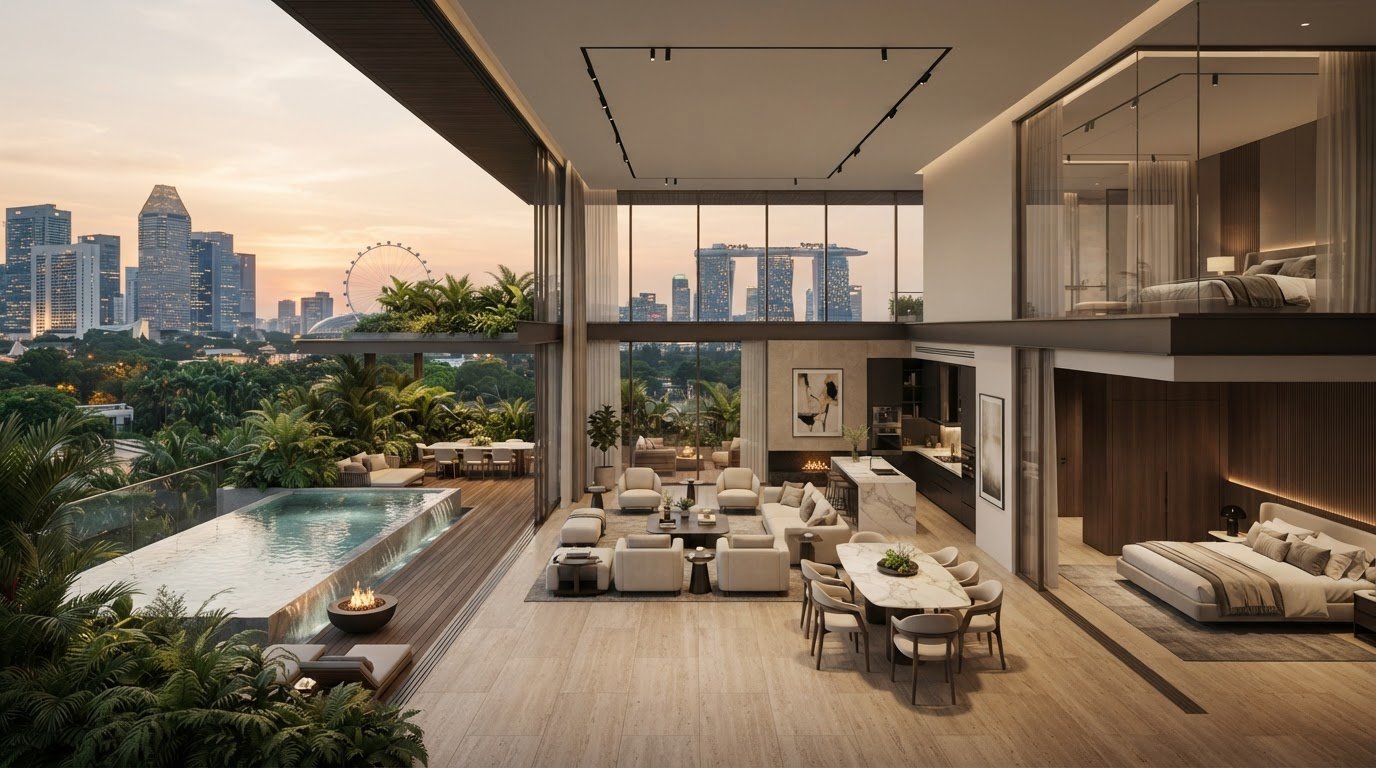
Elite buyers in 2026 view a terrace house not just as a structure, but as a lifestyle asset. When renovating terrace house before selling singapore, you must prioritize spatial flow over mere decoration. The modern standard for high-end landed properties is a grand, open-concept ground floor. By removing unnecessary partitions, you create an expansive sightline from the entrance to the rear of the house, which instantly increases the perceived built-up area. This sense of volume is a primary driver of the emotional bidding wars that lead to record-breaking prices.
Functionality for the modern Singaporean family is equally critical. A non-negotiable feature for many affluent buyers is a ground-floor bedroom with an ensuite bathroom. This supports multi-generational living, allowing elderly family members to navigate the home without the burden of stairs. Similarly, the master suite must be refined into a private sanctuary. You should focus on creating a generous walk-in wardrobe and a spa-like bathroom equipped with premium sanitary ware. These elements transform a standard bedroom into an elite retreat that justifies a premium valuation.
Lighting and Ventilation: The Invisible Value-Add
Intermediate terraces often suffer from a lack of natural light in the center of the floor plate. You can solve this “dark middle” problem by installing skylights or internal airwells that draw light into the core of the home. Replacing solid staircase balustrades with glass allows light to penetrate deeper into the living spaces. For evening viewings, the strategic use of LED cove lighting creates a sophisticated ambiance that highlights the home’s architectural features. These subtle improvements make the property feel more breathable and inviting, addressing common buyer anxieties about the cramped nature of older terrace houses.
The Modern Kitchen and Dining Experience
The kitchen has evolved into the social focal point of the luxury home. In 2026, a clear distinction between wet and dry kitchens is a standard requirement. The dry kitchen should feature a prominent island counter, serving as both a preparation area and a social hub. Integrating high-end appliances from brands like Miele or Gaggenau acts as a powerful signal of quality to prospective buyers. To truly maximize ROI, you should ensure a seamless flow between the dining area and the outdoor patio. This connection encourages the alfresco living experience that is highly sought after in the current market, effectively extending the usable living space into the garden.
Modern Essentials: 2026 Infrastructure and Sustainability
Luxury in the 2026 landed market is defined by technical resilience as much as architectural beauty. When renovating terrace house before selling singapore, you must address the underlying infrastructure that elite buyers now consider mandatory. Modern purchasers are increasingly sophisticated; they look beyond the surface to identify assets that are future-proofed against rising energy costs and technological shifts. Integrating these essentials doesn’t just add value, it removes the technical objections that can stall a high-stakes transaction.
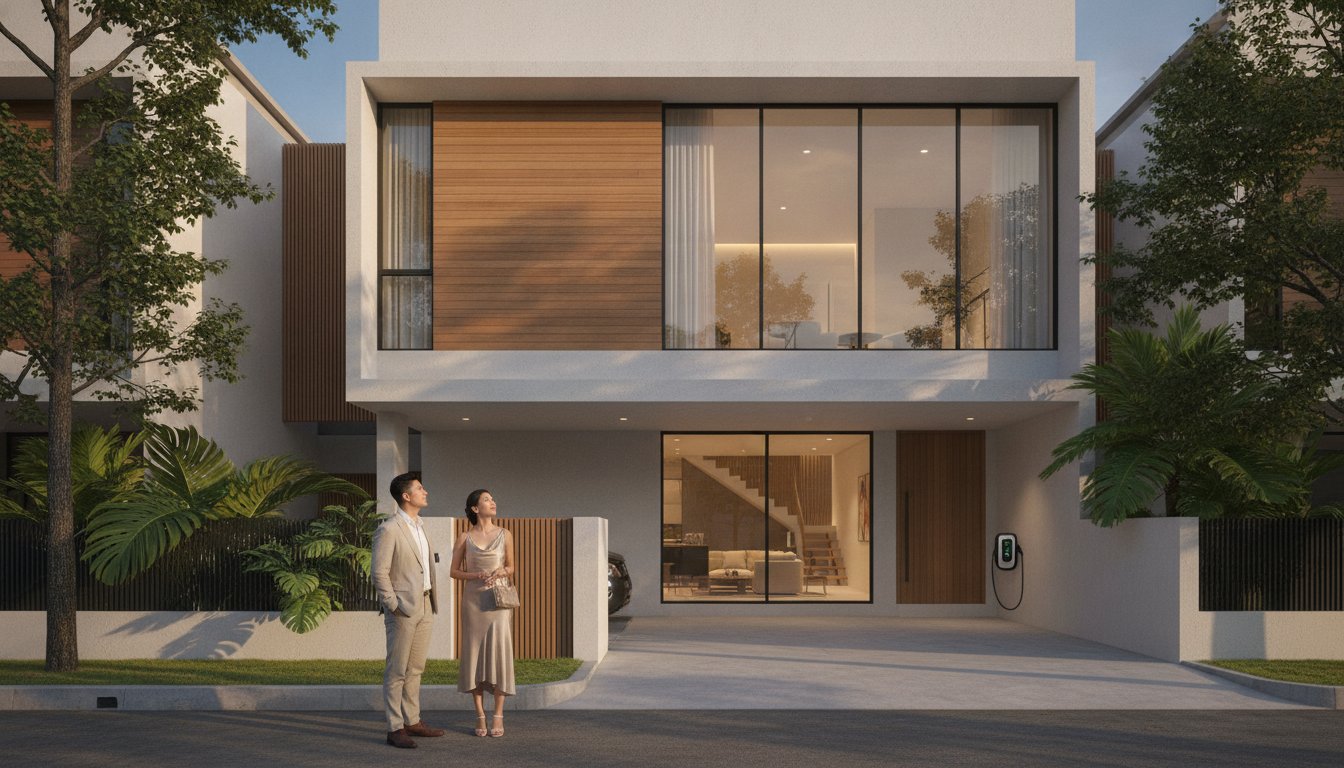
Electric vehicle (EV) charging readiness is no longer an optional luxury. As Singapore accelerates its transition to green mobility, providing the necessary electrical infrastructure for a private charging station is a significant selling point. Similarly, a comprehensive smart home ecosystem is expected. This includes voice-controlled lighting, integrated climate management, and high-definition security systems that offer the “white-glove” convenience buyers associate with premium properties. For those looking to maximize their exit price, preparing the roof for solar panel installation signals a commitment to sustainability that resonates with the eco-conscious elite.
You must also prioritize “invisible” renovations that protect the integrity of the sale. Issues like legacy waterproofing failures or termite infestations are the primary reasons deals fall through during the due diligence phase. Ensuring these systems are modernized and certified provides the buyer with the peace of mind required to commit to a record-breaking offer. If you want to ensure your infrastructure upgrades align with current market premiums, consulting an elite landed property strategist can prevent unnecessary expenditure on low-yield features.
The Facade Transformation: The First Impression Premium
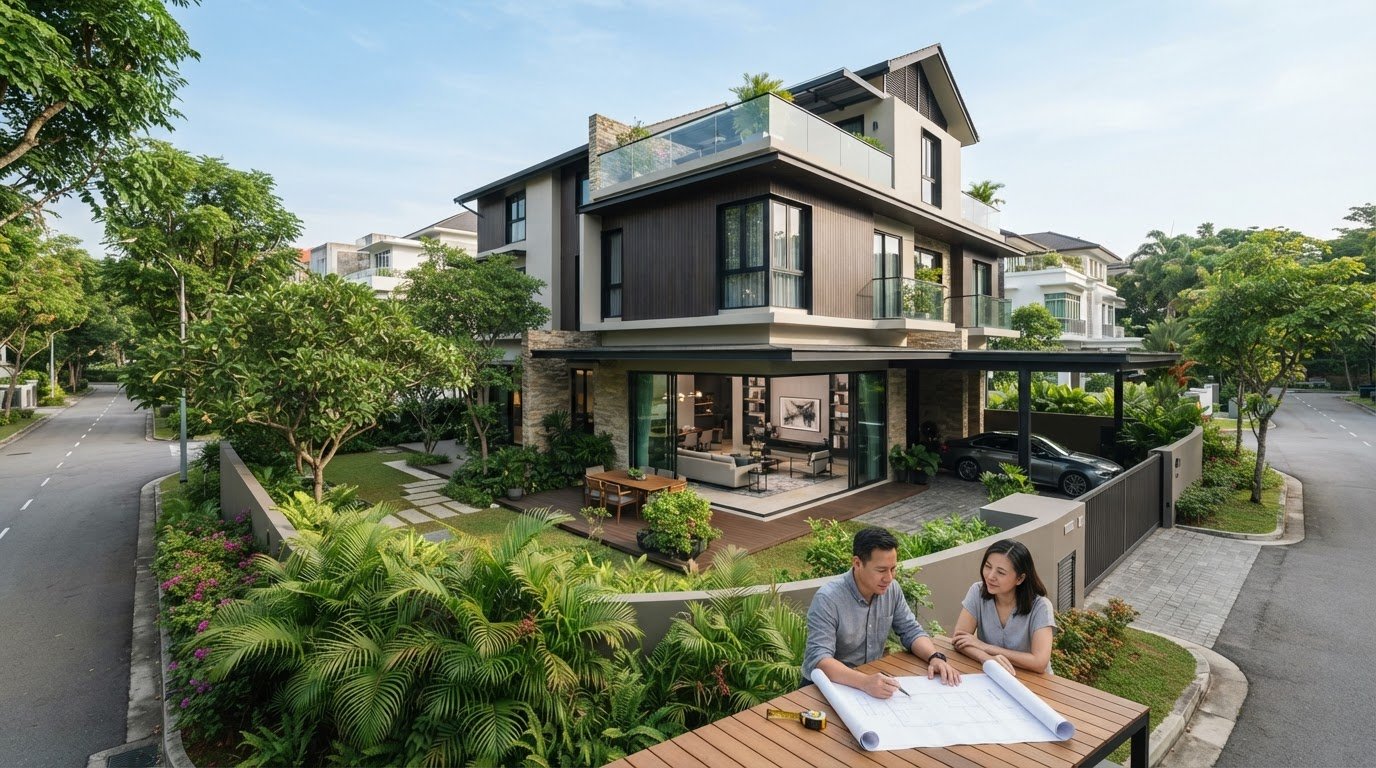
The decision to purchase is often made within the first 30 seconds of arrival. Modernizing the facade is critical to capturing this “curb appeal” premium. You should consider replacing dated gates and car porches with high-end materials like natural stone or timber-look aluminum. These materials offer the warmth of organic textures without the heavy maintenance requirements of real wood. Complement this with a low-maintenance landscaping strategy that utilizes lush, structural greenery to create a resort-like entrance. A polished exterior sets a professional tone for the entire viewing, suggesting a home that has been maintained to the highest standards.
Energy Efficiency and Thermal Comfort
Thermal comfort is a major concern for terrace house residents, especially in intermediate units with limited cross-ventilation. Installing low-emissivity (Low-E) glass in all external windows is a strategic move that significantly reduces heat gain and air-conditioning costs. Furthermore, adding high-grade insulation to the roof improves the livability of the top floor or attic space, transforming it from a storage area into a premium lifestyle zone. By positioning your property as a “Sustainable Landed Asset” in your marketing materials, you appeal to a growing segment of buyers who value long-term operational efficiency alongside luxury.
The Strategic Exit: Positioning Your Renovated Asset
The meticulous execution of your renovation is only the first phase of the value-creation journey. To capture the full financial benefit of renovating terrace house before selling singapore, you must transition from a project manager to a sophisticated marketer. A frequent error among sellers is presenting a beautifully renovated, yet empty shell to prospective buyers. Professional home staging is essential for defining the lifestyle potential of your open-concept layouts and master sanctuaries. It allows elite buyers to mentally inhabit the space, transforming a structural asset into an emotional home that justifies a record-breaking price.
High-production video marketing has become the 2026 standard for luxury landed property transactions. Utilizing drones to showcase the facade transformation and neighborhood context, combined with cinematic interior walkthroughs, ensures your property stands out in a digital-first marketplace. This visual storytelling highlights the quality of your infrastructure upgrades, justifying the premium price before the buyer even sets foot on the property. During negotiations, your renovation serves as a powerful leverage point. By presenting the “cost-to-replace” based on current 2026 construction inflation, you provide a logical foundation for your asking price that skeptical buyers find difficult to refute.
Timing the Market with Your Renovation
Meticulous timing ensures your property hits the market while the renovation is at its absolute peak of “freshness.” You want every finish, from the Low-E glass to the smart home panels, to feel brand new during the first wave of viewings. It’s critical to align the completion of your works with Singapore’s peak selling seasons, typically following the Chinese New Year or during the mid-year school holidays. To avoid common pitfalls in the planning phase, you should consult with a landed property specialist before the first hammer is swung. This ensures the scope of work aligns perfectly with the exit window.
Why Professional Representation Matters
Navigating the final sale requires more than just a listing on a portal; it requires targeted exposure to an elite demographic. Vincent Lim leverages an extensive network of high-net-worth individuals to ensure your renovated asset is seen by those who value quality over cost. A specialist identifies the specific lifestyle features that are currently trending, such as EV readiness or multi-generational ground floor suites, and communicates their value effectively to prospective buyers. This expertise ensures a seamless landed property transaction process, protecting your interests from the initial offer to the final completion of the sale.
Maximizing Your Exit Value in the 2026 Landed Market
Strategic success when renovating terrace house before selling singapore requires a precise balance between architectural ambition and regulatory compliance. You’ve learned that the most significant returns come from addressing the “construction gap” and staying within A&A limits to avoid the reconstruction trap. By prioritizing move-in ready features and essential infrastructure like EV charging readiness, you transform your property into a high-liquidity asset that commands a premium from elite buyers.
Navigating these complex variables requires the steady hand of an elite strategist. Vincent Lim, Executive Associate Director at OrangeTee & Tie, specializes in high-end landed property and Good Class Bungalows. He provides a bespoke service that combines deep market analytics with expert renovation advisory to maximize your ROI. Book a Strategic Renovation & Sales Consultation with Vincent Lim to secure your legacy in the Singapore landed market. With the right guidance, your property’s exit will be both efficient and record-breaking. Your journey toward a superior transaction starts with a single, calculated step.
Frequently Asked Questions
Is it better to sell my terrace house ‘as-is’ or renovate first?
Selling a property in original condition often attracts bargain hunters who factor in heavy renovation costs and potential construction delays. In 2026, move-in ready homes command a 10 to 15 percent premium because buyers want to avoid the two-year construction gap. A strategic renovation targets high-impact areas that maximize liquidity and trigger the emotional bidding wars necessary to achieve a record price for the street.
How much value does an attic addition actually add to a terrace house?
An attic addition significantly increases the Gross Floor Area (GFA) and provides a lifestyle floor that differentiates your property from neighboring units. By utilizing URA envelope control guidelines, you create additional square footage without the expense of a full reconstruction. This typically results in a higher bank valuation, as valuers recognize the increased built-up area as a tangible hard asset that justifies a higher loan-to-value ratio.
What are the specific URA setback requirements for a terrace house in Singapore?
URA setback requirements vary based on the property’s classification and location. For intermediate terraces, the front setback is generally 7.5 meters from the road buffer, while the rear setback is 2 meters. Corner terraces must also observe a 2-meter side setback. These regulations ensure proper fire safety, ventilation, and urban density are maintained, and any deviation requires formal planning permission from the authorities.
Do I need BCA approval for internal renovation works?
Cosmetic internal works like painting or changing floor finishes don’t require BCA approval. However, any structural modifications, such as removing load-bearing walls or adding a mezzanine, require a formal submission by a Qualified Person. Failing to secure these permits can lead to legal complications during the conveyancing process and will likely negatively impact your property valuation when the buyer’s bank conducts its survey.
How long does a typical terrace house A&A renovation take in 2026?
In 2026, the joint URA and BCA approval process for Additions & Alterations (A&A) typically spans 12 to 20 weeks. Once permits are secured, the physical construction phase for a moderate renovation usually takes an additional four to six months. Owners should plan for a total timeline of six to nine months when renovating terrace house before selling singapore to ensure the home is perfectly market-ready for the peak selling season.
Can I stay in the house while the pre-sale renovation is ongoing?
Residing in the property during a major A&A renovation is generally not recommended due to safety concerns, dust, and utility disruptions. For pre-sale renovations involving structural changes or extensive work in kitchens and bathrooms, the home effectively becomes a construction site. Vacating the premises allows the contractor to work with maximum efficiency, which can shorten the overall timeline and ensure a higher quality finish for the final presentation.
What are the most common mistakes owners make when renovating to sell?
The most frequent error is over-capitalizing on personal aesthetic tastes that don’t appeal to a broad buyer pool. Owners also often neglect “invisible” issues like legacy waterproofing failures or termite damage, which can derail a deal during the final inspection phase. Finally, exceeding the 50 percent structural retention limit can accidentally trigger a costly reconstruction, which significantly reduces the projected ROI on the renovation investment.
How do I choose the right contractor for a landed property renovation?
Selecting a contractor requires verifying their specific experience with landed properties and URA regulations rather than just general residential work. You should prioritize firms with a proven track record in successful A&A projects and transparent pricing structures. It’s essential to engage a partner who understands the high standards required to attract elite buyers and who can coordinate effectively with your appointed architect or Qualified Person.