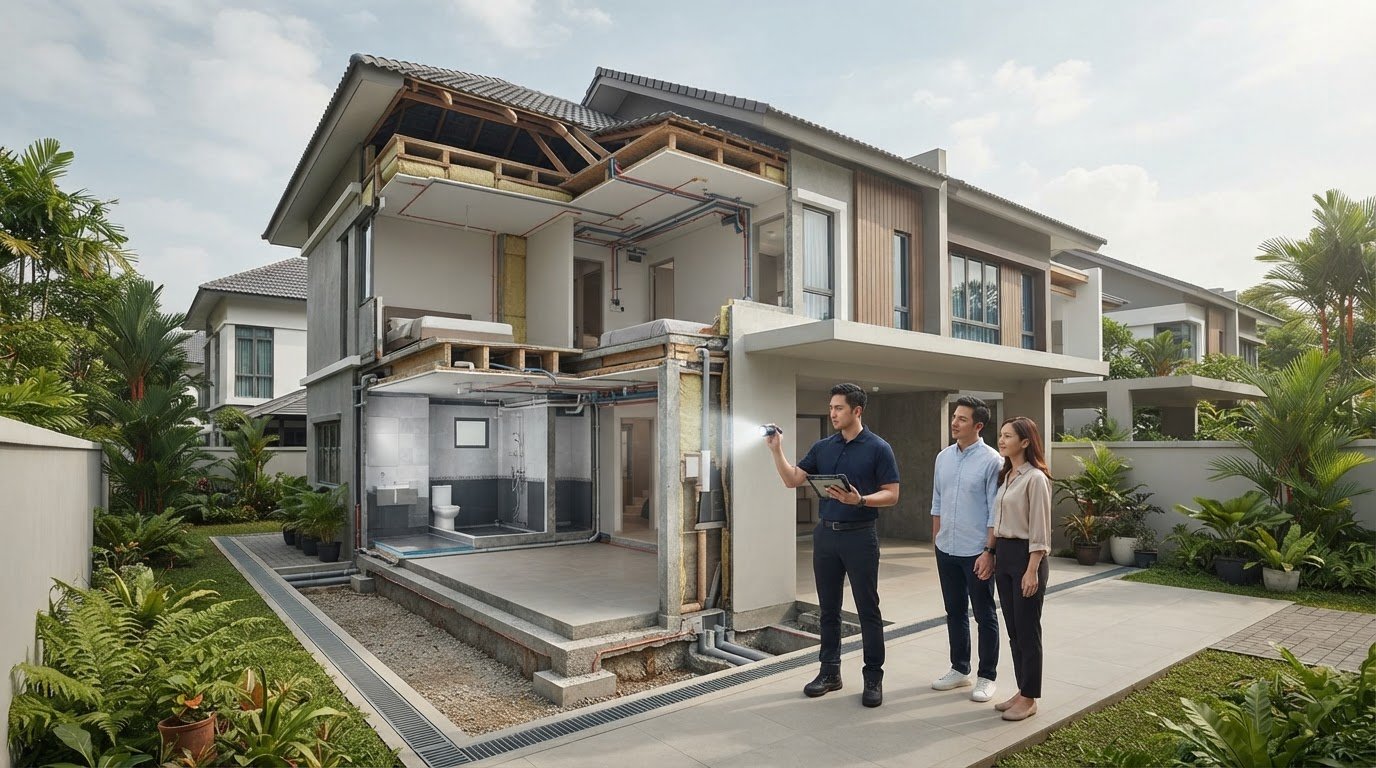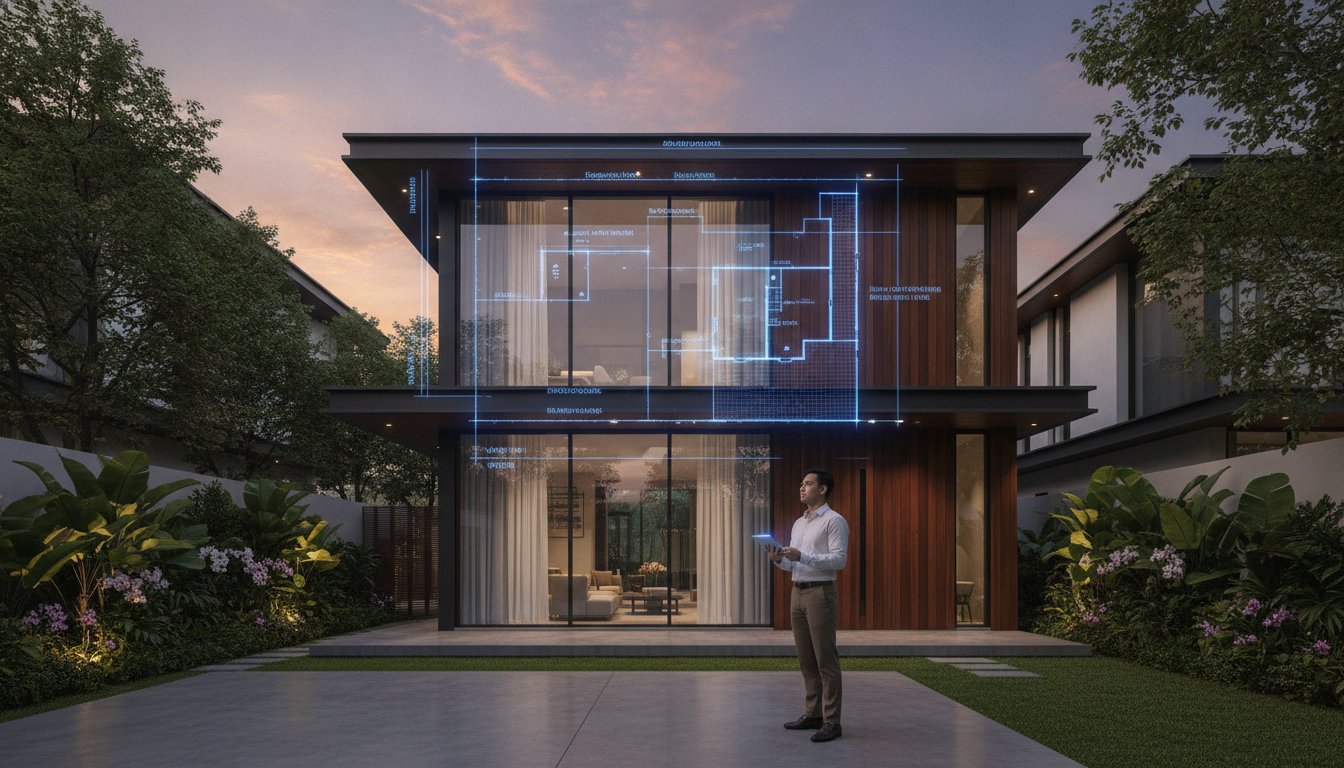
Did you know that crossing a single 50% threshold in your renovation plans could instantly reclassify your project from a simple Addition & Alteration (A&A) to a full reconstruction, potentially doubling your timeline and structural costs? It’s a common anxiety for many homeowners who want to expand their living space but feel overwhelmed by the technicalities of building height controls and the mandatory CORENET X digital submission system. You want to maximize your Gross Floor Area (GFA) without falling into the trap of unapproved legacy extensions or unexpected Land Betterment Charges.
This strategic guide simplifies the latest URA guidelines for landed property extension, ensuring you navigate the 2026 regulatory landscape with the precision of a seasoned developer. We’ll examine the critical distinctions between A&A and reconstruction, the nuances of envelope control heights, and how to leverage these rules to significantly boost your property’s long-term market value. By mastering these complexities, you can transform your home into a high-performing asset while maintaining total peace of mind throughout the approval process.
Key Takeaways
- Master the 50% rule to strategically differentiate between Additions & Alterations and reconstruction, ensuring your project remains within a controlled budget and timeline.
- Define the precise three-dimensional limits of your property using current envelope control and setback requirements to maximize usable square footage.
- Apply the URA guidelines for landed property extension to mitigate the legal and financial risks associated with unapproved legacy structures.
- Transition smoothly to the mandatory CORENET X digital submission system to maintain professional standards and project momentum.
- Optimize your extension’s aesthetic and structural design to secure long-term capital appreciation and appeal to the elite Singaporean market.
Navigating URA Development Control: Why Extension Guidelines Matter in 2026
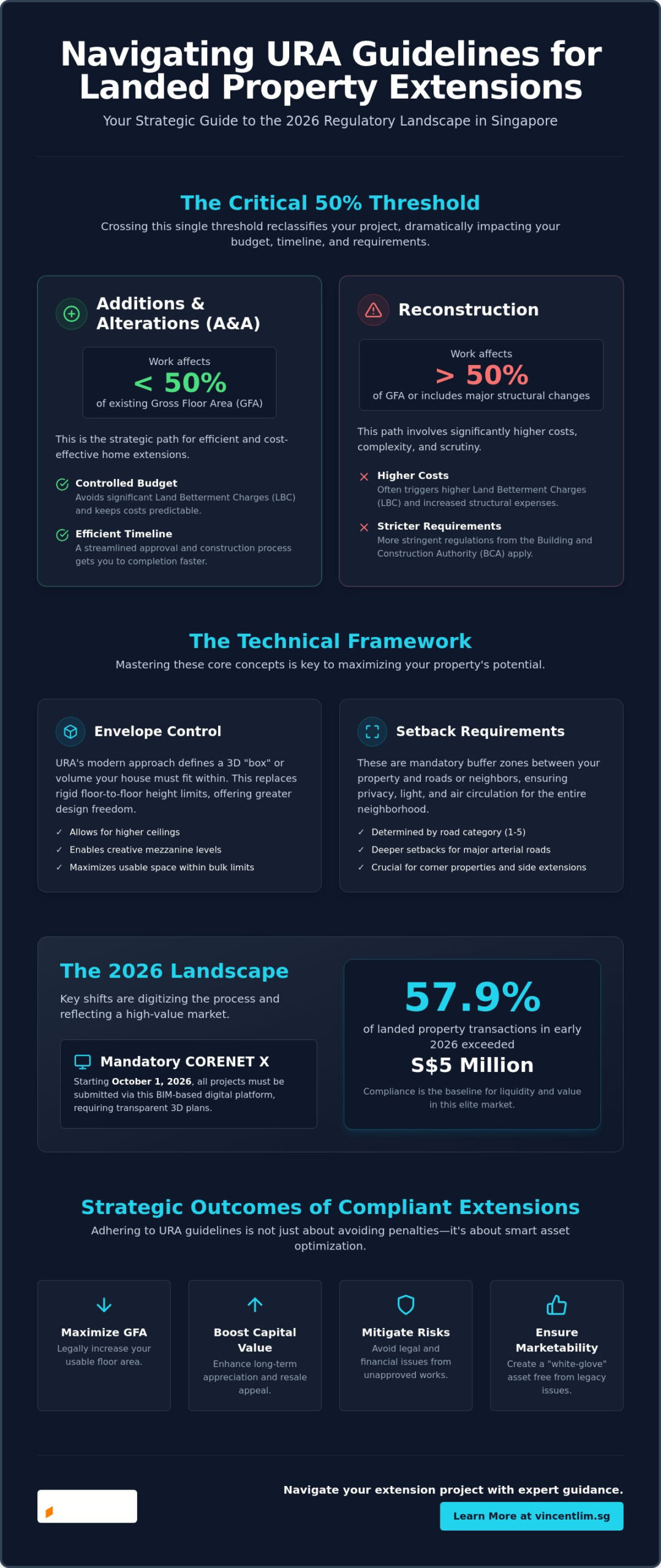
Expanding a landed home in Singapore is a sophisticated exercise in asset optimization. It requires more than just a vision for more space; it demands a deep alignment with the strategic objectives of the Urban Redevelopment Authority (URA). As the national planning authority, the URA maintains urban harmony by regulating building intensity and aesthetics. For the homeowner, these regulations aren’t merely red tape. They are the framework that protects the character of your neighborhood and, by extension, the long-term valuation of your investment. In a market where 57.9% of landed transactions now exceed S$5 million as of early 2026, compliance is the baseline for liquidity.
Success in this arena depends on a coordinated effort between critical stakeholders. You’ll need to engage a Qualified Professional (QP), typically a registered architect or professional engineer, to lead the submission process. Alongside them, a Registered Surveyor ensures that every centimeter of your proposed extension sits precisely within legal boundaries. This precision is vital because the 2026 standards prioritize “Envelope Control,” a volumetric approach that replaces rigid floor-to-floor height limits with a flexible three-dimensional “box.” This system allows for higher ceilings and creative mezzanine levels, provided the overall building bulk remains within the prescribed limits.
The Strategic Advantage of Compliant Extensions
Strategic homeowners view URA guidelines for landed property extension as a roadmap for capital appreciation. By maximizing your Gross Floor Area (GFA) while strictly adhering to the “50% rule,” you can significantly enhance your home’s utility without triggering the “reconstruction trap.” If your works exceed 50% of the existing GFA or involve substantial structural changes, the project is reclassified as a reconstruction. This shift often leads to higher Land Betterment Charges (LBC) and more stringent requirements from the Building and Construction Authority (BCA). Staying within the A&A (Additions & Alterations) framework keeps your development costs predictable and your project timeline efficient.
Adhering to street block plans also ensures your property remains a “white-glove” asset. These plans dictate specific setbacks and heights for certain streets to maintain a uniform, elite feel. Homes that deviate from these standards often face “legacy issues” during resale, where savvy buyers demand discounts to cover the risk of future enforcement actions.
Regulatory Shifts in 2026
The 2026 landscape introduces tighter integration with digital systems. The mandatory implementation of CORENET X for all building projects starting October 1, 2026, means your QP must submit BIM-based (Building Information Modeling) plans that provide a transparent, 3D view of the proposed works. This transparency extends to road line setbacks, which are particularly critical for corner terrace houses where side extensions must respect the public street buffer. URA’s 2026 stance focuses on mitigating the visual impact of building bulk to preserve the low-rise character of landed estates while allowing for modern living needs.
The Technical Framework: Envelope Control and Setback Requirements
Understanding the physical boundaries of your development starts with the concept of the “envelope.” This is the invisible three-dimensional volume within which your house must reside. While the URA guidelines for landed property extension provide the planning framework, the actual execution must also align with the structural and safety standards enforced by the Building and Construction Authority (BCA). For terrace houses, the envelope is often constrained by shared party walls, whereas semi-detached properties enjoy greater volumetric flexibility on their unattached side.
Road categories are the primary determinant for your front setback. Singapore’s roads are classified from Category 1 (major arterial roads) to Category 5 (local access roads). A property fronting a Category 1 road requires a significantly deeper buffer zone compared to one on a Category 5 road. This buffer accounts for future road widening and noise mitigation. Calculating these setbacks accurately is the first step in determining how much of your land can actually be converted into Gross Floor Area (GFA).
Envelope Control Simplified
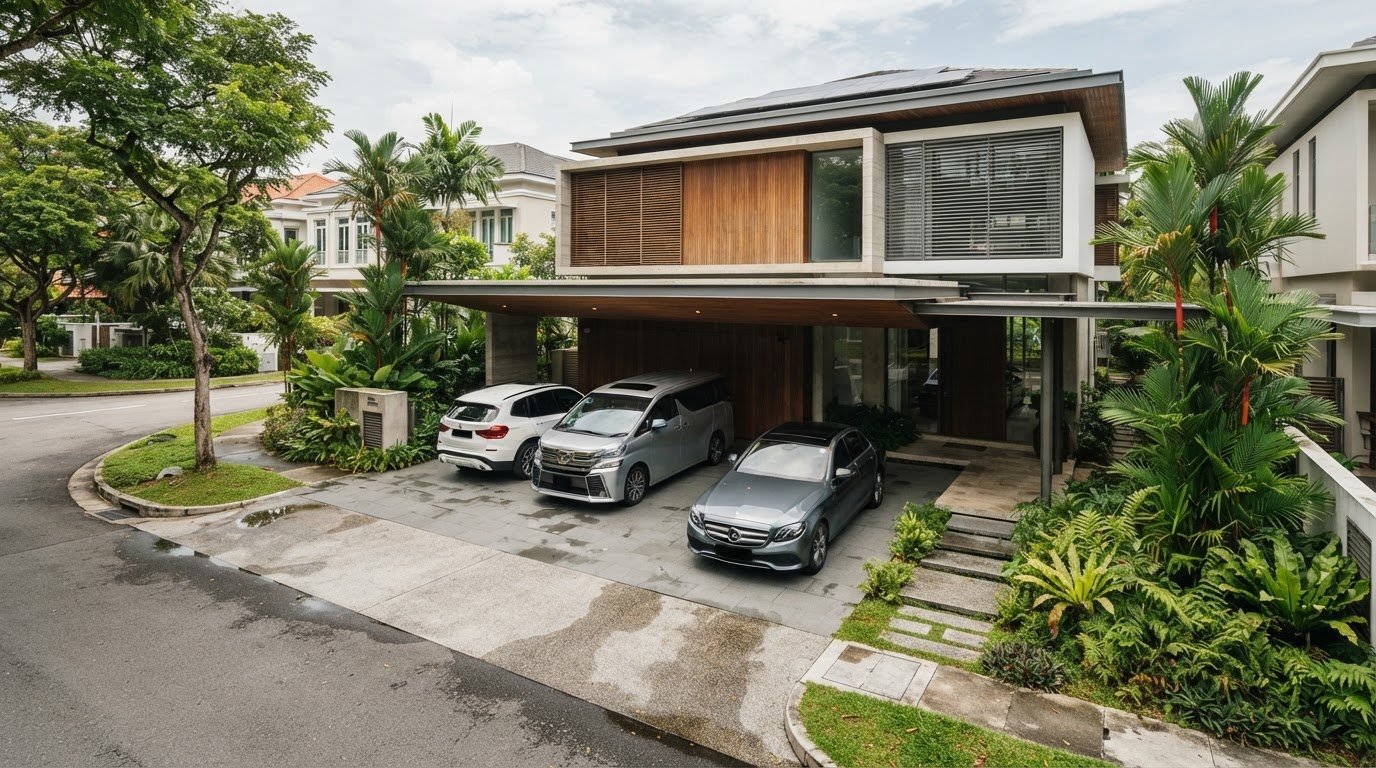
In designated two-storey landed housing areas, the maximum building height is 12 meters. For three-storey areas, this limit increases to 15.5 meters. These heights are measured from the external ground level and define the “box” your extension must fit into. Modern designs often integrate attics and basements to maximize utility without increasing the building’s perceived bulk. To remain compliant, these features must stay within the envelope. Car porches and roof terraces are also subject to specific coverage rules; for instance, a car porch roof can serve as a functional outdoor terrace, provided it incorporates the necessary privacy screenings and safety railings required for neighborly harmony.
Setback Standards for 2026
For semi-detached and corner terrace houses, a side setback of at least 2 meters is mandatory to ensure adequate fire safety and ventilation. Rear setbacks are equally critical, typically requiring a 2-meter gap from the boundary line. This space is vital for maintaining privacy between neighbors and can be strategically utilized for landscaping or narrow lap pools. If you’re planning a complex transformation, exploring bespoke landed property strategies can help you visualize how these technical limits translate into functional luxury. Precise adherence to these setbacks prevents costly boundary disputes and ensures your extension remains a liquid asset in the high-end market.
A&A vs. Reconstruction: Strategic Criteria for Landed Property Extensions
The distinction between Additions & Alterations (A&A) and a full reconstruction is the most critical financial crossroads a homeowner will face. Under the URA guidelines for landed property extension, the “50% rule” serves as the definitive boundary. If your proposed works involve replacing or increasing more than 50% of the existing Gross Floor Area (GFA), the project is legally reclassified as a reconstruction. This isn’t merely a change in terminology; it’s a shift that fundamentally alters your project’s regulatory requirements, professional fees, and tax liabilities. Elite strategists often favor high-spec A&A projects because they allow for significant modernization while avoiding the heavier fiscal burdens of a complete rebuild.
Choosing A&A over reconstruction offers a tactical advantage in speed and cost efficiency. A reconstruction project typically demands a more extensive suite of professional consultants and a longer approval timeline through the CORENET X system. It also subjects the entire property to current prevailing standards, which might force the removal of certain “grandfathered” features that an A&A project could otherwise preserve. By carefully refining the scope of work to stay below the 50% threshold, you can enhance your home’s market value while maintaining a more agile development schedule.
Triggers for Reconstruction Classification
Identifying the specific triggers that push a project into the reconstruction category is essential for disciplined planning. Beyond the GFA threshold, URA evaluates several structural and aesthetic factors:
- Replacement of more than 50% of the total external wall area or existing floor slabs.
- Significant structural changes to the roofline, such as replacing the entire roof or altering the pitch significantly.
- Increasing the number of storeys beyond what was originally approved, even if the total height remains within the envelope.
- Substantial changes to the building’s elevation that alter its original character.
Decision Framework for Homeowners
Before committing to a design, you must evaluate the long-term ROI of your investment. For an older property with significant “unlocked” GFA, a full reconstruction might be the only way to realize the site’s true worth. However, for relatively modern homes, a high-spec A&A can deliver a similar lifestyle upgrade at a fraction of the cost. You should carefully assess the landed property redevelopment potential to determine if your current structure can support your vision. If the existing foundation and columns are sound, an A&A approach preserves your capital while still achieving a “white-glove” finish that appeals to the luxury market. This methodical approach ensures that every dollar spent on your extension translates directly into equity rather than just overhead.
Mitigating Risks: Handling Non-Conforming Structures and Unapproved Works
A common concern for many landed homeowners is the discovery of legacy extensions that were completed without official permits. If you’re planning a new project, you might worry that the URA guidelines for landed property extension will mandate the immediate demolition of these structures. The reality is more nuanced. While the URA and BCA prioritize safety and urban harmony, there’s often a formal “regularization” process that allows for the legalization of existing works, provided they meet current technical and safety standards. This process typically requires a Qualified Professional (QP) to certify the structural integrity and submit as-built plans for retrospective approval.
In 2026, the URA’s stance on non-conforming structures remains firm yet systematic. When you apply for new A&A works, the entire property is scrutinized. If unapproved works are found, they must either be regularized or removed before a new permit is granted. This is particularly relevant given the relaxation of lodgment criteria as of March 1, 2025, which simplified the submission process but increased the accountability of the QP. Neglecting to address these legacy issues can stall your renovation and lead to unexpected Land Betterment Charges (LBC) if the extension added significant floor area.
Due Diligence During Acquisition
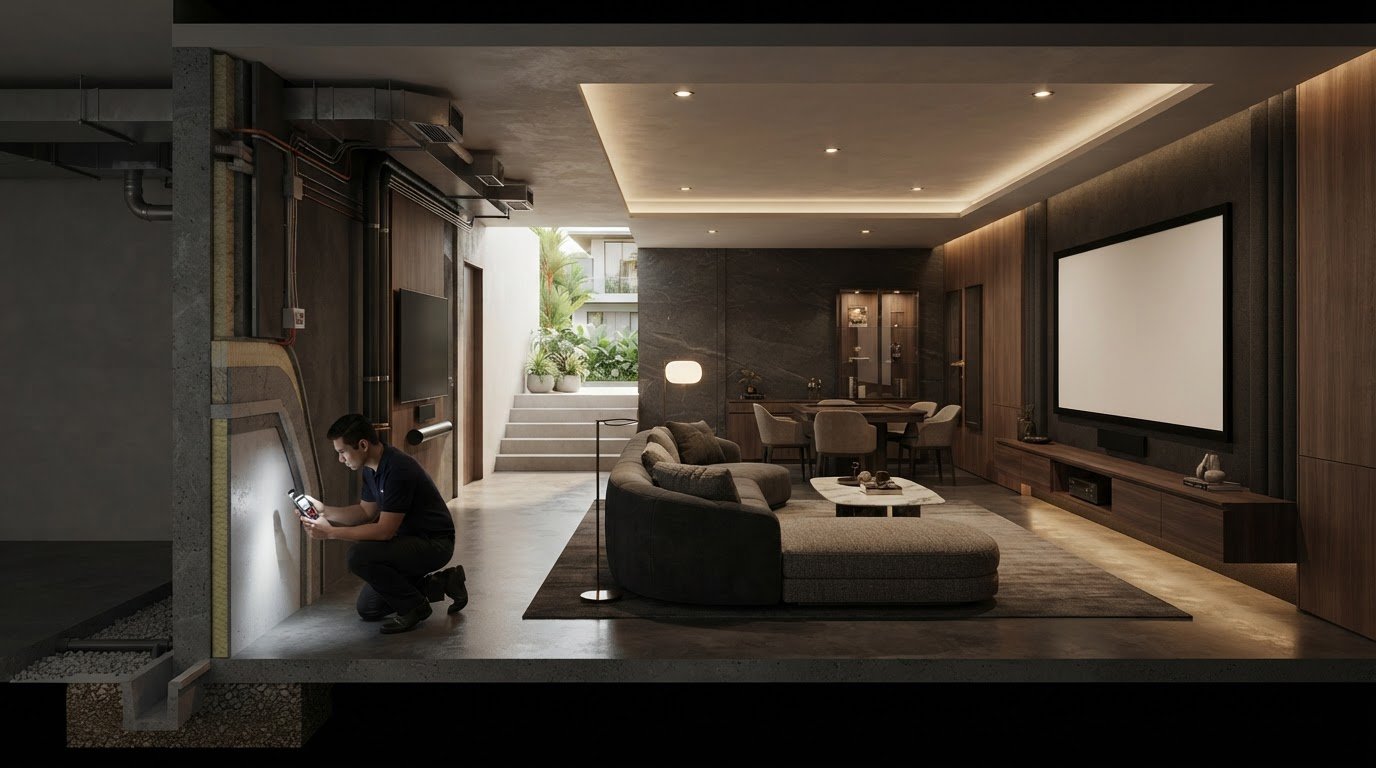
For those looking to acquire a luxury landed asset, due diligence is non-negotiable. You must cross-reference the official BCA floor plans with the actual physical structure of the house. Discrepancies often reveal unapproved mezzanine floors or extended car porches. Engaging a surveyor to conduct a pre-purchase report is a standard practice for elite strategists. This report doesn’t just identify risks; it serves as a powerful negotiation lever. If a property has unapproved extensions, you can use the projected cost of regularization or demolition to justify a lower purchase price. This ensures you aren’t overpaying for “phantom” floor area that might need to be removed later.
The Consequences of Non-Compliance
The risks of ignoring non-compliant structures extend far beyond simple fines. Under the Building Control Act, enforcement actions can include mandatory demolition orders and significant financial penalties. Perhaps more importantly, unapproved works create a “title defect” that complicates future sales. Savvy buyers and their lawyers will identify these issues during the conveyancing process, which can lead to aborted deals or significant price haircuts. A fully compliant home always commands a premium because it offers the buyer absolute peace of mind. For a deeper look at how compliance drives marketability, review this strategic guide to selling your landed property.
If you’re unsure about the status of your current property or one you intend to buy, it’s wise to consult with a landed property specialist to assess your risk profile before proceeding with any URA submissions.
Maximizing Capital Appreciation Through Compliant Landed Extensions
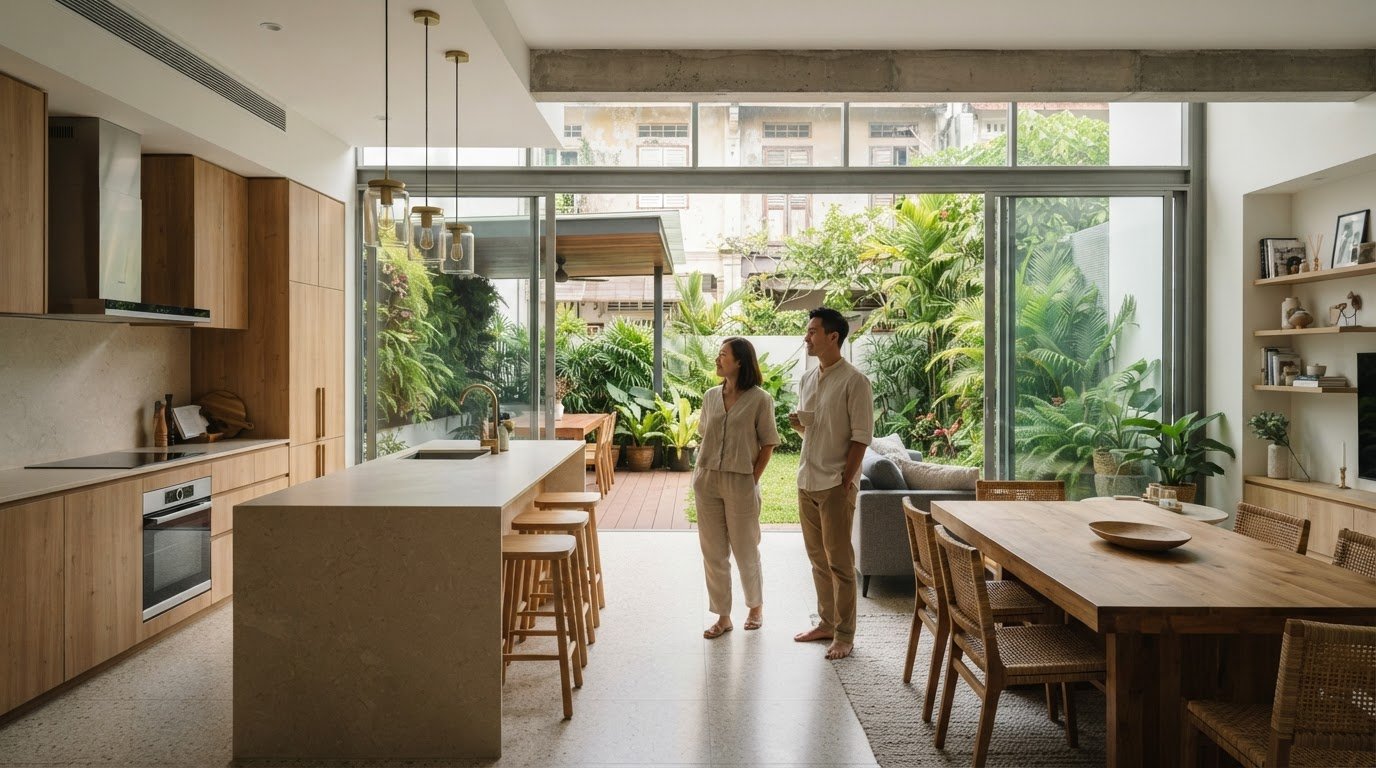
Capital appreciation in the landed segment isn’t a byproduct of luck; it’s the result of deliberate, compliant expansion. When you align your renovation with the latest URA guidelines for landed property extension, you’re doing more than adding square footage. You’re refining the property’s market position to meet “white-glove” standards. In the 2026 market, buyers of semi-detached and corner terrace homes look for modern aesthetics that blend seamless indoor-outdoor transitions with functional, high-density living areas. Future-proofing your asset means planning for multi-generational needs, such as ground-floor junior suites with elder-friendly access, all while staying within the prescribed building bulk. This strategic foresight ensures your home remains relevant and highly desirable for decades.
Success in the luxury market depends on the precision of your execution. A well-planned extension doesn’t just provide more room; it creates a narrative of quality and lifestyle that justifies a premium price point. Whether you’re transforming a terrace house or a Good Class Bungalow, the objective remains the same: to create a bespoke living environment that adheres to the spirit of Singapore’s urban planning while pushing the boundaries of residential luxury. Navigating this path requires a steady hand and a deep understanding of how regulatory limits can be leveraged to enhance architectural value.
The Elite Approach to Landed Asset Optimization
Elite homeowners don’t just hire a contractor. They coordinate a strategic team consisting of architects, QPs, and real estate advisors to ensure every dollar spent increases the property’s ceiling price. This collaboration is essential to avoid over-capitalizing on features that don’t drive resale value. Focus your investment on high-value extensions that resonate with the luxury demographic:
- Gourmet kitchen expansions that serve as the home’s social heart.
- Junior suites designed for multi-generational comfort and privacy.
- Dedicated home office wings with separate access for professional meetings.
- Integrated smart home systems that enhance security and energy efficiency.
Strict adherence to the URA guidelines for landed property extension ensures that your property remains a liquid, premium asset that can be transacted without the friction of legal or structural encumbrances.
Your Next Steps with Vincent Lim
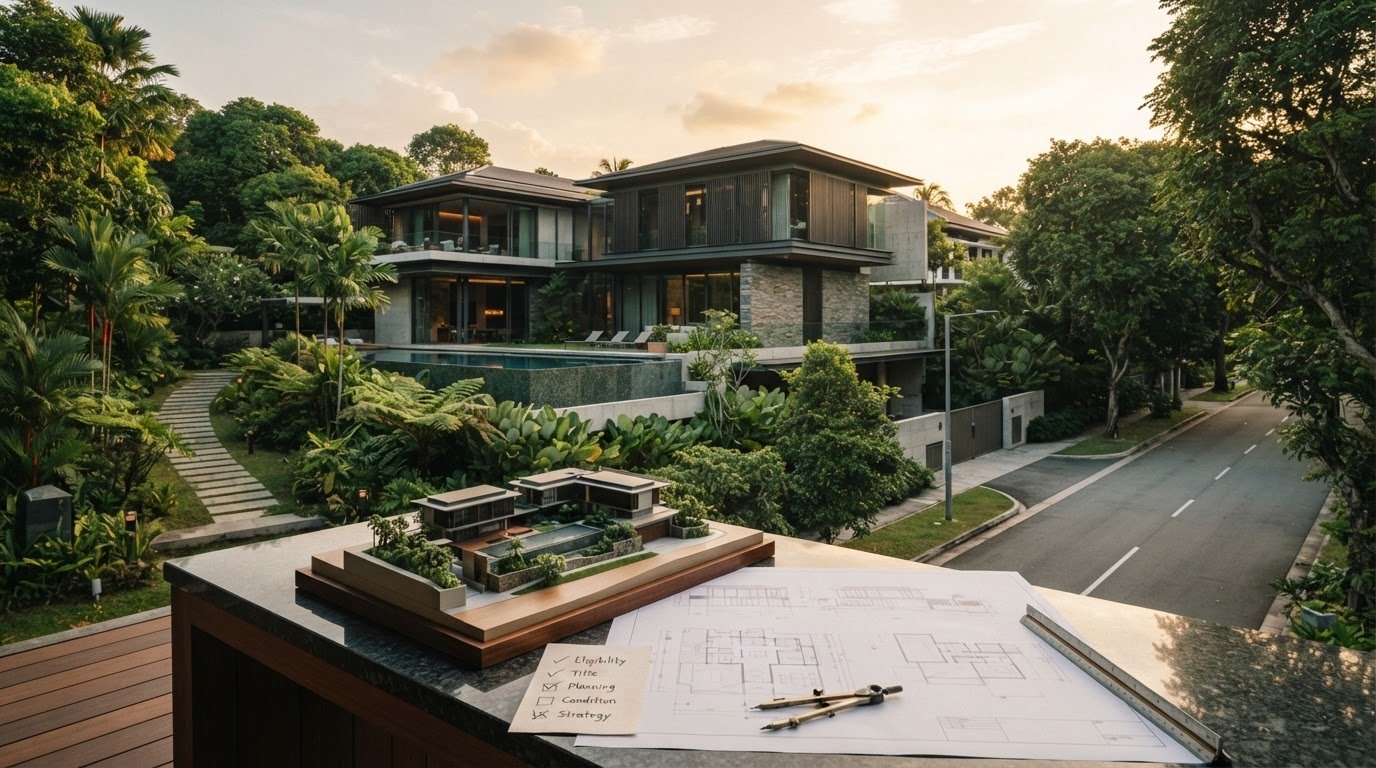
Navigating the intersection of policy and profit requires a partner who understands the nuances of the Landed Housing Handbook as well as current buyer sentiment. Identifying a property with untapped GFA or the potential for a strategic A&A is where the real value lies. Before finalizing your renovation budget, it’s essential to analyze the average price of semi-detached houses in your specific district to ensure your post-extension valuation remains competitive. I invite you to a bespoke portfolio review to discuss your landed asset progression and how we can optimize your home for maximum capital gain. Let’s ensure your next move is as calculated as it is rewarding.
Securing Your Legacy Through Strategic Property Optimization
Mastering the URA guidelines for landed property extension is the definitive way to ensure your home remains a high-performing asset. By strategically navigating the 50% rule and adhering to modern envelope controls, you protect your capital while creating a bespoke living space. Compliance isn’t just about avoiding fines; it’s the foundation of liquidity in Singapore’s elite real estate market. Every structural decision you make today dictates the resale premium you’ll command tomorrow.
As an Executive Associate Director at OrangeTee & Tie with over 20 years of Singapore real estate expertise, I specialize in Good Class Bungalows and luxury landed sales. I help homeowners bridge the gap between complex urban policies and tangible market profits. Whether you’re refining a semi-detached house or planning a comprehensive terrace transformation, disciplined planning leads to exceptional results. My approach combines seasoned authority with a commitment to your long-term success.
Consult Vincent Lim for a strategic evaluation of your landed property potential to ensure your next development is both compliant and highly profitable. Your journey toward a more valuable, future-proofed home starts with a single, expert conversation. Let’s transform your property vision into a secure and appreciating reality.
Frequently Asked Questions
What is the difference between A&A and Reconstruction under URA guidelines?
The primary distinction lies in the 50% rule regarding building bulk and structural changes. An Addition & Alteration (A&A) project must not exceed 50% of the existing Gross Floor Area (GFA) or involve replacing more than 50% of external walls and floor slabs. If your proposal exceeds these thresholds, URA reclassifies it as a reconstruction, which requires the entire house to comply with current prevailing standards and road line setbacks.
How much can I extend my terrace house without a full rebuild?
You can extend your terrace house as long as the total additional GFA and structural modifications remain under the 50% threshold to qualify as A&A. The extension must also reside within the designated envelope control height, which is 12 meters for two-storey zones and 15.5 meters for three-storey zones. Precise adherence to the 2-meter rear setback is essential to maintain neighborly privacy and fire safety standards.
Do I need URA approval for a small car porch extension?
Yes, any structural modification to the exterior of your landed home requires formal approval from both the URA and the BCA. Even a minor car porch extension must comply with the URA guidelines for landed property extension regarding site coverage and setbacks from the road line. Failing to secure these permits can lead to enforcement actions and complications during the future sale of your property.
Can I add an attic to my existing semi-detached house in 2026?
You can certainly add an attic provided the new structure fits entirely within the three-dimensional envelope control limit for your area. In 2026, URA regulations allow for modern attic designs that maximize usable space, but they must not exceed the maximum height of 12 or 15.5 meters. Your Qualified Professional must ensure the attic design doesn’t increase the perceived building bulk from the street level.
What happens if my landed property extension exceeds the envelope control limits?
If a proposed extension exceeds the envelope control limits, the URA will reject the development application during the submission phase. Building beyond these limits without approval triggers severe penalties, including mandatory demolition orders and heavy fines under the Building Control Act. Such non-compliance creates a title defect that significantly reduces the property’s market value and makes it difficult for future buyers to secure financing.
How do road line setbacks affect corner terrace extensions?
Corner terrace houses face unique constraints because they have two frontages that must respect specific road line setbacks. These setbacks are determined by the road category, with Category 1 roads requiring much deeper buffers than Category 5 roads. Your extension plans must account for these widening lines and buffer zones; otherwise, the URA will mandate a reduction in your proposed building footprint to preserve the public streetscape.
Is it possible to legalize an unapproved extension after buying a property?
Legalizing an unapproved extension is possible through a formal regularization process, though it’s not guaranteed. You must appoint a Qualified Professional to inspect the structure, certify its safety, and submit as-built plans for retrospective approval. If the extension meets current planning standards and safety codes, it can be legalized, though you’ll likely need to pay administrative penalties and any applicable Land Betterment Charges.
How long does the URA approval process typically take for landed extensions?
The URA approval process generally takes 4 to 8 weeks for standard landed housing submissions. Since the mandatory rollout of CORENET X on October 1, 2026, the process has become more streamlined through BIM-based digital submissions. While the system allows for faster technical reviews, the overall timeline still depends on the complexity of your design and how quickly your QP responds to any written directions from the authorities.