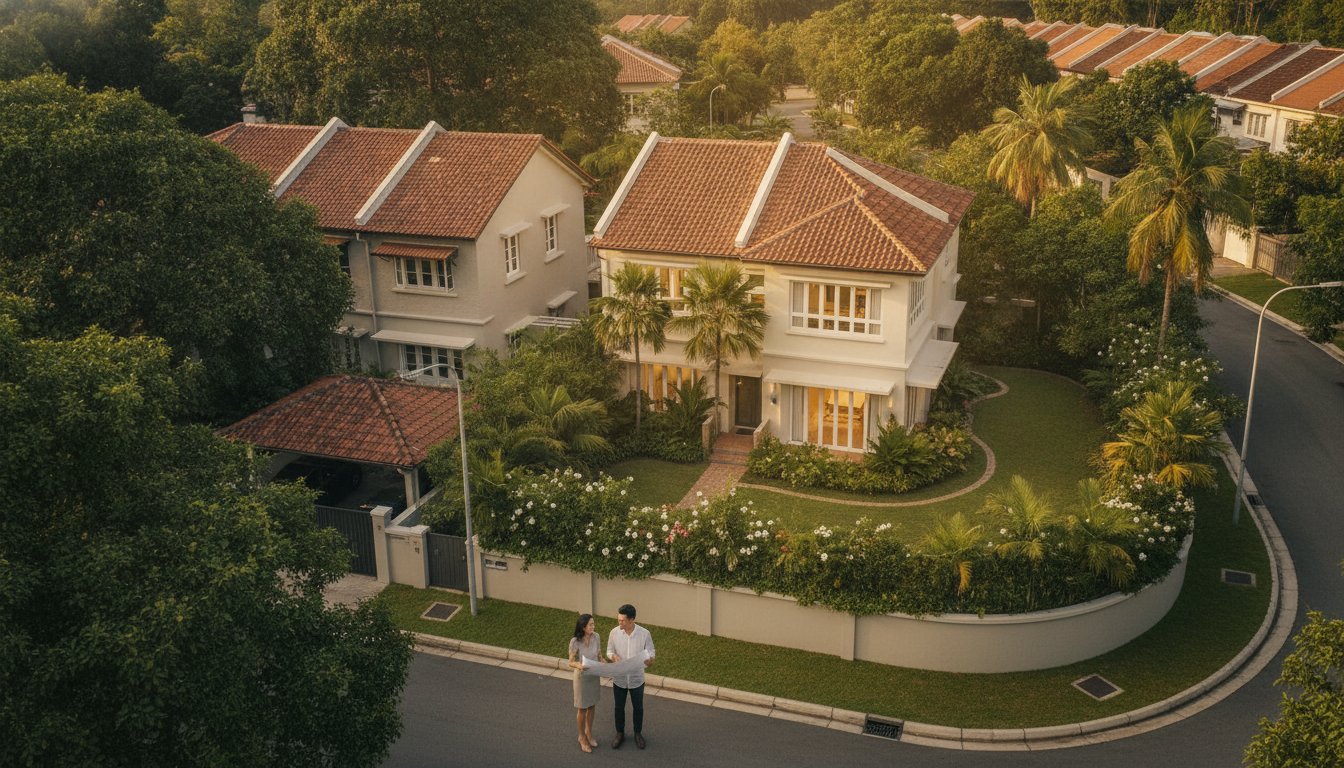
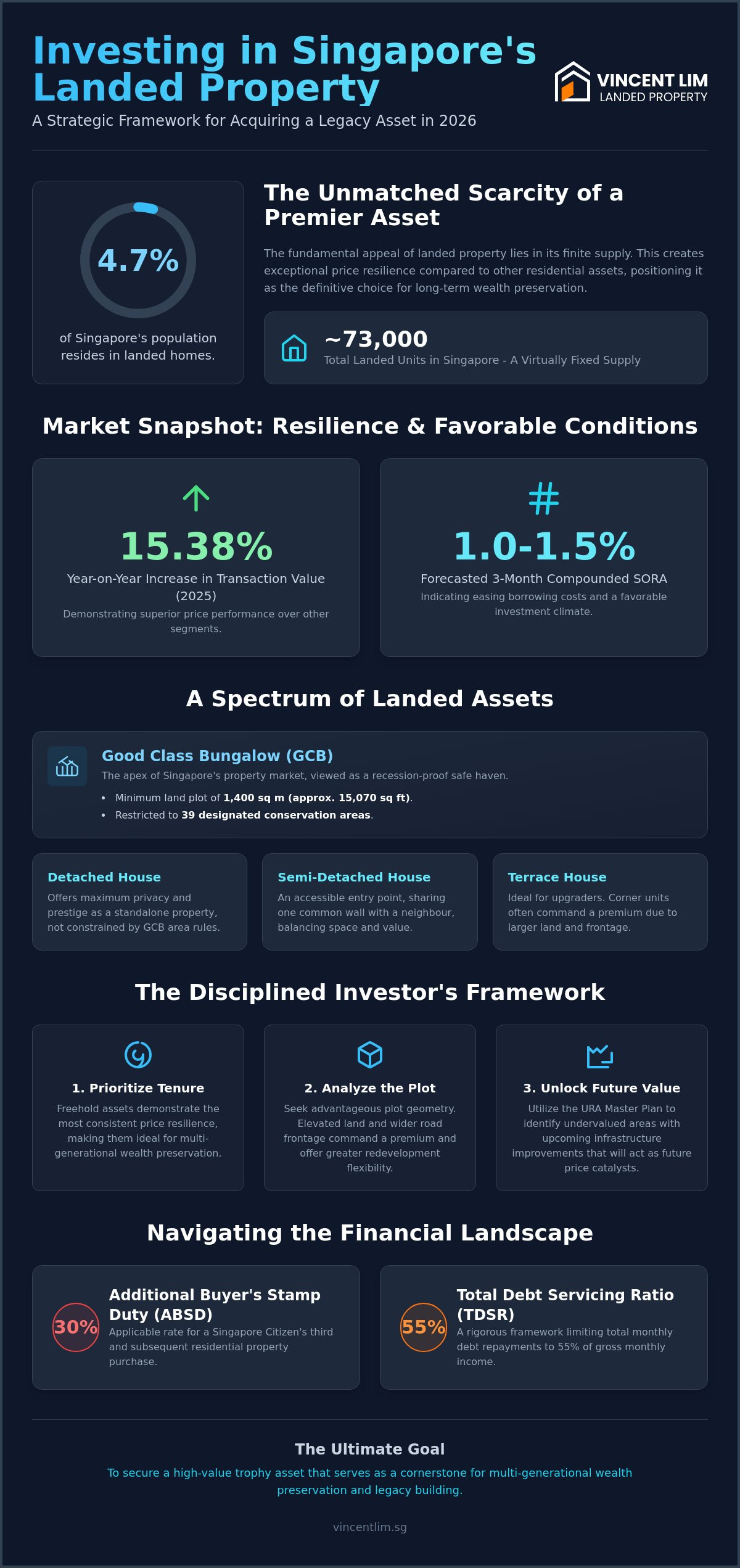
Only 4.7% of Singapore’s population currently resides in a landed home, a statistic that underscores the profound scarcity of this asset class. While the broader residential market experiences shifts, the fixed supply of roughly 73,000 units ensures that investing in landed property singapore remains the definitive choice for long-term wealth preservation. You’re likely conscious of the significant hurdles involved, from the 2026 ABSD rates of 30% for a Singapore Citizen’s third home to the rigorous 55% TDSR framework. It’s understandable to feel cautious about navigating complex URA rebuilding guidelines or the risk of overcapitalizing on leasehold assets.
This article provides a refined framework to help you master these intricacies and secure a trophy asset built for capital appreciation. You’ll gain a clear understanding of the financial logistics required for a successful acquisition and learn how to identify properties with genuine redevelopment potential. We’ll guide you through a methodical approach to asset selection that transforms a simple purchase into a strategic legacy for future generations. By applying these disciplined principles, you can navigate the 2026 market with the confidence of a seasoned strategist.
Key Takeaways
- Understand why the finite supply of landed homes, representing just 5% of Singapore’s housing stock, provides superior price resilience compared to luxury condominiums.
- Learn a strategic framework for evaluating tenure and land plot geometry when investing in landed property singapore to maximize long-term capital appreciation.
- Navigate the 2026 ABSD landscape and gain clarity on the financial logistics required for both Additions & Alterations and full-scale redevelopments.
- Use the URA Master Plan to identify undervalued assets and spot upcoming infrastructure improvements that act as catalysts for future price growth.
- Develop a disciplined asset progression strategy that secures high-value legacy properties, such as Detached houses or Good Class Bungalows, for multi-generational wealth preservation.
The Scarcity Narrative: Why Landed Property Remains Singapore’s Premier Asset
Singapore’s urban planning is a masterclass in space optimization. While Singapore’s public housing system serves the residential needs of the vast majority, the private landed segment remains an ultra-exclusive tier. Only about 5% of the total housing stock is comprised of landed homes. This translates to roughly 73,000 units, a figure that has remained remarkably stable despite the city-state’s growing population. This fundamental imbalance between supply and demand is why investing in landed property singapore is often viewed as a land-banking exercise rather than a simple real estate transaction.
Over the last decade, landed assets have demonstrated superior price resilience compared to luxury condominiums. While high-rise developments are subject to periodic oversupply and lease decay concerns, the intrinsic value of the land provides a solid floor for valuations. In 2025 alone, the landed segment recorded a 15.38% year-on-year increase in transaction value. As we move through 2026, market dynamics continue to favor land-heavy investments. Easing interest rates and a forecasted 3-month compounded SORA between 1.0% and 1.5% are reducing borrowing costs, making investing in landed property singapore a highly calculated move for those focused on legacy building.
The Good Class Bungalow (GCB) Prestige
The GCB represents the pinnacle of the local property hierarchy. These homes must meet strict criteria, including a minimum land plot of 1,400 square meters, and are restricted to 39 designated conservation areas. Their scarcity makes them virtually recession-proof; the ultra-wealthy view them as safe havens during economic volatility. For a deeper analysis of why these assets command such a premium, you can explore our guide on what is a Good Class Bungalow and its role in wealth preservation.
Terrace and Semi-Detached Houses as Entry Points
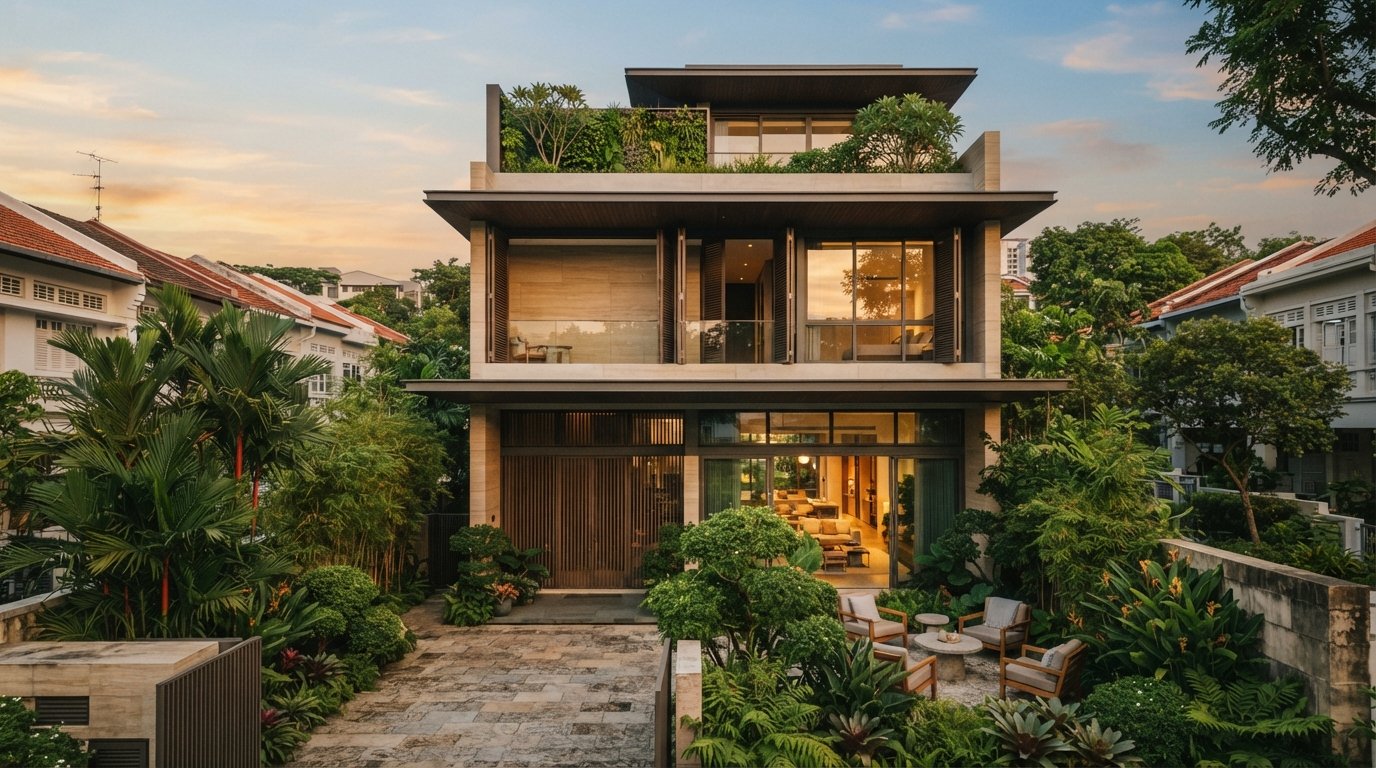
For affluent upgraders, Terrace and Semi-Detached houses offer a more accessible entry into the landed market. While Detached houses offer maximum privacy, a well-selected Terrace House for Sale Singapore can provide exceptional capital appreciation. Corner terraces often command a significant premium due to their larger land area and wider frontage, frequently outperforming intermediate units in long-term value growth. These entry-level landed assets allow investors to secure a slice of Singapore’s limited land without the capital requirements of a full bungalow.
Strategic Investment Framework: Tenure, Type, and Land Size
Selecting the right asset requires a disciplined evaluation of technical specifications that go beyond aesthetic appeal. While the scarcity of land provides a baseline for value, the specific attributes of a plot determine its ultimate liquidity and appreciation ceiling. When investing in landed property singapore, we prioritize three pillars: tenure longevity, plot geometry, and topographical advantage. Elevated land, for instance, often commands a premium as it offers natural drainage and enhanced privacy, whereas sunken plots may incur additional drainage and structural costs during redevelopment. Road frontage also plays a critical role; a wider frontage not only enhances the property’s presence but also increases the flexibility of the internal layout.
The Tenure Debate: Freehold vs. Leasehold in 2026
The price gap between freehold and 99-year leasehold landed properties has widened as investors seek permanent wealth shelters. However, a blanket preference for freehold ignores specific strategic opportunities. According to official property price statistics, freehold assets show the most consistent resilience during market corrections. Yet, a leasehold property in a prime District 10 or 11 location might offer a superior entry point for those prioritizing immediate lifestyle or specific school proximity. Understanding the Average Price of Semi-Detached House in Singapore helps investors calibrate their expectations against tenure-driven price variances. If you’re planning a legacy that spans generations, the premium for freehold or 999-year tenure remains a non-negotiable safeguard against lease decay.
Land Size and Plot Efficiency
Efficiency is defined by how much “liveable” space a plot can legally support. Regular, rectangular plots are prized because they minimize wasted corners and simplify the application of URA envelope control guidelines. These guidelines dictate the allowable building volume, and a wide frontage is often the most critical factor for future-proofing. For example, a terrace house with a frontage wider than 6 meters can sometimes feel more like a semi-detached home, providing better ventilation and natural light. This perceived spaciousness significantly boosts resale appeal.
If a plot meets specific width requirements, it may even hold the potential for future sub-division or conversion into a detached house. Identifying these “hidden” conversion opportunities is where true value is uncovered. To ensure your selection aligns with these technical URA requirements, it’s wise to consult with a landed property specialist who understands the nuances of plot efficiency. Balancing the built-up area with functional outdoor space is essential; a house that maximizes every inch of concrete at the expense of a garden often faces lower resale appeal in a market that increasingly values “green” luxury. A strategic investor always looks for that perfect equilibrium between indoor comfort and outdoor tranquility.
Financial Logistics and the ‘Hidden’ Costs of Landed Ownership
Successfully investing in landed property singapore requires more than just significant capital; it demands a meticulous understanding of the fiscal environment that governs these high-quantum assets. Unlike strata-titled properties where maintenance is managed by a collective fund, landed ownership places the full weight of structural integrity and aesthetic upkeep on the individual. We view these costs not as mere expenses, but as essential reinvestments into the property’s capital value. The 2026 fiscal landscape is characterized by a 55% Total Debt Servicing Ratio (TDSR) and a maximum Loan-to-Value (LTV) limit of 75% for those without outstanding housing loans, making liquidity management the cornerstone of any acquisition strategy.
According to the latest URA Property Price Index, landed assets continue to command a premium, yet the entry cost is heavily influenced by the 2026 Additional Buyer’s Stamp Duty (ABSD) rates. Singapore Citizens now face a 20% duty on their second residential property and 30% on their third. Permanent Residents encounter even steeper hurdles, with a 30% rate for a second home and 35% for subsequent purchases. When you factor in the Buyer’s Stamp Duty (BSD) of up to 6%, the initial tax outlay can significantly alter your projected Return on Investment (ROI).
Rebuilding and A&A Costs in 2026
Construction costs have stabilized but remain elevated due to specialized labor and high-quality material requirements. For a luxury landed project in 2026, industry estimates for a full rebuild typically range between $450 and $600 per square foot of built-up area. A full-scale redevelopment is a marathon, not a sprint, requiring 18 to 24 months of strategic planning and execution. We often advise clients that Additions & Alterations (A&A) can be a more efficient route for wealth preservation if the existing structure is sound, as it avoids the extensive timelines and regulatory complexities of a total rebuild. Mitigating cost overruns during this phase requires professional project coordination to ensure the final product meets the “trophy asset” standard.
Taxation and Stamp Duties
The “Landed Premium” also extends to recurring taxes. Owner-occupied landed homes are taxed on a progressive scale up to 32% of their Annual Value (AV), while investment properties face a steeper 12% to 36% range. Many high-net-worth individuals inquire about using Trust structures to manage these acquisitions. While a Trust can be a viable vehicle for legacy planning, it’s vital to remember that a 65% ABSD (Trust) is generally payable upfront, though remissions may apply under specific conditions. When planning your exit or portfolio rotation, referring to a Strategic Guide to Selling Your Landed Property can help you navigate the Seller’s Stamp Duty (SSD) holding period, which currently stands at four years for properties purchased after July 2025.
Identifying Investment Gems: Redevelopment and Future Potential
Seasoned investors don’t evaluate a property based on its current facade; they analyze the land’s DNA. The most lucrative opportunities in investing in landed property singapore often hide within “original condition” homes. These are properties that haven’t been renovated for decades, allowing you to acquire the asset at a price closely reflecting its raw land value. By stripping away the architectural obsolescence, you can unlock the plot’s true potential through a modern rebuild or a significant Addition & Alteration (A&A) project. This value-add strategy creates immediate equity gain, effectively bypassing the premium usually paid for “move-in ready” luxury homes.
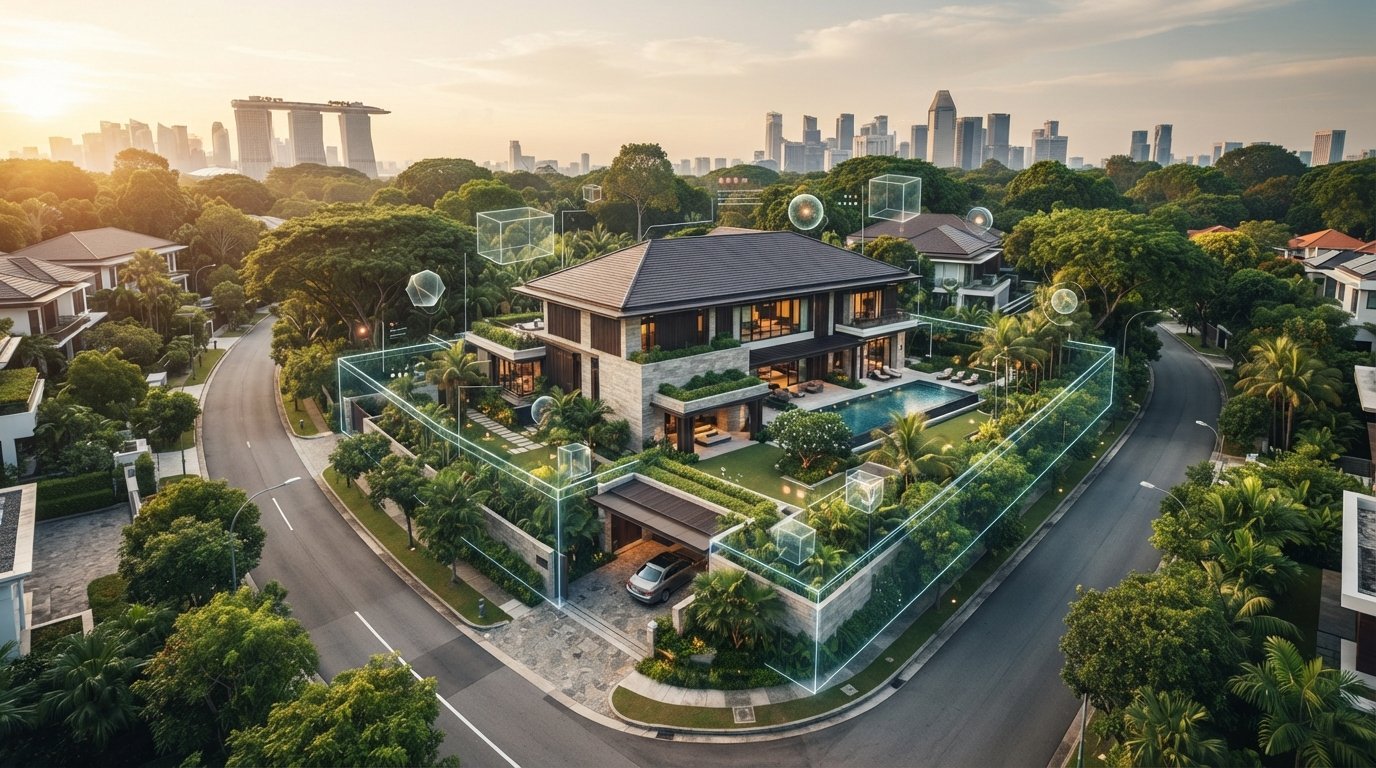
Identifying these gems requires a disciplined study of the URA Master Plan. We look beyond the immediate neighborhood to spot upcoming infrastructure improvements, such as new MRT lines or the rejuvenation of nearby commercial hubs, which act as catalysts for capital appreciation. A strategic “sub-division” play is another high-level move for those with the capital to secure large detached plots. If a detached plot exceeds 400 square meters and possesses sufficient frontage, it may be possible to sub-divide the land into two semi-detached units. This effectively doubles the property’s liquidity and appeals to a broader segment of the market when it’s time to exit.
Analyzing Plot Ratios and Zoning
Understanding the distinction between 2-storey and 3-storey designated zones is fundamental to maximizing your built-up area. A plot in a 3-storey zone offers significantly more volumetric flexibility, which is essential for multi-generational living. You must also conduct due diligence on “hidden” encumbrances. We meticulously check for drainage reserves or road widening lines that could restrict the buildable footprint. The current “Envelope Control” system has revolutionized architectural possibilities, allowing for higher ceilings and more creative use of attic spaces compared to the rigid micro-zoning of the past. This system rewards those who understand how to manipulate volume within the legal “envelope” to create a sense of immense scale.
The Value-Add Strategy
The transition from an aging structure to a contemporary masterpiece is the most reliable path to wealth creation in this sector. While terrace and semi-detached homes offer steady growth, a Detached House for Sale Singapore provides the highest level of flexibility for future buyers and the greatest potential for architectural expression. Detached status is the ultimate “trophy” because it allows for four-sided ventilation and maximum privacy, attributes that command a significant premium in our land-scarce city. By buying “old” and building “new,” you aren’t just purchasing a home; you’re manufacturing capital growth through strategic development.
If you’re ready to identify a plot with high redevelopment potential and want to ensure your investment aligns with URA’s long-term vision, contact Vincent Lim today for a bespoke site analysis and strategic acquisition plan.
Legacy Building: Asset Progression and Wealth Planning
The final stage of a sophisticated real estate journey is the transition from strata-titled luxury condominiums to the absolute autonomy of a landed estate. While high-rise penthouses offer lifestyle prestige, they remain subject to collective decisions and management corporation regulations. Investing in landed property singapore represents a shift toward total control and the creation of a multi-generational legacy. This move isn’t just about acquiring more square footage; it’s about securing a piece of Singapore’s limited 73,000 landed homes to protect family wealth against the erosive effects of inflation and market volatility for decades to come.
A specialist agent’s role is critical in this high-stakes environment, where the margin for error is slim and the financial implications are vast. Navigating the complexities of 2026 regulations, from LTV limits to the intricacies of the URA Master Plan, requires more than just market knowledge. It demands a veteran’s intuition. Vincent Lim’s 20-year perspective, established since 2004, provides the seasoned authority necessary to manage complex acquisitions with calm, calculated competence. His disciplined approach ensures that your transition into the landed market is both seamless and strategically sound.
Property Wealth Planning with Vincent Lim
Structuring a portfolio for long-term preservation requires a methodical approach to timing and asset selection. Many investors find it challenging to decide exactly when to liquidate a luxury condo to facilitate an upgrade. Vincent provides the strategic oversight needed to analyze the opportunity cost of holding onto strata units versus moving into a terrace or semi-detached house. This transition is the cornerstone of Asset Progression to Landed Property, ensuring that each move adds tangible value to the family’s balance sheet while maintaining necessary liquidity.
The White-Glove Acquisition Process
Managing a transaction in the GCB or luxury detached segment requires a level of discretion that goes beyond standard brokerage. The acquisition of a high-quantum asset involves complex legal and financial layers, including navigating the 55% TDSR limit and coordinating with architects for pre-purchase site assessments. Vincent acts as an elite strategist, providing a white-glove service that prioritizes confidentiality and precision. His veteran perspective is vital for identifying undervalued assets that others might overlook. From the initial search to the final legal completion, the process is intentional and steady. To begin your journey toward a premier landed asset, you should Consult with Vincent Lim for a bespoke investment analysis tailored to your specific legacy goals.
Strategizing Your Path to Permanent Wealth
Navigating the 2026 landed market requires more than just capital; it demands a disciplined approach to asset selection and fiscal management. We’ve explored the intrinsic value of Singapore’s finite land supply and the technical nuances that separate a standard residence from a high-performance legacy asset. Success in investing in landed property singapore hinges on your ability to identify undervalued plots with redevelopment potential while managing the complexities of current ABSD and TDSR frameworks. By prioritizing tenure longevity and plot efficiency, you’ll ensure your acquisition remains resilient across market cycles.
Partnering with a veteran professional provides the clarity and discretion necessary for these high-stakes transactions. As an Executive Associate Director at OrangeTee & Tie with over 20 years of strategic real estate expertise, I specialize in identifying prime opportunities within the GCB and high-value landed sectors. My goal is to act as your trusted guide, refining your portfolio through meticulous analysis and white-glove service. Secure your legacy—Consult with Vincent Lim on your landed property investment today. Your journey toward securing a premier piece of Singapore’s landscape begins with a single, strategic conversation.
Frequently Asked Questions
Can Singapore Permanent Residents (PRs) buy landed property?
Permanent Residents must obtain approval from the Land Dealings Approval Unit (LDAU) before purchasing landed property on mainland Singapore. This approval is generally granted only to PRs who have made significant economic contributions to the country. The notable exception is Sentosa Cove, where PRs can acquire landed homes for their own occupation without LDAU approval, though they remain subject to the 2026 ABSD rate of 30% for their first property.
What is the minimum land size for a detached house in Singapore?
A detached house, or bungalow, requires a minimum land area of 400 square meters according to URA guidelines. This size threshold ensures the property can accommodate the necessary setbacks from the plot boundaries. For those investing in landed property singapore with the intent to maintain detached status, ensuring the plot meets this 400-square-meter requirement is a fundamental step in the due diligence process.
Is it better to buy a brand-new landed home or an old one for redevelopment?
Purchasing an older property for redevelopment often offers superior capital appreciation potential compared to buying a brand-new home. While new homes provide immediate convenience, “original condition” properties allow you to manufacture equity by rebuilding the structure to modern luxury standards. This value-add strategy is a preferred route for sophisticated investors who want to ensure their asset is optimized for both lifestyle and future resale value.
How much is the Additional Buyer’s Stamp Duty (ABSD) for a second landed property in 2026?
In 2026, Singapore Citizens are required to pay 20% ABSD on their second residential property. Permanent Residents face a steeper rate of 30% for their second acquisition. These rates are a critical component of your financial logistics, as they represent a significant upfront cash outlay that must be factored into your total cost of acquisition alongside the Buyer’s Stamp Duty.
What are the common pitfalls when buying a freehold terrace house?
Common pitfalls include failing to check for road widening lines or drainage reserves that can significantly reduce the buildable area of the plot. Additionally, some terrace houses have narrow frontages of less than six meters, which can limit architectural flexibility and natural light. It’s essential to conduct a technical site analysis to ensure that the freehold status isn’t compromised by these physical or regulatory constraints.
How does the URA envelope control affect my rebuilding plans?
The URA envelope control system dictates the total volumetric space your building can occupy rather than just its floor-to-floor height. This framework allows for more creative architectural designs, such as mezzanine levels and higher ceilings, provided the structure remains within the prescribed “envelope.” Mastering these guidelines is essential for maximizing the perceived scale and luxury of a rebuilt landed home.
Why are Good Class Bungalows (GCBs) restricted to Singapore Citizens only?
GCBs are restricted to Singapore Citizens to preserve the nation’s most prestigious and limited land resources for its own people. This policy ensures that the 39 designated GCB areas remain exclusive and protected from excessive international speculation. This scarcity and restricted ownership are the primary drivers behind the GCB’s reputation as a recession-proof asset for the ultra-wealthy.
What is the typical downpayment required for a $5 million landed property?
For a $5 million property, a 25% downpayment of $1.25 million is typically required, assuming you have no outstanding housing loans and qualify for the maximum 75% LTV. At least 5% of the purchase price ($250,000) must be paid in cash, while the remaining 20% ($1 million) can be paid using a combination of cash and CPF funds. You’ll also need to prepare for stamp duties, which are not included in the loan amount.