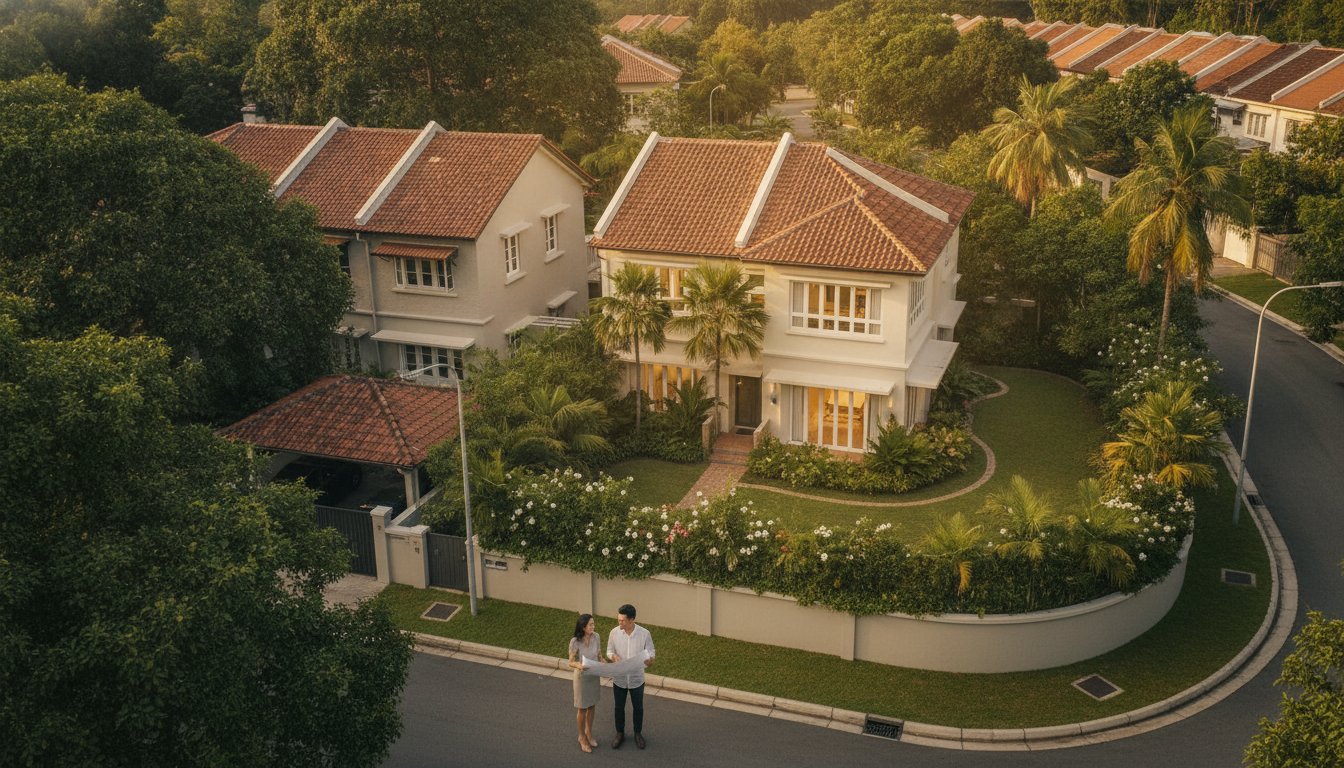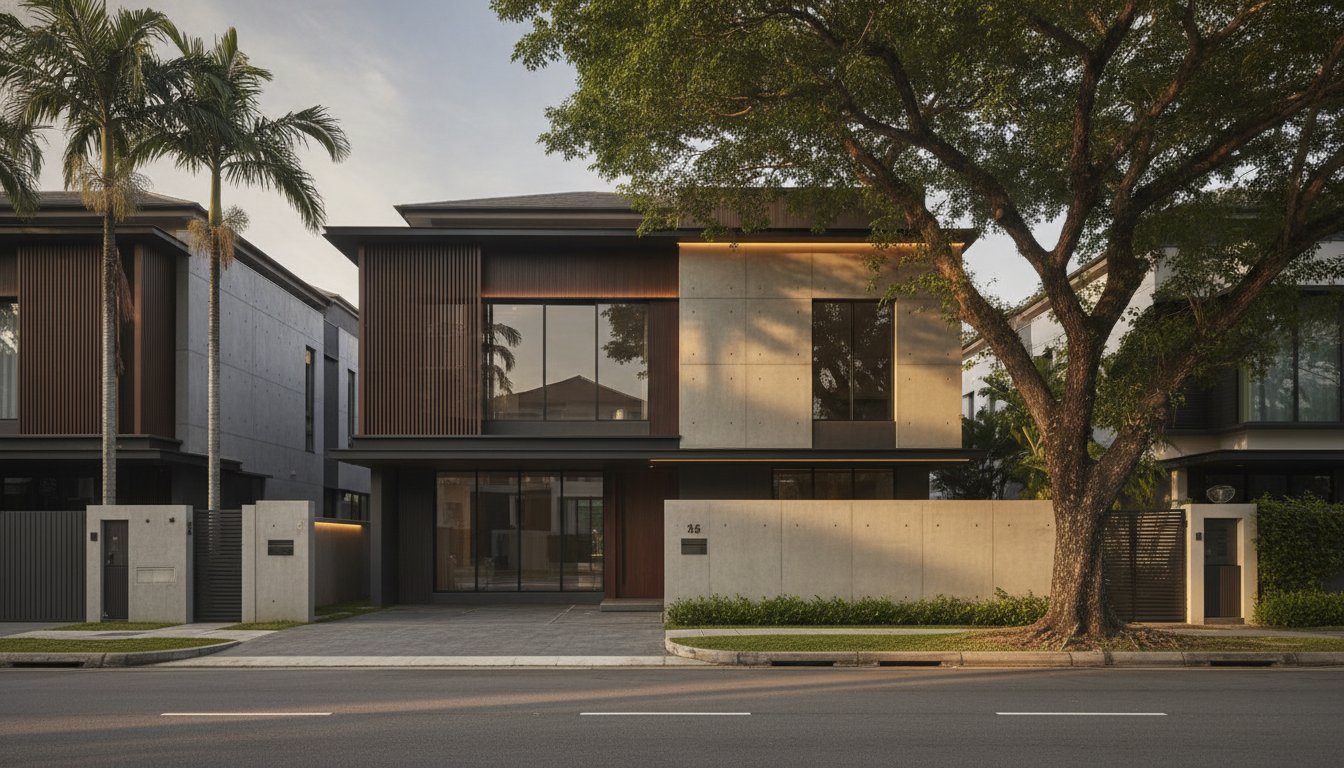
In a market where landed transaction volumes adjusted to 153 in May 2026, the difference between a standard sale and a record-breaking exit isn’t luck; it’s precise architectural engineering. You likely recognize that while landed property prices remain 6.73% higher than last year, the slight 0.4% quarterly dip in early 2026 has introduced a new layer of discernment among buyers. It’s natural to feel uncertain about whether a major renovation will yield a positive return or if the 20% ABSD on second properties for Singapore Citizens will shrink your pool of qualified prospects.
This strategic guide provides the definitive blueprint for maximizing resale value of terrace house singapore. We’ll show you how to ensure your property stands out as a rare, high-yield asset rather than just another listing in a competitive suburban market. By focusing on elite spatial refinements and sophisticated market positioning, you can command a premium price and facilitate a seamless transition to your next landed estate. We’ll examine the specific interventions that solve the scarcity of space and turn market cooling measures into your competitive advantage.
Key Takeaways
- Leverage the inherent scarcity of landed land in the 2026 market to position your property as a high-value bridge asset for affluent professionals.
- Prioritize high-ROI architectural refinements that solve air and light objections rather than investing in purely cosmetic renovations.
- Master the technical calculation of land versus built-up value when maximizing resale value of terrace house singapore to justify a record-breaking asking price.
- Differentiate your listing through elite positioning, utilizing luxury home staging and high-production cinematography to attract a global and local buyer pool.
- Execute a precise asset progression strategy by calculating net proceeds to ensure a seamless transition into a larger landed asset or GCB.
The 2026 Terrace House Market: Scarcity as a Value Driver
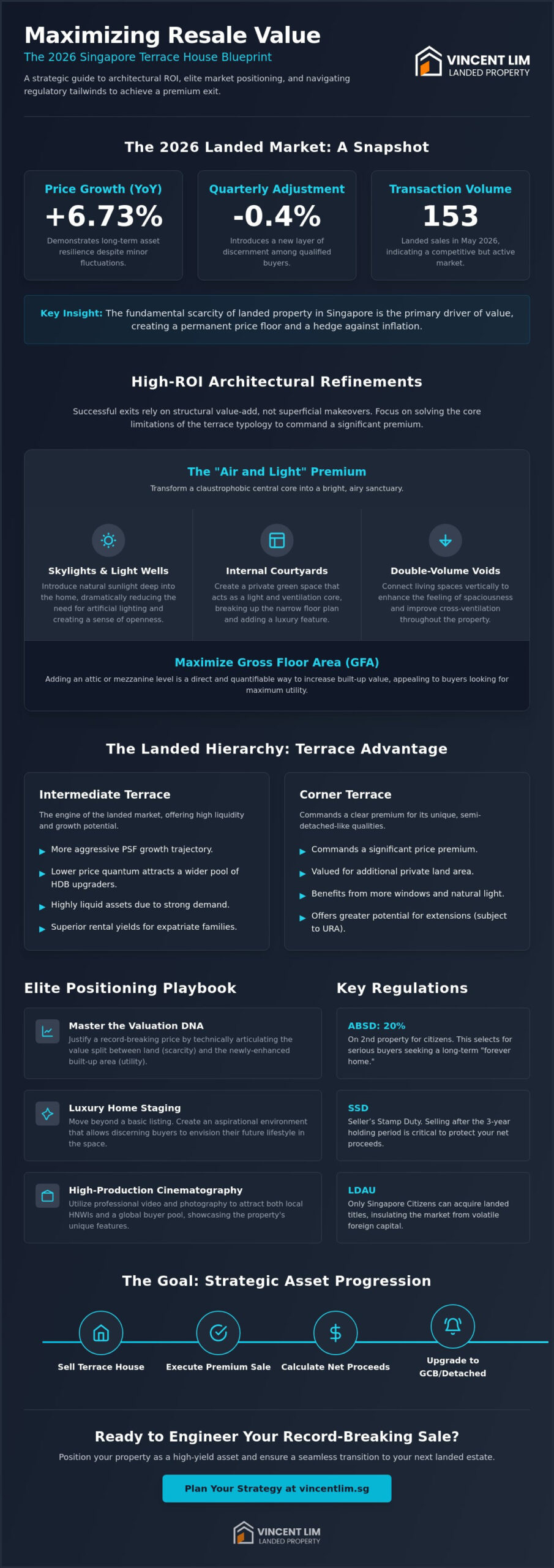
Land is the ultimate finite resource in Singapore. In 2026, the rarity of Terraced houses in Singapore has become the primary catalyst for long-term capital preservation. While the luxury condominium market often grapples with a steady pipeline of new units, the stock of landed property remains essentially fixed. This fundamental supply-demand imbalance creates a permanent price floor. Even as landed prices saw a minor 0.4% quarterly correction in early 2026, the year-on-year growth of 6.73% proves the resilience of this asset class. Strategies for maximizing resale value of terrace house singapore start with acknowledging that you aren’t just selling a building; you’re selling a share of Singapore’s limited soil.
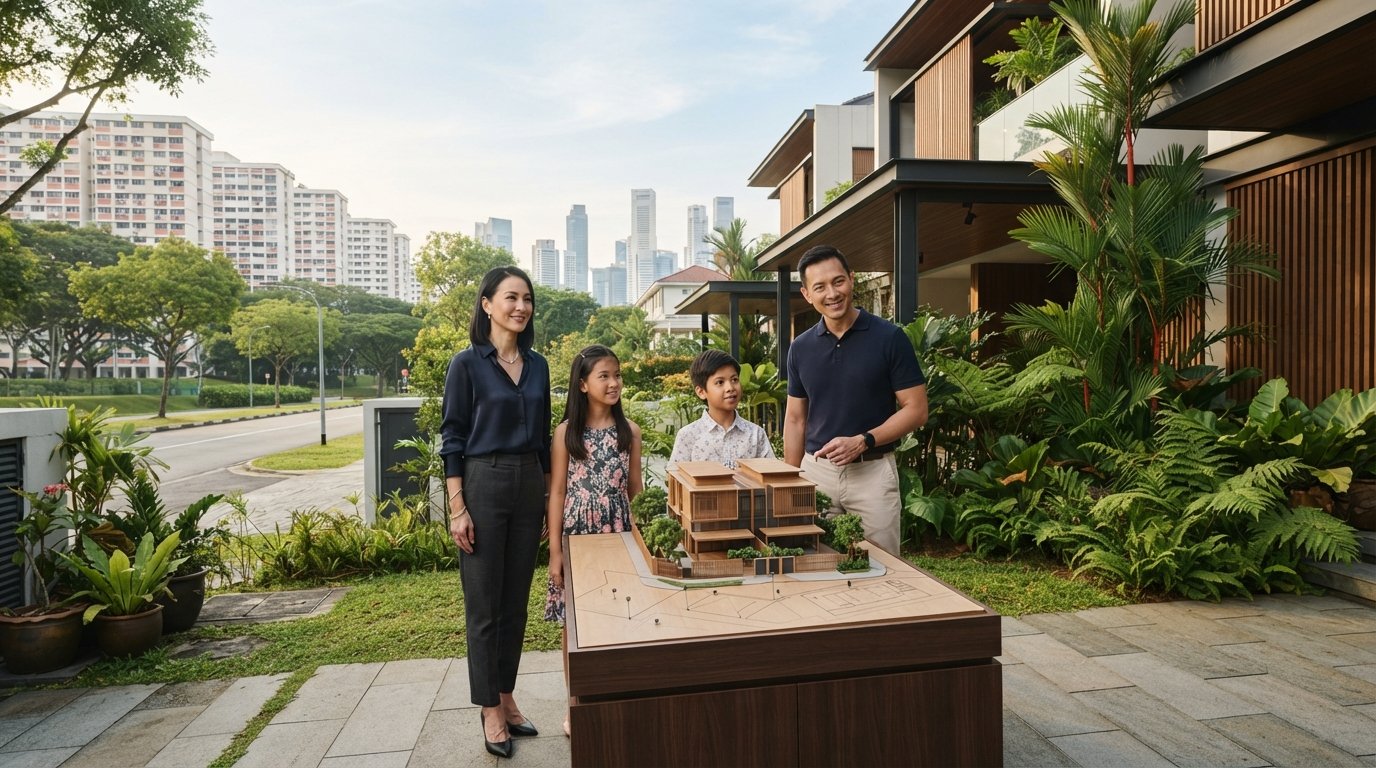
For the high-earning professional, the terrace house functions as a strategic bridge asset. It offers the prestige of landed living at a more accessible entry point than semi-detached or detached homes. We’ve observed a distinct shift in 2026 market sentiment. Buyers are increasingly wary of “leasehold fatigue” in luxury apartments and are instead prioritizing freehold terrace houses that offer multi-generational security. They see these properties as a hedge against inflation and a more stable alternative to volatile equity markets.
The Landed Hierarchy and the Terrace Advantage
The value proposition within the terrace category is nuanced. While corner terraces command a premium for their additional land and natural light, intermediate terraces often demonstrate more aggressive PSF growth. Their lower price quantum appeals to a massive pool of HDB upgraders, making them highly liquid assets. Additionally, these homes often deliver superior rental yields compared to larger landed types. They hit the “sweet spot” for expatriate families who desire the landed lifestyle but operate within corporate housing budgets that don’t stretch to GCB levels. The psychological appeal of owning the land remains a powerful motivator in our high-density city-state.
2026 Regulatory Impact on Resale Value
Regulations play a decisive role in shaping the 2026 buyer profile. With the Additional Buyer’s Stamp Duty (ABSD) for Singapore Citizens sitting at 20% for a second property, buyers are extremely selective. They’re looking for “forever homes” that won’t require a secondary purchase. Understanding the Seller’s Stamp Duty (SSD) is also vital for timing your exit; selling after the three-year holding period is essential to protect your net proceeds. The 2026 LDAU guidelines strictly mandate that only Singapore Citizens or specifically approved individuals can acquire landed titles, which effectively insulates the terrace market from volatile international capital flows.
By framing your property within this context of scarcity and local demand, you position it as a “must-have” asset. Success in maximizing resale value of terrace house singapore depends on your ability to articulate this rarity to prospective buyers who are looking for stability in an evolving market.
Strategic Architectural Refinements for Maximum Resale ROI
Selling a terrace house in 2026 requires more than a superficial makeover. While many sellers focus on trendy cabinetry or fresh paint, the most successful exits rely on structural value-add. This involves a deep understanding of the URA technicalities often outlined in a comprehensive guide to terrace houses. True value is created when you solve the fundamental limitations of the terrace typology, specifically its narrow footprint and the potential for dark internal spaces. Buyers are increasingly sophisticated; they look past cosmetic “facelifts” to identify homes with superior spatial engineering and long-term utility.
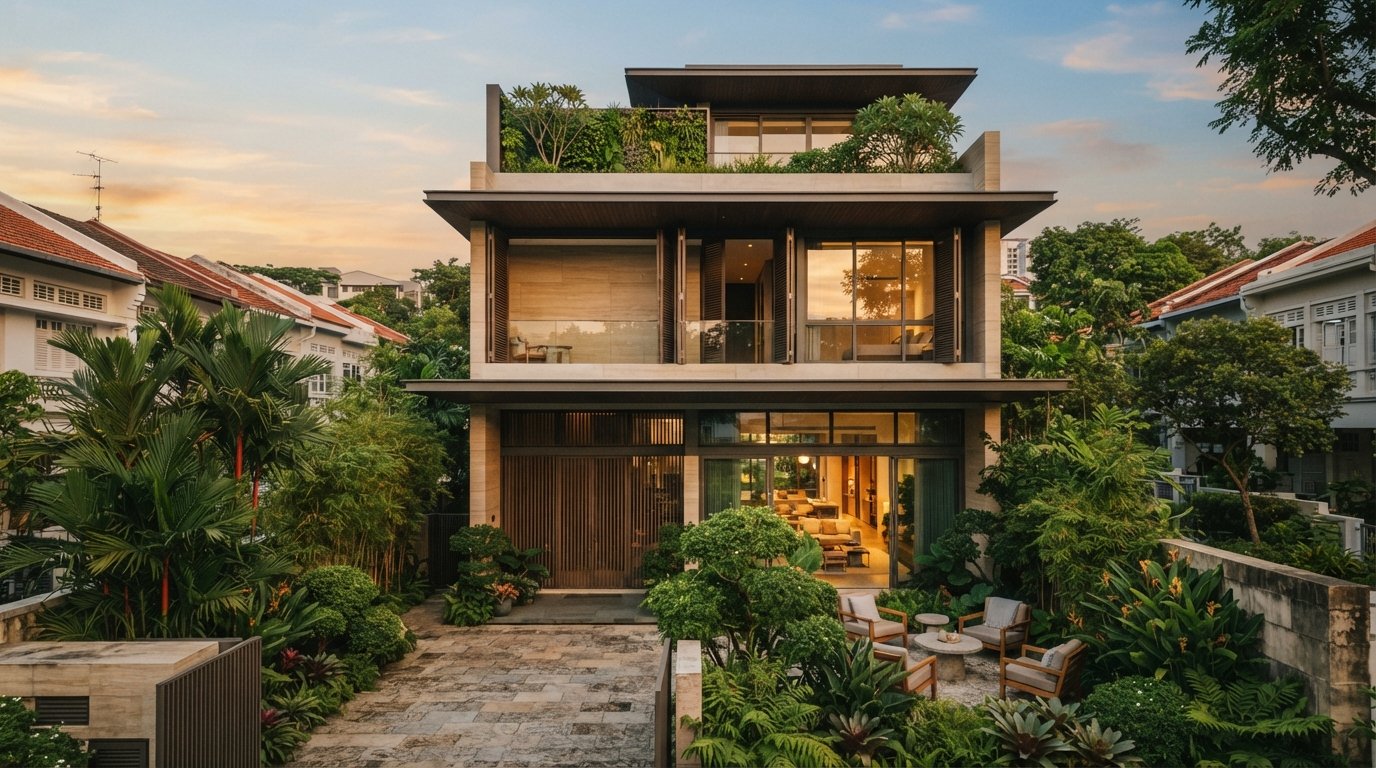
The “Air and Light” premium is perhaps the most critical factor in maximizing resale value of terrace house singapore. Intermediate terraces often suffer from claustrophobic central cores. By introducing internal courtyards, skylights, or double-volume voids, you transform a dim property into an airy sanctuary. These refinements aren’t just aesthetic; they’re functional solutions that address the primary objections of landed buyers. In a market where buyers are discerning, a home that breathes naturally and invites sunlight will always command a significant PSF premium over its darker neighbors.
Maximizing GFA and Built-up Area
Adding an attic or mezzanine level is a highly effective way to increase your home’s Gross Floor Area (GFA) without expanding the land footprint. These additions provide the extra bedrooms necessary for multi-generational living, which remains a top priority for local families in 2026. A private lift installation is no longer just a luxury; it’s a strategic necessity that broadens your buyer pool to include families with elderly members who require seamless accessibility. To further future-proof these spaces, many owners are now incorporating home automation solutions from Home-A-Genius to manage networking and security across all floors. A high-ceiling living area creates an immediate sense of grandeur that effectively compensates for a narrow land width. These structural and technological investments provide a much higher ROI than high-end kitchen appliances because they fundamentally change the home’s capacity and modern utility.
Sustainable and Smart Features
Modern buyers expect a home that is future-proof and efficient. Solar panel integration and EV charging readiness have moved from “optional” to “essential” in the 2026 market. These features significantly reduce long-term ownership costs, providing a tangible benefit that justifies a higher asking price. The impact of professional terrace house interior design shouldn’t be underestimated, as it harmonizes these technical upgrades with a cohesive, high-end aesthetic. Integrating smart home infrastructure, such as automated climate control and security systems, further appeals to a tech-savvy demographic looking for a “plug-and-play” lifestyle. If you’re evaluating which refinements will yield the highest return for your specific plot, speaking with an expert in Terrace House Sales can help you avoid the trap of over-capitalization.
Deciphering the Valuation DNA: What Determines the Price?
Understanding the valuation DNA is essential for any owner focused on maximizing resale value of terrace house singapore. Professional valuation isn’t a static number derived from a spreadsheet; it’s a dynamic assessment of land scarcity and built-up utility. While land value forms the baseline, the quality of the built-up area determines the premium. In 2026, we’re seeing the tenure premium widen significantly. Freehold assets continue to command a substantial gap over 99-year leasehold properties as buyers prioritize long-term capital preservation over immediate rental yield. This is particularly true in the landed segment, where the land itself is the primary driver of wealth growth.
One metric that sellers often overlook is frontage width. In the terrace house market, a wider frontage is a high-value differentiator. It allows for two-car parking and creates a more expansive internal layout, which directly impacts the perceived luxury of the home. Similarly, the surrounding environment acts as a price multiplier. A terrace house overlooking a park can command a significant premium over an identical unit located near a major road. Buyers in 2026 are increasingly willing to pay for tranquility and air quality, making these “soft” factors concrete drivers of your final sale price.
The Power of Plot Ratio and Redevelopment Potential
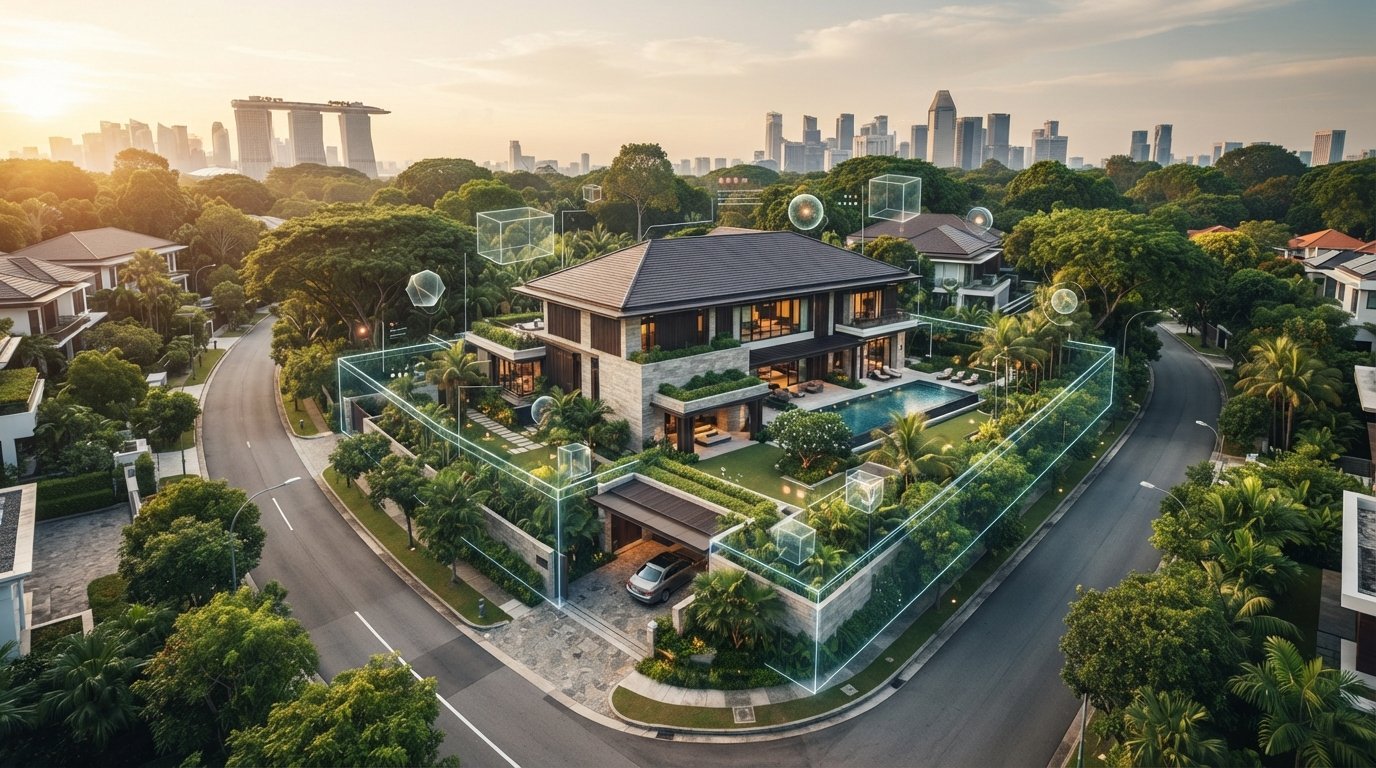
Investors aren’t just buying what exists today; they’re buying what could exist tomorrow. Identifying if your property has untapped redevelopment potential is a critical step in your sales strategy. We analyze the URA Master Plan to determine if your plot ratio allows for additional floors or a higher GFA. Presenting a “potential” vision to a buyer, supported by technical data, allows you to justify a higher asking price that accounts for future capital appreciation.
Comparative Market Analysis (CMA) for Landed Assets
Relying solely on standard bank valuations can be a costly mistake. Bank appraisals are notoriously conservative and often lag behind the actual strategic market price. To set a record-breaking price, we conduct a deep-dive Comparative Market Analysis. This involves analyzing “last done” prices within your specific district rather than just looking at optimistic asking prices on public portals. Given that landed prices remained 6.73% higher year-on-year in early 2026, your strategy must reflect current transaction data to ensure you don’t leave money on the table. We focus on specific transaction nuances to position your home accurately against the competition.
The Elite Positioning Strategy: Moving Beyond a Basic Listing
Elite positioning is the final bridge between a high-value asset and a record-breaking sale price. While previous sections focused on structural integrity and valuation DNA, this stage is about perception management. In 2026, maximizing resale value of terrace house singapore requires a shift from “listing” to “curating.” It starts with meticulous de-cluttering and professional luxury home staging to neutralize the space while elevating its prestige. We then deploy high-production cinematography and 3D virtual tours to reach both international and local buyers. This isn’t just about showing rooms; it’s about narrative-driven marketing that sells the landed lifestyle. We target high-net-worth databases through digital outreach, ensuring your property reaches the right eyes before it even hits the open portals.
Defending a premium price requires the art of high-stakes negotiation. It’s about articulating the unique value drivers we established earlier to justify every dollar of the ask. When you control the narrative, you move away from price-per-square-foot comparisons and toward an emotional “must-have” acquisition. If you’re ready to move your property from a basic listing to an elite market position, consider a consultation for Terrace House Sales.
The Psychology of the Luxury Buyer
First impressions begin at the gate. Curb appeal strategies, like manicured greenery and polished house numbering, set the tone before the buyer even enters. Inside, sensory staging uses specific lighting, scent, and sound to create an emotional anchor. We address buyer objections, such as parking constraints or maintenance concerns, before they’re even voiced during the viewing. This proactive approach keeps the buyer’s focus on the home’s benefits rather than its limitations. By the time the tour ends, the prospect should feel a sense of belonging that transcends technical specifications.
Digital Dominance and Social Proof
Finding the “passive” buyer requires leveraging social media algorithms effectively. These are buyers who aren’t actively searching portals but are open to the right opportunity. A dedicated landed property specialist curates this pool, ensuring only qualified prospects view your home. Exclusive listings often command higher prices than multiple listings because they prevent “listing fatigue” and signal a controlled, high-standard sales process. This exclusivity creates a sense of urgency and scarcity that is essential for maximizing resale value of terrace house singapore in a discerning market.
Navigating Asset Progression: Your Next Move Post-Sale
The culmination of maximizing resale value of terrace house singapore isn’t just the sale itself; it’s the strategic redeployment of that capital into your next growth engine. Adopting a “Sell High, Buy Right” philosophy is essential in the 2026 climate. While you’ve secured a premium for your terrace, your next acquisition must be calculated to ensure continued capital growth. This process starts with a precise calculation of your net proceeds. You must account for the redemption of your existing mortgage and the mandatory CPF refund, including accrued interest. These figures dictate your actual “war chest,” allowing you to approach the market with a position of calculated strength rather than speculation.
For many successful sellers, the logical evolution from a terrace is a semi-detached house. A Semi-D offers significantly more land and a higher degree of privacy, which often translates to more robust capital appreciation over time. In a market where landed prices remained 6.73% higher year-on-year by early 2026, moving up the landed hierarchy is a proven method for wealth preservation. You’re not just buying more space; you’re securing a larger share of Singapore’s finite soil. This serves as a cornerstone for legacy planning, ensuring your family’s wealth is anchored in an asset class with a permanent supply ceiling.
Bridging the Gap to a Larger Landed Asset
Financial planning for this upgrade requires a meticulous look at the 2026 regulatory landscape. With the ABSD for Singapore Citizens at 20% for a second property, most owners choose to sell their terrace first to avoid the upfront tax burden and the stress of a tight timeline for ABSD remission. Timing the market is a delicate balance. Selling first provides a clear budget and eliminates the risk of being over-leveraged, yet it requires a temporary housing solution. We analyze asset progression to landed property as a marathon. We ensure your transition is seamless by aligning your sale completion with your next purchase to minimize disruption to your lifestyle.
Partnering with an Elite Strategist
A successful exit and subsequent upgrade demand more than a standard transaction; they require a bespoke roadmap. Vincent Lim’s “White-Glove” service is designed to manage every variable of this transition, from defending your premium price during the sale to identifying undervalued opportunities for your next acquisition. By tailoring a marketing plan to your home’s specific DNA, we ensure you achieve the highest possible return while maximizing resale value of terrace house singapore. The goal is to move you closer to your ultimate real estate objectives with absolute clarity and peace of mind. Contact Vincent Lim today to unlock the true value of your terrace house.
Securing Your Legacy in Singapore’s Landed Market
Success in the 2026 property landscape requires a shift from passive selling to active asset optimization. By leveraging the inherent scarcity of landed land and implementing high-ROI architectural refinements, you position your property as a rare acquisition rather than a common listing. We’ve explored how elite positioning and a deep understanding of valuation DNA are the cornerstones of maximizing resale value of terrace house singapore. These strategies ensure that your home doesn’t just meet market expectations but sets a new benchmark for your district.
Navigating such a high-stakes transaction demands a partner who operates with precision and seasoned authority. Vincent Lim brings over 20 years of real estate expertise to your corner. As an Executive Associate Director at OrangeTee & Tie and a specialist in high-value landed property transactions, he provides the white-glove service necessary for a seamless transition to your next growth asset. Maximize your terrace house’s value with a strategic consultation from Vincent Lim. It’s time to transform your property’s potential into a record-breaking reality.
Frequently Asked Questions
How much does a terrace house extension typically add to the resale value in 2026?
Extensions that increase Gross Floor Area, such as an attic or a mezzanine level, typically yield a higher return on investment than purely cosmetic upgrades. In 2026, buyers prioritize functional square footage that accommodates multi-generational living. By maximizing the built-up area within URA guidelines, you directly address the scarcity of space, which is a primary driver for maximizing resale value of terrace house singapore.
Is it better to sell a terrace house in ‘original’ condition or fully renovated?
Selling a “move-in ready” renovated home currently commands a premium because buyers want to avoid the rising costs and logistical hurdles of 2026 construction. While original condition homes appeal to builders looking for redevelopment projects, the largest pool of buyers consists of families seeking immediate occupation. A professionally refined home reduces the buyer’s perceived risk and justifies a record-breaking asking price.
Does the orientation of a terrace house (e.g., North-South) significantly affect the price?
Yes, a North-South orientation remains the gold standard in the Singapore landed market to minimize heat gain from the afternoon sun. Properties with this orientation often sell faster and at a higher price point because they are naturally cooler and more energy-efficient. Buyers in 2026 are particularly sensitive to long-term utility costs, making orientation a key pillar of your property’s valuation DNA.
How do 2026 ABSD rates affect the demand for terrace houses among Singaporeans?
The 20% ABSD rate for Singapore Citizens purchasing their second residential property has concentrated demand on high-quality “bridge assets” like terrace houses. Buyers are now looking for properties that function as long-term family legacies rather than speculative investments. This regulatory environment means your marketing must emphasize the home’s ability to support an evolving family lifestyle over several decades.
What is the average time on market for a well-priced terrace house in Singapore?
A well-priced and strategically marketed terrace house typically stays on the market for 90 to 180 days. This duration allows for a comprehensive marketing campaign to reach the right high-net-worth individuals. Properties that remain listed longer often suffer from “listing fatigue,” which is why an elite positioning strategy is essential to capture the market’s attention within the first few weeks.
Can a foreigner buy a terrace house in Singapore, and how does this affect my buyer pool?
Foreigners are generally restricted from purchasing landed property under the Residential Property Act unless they obtain specific LDAU approval. This restriction means your buyer pool is almost exclusively comprised of Singapore Citizens. Consequently, your sales strategy must be tailored to the local cultural and financial priorities of the Singaporean affluent class, focusing on legacy, stability, and asset progression.
Is a corner terrace always worth the premium price over an intermediate terrace?
While corner terraces offer additional land and side windows, they aren’t always the better investment. Intermediate terraces often provide a more accessible entry price and can deliver higher rental yields and aggressive PSF growth. The “worth” of the premium depends on whether the additional land is usable or if it simply adds to the maintenance burden without increasing the functional built-up area.
How do I determine if my terrace house has redevelopment potential?
Redevelopment potential is determined by analyzing your land’s plot ratio and the permissible building height in the URA Master Plan. You should also check for any drainage reserves or back-lane requirements that might restrict your building footprint. Understanding these technical constraints is a vital step in maximizing resale value of terrace house singapore, as it allows you to market the “future value” of the land to savvy investors.